```html
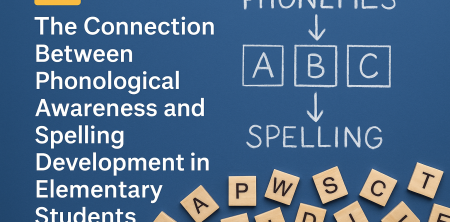
When it comes to early literacy, one area that often gets overlooked is the relationship between phonological awareness and spelling development in elementary students. These two elements are intricately connected, and understanding this connection can provide educators, parents, and policymakers with the tools necessary to enhance students' reading and writing capabilities. In this article, we’ll explore what phonological awareness is, how it influences spelling, and practical strategies to nurture these skills in the classroom.
Understanding Phonological Awareness
Phonological awareness refers to the ability to recognize and manipulate the sound structures of language. It encompasses skills like recognizing rhymes, syllables, and the individual sounds (phonemes) in words. This foundational skill typically develops in young children between the ages of 3 and 7. It is crucial for learning how to read and write because it allows children to decode words and understand sound-letter relationships.
Research shows that phonological awareness is a strong predictor of later reading success. Children who struggle with these skills in early childhood often face challenges in reading fluency and comprehension as they progress through their education. Therefore, fostering the development of phonological awareness is essential for laying the groundwork for effective spelling.
The Role of Phonological Awareness in Spelling Development
So, how exactly does phonological awareness relate to spelling? The connection is straightforward. Spelling requires an understanding of the sounds in words and how those sounds correspond to letters or letter combinations. Children who have strong phonological awareness are better equipped to break down words into their individual sounds and then represent those sounds with the appropriate letters.
For instance, when a child hears the word “cat,” they need to recognize the three distinct sounds /k/, /æ/, and /t/. A child with developed phonological awareness can accurately translate these sounds into the letters C, A, and T. Conversely, children who lack this awareness may struggle to identify these sounds, leading to frequent spelling errors.
Key Phonological Awareness Skills that Impact Spelling
Specific phonological awareness skills play a significant role in spelling development. Here’s a closer look at some of these key skills:
- Phoneme Segmentation: This skill involves breaking down words into their individual sounds. It is crucial for spelling because it enables children to identify the sounds they need to write.
- Phoneme Blending: The ability to combine individual sounds to form words. A child who can blend sounds together is better able to spell words phonetically.
- Phoneme Deletion: This skill requires a child to recognize what a word would sound like if one sound were removed. This can help with understanding word structure and spelling variations.
- Sound Manipulation: Being able to change sounds within words to create new words is essential for developing spelling and vocabulary skills.
Current Research on the Connection
Numerous studies have provided insights into the link between phonological awareness and spelling. A landmark study published in the journal Learning Disabilities Research & Practice found that children who were taught phonological awareness strategies showed significant improvement in their spelling abilities. Furthermore, a longitudinal study indicated that enhanced phonological skills in kindergarten predicted better spelling and reading outcomes through the third grade.
These findings underscore the importance of integrating phonological awareness training into early literacy programs. By focusing on these foundational skills, educators can help mitigate future reading and spelling difficulties. The evidence encourages a proactive approach to literacy education that prioritizes phonological awareness as a critical component of acquired literacy skills.
Practical Strategies for Teaching Phonological Awareness
Now that we understand the importance of phonological awareness and its connection to spelling development, what can educators do to foster these skills? Here are some effective strategies:
- Use Rhyming Activities: Engaging children with nursery rhymes and songs not only makes learning fun but also helps them recognize sound patterns.
- Incorporate Sound Games: Games like “I Spy” that focus on sounds can sharpen children’s ability to distinguish between phonemes.
- Segmenting and Blending Exercises: Ask students to clap for each sound they hear in a word, or have them blend sounds together to form words.
- Interactive Storytelling: Encourage students to listen for specific sounds or phonemes in stories, reinforcing sound awareness in a narrative context.
The Role of Technology in Supporting Phonological Awareness and Spelling
With the rise of educational technology, numerous digital tools are available to help reinforce phonological awareness and spelling skills. Apps and software programs designed for phonics instruction often include engaging games that focus on sound manipulation, blending, and segmenting. (See: Phonological Awareness and Reading Success.)
For example, programs like ABCmouse and Starfall utilize interactive activities to help children develop these crucial skills while making learning enjoyable. Teachers can leverage these tools in the classroom to support differentiated instruction, catering to various learning paces and styles.
Parent Involvement and Home Support
While educators play a significant role in fostering phonological awareness, parents can also contribute greatly to their children's spelling development. Engaging parents in literacy activities can create a supportive home learning environment. Here are some strategies parents can adopt:
- Read Together: Regularly reading with children not only enhances their vocabulary but also exposes them to different sound patterns.
- Make Learning Fun: Use games to practice phonological skills at home. Simple activities like sound matching or rhyming games can be very effective.
- Encourage Writing: Provide opportunities for children to write, whether through journaling, creating stories, or writing letters. This practice can reinforce their understanding of sound-letter relationships.
- Communicate with Teachers: Staying in touch with teachers about children’s progress can help parents align their home activities with classroom learning.
Challenges in Developing Phonological Awareness and Spelling
Despite understanding the connection between phonological awareness and spelling, there are challenges that educators and parents may face. Some children may have learning disabilities that hinder their phonological processing abilities, such as dyslexia. These children often require targeted interventions that address their unique learning needs.
Moreover, there can be a lack of resources or training for teachers to effectively teach phonological awareness. This gap can lead to disparities in literacy development among students, particularly in underserved communities. Addressing these challenges is essential for ensuring that all children have equal opportunities for literacy development.
Current Trends in Phonological Awareness Instruction
As research evolves, so do instructional strategies for teaching phonological awareness. There is a growing trend toward integrated instruction that combines phonological awareness with other literacy components, such as phonics and vocabulary development. This approach not only enhances understanding but also helps children see the connections between sounds, letters, and meanings.
Additionally, culturally responsive teaching practices are gaining traction. Recognizing the diverse linguistic backgrounds of students can enrich phonological awareness instruction. Incorporating familiar sounds and words from students’ home languages can make learning more relevant and engaging.
The Future of Phonological Awareness in Education
Looking ahead, it is clear that phonological awareness will continue to play a crucial role in literacy education. As educational practices evolve, there is hope for a more systematic approach to developing these foundational skills. Training programs for teachers will likely focus on integrating phonological awareness with broader literacy frameworks, ensuring that educators are well-equipped to support all learners.
Furthermore, with advancements in technology and research, tailored interventions for children with specific learning needs will become more accessible. Innovations in educational technology could provide real-time feedback and personalized learning experiences that adapt to individual progress.
The relationship between phonological awareness and spelling is profound and essential. Understanding this connection can empower educators, parents, and policymakers to create effective literacy programs that set students on a path toward success. By prioritizing phonological awareness, we can enhance students' spelling skills and, ultimately, their overall reading abilities, opening doors to greater academic achievement.
Frequently Asked Questions (FAQ)
1. What is phonological awareness?
Phonological awareness is the ability to recognize and manipulate the sound structures of language. It includes skills such as identifying and creating rhymes, segmenting words into syllables or phonemes, and blending sounds to form words.
2. Why is phonological awareness important for spelling?
Phonological awareness is crucial for spelling because it helps children understand the relationship between sounds and letters. Children who are skilled in phonological awareness can decode words by breaking them down into their individual sounds, allowing them to spell them correctly. (See: Understanding Phonological Awareness.)
3. At what age should phonological awareness be developed?
Phonological awareness typically develops in children between the ages of 3 and 7. Early childhood is a critical time for developing these skills, as they lay the foundation for successful reading and writing.
4. How can parents support phonological awareness at home?
Parents can support phonological awareness by reading regularly with their children, playing sound-based games, encouraging writing, and communicating with teachers to align home activities with what is being taught in school.
5. What types of activities enhance phonological awareness?
Activities that enhance phonological awareness include rhyming games, sound sorting activities, clapping syllables, and engaging in storytelling that emphasizes sounds. These activities can be fun and interactive, making learning more effective.
6. Are there specific resources for teaching phonological awareness?
Yes, many resources are available for teaching phonological awareness, including educational apps like ABCmouse and Starfall, phonics workbooks, and online games. These tools often provide engaging, interactive methods to reinforce phonological skills.
7. What should teachers do if a student struggles with phonological awareness?
If a student struggles with phonological awareness, teachers should consider individualized instruction that focuses on targeted phonological skills. This may include using explicit teaching strategies, differentiated instruction, and ongoing assessments to monitor progress.
8. How does phonological awareness relate to dyslexia?
Phonological awareness is often a significant challenge for children with dyslexia. They may struggle with breaking down sounds and understanding sound-letter relationships, which can affect their reading and spelling abilities. Early intervention can help support these students.
9. How can teachers integrate phonological awareness into their curriculum?
Teachers can integrate phonological awareness into their curriculum by incorporating sound activities into daily lessons, using literature that emphasizes sound patterns, and providing explicit instruction in phonemic skills. Collaborating with literacy specialists can also enhance these efforts.
10. What are the long-term effects of strong phonological awareness skills?
Strong phonological awareness skills can lead to improved reading and writing abilities throughout a child's education. Children with well-developed phonological skills are more likely to achieve literacy milestones, including fluency and comprehension, which can contribute to overall academic success.
Deepening Understanding: Phonological Awareness and Its Multifaceted Impact
Beyond its direct role in spelling, phonological awareness also impacts other vital areas of literacy development. For instance, it influences a child’s ability to decode words during reading, which is critical for comprehension. When children can break down words into sounds and blend them to form the complete word, they are better equipped to understand the text they are reading. This seamless connection between decoding and comprehension emphasizes the necessity of targeting phonological skills in reading instruction. (See: Phonological Awareness and Spelling Development.)
Case Studies: Success Stories in Phonological Awareness Instruction
There are numerous success stories from schools and programs that have implemented a strong focus on phonological awareness. A notable example can be seen in the Reading Recovery program, which has shown promising results for students at risk of literacy failure. This early intervention program emphasizes phonological awareness alongside other literacy skills and has led to notable improvements in students' reading abilities. Similarly, schools that have adopted structured literacy approaches report significant increases in spelling proficiency when phonological awareness is a key focus of instruction. These case studies highlight how effective targeted instruction can lead to meaningful outcomes.
Statistics and Evidence Supporting Phonological Awareness Training
Statistics further bolster the importance of phonological awareness in literacy development. According to the National Reading Panel, children who receive explicit phonological awareness instruction can increase their reading skills by an average of 30%. Additionally, a study from the Institute of Education Sciences reported a 25% increase in spelling accuracy among students who engaged in consistent phonological awareness activities compared to those who did not. These figures illustrate the tangible benefits of implementing phonological awareness training in educational settings.
Expert Perspectives on Phonological Awareness and Spelling
Experts in the field of literacy education emphasize the profound effects of phonological awareness on spelling and overall literacy development. According to Dr. David Kilpatrick, a leading researcher on reading disabilities, "Phonological awareness is the key foundational skill that unlocks the door to reading and spelling success." This perspective underscores the critical nature of integrating phonological awareness into early literacy instruction.
Furthermore, Dr. Marcia Invernizzi, a notable figure in literacy research, supports the idea that “a child's ability to manipulate sounds directly correlates with their success in spelling and decoding.” Such statements from experts reinforce the necessity for educators to prioritize phonological awareness in their teaching strategies.
Comparative Analysis: Phonological Awareness vs. Phonemic Awareness
It's important to distinguish between phonological awareness and phonemic awareness, as both play vital roles in literacy development but differ in scope. Phonological awareness is an umbrella term that includes a variety of sound structure skills, such as recognizing whole words, syllables, and rhymes. In contrast, phonemic awareness specifically targets the ability to recognize and manipulate individual phonemes, the smallest units of sound. While phonemic awareness is a subset of phonological awareness, it is particularly critical for early spelling and decoding skills. Understanding this distinction helps educators tailor their instruction to address the specific needs of their students.
Enhancing Phonological Awareness through Multisensory Approaches
Multisensory instruction can significantly enhance the development of phonological awareness. Techniques that incorporate visual, auditory, and kinesthetic modalities can cater to different learning styles and help reinforce sound-letter relationships. For instance, using manipulatives like letter tiles can help children physically engage with the sounds they’re learning about, making the experience more tangible and memorable. Activities that involve singing, clapping, and moving can also make learning phonological skills more dynamic and enjoyable, leading to better retention.
Future Directions: The Need for Research and Development
As we look ahead, the field of literacy education must continue to research and develop innovative methodologies for teaching phonological awareness. There is a growing need for longitudinal studies that track the long-term effects of phonological awareness training on spelling and reading success. Additionally, developing culturally and linguistically responsive instructional materials is essential to ensure equity in literacy education. By investing in research and development, we can further enrich the educational landscape and better serve the diverse needs of all learners.
```
Trending Now
- read the full story
- the complete explanation
- “Can Adults Have Dyscalculia? Recognizing and Managing Math Learning Disabilities Later in Life”
- our breakdown of “why young children think more water means a taller glass: explaining conservation concepts”
- “Teaching Math to Children Who Struggle…
Frequently Asked Questions
What is phonological awareness?
Phonological awareness is the ability to recognize and manipulate the sound structures of language. It includes skills such as recognizing rhymes, syllables, and individual sounds (phonemes) in words, and is crucial for early literacy development.
How does phonological awareness affect spelling?
Phonological awareness is directly related to spelling as it helps children understand the sounds in words and how they correspond to letters. Strong phonological skills enable children to break down words into sounds and accurately represent them in writing.
Why is phonological awareness important for reading?
Phonological awareness is a strong predictor of later reading success. Children who develop these skills early are better equipped to decode words and comprehend text, reducing challenges in reading fluency and comprehension as they progress.
What age does phonological awareness develop?
Phonological awareness typically develops in young children between the ages of 3 and 7. This foundational skill is essential for learning to read and write effectively.
What strategies can help develop phonological awareness in children?
Practical strategies to nurture phonological awareness include engaging children in rhyming games, syllable counting activities, and sound manipulation exercises. These activities can enhance their ability to recognize and work with the sounds of language.
What did we miss? Let us know in the comments and join the conversation.

