```html
1. What is Dyscalculia?
Dyscalculia is a specific learning disability that affects a person's ability to understand and manipulate numbers. Often referred to as "math dyslexia," it can manifest in various ways, such as difficulty in grasping basic arithmetic concepts, problems with number sense, and challenges in visualizing mathematical problems. Children with dyscalculia may struggle with tasks like telling time, counting, or recognizing patterns in numbers.
Research suggests that dyscalculia affects approximately 3-6% of the population, making it a significant concern for educators and parents alike. The impact of dyscalculia can extend beyond academic performance, often leading to low self-esteem and anxiety about mathematics, which can create a vicious cycle of avoidance and further difficulties in learning.
2. Understanding Math Anxiety
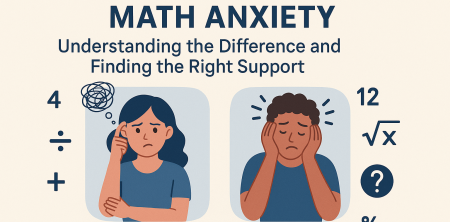
Math anxiety, on the other hand, is not a specific learning disability but rather a psychological phenomenon characterized by a feeling of tension or fear related to math tasks. Students experiencing math anxiety may feel overwhelmed or panicked during mathematics assessments or even when faced with everyday math problems. Unlike dyscalculia, which is rooted in cognitive difficulties, math anxiety often stems from negative experiences or beliefs about mathematics.
Studies indicate that about 20-30% of students experience some form of math anxiety. This can lead to avoidance behaviors, where students might skip math classes or avoid situations that require them to engage with mathematical concepts. In severe cases, it can significantly hinder academic performance and contribute to high levels of stress, negatively affecting a student’s overall well-being.
3. Dyscalculia vs Math Anxiety: The Key Differences
Understanding the distinctions between dyscalculia and math anxiety is crucial for providing appropriate support. Dyscalculia is primarily a cognitive issue, where the brain's processing of numerical information is impaired. In contrast, math anxiety is an emotional response to mathematical situations, often influenced by previous experiences and attitudes towards math.
For instance, a student with dyscalculia may struggle to understand multiplication tables, regardless of how much they practice or study. Conversely, a student with math anxiety may understand the concepts but freeze during tests or become overly stressed, leading to poor performance. Recognizing these differences can help educators tailor their teaching strategies and interventions effectively.
4. Common Symptoms and Signs
Identifying the signs of dyscalculia and math anxiety can be pivotal in addressing these issues early on. Common symptoms of dyscalculia include:
- Difficulty with basic math operations (addition, subtraction, multiplication, division).
- Struggling to memorize math facts.
- Trouble understanding time, measurements, or money concepts.
- Difficulty organizing numbers or retaining numerical sequences.
In contrast, signs of math anxiety may include:
- Physical symptoms such as sweating, shaking, or a racing heart when faced with math tasks.
- Avoidance of math-related situations or subjects.
- Feeling overwhelmed or panicked during math tests.
- Negative self-talk or beliefs about one's math abilities.
By recognizing these symptoms, teachers and parents can determine whether a student may be experiencing dyscalculia, math anxiety, or both.
5. Diagnosing Dyscalculia
To effectively support a student with dyscalculia, a formal diagnosis is vital. Typically, this involves a comprehensive evaluation by a psychologist or a specialized educator who can assess mathematical abilities and cognitive functioning. Standardized tests, observations, and interviews with parents and teachers are commonly used in this process.
A proper diagnosis will often involve ruling out other learning disabilities, ensuring that the challenges faced are specifically related to dyscalculia. Early diagnosis is beneficial, as it allows for tailored instruction and interventions that can greatly improve a student's mathematical abilities and confidence. (See: Understanding dyscalculia from NIH.)
6. Addressing Math Anxiety
Tackling math anxiety requires a multi-faceted approach that focuses on emotional and cognitive strategies. One effective method is creating a supportive classroom environment where mistakes are accepted as part of the learning process. Encouragement from teachers and peers can significantly boost a student's confidence.
Additionally, cognitive-behavioral techniques can help students reframe negative thoughts about their abilities. Techniques such as mindfulness exercises, relaxation strategies, and positive self-affirmations can also reduce feelings of anxiety during math tasks. Integrating fun, engaging activities into math lessons can further alleviate stress and make learning enjoyable.
7. Support Strategies for Dyscalculia
For students diagnosed with dyscalculia, tailored instructional strategies are essential. Multi-sensory approaches, such as using visual aids, manipulatives, and real-life math applications, can enhance understanding and retention. For instance, using physical objects to represent numbers can help students visualize mathematical concepts.
Moreover, breaking down tasks into smaller, manageable steps can prevent overwhelm and build confidence. Providing extra time for assessments and allowing the use of calculators can also help students demonstrate their knowledge without being hindered by their difficulties with calculation.
8. Finding the Right Resources
Finding the right resources for students with dyscalculia or math anxiety is essential for their success. Numerous support tools are available, including specialized tutoring programs, online resources, and educational apps designed to target specific math skills.
Organizations like the International Dyslexia Association and the National Center for Learning Disabilities provide valuable information and resources for both parents and educators. Additionally, schools may offer support through individualized education plans (IEPs) or 504 plans tailored to meet the specific needs of students with learning differences.
9. Current Relevance and Awareness
In recent years, there has been a growing awareness of learning disabilities such as dyscalculia and the impact of math anxiety on students. Educational institutions are increasingly focusing on inclusive teaching practices, recognizing that different students have unique learning needs. This shift is crucial as it fosters an environment in which all students can succeed, regardless of their mathematical abilities.
As more research emerges, the understanding of these challenges will continue to grow. Advocating for better educational practices, resources, and support systems can help mitigate the effects of dyscalculia and math anxiety. Ultimately, fostering a positive mathematical experience for all students is key to their long-term success.
10. Comparing Dyscalculia and Math Anxiety
While dyscalculia and math anxiety both impact students' mathematical experiences, they operate differently and have unique implications for learning. Dyscalculia is a persistent cognitive condition that presents challenges in understanding numbers and mathematics, whereas math anxiety is situational. It can arise even in students who are proficient in math but have had negative experiences associated with math, such as poor teaching or high-stress testing environments.
For example, consider a student who excels in math concepts but panics during exams. This student may experience math anxiety due to the pressure of performance, despite having a solid grasp of mathematical principles. On the other hand, another student with dyscalculia may struggle to perform basic calculations and not understand mathematical concepts, regardless of their stress levels.
11. Statistics and Research Findings
Research has shed light on the prevalence and effects of both dyscalculia and math anxiety. A study published in the journal *Learning Disabilities Research & Practice* found that students with dyscalculia often score significantly lower on math assessments compared to their peers without the disability. This research highlights the importance of early identification and intervention strategies to improve outcomes for affected students.
When it comes to math anxiety, the statistics are just as concerning. A survey conducted by the National Council of Teachers of Mathematics revealed that among students in grades 4-12, nearly 50% reported feeling anxious when faced with math tasks. This anxiety can lead to avoidance behaviors and a lack of engagement in math-related subjects, creating a troubling cycle that impacts students' overall academic performance. (See: Youth risk behavior data from CDC.)
12. Expert Perspectives
Experts in educational psychology emphasize that the differentiation between dyscalculia and math anxiety is critical for developing effective interventions. Dr. Barbara A. Newhall, a specialist in learning disabilities, suggests that understanding the root causes of a student’s struggles can lead to better-targeted teaching approaches. “When we recognize that a child has a cognitive difficulty like dyscalculia, we can implement specific strategies to help them succeed,” she explains. “On the flip side, if we identify math anxiety, we can focus on emotional support and building confidence.”
Additionally, Dr. Robert Siegler, a leading researcher in cognitive development, points out that developing a growth mindset in students can mitigate both dyscalculia and math anxiety. “Encouraging students to view challenges as opportunities for growth is key. It can help students see math not just as a set of rules to memorize but as a subject where they can develop skills over time,” he notes.
13. Frequently Asked Questions about Dyscalculia and Math Anxiety
What is the root cause of dyscalculia?
Dyscalculia is believed to have neurological origins. Brain imaging studies have shown differences in the brain areas associated with numerical processing in individuals with dyscalculia. Genetics may also play a role, as it can run in families.
Can math anxiety be treated?
Yes, math anxiety can be treated through various methods, including cognitive-behavioral therapy, mindfulness techniques, and supportive educational practices that focus on building confidence and reducing stress associated with math tasks.
How can teachers support students with dyscalculia?
Teachers can support students with dyscalculia by implementing multi-sensory instructional strategies, providing visual aids, and allowing the use of technology like calculators. They can also create a supportive classroom environment that encourages risk-taking and celebrates small successes.
Is it possible to have both dyscalculia and math anxiety?
Absolutely. A student can have dyscalculia and also experience math anxiety due to their struggles with math. This combination can exacerbate the challenges they face, making it crucial for educators and parents to address both issues comprehensively.
What resources are available for parents of children with dyscalculia or math anxiety?
Parents can seek resources from educational professionals, specialized tutoring services, and online platforms dedicated to learning disabilities. Websites like Understood.org and the National Center for Learning Disabilities offer a wealth of information and strategies to help both parents and children.
How can I help my child with math anxiety at home?
Helping your child with math anxiety can involve creating a low-pressure environment for practice, using positive reinforcement, and encouraging a growth mindset. Incorporating math games and engaging activities can also make learning more enjoyable and less stressful.
14. Teaching Strategies for Dyscalculia and Math Anxiety
When it comes to teaching students with dyscalculia and math anxiety, specific strategies can enhance their learning experiences significantly. For instance, using manipulatives—tangible objects like blocks or counters—can help students visualize and grasp abstract concepts. While working on addition, for example, students can physically group blocks to see how numbers combine. This practical approach can be invaluable for those struggling with abstract numerical concepts.
In addition to manipulatives, technology can play a significant role in supporting students. Educational software designed specifically for students with dyscalculia can provide interactive and engaging ways to practice math skills. For students with math anxiety, apps that gamify math challenges can reduce pressure and make learning feel more like play than work.
15. Building a Positive Math Culture
Creating a positive culture around mathematics in the classroom can significantly impact students' experiences with both dyscalculia and math anxiety. Encouraging a mindset where mistakes are seen as learning opportunities rather than failures can change how students approach math. Teachers can model this by sharing their own mistakes and demonstrating how to solve problems collaboratively. When students see that everyone encounters challenges, they may feel more comfortable taking risks with their learning.
Incorporating real-world applications of math can also help students appreciate its value. Relating math lessons to real-life situations—like budgeting, cooking, or planning a trip—can show students that math is not just a subject to pass but a valuable skill they will use throughout their lives. This relevance can enhance their motivation and decrease anxiety as they begin to see math as useful rather than just a hurdle they must overcome.
16. The Role of Parents in Supporting Learning
Parents play a crucial role in supporting children with dyscalculia and math anxiety. Open communication about struggles with math can help normalize the experience for children. Parents can also engage in math-related activities at home that promote a positive association with math. Board games that require counting or strategy, card games, and even cooking can make math fun and interactive.
Additionally, parents can help their children develop self-advocacy skills. Teaching children to express when they are feeling anxious about math or when they do not understand a concept can empower them. Encouraging them to talk to their teachers about their struggles can lead to better support and accommodations in school.
17. Long-Term Implications of Dyscalculia and Math Anxiety
The long-term implications of both dyscalculia and math anxiety can be significant if not addressed. Students who struggle with dyscalculia may face challenges in pursuing careers that require strong numerical skills, limiting their opportunities. Similarly, students with math anxiety may avoid subjects or careers involving math and science, potentially leading to a narrower range of career options. Understanding these implications emphasizes the importance of early intervention and ongoing support.
However, with the right strategies, students can overcome these challenges. Many individuals with dyscalculia develop compensatory strategies that allow them to manage their difficulties effectively. Likewise, students with math anxiety can learn coping mechanisms that help them approach math tasks with greater confidence. Education, support, and encouragement can significantly impact their academic journeys and future paths.
18. Conclusion: The Path Forward
Understanding dyscalculia and math anxiety is essential for fostering an inclusive and supportive educational environment. By recognizing the nuances between cognitive challenges and emotional responses, educators and parents can create tailored interventions that meet each student’s unique needs. As awareness grows and research continues to expand, there is hope for improved educational strategies and resources that can help students overcome these barriers, paving the way for a brighter future in mathematics education.
```
Trending Now
Frequently Asked Questions
What are the symptoms of dyscalculia?
Symptoms of dyscalculia include difficulties with basic arithmetic, problems with number sense, challenges in visualizing math problems, and struggles with tasks like telling time or counting. Children with dyscalculia may also experience low self-esteem and anxiety about math, leading to avoidance behaviors.
How is math anxiety different from dyscalculia?
Math anxiety is a psychological phenomenon characterized by fear or tension related to math tasks, while dyscalculia is a specific learning disability affecting numerical understanding. Math anxiety often arises from negative experiences, whereas dyscalculia is rooted in cognitive difficulties with numbers.
What causes math anxiety in students?
Math anxiety can be caused by negative experiences with math, such as poor teaching methods, stressful testing situations, or ingrained beliefs about one's ability in math. This anxiety can lead to avoidance behaviors and significantly affect academic performance.
How common is dyscalculia among students?
Dyscalculia affects approximately 3-6% of the population. This learning disability can significantly impact a student's academic performance and self-esteem, making it crucial for parents and educators to recognize and provide appropriate support.
What support is available for students with dyscalculia?
Support for students with dyscalculia includes specialized teaching strategies, individualized education plans (IEPs), and access to tools like calculators or visual aids. Early intervention and tailored support can help improve their understanding and confidence in math.
Have you experienced this yourself? We'd love to hear your story in the comments.

