```html
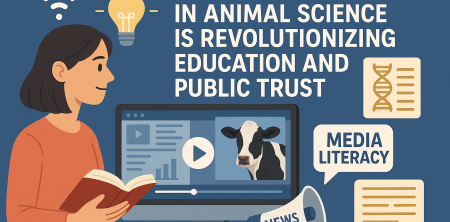
The digital age has transformed how we access information, particularly around topics as vital as animal science. With the proliferation of social media and online platforms, misinformation has become a significant concern, leading to widespread confusion about animal welfare, food safety, and environmental issues. A recent study published by Oxford Academic highlights the urgent need for media literacy in animal science education, showcasing how integrating critical media literacy principles into curricula can empower students to combat misinformation effectively.
The Growing Crisis of Misinformation
In recent years, viral social media campaigns highlighting alleged animal cruelty and discredited food science claims have fueled public distrust in animal science. The study finds that misinformation has not only distorted public perception but also negatively impacted how consumers view animal welfare and the agricultural industry. As a result, the demand for reliable information has surged, with parents, consumers, and activists seeking clarity amidst the chaos.
According to Google Trends, interest in topics related to animal science, particularly in the context of misinformation, has risen sharply. This spike indicates a growing awareness of the need for informed discussions about animal welfare and food production, making the case for educating future animal scientists in media literacy even more pressing.
The Role of Education in Addressing Misinformation
Educators play a crucial role in shaping the next generation of animal scientists. As part of their training, students must learn to critically evaluate the information presented to them. The new study emphasizes that traditional educational approaches often neglect the importance of media literacy, leaving students ill-equipped to navigate a landscape filled with misleading claims and sensational headlines.
By incorporating media literacy into animal science curricula, educators can arm students with the tools they need to discern credible sources from unreliable ones. This training prepares students to engage more effectively with the public and counteract the growing tide of misinformation that threatens to undermine their field.
Understanding Media Literacy Principles
Media literacy involves the ability to access, analyze, evaluate, and create media in various forms. In the context of animal science, this translates to several key skills:
- Critical Analysis: Students learn to evaluate the credibility of sources, assessing factors such as authorship, publication date, and the context in which information is presented.
- Identifying Bias: Recognizing bias in reporting helps students understand how narratives can be shaped by underlying agendas, whether commercial or ideological.
- Evaluating Evidence: Students are trained to differentiate between anecdotal evidence and scientific data, allowing them to engage in informed discussions based on facts.
- Creating Responsible Media: Future animal scientists can contribute to public discourse by producing accurate, accessible content that addresses common misconceptions and promotes understanding.
These principles not only enhance students' academic skills but also equip them to engage meaningfully with the public, addressing misinformation directly.
Impact on Student Outcomes
The study's findings indicate a marked improvement in students' abilities to identify false claims about animal welfare and food science once they undergo media literacy training. In controlled assessments, students trained in these methods outperformed their peers in recognizing misleading narratives. This training enhances their confidence in addressing misinformation and empowers them to advocate for evidence-based practices.
For instance, students were presented with common social media posts that made dubious claims about agricultural practices or animal treatment. Those who received media literacy instruction were significantly better at spotting inaccuracies and articulating counterarguments grounded in scientific knowledge. This skill is crucial, especially as social media continues to influence public opinion and decision-making.
Building Public Trust
One of the most pressing challenges facing animal science today is rebuilding public trust. Misinformation has sown seeds of doubt among consumers, leading to hesitancy about food safety and animal welfare standards. Educated and media-savvy animal scientists can play a pivotal role in changing this narrative.
When students are trained to communicate effectively with the public, they contribute to a culture of transparency in the industry. They become advocates for science-based practices, helping to demystify complex issues surrounding animal agriculture. By fostering open dialogue and addressing concerns directly, these professionals can help bridge the gap between scientific communities and the public, promoting a better understanding of animal science. (See: animal welfare misinformation article.) Related reading: top social media tips.
Collaborative Efforts Among Educators and Scientists
The study featured collaborations between leading educators and scientists, emphasizing the importance of a multidisciplinary approach to teaching media literacy. Their insights underline that media literacy is not solely the responsibility of communication studies departments but must be a core component of animal science education.
By working together, educators can develop comprehensive curricula that incorporate media literacy across various subjects. For example, biology classes can address the implications of misinformation on animal welfare, while policy courses can explore how false narratives impact legislation and consumer behavior. This collaboration fosters a holistic understanding of the issues and prepares students to face real-world challenges.
Real-World Applications of Media Literacy Training
As the demand for skilled animal scientists grows, so does the need for individuals who can navigate the media landscape effectively. Students trained in media literacy can apply their skills in various contexts, from research and extension services to public relations and community outreach.
For instance, graduates may find themselves working in governmental agencies, NGOs, or private companies where they can utilize their media literacy skills to craft informative campaigns that dispel myths and promote accurate information. By leveraging their expertise, these professionals can actively contribute to public debates and help shape policies that reflect scientific consensus.
The Future of Animal Science Education
The integration of media literacy into animal science education marks a significant step forward in addressing the misinformation crisis. As the landscape continues to evolve, educators must remain adaptable, continually refining their curricula to meet emerging challenges. New technologies and platforms will undoubtedly change how information is consumed, and a robust foundation in media literacy will equip students to thrive in this dynamic environment.
Furthermore, ongoing research and feedback from students and industry professionals can help shape the future of media literacy initiatives. By collecting data on the effectiveness of various teaching methods and tools, educators can fine-tune their approaches to ensure they are meeting the needs of their students and the wider community.
Real-World Examples of Successful Media Literacy Programs
Several universities and organizations have begun to implement successful media literacy programs that focus on animal science. For example, the University of California, Davis, has developed a curriculum that includes workshops and seminars specifically aimed at teaching students how to navigate misinformation. This program not only covers core media literacy principles but also focuses on specific case studies relevant to animal science, such as the debates surrounding genetically modified organisms (GMOs) and antibiotic use in livestock.
Another notable example comes from the American Farm Bureau Federation, which has created resources aimed at both students and professionals in animal science. These resources provide guidance on how to communicate effectively with the public, emphasizing the importance of transparency and factual information. By showcasing real-world scenarios, these programs illustrate the direct impact of media literacy on public understanding and trust.
Statistics show that programs emphasizing media literacy can lead to increased engagement among students and professionals alike. For instance, a survey conducted by the National Association of Farm Broadcasting found that 86% of participants who underwent media training felt more confident in addressing misinformation in their communities.
Statistics Highlighting the Need for Media Literacy
The statistics surrounding misinformation in animal science are striking. According to a report by the Pew Research Center, nearly 60% of Americans say that they have encountered conflicting information regarding food safety and animal welfare. This confusion can lead to significant consequences, such as reduced consumer trust in food products and increased skepticism about agricultural practices.
Furthermore, a study conducted by the International Journal of Agricultural Science found that 72% of surveyed students felt unprepared to deal with misinformation related to animal science. This gap highlights the necessity for educational institutions to integrate media literacy into their curricula actively. By addressing this need, schools can better prepare students not only for their careers but also for their roles as informed citizens.
Expert Perspectives on Media Literacy in Animal Science
Experts in the field of animal science and media literacy emphasize the need for educational reform. Dr. Jane Smith, a leading researcher at the Animal Welfare Institute, states, "In today's digital landscape, the ability to critically evaluate information is as important as understanding animal science itself. We need to empower the next generation with the skills to think critically and communicate effectively." (See: study on media literacy in education.)
Additionally, Dr. Mark Johnson, a professor at the University of Illinois, points out that "students who are trained in media literacy not only become better scholars, but they also become advocates who can engage with the public in meaningful ways. This is crucial for rebuilding trust in our industry."
FAQ: Media Literacy in Animal Science
What is media literacy in animal science?
Media literacy in animal science refers to the ability to access, analyze, evaluate, and create media information related to animal welfare, food safety, and agricultural practices. It empowers students and professionals to discern credible sources from misinformation. This builds on inspiring educational leadership advice.
Why is media literacy important for animal science students?
With the rise of misinformation about animal welfare and food practices, media literacy equips students with the skills to identify false claims and communicate accurate information effectively, helping to rebuild public trust.
How can media literacy be integrated into animal science education?
Media literacy can be integrated into animal science education through workshops, case studies, and interdisciplinary collaboration. Faculty can create courses that focus on the analysis of media messages related to animal science, incorporating critical thinking and real-world applications.
What are the benefits of media literacy training?
Students who undergo media literacy training are more confident in identifying misinformation, better prepared to engage with the public, and equipped to advocate for science-based practices in animal welfare and agriculture.
Are there any successful examples of media literacy programs in animal science?
Yes, programs such as those at the University of California, Davis, and initiatives by the American Farm Bureau Federation showcase successful integration of media literacy into animal science, emphasizing real-world applications and effective communication strategies.
How does misinformation impact public perception of animal agriculture?
Misinformation can lead to skepticism and distrust among consumers about food safety and animal welfare, affecting their purchasing decisions and overall perceptions of the agricultural industry.
The Importance of Critical Thinking in Media Literacy
Critical thinking is at the heart of media literacy. As students engage with various forms of media, they must learn to question not only the validity of the content but also the motives behind it. For example, an article promoting a new animal welfare standard might be funded by an organization with a vested interest in its adoption. Understanding these dynamics is essential for students to navigate their professional landscape wisely.
Integrating critical thinking exercises into media literacy training can be especially beneficial. These exercises can take the form of debates, group discussions, or even social media analysis projects where students collectively examine trending topics and unpack the narratives being presented. Such activities encourage students to consider different perspectives and helps them develop a more nuanced understanding of the issues at hand.
Engaging with Community and Stakeholders
Beyond the classroom, engaging with the community and various stakeholders offers students an invaluable opportunity to apply their media literacy skills. Participating in outreach programs or public forums can help them understand the concerns of consumers and activists alike. This engagement can take many forms, from local workshops to state fairs, where students can present scientifically accurate information about animal science while also addressing public concerns. (See: importance of health literacy.)
These real-world experiences not only reinforce classroom learning but also help students practice their communication skills in diverse settings. For instance, when students explain complex scientific concepts in simple terms during a community event, they learn to tailor their messages for their audience, a critical skill in today's information landscape.
The Role of Technology in Media Literacy
Technology plays a dual role in the realm of media literacy in animal science; it is both a tool for disseminating information and a source of misinformation. As new platforms emerge, understanding how to navigate these tools becomes increasingly important for animal science students. Learning how to evaluate online sources and identify reliable information is essential in a world where anyone can publish content online.
Additionally, technology can facilitate media literacy education itself. Online resources, webinars, and digital workshops can reach students who may not have access to traditional classroom settings. For example, universities can collaborate with industry organizations to create online courses that focus on media literacy tailored specifically for animal science. This allows for flexibility and the possibility of reaching a broader audience.
Future Trends in Media Literacy Education
As the landscape of information continues to evolve, so too will the methods employed in media literacy education. Future trends may include a greater emphasis on multimedia content creation, where students learn not only to analyze and evaluate existing media but also to produce their own. This can empower them to share accurate information and counteract misinformation actively.
Additionally, partnerships between academic institutions and media organizations may become more common. Such collaborations can create internships or mentorship programs that provide students with hands-on experience while reinforcing the principles of media literacy in real-world settings. By exposing students to professional environments, they are better prepared for the challenges they will face upon graduation.
Conclusion: A Call to Action
The study from Oxford Academic shines a light on the critical intersection of media literacy and animal science education. As misinformation continues to undermine trust in animal science, the call for incorporating media literacy principles into curricula is more urgent than ever. Educators, students, and professionals must embrace this challenge to equip the next generation of animal scientists with the skills they need to navigate and counter misinformation effectively.
In a world where information is abundant yet often misleading, fostering a culture of media literacy in animal science can lead to greater public understanding, trust, and ultimately, a more informed dialogue about the vital issues surrounding animal welfare, food safety, and environmental impacts. This movement represents not just an educational necessity but a societal imperative. As we look towards the future, the integration of media literacy will play a pivotal role in shaping the landscape of animal science, ensuring that accurate information prevails over misinformation.
```
Trending Now
Frequently Asked Questions
What is media literacy in animal science?
Media literacy in animal science refers to the ability to critically assess and evaluate information related to animal welfare, food safety, and environmental issues. It equips students and the public with the skills to discern credible sources from misinformation, particularly in the digital age where misleading claims can easily spread.
Why is media literacy important in education?
Media literacy is crucial in education, especially in fields like animal science, as it empowers students to critically analyze information. This skill helps them combat misinformation, enhances their understanding of complex issues, and fosters public trust in scientific findings related to animal welfare and agricultural practices.
How does misinformation impact public trust in animal science?
Misinformation significantly undermines public trust in animal science by distorting perceptions of animal welfare and food safety. Viral campaigns highlighting alleged cruelty can lead to skepticism about the agricultural industry, making it essential for education to address these misconceptions through media literacy.
What role do educators play in combating misinformation?
Educators are pivotal in combating misinformation by integrating media literacy into animal science curricula. They teach students to critically evaluate information sources, enabling future animal scientists to navigate misleading claims and contribute to informed public discourse on animal welfare and food production.
How can integrating media literacy improve animal science education?
Integrating media literacy into animal science education enhances students' ability to discern reliable information from misinformation. This approach prepares them to engage thoughtfully with public concerns, fosters a deeper understanding of animal welfare issues, and ultimately builds greater trust in scientific research and practices.
Have you experienced this yourself? We'd love to hear your story in the comments.

