```html
Introduction
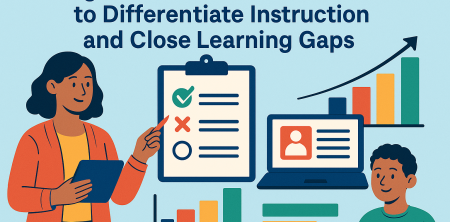
In today's diverse educational landscape, teachers face the daunting challenge of meeting varied learning needs within their classrooms. The traditional one-size-fits-all approach often falls short, leaving many students struggling to keep pace. This is where formative assessment differentiation comes into play. By leveraging formative assessment data, educators can tailor their instructional strategies to address individual students' needs, ultimately closing learning gaps and boosting academic success.
Understanding Formative Assessment
Formative assessments are tools used by educators to gauge student understanding and progress during the learning process. Unlike summative assessments, which evaluate what students have learned at the end of a unit, formative assessments take place throughout a course. They can take many forms, including quizzes, class discussions, observations, or even informal checks for understanding.
The primary purpose of formative assessments is not to assign grades, but to guide instruction. Teachers can identify areas where students excel or struggle, enabling them to adjust their teaching methods accordingly. This ongoing feedback loop is critical for fostering a responsive learning environment.
The Role of Data in Differentiation
Data is at the heart of formative assessment differentiation. When teachers collect and analyze data from formative assessments, they gain insights into each student's strengths, weaknesses, and learning preferences. This information is invaluable for creating targeted interventions and personalized learning experiences.
For instance, if a teacher notices that a significant number of students are struggling with a particular concept, they can address this by providing additional resources, modifying their teaching approach, or forming small groups to focus on that area. By using data to inform instruction, educators can better align their teaching practices with the diverse needs of their students.
Strategies for Implementing Formative Assessment Differentiation
Implementing formative assessment differentiation requires a strategic approach. Here are several effective strategies that educators can employ:
- Regular Check-Ins: Incorporate frequent, low-stakes assessments to monitor understanding. This could involve quick quizzes, exit tickets, or thumbs-up/thumbs-down gestures.
- Small Group Instruction: Use assessment data to create targeted small groups. Students who share similar needs can benefit from focused instruction tailored to their gaps.
- Diverse Learning Materials: Differentiate instructional materials based on student needs. Use varied texts, videos, and interactive resources to cater to different learning styles.
- Feedback Loops: Provide timely and specific feedback to students based on their formative assessment results. This encourages growth and helps them understand areas for improvement.
- Flexible Pacing: Allow students to progress at their own pace. Some may need more time to master a concept, while others may be ready to move ahead.
Creating a Culture of Continuous Improvement
For formative assessment differentiation to be effective, it must be embedded within a culture of continuous improvement. This means fostering an environment where both students and educators view assessment as a valuable opportunity for growth rather than a punitive measure.
Teachers should encourage students to take ownership of their learning by setting personal goals and reflecting on their progress. Engaging students in the assessment process can lead to greater motivation and accountability. Moreover, professional development for educators is essential to ensure they feel confident in using data to inform their instruction. Workshops or collaborative discussions can provide teachers with the tools and strategies they need to effectively implement formative assessments.
The Impact on Closing Learning Gaps
Research has shown that effective use of formative assessment differentiation can significantly reduce learning gaps. According to a study by the University of Oregon, students who received differentiated instruction based on formative assessment data showed greater improvement in both math and reading skills compared to those who did not. (See: Formative Assessment Overview from the U.S. Department of Education.)
One compelling example can be seen in a pilot program implemented in urban schools across the United States. Educators integrated formative assessments into their lesson plans, focusing on data-driven instruction. The results were staggering: schools reported a 20% increase in student proficiency levels within a single academic year. This underscores the power of formative assessment differentiation in transforming educational outcomes.
Technology and Formative Assessment Differentiation
The advent of technology has revolutionized formative assessment practices. Digital tools now allow for more efficient data collection and analysis, providing educators with real-time insights into student performance. Platforms like Google Forms, Kahoot!, and Edpuzzle enable teachers to create engaging assessments that can be easily analyzed.
Additionally, learning management systems (LMS) offer personalized learning pathways based on formative assessment results. These systems can track student progress and suggest resources tailored to individual needs, further enhancing differentiation efforts. Using technology to support formative assessments not only streamlines the process but also makes learning more interactive and engaging for students.
Challenges in Implementation
Despite the many benefits of formative assessment differentiation, challenges remain. One significant hurdle is the time and effort required for educators to create and analyze assessments. Teachers often juggle multiple responsibilities, and dedicating time to formative assessments can feel overwhelming.
Moreover, the variability in student responses can lead to confusion about how best to adjust instruction. Teachers may feel uncertain about how to interpret data or may lack access to adequate professional development opportunities to strengthen their assessment practices.
Best Practices for Overcoming Challenges
To navigate the challenges of formative assessment differentiation, educators can adopt several best practices:
- Prioritize Formative Assessment: Schedule regular time for formative assessment activities within the curriculum to emphasize their importance.
- Collaborate with Colleagues: Team up with fellow educators to share assessments and strategies, reducing the workload and fostering a collaborative atmosphere.
- Invest in Professional Development: Seek out training opportunities that focus on effective assessment practices and data analysis.
- Utilize Technology Wisely: Choose digital tools that streamline assessment processes and make data tracking manageable.
Case Studies of Successful Formative Assessment Differentiation
Several schools have successfully implemented formative assessment differentiation, providing models for others to follow. One notable example is the approach taken by a middle school in North Carolina. The school adopted a data-driven instruction model, where teachers used formative assessments to inform lesson planning and student grouping.
After just one academic year, the school reported a 30% increase in student engagement and a 25% rise in standardized test scores. Teachers noted that students were more motivated to participate actively in their learning, as they felt their individual needs were being addressed.
The Future of Formative Assessment Differentiation
Looking ahead, the landscape of formative assessment differentiation is poised for even greater evolution. With advances in artificial intelligence and machine learning, educators may soon have access to more sophisticated data analytics tools that can provide deeper insights into student learning patterns.
This shift could lead to even more personalized learning experiences, allowing teachers to anticipate student needs before they arise. As we continue to embrace the power of formative assessments, it's clear that the future holds significant promise for closing learning gaps and equipping all students with the skills they need to succeed. (See: Learning and Development Resources from NIH.)
Best Practices for Effective Formative Assessment Differentiation
To truly harness the power of formative assessment differentiation, educators should consider these best practices:
- Establish Clear Learning Objectives: Before implementing formative assessments, it's essential to clarify what students are expected to learn. Clear objectives provide a roadmap for both teachers and students, ensuring that assessments are aligned with desired outcomes.
- Use Varied Assessment Types: Not all students demonstrate their understanding in the same way. Incorporating diverse assessment methods—such as peer assessments, self-assessments, and project-based assessments—can provide a more comprehensive view of student learning.
- Engage Students in Self-Assessment: Encourage students to evaluate their own work and progress. This practice not only fosters independence but also helps students develop critical self-reflection skills.
- Reflect on Assessment Data: Regularly review and reflect on the data collected from formative assessments. Identify patterns and trends that can inform future instruction and adapt teaching practices accordingly.
Expert Perspectives on Formative Assessment Differentiation
Education experts emphasize the importance of formative assessment differentiation in modern teaching. Dr. John Hattie, a renowned education researcher, argues that formative assessment is a critical component of effective teaching. In his research, he found that feedback from formative assessments can be one of the most significant factors influencing student achievement. Hattie suggests that when students receive specific, actionable feedback, they are more likely to improve their performance.
Similarly, Dr. Dylan Wiliam, an expert in formative assessment, highlights that assessment should not be the end of learning but rather a vital part of the learning process. He advocates for creating an assessment culture in classrooms where students view feedback as an opportunity for growth rather than a grading mechanism. Wiliam's insights can guide educators in fostering a growth mindset aligned with formative assessment differentiation.
Statistics on Formative Assessment Differentiation
Data on the efficacy of formative assessment differentiation is compelling. According to a report by the Bill & Melinda Gates Foundation, teachers who actively utilized formative assessment strategies reported a 25% increase in student engagement and motivation. Additionally, a study conducted by the Center for Assessment found that schools employing formative assessment practices experienced a 15% improvement in overall student performance on standardized tests.
These statistics underscore the significance of formative assessment differentiation in enhancing educational outcomes. The evidence suggests that when teachers leverage formative assessments effectively, students are more likely to succeed academically and socially.
FAQs about Formative Assessment Differentiation
What is formative assessment differentiation?
Formative assessment differentiation refers to the practice of using formative assessments to tailor teaching strategies based on the diverse needs of students. It involves collecting data on student understanding and adjusting instructional methods to foster individual learning pathways.
How can formative assessments be differentiated in the classroom?
Formative assessments can be differentiated through various methods, including adjusting the type of assessments given, providing varied feedback, and grouping students based on assessment results. Teachers can also modify the pacing and complexity of tasks to better suit individual student needs.
What are some examples of formative assessments?
Examples of formative assessments include exit tickets, one-on-one conferences, quick quizzes, peer reviews, think-pair-share activities, and digital assessments using platforms like Kahoot! or Nearpod. Each of these can provide valuable insights into student understanding.
What challenges might teachers face when implementing formative assessment differentiation?
Teachers may encounter various challenges, including time constraints for creating and analyzing assessments, varying student responses that complicate instruction adjustments, and a lack of professional development opportunities. Addressing these challenges requires support, collaboration, and strategic planning.
How does technology enhance formative assessment differentiation?
Technology can enhance formative assessment differentiation by providing tools for real-time data collection and analysis. Digital platforms allow for interactive assessments, automated feedback, and personalized learning recommendations, making it easier for teachers to track student progress and adjust instruction accordingly.
What are some effective formative assessment tools available for teachers?
There are numerous tools available that can facilitate formative assessment in the classroom. Tools like Socrative, Quizizz, and Nearpod offer interactive ways to assess student understanding while engaging them in the learning process. Teachers can utilize these platforms to create quizzes, polls, and interactive lessons that provide immediate feedback to both educators and students.
How can formative assessments support students with learning disabilities?
Formative assessments are particularly beneficial for students with learning disabilities as they allow for ongoing evaluation rather than relying solely on high-stakes testing. Teachers can adjust their instructional methods based on real-time feedback, providing these students with the necessary support and resources tailored to their unique learning needs. The flexibility of formative assessments enables educators to scaffold learning experiences, making them more accessible and effective.
What role does student self-reflection play in formative assessment differentiation?
Student self-reflection is a vital component of formative assessment differentiation. When students take the time to assess their own understanding and learning processes, they become more aware of their strengths and areas for growth. This metacognitive practice encourages ownership of their learning journey and fosters a proactive approach to addressing challenges in their understanding.
How can parents support formative assessment differentiation at home?
Parents can play a crucial role in supporting formative assessment differentiation by maintaining open lines of communication with teachers about their child's progress. They can also create a supportive home environment that encourages learning through discussions about schoolwork, helping with homework, and engaging in educational activities that align with their child's learning goals.
Conclusion
Formative assessment differentiation is not merely an educational strategy; it's a transformative approach that empowers teachers to meet the diverse needs of their students effectively. By using formative assessment data to inform instruction, educators can close learning gaps and foster a culture of continuous improvement. As we continue to navigate the complexities of education, the emphasis on personalized learning will only grow stronger, ensuring that every student has the opportunity to reach their full potential.
```
Trending Now
- this guide on “quick phonemic awareness assessments for kindergarten and first grade teachers”
- the complete explanation
- our breakdown of “how transitional kindergarten prepares children for academic success in elementary school”
- our breakdown of “how gross motor development supports academic learning and school readiness”
- this guide on “how to assess phonological awareness skills in young children: screening tools and benchmarks”
Frequently Asked Questions
What is formative assessment and why is it important?
Formative assessment refers to tools and methods used by educators to evaluate student understanding during the learning process. It is important because it provides ongoing feedback, allowing teachers to adjust their instruction to meet individual student needs, ultimately enhancing learning outcomes.
How can formative assessment data be used to differentiate instruction?
Formative assessment data can be analyzed to identify each student's strengths and weaknesses. This information enables teachers to tailor their instructional strategies, create targeted interventions, and provide personalized learning experiences that address specific learning gaps.
What types of formative assessments can teachers use?
Teachers can use various types of formative assessments, including quizzes, class discussions, observations, and informal checks for understanding. These methods help gauge student progress and inform instructional adjustments throughout a course.
How does data from formative assessments improve student learning?
Data from formative assessments provides insights into student performance and understanding. By using this data, teachers can identify areas where students may struggle and make necessary adjustments to their teaching methods, fostering a more effective learning environment.
What are some strategies for closing learning gaps using formative assessments?
Strategies include analyzing assessment data to identify common areas of struggle, providing additional resources, modifying teaching approaches, and forming small groups to focus on specific concepts. These targeted interventions help close learning gaps and support student success.
Have you experienced this yourself? We'd love to hear your story in the comments.

