```html
Understanding Socratic Seminars
The Socratic seminar format is an engaging method of dialogue that fosters critical thinking and encourages deep discussions among students. Named after the ancient philosopher Socrates, this approach revolves around asking open-ended questions, pushing participants to think critically and articulate their thoughts. Unlike traditional classroom settings where teachers often lead the discussion, Socratic seminars turn the tables by making students the central figures in their learning journey.
The Basics of the Socratic Seminar Format
At its core, a Socratic seminar encourages a collaborative intellectual inquiry where students examine complex ideas and texts. The format typically includes a text or prompt that serves as the basis for conversation. Students are encouraged to listen, respond, and build on one another's ideas, creating a dynamic learning environment.
Key elements of the Socratic seminar format include:
- Open-ended questions: These questions do not have a single correct answer, allowing for multiple viewpoints and interpretations.
- Student-led discussions: Students take charge of the conversation, fostering a sense of ownership over their learning.
- Active listening: Participants are required to listen carefully to their peers, encouraging respect and thoughtful responses.
- Critical thinking: The format pushes students to analyze and evaluate ideas, enhancing their analytical skills.
Introducing the Inner and Outer Circle Format
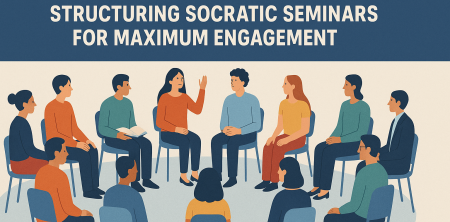
One innovative approach to structuring Socratic seminars is the inner and outer circle format. In this model, participants are divided into two groups: the inner circle, which engages in the discussion, and the outer circle, which observes and later provides feedback. This format enhances engagement by allowing all students, regardless of comfort level, to participate meaningfully.
The inner circle consists of a smaller number of students actively discussing the text or prompt while seated in a circle. The outer circle surrounds them, listening intently and taking notes. After a predetermined time, the roles switch, allowing those in the outer circle to join the discussion while the previous inner circle observes.
Benefits of the Inner and Outer Circle Format
This format offers several advantages that can significantly enhance the effectiveness of Socratic seminars:
- Increased participation: By having students rotate between circles, the format ensures that everyone has a chance to speak and listen, fostering a more inclusive environment.
- Focused feedback: Observers in the outer circle can assess the dynamics of the discussion, providing feedback on aspects like clarity, engagement, and respect.
- Enhanced reflection: The outer circle role encourages students to think critically about their peers' contributions and to reflect on their own ideas as they prepare to participate in the next round.
- Development of various skills: Students not only practice speaking and listening skills but also learn to give constructive feedback and engage in critical analysis.
How to Implement the Inner and Outer Circle Format
Implementing the inner and outer circle format effectively requires careful planning and structure. Here’s a step-by-step guide to help educators set up this engaging seminar style: There's a fuller look at teaching critical thinking.
- Select the text or topic: Choose a thought-provoking text or prompt that aligns with your curriculum and will stimulate rich discussion.
- Divide the class: Organize students into two circles, ensuring a mix of abilities and perspectives in both groups.
- Establish roles: Clearly explain the responsibilities of both the inner and outer circles, emphasizing active listening, respectful engagement, and the importance of feedback.
- Set guidelines: Establish clear norms for discussion, such as no interrupting, valuing each other's opinions, and building on each other's ideas.
- Facilitate initial discussions: Start the seminar, allowing the inner circle to engage deeply with the text while the outer circle listens attentively.
- Rotate roles: After a set time, switch the roles to allow all students to experience both the speaking and observing sides of the discussion.
- Debrief the experience: After the seminar, hold a reflection session where students can share their insights, discuss what went well, and identify areas for improvement.
Challenges and Solutions
While the inner and outer circle format can be highly effective, it’s not without its challenges. Here are common obstacles educators may face, along with potential solutions: (See: Socratic method overview.)
- Uneven participation: Sometimes, the same students dominate the conversation. To combat this, educators can use a speaking token system, where students must hold a token to contribute, ensuring everyone gets a turn.
- Disengagement in the outer circle: Students in the outer circle may feel less involved. Encourage active note-taking and set specific tasks for observers, such as analyzing the discussion or jotting down questions for the next round.
- Time management: Managing the time for discussions can be tricky. Use timers to keep the conversation flowing and ensure that both circles have equal opportunities to engage.
Real-World Applications
The inner and outer circle format isn’t just theoretical; it has been successfully applied in various educational settings. For instance, schools in New York City have implemented this format in literature classes, resulting in increased student engagement and improved analytical skills. Students reported feeling more confident in expressing their thoughts and better able to listen to differing viewpoints.
Another example can be found in a Virginia high school where social studies teachers used this format during discussions about historical events. By allowing students to critically analyze different interpretations of history, they not only enhanced their understanding of the subject but also cultivated empathy and respect for differing opinions.
Integrating Technology in the Socratic Seminar Format
In our digital age, incorporating technology into the Socratic seminar format can further enhance engagement. Consider using platforms like Google Docs or discussion forums where students can post their thoughts before the seminar. This allows for preparation and can help quieter students feel more comfortable contributing.
Video conferencing tools also present opportunities for remote Socratic seminars. Students can participate from home or different locations while maintaining the inner and outer circle structure. This flexibility can further increase participation from students who may be hesitant to speak up in a traditional classroom setting.
Current Relevance of Socratic Seminars
The relevance of the Socratic seminar format, particularly the inner and outer circle model, has grown in recent years. In an age where critical thinking and collaboration skills are more important than ever, this format encourages students to engage with material actively rather than passively absorbing information. As we strive to prepare students for a rapidly changing world, equipping them with the ability to discuss, analyze, and evaluate ideas is crucial.
Additionally, the emphasis on respectful discourse is particularly relevant in today’s social climate, where polarized opinions can lead to conflict. Socratic seminars offer a structured approach to foster understanding and appreciation of diverse perspectives, making them a valuable pedagogical tool for educators.
Final Thoughts on the Inner and Outer Circle Format
The inner and outer circle format represents a significant evolution in the Socratic seminar format, enhancing student engagement and participation. By implementing this method, educators can create a vibrant learning environment where students are empowered to think critically, communicate effectively, and respect differing viewpoints. As education continues to evolve, leveraging innovative structures like the inner and outer circle format will be essential in fostering a generation of thoughtful, articulate, and empathetic learners.
Expanding on Socratic Seminars: Techniques and Strategies
To further enhance the effectiveness of the Socratic seminar format, educators can explore various techniques and strategies. Each of these can aid in maximizing student engagement and ensuring productive discussions.
Utilizing a Fishbowl Technique
The fishbowl technique is similar to the inner and outer circle format but takes on a slightly different structure. In this method, a small group of students (the "fish") discusses a topic while the rest of the class observes. One major advantage is the ability for students to witness a live discussion without the pressure of immediate participation. Observers can take notes and prepare questions or comments for when they join the discussion after a set period.
Incorporating Role Play
Integrating role play into Socratic seminars can also help students engage more deeply with material. Assigning roles related to the discussion topic—such as different historical figures or viewpoints—can encourage students to think from perspectives outside their own. This method fosters empathy and deeper understanding and often leads to more dynamic discussions. (See: Importance of critical thinking.)
Using Visual Aids
Visual aids, such as charts, diagrams, and multimedia presentations, can complement discussions and help clarify complex concepts. For instance, if the seminar topic is about environmental issues, providing visual data or infographics can serve as a launching point for discussion, prompting students to analyze statistics and trends critically.
Measuring Success in Socratic Seminars
Measuring the success of Socratic seminars can be nuanced, given that the focus is often on qualitative outcomes rather than quantitative. However, educators can utilize several strategies to assess the effectiveness of these discussions:
- Self-Assessment Surveys: After the seminar, students can complete surveys reflecting on their participation, the insights they gained, and areas for improvement. This feedback can guide future seminars.
- Peer Feedback: Encouraging students to provide constructive feedback to their peers can foster a culture of respect and continuous improvement.
- Observational Checklists: Educators can use checklists to observe group dynamics, participation levels, and critical thinking exhibited during discussions. This can serve as a basis for reflection and growth.
Frequently Asked Questions about Socratic Seminars
What is the primary goal of a Socratic seminar?
The primary goal of a Socratic seminar is to foster deep understanding and critical thinking skills through dialogue. It encourages students to engage with complex texts or ideas, articulate their thoughts, and consider diverse perspectives. Related reading: impact of teacher feedback.
How can I prepare my students for a Socratic seminar?
Preparation can involve several steps, such as pre-reading assignments, discussions about the format and expectations, and practicing how to ask and answer open-ended questions. Offering sample prompts can also help students feel more comfortable.
What age group is best suited for Socratic seminars?
Socratic seminars can be adapted for various age groups, from elementary school to high school and beyond. The complexity of the texts and the depth of the questions should be tailored to the students' developmental stages.
How often should Socratic seminars be conducted?
The frequency of Socratic seminars can vary based on curriculum needs and time availability. Some educators choose to hold them weekly or bi-weekly as a way to continuously engage students in critical thinking.
Can Socratic seminars be effective in online learning environments?
Absolutely! With the right technological tools, Socratic seminars can effectively transition online. Video conferencing tools can facilitate discussions, while discussion boards can allow asynchronous participation, ensuring all students have a voice.
How can I support students who are hesitant to speak in seminars?
Building a supportive classroom environment is key. You can provide opportunities for smaller group discussions beforehand, use written responses to allow quieter students to express their thoughts, or gradually encourage participation through role assignments.
Challenges Specific to Online Socratic Seminars
Online Socratic seminars come with unique challenges that educators should be prepared for. Technical issues, such as poor internet connectivity, can disrupt the flow of discussion. To mitigate this, teachers can set clear guidelines for technology use and conduct a brief technical check before starting the seminar.
Another potential hurdle is maintaining engagement in a virtual setting. Students might be distracted by their surroundings or other online activities. One effective strategy is to incorporate breakout rooms, allowing smaller groups to discuss topics in a more intimate setting before reconvening with the larger group. This can help keep students more engaged and accountable for their contributions.
Expanding Socratic Seminars into Cross-Disciplinary Learning
Another innovative approach to the Socratic seminar format is integrating it into cross-disciplinary learning. By connecting different subjects, educators can enhance students' understanding and appreciation of complex themes. For example, a seminar might combine literature with history, allowing students to explore how historical contexts influence literary works.
Consider using texts that relate to current events, science, or even art to foster broader discussions. This approach helps students make connections between various fields of knowledge, encouraging them to think more holistically about the world around them. For instance, discussing a novel set during a significant historical event can lead to conversations about the implications and realities of that event, merging literary analysis with historical context.
Conclusion: The Lasting Impact of Socratic Seminars
The Socratic seminar format, especially when enhanced by innovative approaches such as the inner and outer circle, represents a shift towards more collaborative and engaging educational practices. As students navigate complex topics, they develop crucial skills that will serve them throughout their academic and professional lives. By fostering a culture of inquiry and respect, Socratic seminars can leave a lasting impact on students, preparing them for a world that values critical thinking, effective communication, and understanding diverse perspectives.
```
Trending Now
- this guide on “how transitional kindergarten prepares children for academic success in elementary school”
- “How Gross Motor Development Supports Academic Learning and School Readiness”
- this guide on “how to assess phonological awareness skills in young children: screening tools and benchmarks”
Frequently Asked Questions
What is a Socratic seminar?
A Socratic seminar is a dialogue-based learning format that encourages critical thinking and deep discussions among students. It involves open-ended questions and student-led conversations, allowing participants to explore complex ideas collaboratively.
How do you structure a Socratic seminar?
To structure a Socratic seminar, start with a text or prompt as a basis for discussion. Incorporate open-ended questions, encourage active listening, and allow students to lead the conversation, fostering engagement and critical analysis.
What is the inner and outer circle format?
The inner and outer circle format divides participants into two groups: the inner circle engages in discussion while the outer circle observes and provides feedback. This approach promotes participation and enhances engagement for all students.
What are the benefits of Socratic seminars?
Socratic seminars promote critical thinking, enhance communication skills, and encourage respect among participants. They foster a collaborative learning environment where students take ownership of their learning and engage deeply with complex ideas.
How can students prepare for a Socratic seminar?
Students can prepare for a Socratic seminar by reading the assigned text thoroughly, noting key themes and questions, and thinking critically about their responses. Engaging in discussions with peers beforehand can also enhance their confidence and insights.
Agree or disagree? Drop a comment and tell us what you think.

