```html
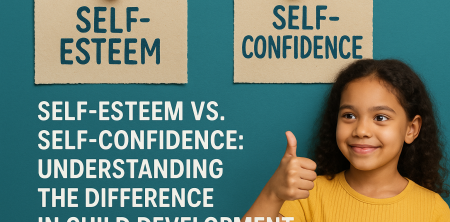
When it comes to raising children, the terms self-esteem and self-confidence often get tossed around interchangeably. However, understanding the nuances between self-esteem vs self-confidence in children is crucial for their healthy development. These two concepts play distinct roles in how children perceive themselves and interact with the world around them. This article will take a closer look at both self-esteem and self-confidence, their differences, practical implications for parents and educators, and how to foster these qualities effectively.
1. Defining Self-Esteem
Self-esteem refers to how children perceive their own worth or value. It’s a subjective evaluation and can be influenced by various factors, including personal experiences, feedback from peers and adults, and societal standards. A child with a healthy level of self-esteem generally feels good about themselves and their abilities, while low self-esteem can lead to feelings of inadequacy and self-doubt.
Experts highlight that self-esteem is often rooted in a child’s emotional experiences. For instance, children who receive consistent praise and support from their parents and teachers are likely to develop a strong sense of self-worth. Conversely, constant criticism can lead to feelings of failure and worthlessness. According to researchers, positive reinforcement, such as recognizing effort over outcome, can significantly bolster a child’s self-esteem.
2. Understanding Self-Confidence
In contrast, self-confidence is more closely related to a child’s belief in their abilities to achieve specific tasks or goals. This concept is situational and can vary dramatically from one area of life to another. For example, a child may feel self-confident in sports but lack confidence in academic performance.
Developing self-confidence often comes from experience and practice. When children succeed in tasks, whether it’s riding a bike or solving a math problem, they build confidence in their abilities. Studies show that setting small, attainable goals can help foster this aspect of personal growth. As children achieve these goals, they reinforce their sense of self-efficacy, which is a key component of self-confidence.
3. Key Differences: Self-Esteem vs Self-Confidence in Children
Understanding the differences between self-esteem and self-confidence in children can help parents and educators address each aspect effectively. Self-esteem is an overall evaluation of worth, while self-confidence is more about specific abilities. One child might have high self-esteem but low self-confidence in certain areas, which can lead to confusion and frustration. Conversely, a child can be self-confident in sports but struggle with self-esteem if they perceive themselves as less capable in academics.
This distinction is crucial because it emphasizes that boosting self-esteem doesn’t automatically lead to increased self-confidence. For example, a child may feel loved and valued but still hesitate to try new activities due to fear of failure. Tailoring support strategies to address both aspects can lead to more comprehensive development.
4. The Role of Parents in Fostering Self-Esteem
Parents play an instrumental role in the development of their children's self-esteem. One of the most effective ways to nurture positive self-esteem is through unconditional love and support. Children need to know that their worth is intrinsic, not based solely on their achievements or failures.
Research indicates that children whose parents express unwavering support tend to have higher self-esteem. Simple actions like active listening and celebrating small accomplishments can make a significant difference. Moreover, teaching children how to handle criticism and failure positively can help them develop resilience, further enhancing their self-esteem.
5. Building Self-Confidence: Strategies for Success
While boosting self-esteem creates a strong emotional foundation, fostering self-confidence requires practical strategies. Parents can start this process by encouraging their children to take on challenges and set achievable goals. When children experience success in these endeavors, their confidence in their abilities grows. (See: CDC resources on mental health in youth.)
Another effective strategy is to model self-confidence. Children learn by observing their parents. When adults approach tasks with a positive attitude and demonstrate resilience in the face of setbacks, children are likely to mimic these behaviors. Engaging children in activities that interest them can also enhance their confidence; whether it’s sports, arts, or academics, finding a passion can significantly contribute to their belief in their capabilities.
6. The Impact of Peer Relationships
Peer relationships can have a profound effect on both self-esteem and self-confidence in children. Positive social interactions can reinforce a child’s sense of worth while negative experiences, such as bullying or exclusion, can severely undermine it. Understanding this dynamic is crucial for parents and educators. There's a fuller look at impact of teacher feedback.
Encouraging children to build healthy friendships and engage in group activities can foster social skills and boost self-esteem. It’s important for parents to monitor their child’s social interactions and provide guidance on navigating conflicts. Open conversations about friendships can help children understand the reciprocal nature of relationships and how to cope with rejection or criticism.
7. Educators' Role in Developing Self-Esteem and Self-Confidence
Teachers also play a vital role in shaping children’s self-esteem and self-confidence. A supportive classroom environment that encourages collaboration and celebrates effort can help students feel valued. Providing constructive feedback rather than just grades can empower children to understand that mistakes are part of the learning process.
Incorporating activities that promote teamwork and peer collaboration can enhance self-confidence. When children work together on projects, they learn to appreciate each other’s strengths and abilities, which can improve their self-esteem and confidence in group settings. Educators should strive to create an inclusive environment where every child feels respected and accepted.
8. The Long-Term Consequences of Self-Esteem and Self-Confidence
The development of self-esteem and self-confidence in childhood can have lasting effects into adulthood. High self-esteem is linked to better mental health outcomes, while self-confidence often translates into greater success in personal and professional endeavors. Conversely, children who struggle with low self-esteem or self-confidence may face challenges in relationships, career advancement, and overall life satisfaction.
Studies suggest that adults with strong self-esteem are more likely to engage in positive relationships and pursue new opportunities. Fostering these traits early can create a positive feedback loop, where children who feel valued and capable continue to grow and pursue their goals with enthusiasm.
9. Practical Tips for Parents and Educators
For parents and educators looking to foster self-esteem vs self-confidence in children, here are some practical tips:
- Encourage open communication: Create an environment where children feel comfortable expressing their feelings.
- Set realistic goals: Help children set achievable goals to boost their confidence through small successes.
- Model positive behavior: Demonstrate confidence and resilience in your actions.
- Celebrate effort, not just results: Recognize the hard work children put into tasks, regardless of the outcome.
- Teach problem-solving: Equip children with tools to handle challenges and setbacks effectively.
- Foster social connections: Encourage friendships and participation in group activities for social learning.
- Promote independence: Allow children to make choices and take risks in a safe environment.
- Provide constructive feedback: Focus on the learning process rather than just the end results.
- Be patient: Building self-esteem and self-confidence takes time, so be supportive throughout the journey.
Ultimately, understanding the distinction between self-esteem and self-confidence in children can empower parents and educators to support healthy development. By nurturing both qualities, we can help children grow into well-rounded individuals who believe in themselves and their abilities, ready to face the world with courage and resilience.
10. Real-Life Examples of Self-Esteem vs Self-Confidence
Understanding self-esteem and self-confidence in children can be further illustrated by real-life examples. Take, for instance, a child who consistently excels in sports. This child, let’s call him Max, demonstrates high self-confidence in athletic activities. He knows he can run fast and score goals, leading him to actively participate in various sports and even join a local soccer team. However, despite his achievements in sports, Max struggles with self-esteem. He often compares himself to his peers academically and feels inadequate when he receives lower grades than expected. (See: NIH article on self-esteem and child development.)
In contrast, consider Sarah, who receives praise from her parents for her artistic talent. She feels valued and loved, leading to high self-esteem. However, when Sarah is asked to present her artwork in front of her class, she hesitates and lacks confidence in her speaking abilities. This example highlights that while Sarah feels good about herself overall, she may lack confidence in specific situations.
11. Statistical Insights on Self-Esteem and Self-Confidence
Research confirms the significance of self-esteem and self-confidence in children's development. According to a survey conducted by the American Psychological Association, approximately 70% of children report feeling anxious about their performance in school and social settings, indicating a gap in self-confidence. Moreover, a study published in the Journal of Youth and Adolescence found that children with high self-esteem are less likely to engage in risky behaviors such as substance abuse, highlighting the protective role of self-esteem in adolescent development.
Furthermore, statistics reveal that children with high self-esteem tend to perform better academically. A longitudinal study by the University of California, Los Angeles, showed that students with positive self-esteem scores had an average GPA of 3.5 compared to 2.8 for their peers with low self-esteem. These findings underscore the vital relationship between self-esteem, self-confidence, and academic success.
12. Frequently Asked Questions About Self-Esteem and Self-Confidence
What’s the best way to talk to children about self-esteem?
When discussing self-esteem with children, it’s essential to use language that is positive yet realistic. Encourage them to express their feelings and validate their experiences. Share examples of your own challenges and how you overcame them to show that everyone has ups and downs.
How can I tell if my child has low self-esteem?
Signs of low self-esteem may include frequent negative self-talk, avoidance of new challenges, difficulty accepting compliments, or a general lack of enthusiasm for activities they once enjoyed. If you notice these signs, it’s important to engage in open conversations and provide supportive encouragement.
Is self-confidence more important than self-esteem?
Both self-confidence and self-esteem are equally important, as they serve different functions in a child's development. Self-esteem builds a strong foundation of worthiness, while self-confidence enables children to take risks and pursue goals. A balance of both is crucial for holistic development.
What role does failure play in developing self-confidence?
Failure is a vital component in building self-confidence. When children encounter setbacks, they learn valuable lessons about resilience and perseverance. It's important for children to understand that failure is a natural part of the learning process and should not define their self-worth.
How can educators support self-esteem and self-confidence in the classroom?
Educators can create a supportive classroom environment by encouraging collaboration, celebrating effort, and providing constructive feedback. Implementing strategies that promote team-based activities and recognizing diverse talents can foster both self-esteem and self-confidence among students.
What activities can help improve my child’s self-esteem?
Engaging in activities that promote creativity, sports, or volunteering can significantly enhance a child's self-esteem. Encouraging them to try new hobbies or participate in group activities can provide them with opportunities to discover their strengths and build a sense of accomplishment.
13. Challenges in Building Self-Esteem and Self-Confidence
While fostering self-esteem and self-confidence is essential, it can be challenging for both parents and children. Societal pressures, peer dynamics, and individual personality traits can all create obstacles. For example, in today’s digital age, children are often bombarded with images and messages that can skew their self-perception.
Social media can play a dual role in this context. On one hand, it allows for positive reinforcement through likes and comments. On the other, it can lead to negative comparisons that impact self-esteem. It's vital for parents to discuss these issues openly with their children, helping them navigate the complexities of online interactions and use social media mindfully.
14. The Influence of Culture on Self-Esteem and Self-Confidence
Cultural factors can also significantly influence how self-esteem and self-confidence develop in children. Different cultures place varying levels of importance on individual achievement versus community success. In collectivist societies, for instance, self-esteem may be tied closely to group harmony and family reputation, while in individualistic cultures, personal success and autonomy may take precedence.
Understanding these cultural nuances can help parents and educators foster self-esteem and self-confidence in a way that aligns with their values. Encouraging children to appreciate their cultural background while also developing a sense of individuality can create a balanced approach.
15. How to Measure Self-Esteem and Self-Confidence in Children
Measuring self-esteem and self-confidence in children can be complex, as these traits are often subjective. However, several tools and methods can help gauge these attributes. Surveys and questionnaires, like the Rosenberg Self-Esteem Scale, are often used to assess self-esteem levels. For self-confidence, parents can observe children's willingness to take on challenges and their reactions to new experiences.
Frequent check-ins and discussions about feelings can provide insights into a child’s self-perception. Encouraging children to express their thoughts about their abilities and experiences can also facilitate a deeper understanding of their self-esteem and self-confidence levels.
16. Conclusion: The Journey of Fostering Self-Esteem and Self-Confidence
Building self-esteem and self-confidence in children is an ongoing journey that requires patience, understanding, and proactive strategies. By recognizing the differences and interconnections between these two essential traits, parents and educators can equip children with the necessary tools to navigate life’s challenges with resilience and optimism. In doing so, we can help shape a generation that is not only confident in their abilities but also knows their intrinsic worth as individuals.
```
Trending Now (understanding attachment distinctions)
- “Attachment Parenting vs. Attachment Theory: Understanding the Important Distinction”
- “How to Use Exit Tickets as Effective Formative Assessments”
- the complete explanation
- our breakdown of “the bobo doll experiment explained: what it teaches about aggression and modeling”
Frequently Asked Questions
What is the difference between self-esteem and self-confidence in children?
Self-esteem refers to how children perceive their own worth, while self-confidence relates to their belief in their abilities to achieve specific tasks. Self-esteem is more about emotional evaluation of self-worth, whereas self-confidence varies based on situational experiences.
How can parents improve their child's self-esteem?
Parents can improve their child's self-esteem by providing consistent praise, emotional support, and recognizing their efforts rather than just outcomes. Positive reinforcement helps children develop a healthy sense of self-worth.
Why is self-confidence important for child development?
Self-confidence is crucial for child development as it influences a child's willingness to take on new challenges and engage in various activities. It helps them overcome obstacles and fosters resilience in learning environments.
What factors influence a child's self-esteem?
A child's self-esteem can be influenced by personal experiences, feedback from peers and adults, and societal standards. Consistent support and positive reinforcement from parents and teachers play a significant role in shaping their self-worth.
Can self-esteem and self-confidence be developed simultaneously?
Yes, self-esteem and self-confidence can be developed simultaneously. Positive experiences that enhance self-esteem can also contribute to building self-confidence, as children learn to trust their abilities through supportive feedback and successful experiences.
What's your take on this? Share your thoughts in the comments below — we read every one.


0 Responses