```html
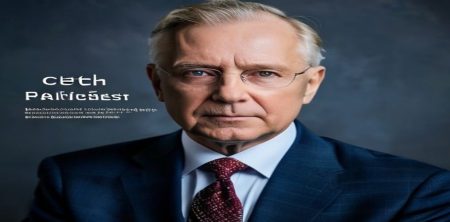
Petr Pavel, the president of the Czech Republic, issued a grave warning during his speech at the EBU's 96th General Assembly, where he asserted that defunding public service media poses a significant threat to democratic integrity. In a time when misinformation runs rampant and the impact of social media on public perception grows daily, Pavel's assertion has ignited a conversation about the indispensable role of public service media in upholding democratic values.
The Role of Public Service Media in Democracy
Public service media (PSM) serves as a vital bulwark against misinformation and a platform for fostering informed public discourse. Historically, these organizations have been tasked with ensuring that a wide array of voices are heard in the public sphere, providing a check on power and facilitating accountability. Pavel's remarks resonate particularly well in light of recent global events, where democratic norms appear increasingly vulnerable.
When governments consider defunding public service media, they risk undermining the very institutions that help maintain an informed electorate. This isn't just about funding; it’s about ensuring that the public has access to unbiased, reliable information. In a world where social media platforms can amplify falsehoods, the reliability of public service broadcasters becomes even more crucial. There's a fuller look at Social media's impact on democracy.
Global Context: A Rising Tide of Misinformation
The advent of digital media has transformed the landscape of information dissemination. Platforms like Facebook and Twitter dominate the conversation, often spreading unverified claims faster than traditional media can fact-check. As misinformation becomes increasingly sophisticated, the role of public service media is more critical than ever.
Statistics from various studies highlight the deepening crisis of trust in news media. A recent Pew Research survey found that only 29% of U.S. adults trust the news they consume, while in Europe, trust in news media has dipped significantly over the past decade. In this context, defunding public service media could exacerbate the problem, as it removes a trusted source of information at a time when citizens need it most.
Petr Pavel's Vision for Democracy
Pavel's call to action is clear: public service media must be protected and funded adequately to fulfill its role in democratic societies. He argues that cutting these budgets is not merely a financial decision but a political one with far-reaching consequences. By diminishing the resources available to public broadcasters, governments risk fostering environments where only sensationalist and misleading media can thrive.
This concern is particularly relevant to countries experiencing political upheaval, where the media can play a pivotal role in shaping narratives. For instance, in recent years, countries like Hungary and Poland have seen government efforts to exert control over public media, often leading to accusations of bias and censorship. Pavel warns that such actions could create a dangerous precedent, undermining democratic institutions in the process.
The Emotional Resonance of Pavel's Warning
What makes Pavel's message particularly powerful is its emotional resonance. At a time when many citizens feel disillusioned with politics and media, his warning serves as a rallying cry. Social media engagement has skyrocketed in response to his statements, with users sharing his message widely as a cautionary tale about the stakes of defunding public service media.
In a landscape where political instability looms large, people are understandably concerned about losing access to truthful information. The fear of missing out on vital democratic processes has prompted many to amplify Pavel's message, turning it into a viral alert that underscores the urgency of the situation.
Case Studies: The Impact of Weakening Public Broadcasting
The implications of defunding public service media are not merely theoretical. Several case studies illustrate the real-world consequences of weakening public broadcasting. In countries where media budgets have been slashed, the results have often included a rise in partisan media, a decline in investigative journalism, and a general deterioration in the quality of public discourse.
Take the example of Venezuela, where the government has systematically dismantled public media, leading to a media landscape dominated by state propaganda and a lack of independent journalism. Citizens have been left with few reliable sources of information, resulting in widespread confusion and misinformation.
Similarly, in the United Kingdom, the BBC has faced significant funding cuts, which many argue have hampered its ability to serve as an independent watchdog. Critics suggest that this has allowed alternative, less reliable media outlets to flourish, further complicating the public's understanding of critical issues.
The Big Picture: Democracy and Digital Media
As we navigate the complexities of the digital age, the relationship between democracy and media becomes even more pronounced. Pavel’s warning comes amid broader discussions about how digital platforms affect democratic processes. With algorithms determining what news reaches individuals, the risk of echo chambers and misinformation grows. (See: Czech Republic President's warning.)
This evolving media landscape challenges traditional notions of public service media's role. The need for robust, well-funded public broadcasters is more pressing than ever to counterbalance the unregulated nature of many digital platforms. Pavel’s assertion that defunding public service media could lead to democratic irrelevance underscores the gravity of this challenge.
Public Response and Civic Engagement
In the wake of Pavel's speech, public response has been significant. Citizens across various nations have expressed their support for public service media, recognizing its fundamental importance in a healthy democracy. The dialogue has sparked a renewed interest in civic engagement, with many advocating for stronger protections for public broadcasters.
Moreover, this momentum has led to calls for reform to ensure that public service media can operate in a rapidly changing environment. Advocates argue that now more than ever, it is vital for citizens to engage with public media, supporting initiatives that promote transparency and accountability.
Looking Forward: The Future of Public Service Media
As we look to the future, the sustainability of public service media hinges on public support and political will. Pavel’s warning serves as a reminder that defending these institutions is crucial for maintaining the democratic fabric of society. Advocates for public broadcasting must continue to push for adequate funding and strong legal protections to combat the forces that seek to undermine it.
In many ways, the fight for public service media is emblematic of the broader struggle for democracy itself. Just as citizens must remain vigilant against authoritarianism, they must also protect the institutions that help ensure transparency and accountability. The call to reject defunding public service media should resonate not just in Europe but across the globe, as the health of democracies everywhere hangs in the balance.
Practical Steps to Support Public Broadcasting
For those looking to take action in support of public service media, there are several practical steps to consider. First, staying informed about local and national media issues is essential. Understanding how funding decisions are made can empower citizens to advocate for better support for public broadcasting.
- Engage with Public Media: Actively consume and share content from public service broadcasters. Your engagement helps demonstrate the value they provide.
- Advocate for Funding: Contact local representatives and express your support for public service media funding. Let them know that these institutions are vital for democracy.
- Join Support Groups: Participate in organizations that advocate for media freedom and public broadcasting. Collective efforts can amplify your voice.
These steps can help build a stronger foundation for public service media and reinforce its critical role in fostering a healthy democracy.
Understanding the Economic Impact of Defunding
Defunding public service media doesn’t merely affect the content and quality of news; it also has significant economic implications. Public broadcasters often contribute to local economies by creating jobs and supporting the creative industry. For instance, the BBC in the UK is a major employer and contributes billions to the economy through various contracts and collaborations.
When funding is cut, it can lead to job losses not only within the broadcasting organization but also across sectors that rely on public media for contracts and advertising. A study conducted by the European Broadcasting Union (EBU) estimated that cuts to public service media funding could lead to a loss of upwards of 20,000 jobs across Europe, as these organizations are significant players in the media landscape.
Additionally, public service media serves as a catalyst for innovation within the media industry. Without a healthy public broadcaster, competition diminishes, and creativity may stagnate, leading to a less dynamic media environment. Countries that have invested in robust public broadcasters have often seen a flourishing of independent media outlets as well, creating a diverse ecosystem of information sources.
Expert Perspectives on Public Service Media
Experts in media studies and democracy have weighed in on the importance of public service media. Dr. Anne McElvoy, a well-known journalist and commentator, argues that public service broadcasting plays an essential role in ensuring that all segments of society can access information. "In times of crisis, it is public service media that often steps in to provide clarity and facts that the public can rely on," she stated in a recent interview.
Furthermore, Professor Mark Thomson, former Director-General of the BBC, emphasizes that the funding model for public service media is crucial. "If we allow short-term political calculations to dictate funding, we risk undermining the very institutions that safeguard our democracy," he warns. His insights reflect a growing concern among media professionals that reliability and impartiality are at risk if funding is not secured.
Comparative Analysis: Public Service Media in Different Nations
Looking at how various countries support their public service media can provide valuable insights. In Scandinavian countries like Sweden and Norway, public broadcasters receive significant funding from the government and are widely trusted by the populace. These nations showcase how strong public service media can foster a well-informed citizenry, contributing to high levels of public trust and societal cohesion.
Conversely, in the United States, the model varies significantly, as public broadcasting relies heavily on donations and grants. The Corporation for Public Broadcasting (CPB) provides some funding, but it is far less than what is allocated in many European nations. This disparity raises questions about the sustainability of public service media in the U.S., especially in light of ongoing financial pressures. (See: Importance of public service media.)
In countries like Hungary, state control over public media has led to a deterioration of quality and credibility. The government’s ability to influence editorial decisions has resulted in a media landscape that favors government narratives over independent journalism. This serves as a stark warning of the dangers associated with defunding public service media and the potential risks of state control.
FAQ: Understanding Public Service Media and Its Challenges
What is public service media?
Public service media refers to broadcasting organizations that operate for the public good rather than for profit. They aim to provide impartial news, educational content, and entertainment that serves the interests of society as a whole.
Why is defunding public service media a concern?
Defunding public service media threatens the availability of unbiased information, which is critical for informed decision-making. It can also lead to increased misinformation, as public broadcasters typically serve as fact-checkers and reliable news sources.
How does public service media contribute to democracy?
Public service media fosters an informed electorate by providing access to diverse viewpoints and quality journalism. It plays a crucial role in holding power to account and ensuring that citizens have access to vital information about their rights and responsibilities.
What steps can governments take to support public service media?
Governments can ensure sustainable funding models, protect the independence of public broadcasters, and encourage transparency in their operations. Supporting initiatives that promote media literacy among citizens can also enhance the effectiveness of public service media.
How can individuals support public service media?
Individuals can support public service media by consuming and sharing its content, advocating for funding through social media or direct communication with elected officials, and participating in campaigns that promote media literacy and public engagement.
Concluding Thoughts: The Time to Act is Now
Petr Pavel's message is clear and urgent: defunding public service media threatens the very essence of democracy. As citizens, we must heed this call and recognize that the health of our democracies depends on the strength and resilience of public broadcasters. By advocating for their support, we are not just fighting for media institutions; we are standing up for the values that underpin our democratic societies.
Further Implications of Defunding Public Service Media
The ripple effects of defunding public service media extend beyond the immediate financial considerations. With a decline in resources, there’s a risk that public broadcasters will succumb to pressures from commercial interests, compromising their editorial independence. This deterioration can lead to a media landscape that prioritizes entertainment over information, skewing public perception and discourse.
For instance, when public service media is under-resourced, the quality of investigative journalism suffers. Investigative pieces often require time, expertise, and financial backing to uncover the truth. A well-funded public broadcaster can dedicate teams to investigate crucial societal issues, while underfunded counterparts may opt for less rigorous approaches, leading to a less informed public.
The Importance of Media Literacy in Today’s Society
In conjunction with protecting public service media, promoting media literacy is crucial. As misinformation proliferates, equipping citizens with the tools to critically evaluate sources and discern fact from fiction is vital. Educational initiatives should be implemented, focusing on teaching individuals how to navigate the digital landscape effectively.
Countries that have integrated media literacy into their educational systems report higher levels of critical thinking among students, enabling them to engage with media content more thoughtfully. This is important as it empowers citizens to recognize biased narratives and seek out balanced information, reinforcing the need for robust public service media.
Public Service Media and the Arts: A Symbiotic Relationship
Public service media also plays an integral role in supporting the arts. Through funding and programming, these organizations promote local artists, cultural events, and arts education. Cutting funding can jeopardize these initiatives, limiting opportunities for artists and shrinking the cultural landscape. (See: Role of media in public health.)
For example, many public broadcasters produce documentaries, performative arts, and educational programs that highlight local talents and traditions. These productions not only preserve cultural heritage but also foster community engagement. When public service media is adequately funded, it can maintain its commitment to showcasing diverse cultural expressions, which enriches society as a whole.
International Perspectives on Defunding: A Global Issue
The discussion surrounding defunding public service media is not confined to one region; it’s a global issue. Countries across continents face similar challenges, where political shifts threaten public broadcasting. In Brazil, for example, tensions between the government and public broadcasters have risen, leading to concerns about the future of independent journalism.
In contrast, nations like Canada have recognized the importance of public service media by increasing support in recent budgets, understanding that a well-informed citizenry is crucial for a functioning democracy. This contrasting approach highlights how policy decisions regarding funding can shape the media landscape and, consequently, the nature of public discourse.
The Role of Technology in Public Broadcasting
As technology continues to evolve, public service media must adapt to meet the changing needs of its audience. The rise of streaming platforms and podcasts has transformed how people consume media. Public broadcasters can leverage technology to reach wider audiences and enhance engagement.
Investing in new technologies not only helps public broadcasters stay relevant but also allows them to provide innovative content that meets the demands of modern viewers. This includes interactive programming and data-driven journalism that harnesses the power of analytics to inform storytelling. When public service media is well-funded, it can explore these avenues effectively.
Building Alliances for Public Service Media
To combat the threats posed by defunding, building alliances among public broadcasters globally can create a united front. Collaborations can involve sharing resources, best practices, and research on the impact of public service media. This can enhance resilience against political pressures and funding cuts.
Furthermore, alliances with civil society organizations can amplify advocacy efforts. Engaging citizens through campaigns that emphasize the importance of public service media can foster a community that values and fights for reliable information sources. This collective action can be instrumental in shaping policy decisions and garnering public support.
Final Thoughts: The Critical Need for Public Service Media
The evidence is clear: defunding public service media is a perilous path that threatens not just journalism but the very fabric of democracy. As we navigate an increasingly complex information landscape, the necessity of robust, well-funded public service media has never been more apparent. Advocacy for these institutions should be a priority for all who cherish democratic values.
By uniting in support of public service media, we can ensure that future generations have access to the quality information and cultural content necessary for an informed and engaged citizenry. The time to act is now; the health of our democracies depends on it.
```
Trending Now
Frequently Asked Questions
Why is public service media important for democracy?
Public service media (PSM) is crucial for democracy as it provides unbiased information, fosters informed public discourse, and serves as a check on power. By ensuring diverse voices are heard, PSM helps maintain an informed electorate, which is essential for democratic integrity.
What are the risks of defunding public service media?
Defunding public service media poses significant risks, including undermining access to reliable information and increasing vulnerability to misinformation. This can weaken democratic institutions and reduce public trust in media, making it harder for citizens to make informed decisions.
How does misinformation affect democracy?
Misinformation can erode trust in democratic institutions and distort public perception. As false information spreads rapidly, especially through social media, it can influence public opinion and voter behavior, ultimately threatening the foundations of democracy.
What did the Czech President say about public service media?
Czech President Petr Pavel warned that defunding public service media could endanger democracy. He emphasized the essential role of PSM in combating misinformation and ensuring that citizens have access to reliable, unbiased information.
What role does social media play in spreading misinformation?
Social media platforms like Facebook and Twitter often amplify unverified claims more rapidly than traditional media can fact-check them. This creates an environment where misinformation spreads easily, making the role of public service media even more critical in maintaining informed public discourse.
Have you experienced this yourself? We'd love to hear your story in the comments.

