```html
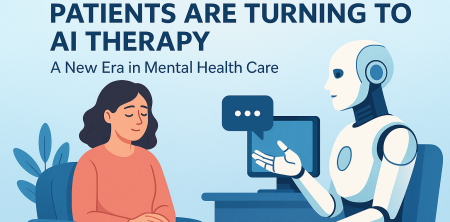
The landscape of mental health care is undergoing a seismic shift. Recent reports indicate that over a third of psychologists are witnessing their patients turn to AI therapy for support alongside traditional therapeutic methods. This remarkable change highlights a growing reliance on artificial intelligence chatbots and virtual companions as supplementary resources in emotional well-being. With the increasing demand for mental health services and limited access to human therapists, AI is stepping into a role that raises intriguing questions about safety, efficacy, and the very essence of human connection in therapy.
The Rise of AI in Mental Health Care
The integration of technology into mental health care isn’t new, but the scale and acceptance of AI therapy is unprecedented. Patients, often navigating overwhelming emotional landscapes, are seeking assistance from AI systems when human therapists are either unavailable or too costly. This trend is not just a passing phase; it reflects an urgent and growing need for mental health support that many feel is not being met through traditional means.
As noted in the report from the American Psychological Association, the trend of patients utilizing AI as an adjunct mental health resource has sparked significant discussion across professional circles. The statistic that over 33% of patients are employing AI as a co-therapist is staggering. It signals a shift in how emotional support is conceptualized and delivered. In a world where mental health crises are on the rise, AI provides a new avenue for those seeking help.
Understanding AI Therapy: What Is It?
At its core, AI therapy encompasses various digital tools designed to offer emotional support and therapeutic interactions. This includes chatbots that engage in conversation, apps that facilitate mindfulness practices, and virtual companions that help users manage their feelings. These tools are built on sophisticated algorithms that analyze user input, providing responses that mimic human interaction.
One of the most notable aspects of these AI systems is their availability. Unlike traditional therapy, which often requires appointments and can be limited by geographic location or financial constraints, AI therapy offers immediate access. Users can interact with these programs at any time, which can be particularly beneficial during moments of crisis or heightened emotional distress. This accessibility is a significant factor driving their popularity.
The Pros and Cons of AI Therapy
Like any innovation, AI therapy comes with its own set of advantages and disadvantages. On one hand, the benefits are clear. AI can provide an immediate, judgment-free space for individuals to express their thoughts and feelings. For many, the anonymity and low cost associated with AI tools can lower the barriers to seeking help.
- Accessibility: AI therapy can be accessed anytime, providing support when traditional resources may be unavailable.
- Anonymity: Users often feel more comfortable sharing personal issues with a non-human entity than with a human therapist.
- Cost-Effectiveness: Many AI tools are available for free or at a lower cost than traditional therapy, making mental health support more affordable.
However, there are notable drawbacks to consider as well. As effective as these tools may be for some individuals, they cannot fully replicate the nuanced understanding and empathy that a human therapist offers. The therapeutic relationship built on trust and understanding is often irreplaceable. Furthermore, there are significant concerns regarding privacy and data security, as many AI platforms collect sensitive personal information.
Ethical Implications of AI in Therapy
As patients increasingly rely on AI chatbots and virtual companions, ethical considerations come to the forefront. The idea of trusting algorithms with one’s psychological well-being is both fascinating and troubling. Patients may find comfort in the immediacy of AI, but this raises questions about the quality and safety of the care they receive.
For instance, can AI really understand emotional nuances? Can it identify when a user is at risk of self-harm or in need of immediate human intervention? While many AI systems are programmed to flag concerning language, the interpretation of emotional context can often be complex and requires human insight.
Moreover, the reliance on AI for mental health support can unintentionally perpetuate a narrative that underemphasizes the importance of human contact in therapy. The heart of therapeutic work often lies in the relationship between patient and therapist, a connection that is built over time through trust, understanding, and shared experience.
AI in Therapy: A Tool, Not a Replacement
There is a growing consensus among mental health professionals that while AI can serve as a helpful tool, it should not replace traditional therapy. Mental health experts recognize the potential benefits of AI as a supplemental resource, particularly for individuals who may not have access to human therapists. However, they also stress the importance of maintaining human connections in the therapeutic process. (See: CDC's mental health resources and statistics.)
AI could be best utilized as a bridge to traditional therapy. For example, patients might use AI tools to manage anxiety symptoms in between sessions with their therapists, equipping them with coping mechanisms that can be discussed and refined during actual therapy sessions. The integration of AI into therapeutic practices should, therefore, be approached with careful consideration, ensuring that these technologies are used to enhance — not replace — the human experience of therapy.
The Role of Psychologists in an AI-Enhanced World
The role of psychologists may evolve as AI becomes more integrated into mental health care. Rather than viewing AI as a competitor, many practitioners see the potential for collaboration. For instance, psychologists could utilize insights from AI interactions to inform their therapeutic approaches. This could lead to more targeted and effective treatment plans based on data collected from AI interactions.
However, it’s critical that psychologists receive training in how to effectively work alongside AI tools. Understanding the limitations and strengths of these technologies will be essential in ensuring that they complement human therapy rather than undermine it. Furthermore, psychologists must take an active role in guiding patients about the appropriate use of AI in their mental health journey.
The Future of AI Therapy: Possibilities and Challenges
Looking ahead, the future of AI therapy is fraught with both exciting possibilities and considerable challenges. On one hand, advancements in AI technology may lead to more personalized and responsive mental health tools that can better address the individual needs of users. Imagine a chatbot that can adapt its responses based on a user’s emotional state, effectively creating a tailored support experience.
On the other hand, the rapid pace of technological advancement raises ethical concerns that society must grapple with. Regulations around data privacy, the efficacy of AI treatments, and the need for human oversight are just a few of the issues that need to be addressed. As society continues to embrace these technologies, it will be crucial to ensure that ethical guidelines are in place to protect users.
The Emotional Impact of AI Therapy
Despite the controversy, the emotional impact of AI therapy on users can be profound. Many individuals report feeling less alone when they have access to AI support, particularly during times of distress. The anonymity and non-judgmental nature of AI interactions can provide a sense of comfort, allowing users to explore their emotions without fear of repercussion.
However, it’s also essential to recognize that emotional responses to AI therapy can vary significantly among individuals. Some may find AI interactions helpful, while others may feel uncomfortable or even more isolated. As such, ongoing research is necessary to understand the complex emotional landscape surrounding the use of AI in mental health.
Frequently Asked Questions About AI Therapy
1. What types of AI therapy tools are available?
AI therapy tools range from conversational chatbots, like Woebot and Wysa, that provide supportive dialogue, to apps focused on mindfulness and stress reduction, such as Calm and Headspace. Some platforms even offer guided therapy sessions that integrate AI assessments with therapist feedback.
2. Is AI therapy suitable for everyone?
AI therapy can be beneficial for many, especially those who feel uncomfortable seeking traditional therapy. However, it may not be suitable for individuals with severe mental health conditions, those in crisis, or anyone needing immediate intervention. It's best used as a companion to traditional therapy rather than a standalone solution.
3. How does AI therapy ensure user privacy?
Most reputable AI therapy platforms take user privacy seriously. They utilize encryption and anonymization techniques to protect personal data. However, users should always review the privacy policies of any platform they choose to ensure their information is secure.
4. Can AI therapy replace a human therapist?
No, AI therapy should not replace human therapists. While AI can provide useful support and resources, it lacks the emotional intelligence and understanding that human therapists offer. The therapeutic relationship is critical for effective treatment.
5. How does AI therapy adapt to individual needs?
AI therapy tools use algorithms to learn from user interactions and tailor responses accordingly. Over time, many systems can adjust their suggestions, prompts, and support based on what they learn about a user's preferences and emotional state. (See: NIMH statistics on mental illness prevalence.)
6. Are there any success stories related to AI therapy?
Yes, numerous users have reported positive experiences with AI therapy. For instance, studies indicate that users of AI chatbots often show reductions in anxiety and depression symptoms after regular interactions. Specific testimonials highlight how these tools have provided critical support during personal crises, enabling users to feel more stable and less isolated.
7. How can therapists integrate AI into their practice?
Therapists can integrate AI by recommending specific tools to their patients for use between sessions, or they can use AI to gather insights about patient progress. Training in the capabilities and limitations of AI tools will also help therapists utilize them effectively in their practice.
8. What should I look for in an AI therapy tool?
When choosing an AI therapy tool, consider factors like user reviews, data privacy policies, the qualifications of the creators, and whether it aligns with your mental health needs. Look for tools that are clear about their technology, research-based, and have a solid support system in place.
Enhancing AI Therapy: The Role of User Feedback
An essential factor in the effectiveness of AI therapy is user feedback. Many platforms actively seek insights from users to enhance their algorithms and service offerings. This continuous loop of feedback allows developers to adjust the AI's responses and capabilities to better meet user needs. For instance, if many users report difficulties with particular coping strategies suggested by the AI, developers can modify these to ensure they are more effective and supportive.
Feedback mechanisms can take various forms, including surveys, direct feedback options within the app, and user forums where experiences are shared. This collaborative approach between users and developers fosters a community atmosphere and helps refine the AI's relevance and effectiveness.
The Intersection of AI Therapy and Traditional Therapy
As mental health care evolves, the intersection of AI therapy and traditional therapy is becoming more pronounced. Hybrid models are emerging where patients can receive AI support and simultaneously maintain regular appointments with human therapists. This model can create a more holistic approach to treatment, addressing immediate emotional needs while working through deeper issues in traditional therapy settings.
Such integration also allows for more comprehensive tracking of a patient’s progress, as AI tools can provide data and insights that therapists can use to tailor their treatment plans. For instance, a therapist might identify trends in a patient's mood or behavior through AI analytics, helping them focus on specific areas in therapy sessions.
Building Trust in AI Therapy
Building trust between users and AI therapy tools is crucial for their success. Users need to feel comfortable engaging with these systems, which can be achieved through transparent communication, data security measures, and user-friendly interfaces. Educating users about how AI therapy works, its limitations, and its potential benefits can also foster a sense of trust. When users understand that AI is a supplementary tool designed to enhance their mental health journey, they may be more inclined to embrace it.
Creating a supportive environment around AI therapy can also help. This includes fostering conversations about experiences with AI tools in community groups, online forums, or even through social media. Sharing stories of success, challenges, and insights can help demystify AI therapy and encourage more people to explore its potential.
AI Therapy and Accessibility for Diverse Populations
One of the most significant advantages of AI therapy is its capacity to provide mental health support to underserved and diverse populations. Individuals from various backgrounds often face barriers to accessing conventional therapy, including stigma, cultural differences, and financial constraints. AI therapy can help bridge these gaps by offering a more inclusive platform for mental health care.
For instance, AI therapy tools can be tailored to incorporate culturally relevant practices and languages, making them more approachable for users from different backgrounds. Research has shown that diverse cultural representations within therapy can lead to better engagement and outcomes. When AI tools are designed with this in mind, they can enhance the therapeutic experience for a broader audience.
The Science Behind AI Therapy
Understanding how AI therapy works isn't just about the technology; it also involves recognizing the psychological principles that underpin effective therapy. Many AI therapy tools leverage cognitive behavioral therapy (CBT) techniques, which have been shown to be effective in treating a variety of mental health conditions. By programming AI to deliver CBT principles through conversational interactions, developers can create tools that help users identify negative thought patterns and encourage healthier coping strategies.
Additionally, studies have shown that interactive and engaging technology can enhance the therapeutic alliance, even in digital formats. When users feel a connection with the AI, they're more likely to engage meaningfully with the content, leading to better outcomes. This therapeutic alliance, albeit different from human interaction, is still an essential element of effective therapy.
Challenges in the Development of AI Therapy
While the benefits of AI therapy are evident, there are also significant challenges in its development. One major concern is ensuring that AI systems are trained on diverse datasets that represent a wide array of human experiences. Without this, AI may inadvertently perpetuate biases and fail to address the needs of all users adequately.
Another challenge is the need for ongoing validation and evaluation. As AI tools evolve, it’s crucial to continually assess their effectiveness and safety. This includes monitoring their impact on users and adjusting algorithms based on feedback and new research. The landscape of mental health is ever-changing, and AI systems must keep pace to remain relevant and beneficial.
Conclusion: Navigating the Future of Therapy
The current trend of patients incorporating AI therapy into their mental health journeys represents a significant evolution in how care is delivered. While these tools offer undeniable benefits in accessibility and immediate support, they also bring forth important ethical considerations and challenges that must be addressed. As we move forward, it’s vital to strike a balance between leveraging technology and preserving the invaluable human connection that lies at the heart of effective therapy.
By fostering a collaborative relationship between AI tools and human therapists, we can create a mental health care system that is both innovative and compassionate, ensuring that all individuals have access to the support they need.
```
Trending Now
Frequently Asked Questions
What is AI therapy?
AI therapy refers to various digital tools designed to offer emotional support and therapeutic interactions. This includes chatbots for conversation, mindfulness apps, and virtual companions that help users manage their feelings, all powered by sophisticated algorithms tailored to analyze user inputs.
How is AI being used in mental health care?
AI is being used in mental health care as a supplementary resource alongside traditional therapy. With over a third of patients turning to AI, it serves as an accessible option for those who find human therapists unavailable or too costly, addressing the growing demand for mental health support.
Are AI therapists effective?
While AI therapy offers an alternative for emotional support, its effectiveness can vary. Many patients find value in AI as a co-therapist, but ongoing discussions about safety and efficacy highlight the need for careful integration of AI tools within mental health care.
Why are patients turning to AI for therapy?
Patients are turning to AI for therapy due to the increasing demand for mental health services and limited access to human therapists. AI provides an accessible, cost-effective option for emotional support, especially during times of mental health crises.
What are the benefits of AI therapy?
The benefits of AI therapy include increased accessibility to mental health resources, cost-effectiveness, and the ability to provide support when human therapists are unavailable. AI tools can also engage users in mindfulness practices and help manage emotions effectively.
Have you experienced this yourself? We'd love to hear your story in the comments.

