```html
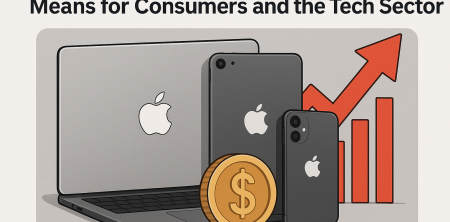
In a surprising yet not entirely unexpected announcement, Apple CEO Tim Cook revealed that the tech giant will be implementing a price increase on its devices. This statement has shocked consumers and investors alike, igniting discussions about the implications of such a move across the tech industry. As one of the world’s most recognizable brands, any shift in Apple’s pricing strategy reverberates widely, making it a topic of significant interest.
1. The Context of the Announcement
Apple's announcement comes amid ongoing economic pressures, including rising inflation and supply chain disruptions. The global semiconductor shortage has particularly affected the tech sector, leading to increased manufacturing costs. As a result, companies like Apple find themselves at a crossroads. Do they absorb the costs, risking profit margins, or do they pass those expenses onto consumers? Cook's decision clearly indicates which path Apple has chosen.
The news of the Apple device price increase is not isolated. It reflects broader trends in consumer technology where companies are feeling the pinch from multiple fronts. From raw material costs to labor shortages, the factors influencing this decision are multifaceted. Understanding the reasoning behind these price hikes can help consumers make informed decisions about future purchases.
2. The Emotional Response from Consumers
When it comes to consumer electronics, price changes often evoke strong emotional reactions. For many, Apple products are not just gadgets; they represent a lifestyle choice, embodying qualities like innovation, status, and reliability. Therefore, when Cook announced the impending price increases, it sparked immediate concern among loyal customers. Will they still be able to afford their favorite devices? Will this trend continue?
Many consumers may feel a sense of urgency to purchase devices before the price hikes take effect. This urgency creates a phenomenon known as 'Fear of Missing Out' (FOMO), leading to a potential surge in sales in the short term. People may rush to acquire the latest iPhone or MacBook, creating an artificial spike in demand. Apple, knowing this, could be banking on a temporary boost in revenue before the price adjustments occur.
3. Understanding the Economics Behind the Price Increase
To understand why Apple is raising prices, it's crucial to examine the economic landscape surrounding the tech industry. Inflation rates have been on the rise, and many economists predict that this trend will continue. According to the Bureau of Labor Statistics, the consumer price index rose by over 5% in 2021. This inflation affects everything from components used in devices to shipping costs, creating a ripple effect through the entire supply chain.
Additionally, tariff pressures on imported goods, particularly from China, exacerbate the situation. As companies navigate these economic challenges, they must decide how to manage their profit margins. Apple's choice to increase device prices can be seen as a strategy to maintain profitability while coping with these escalating costs. This strategic decision aligns with how many other tech firms are responding to similar pressures.
4. Investors' Reactions and Market Implications
News of the Apple device price increase naturally caught the attention of investors, leading to varied reactions. Some view this as a positive move, believing that higher prices could boost revenue and profits in the long run. Others, however, worry that increased prices may deter potential customers, especially in a competitive market filled with alternative options.
The stock market often reacts quickly to news surrounding major players like Apple. Following the announcement, shares experienced slight fluctuations, illustrating the uncertainty surrounding consumer responses to price hikes. Investors are particularly interested in how this will affect Apple’s sales figures in the upcoming quarters, as these numbers will provide insight into whether Cook's strategy is effective.
5. Broader Tech Sector Effects
Apple’s pricing strategy will likely have a cascading effect on the broader technology sector. Other companies may feel pressured to follow suit, either by raising their prices or by reevaluating their product offerings. For instance, if Apple succeeds in maintaining its sales volumes despite higher prices, it could embolden competitors to adopt similar strategies.
On the flip side, if consumers begin to shy away from Apple products due to costs, it could trigger a price war among other manufacturers looking to capture market share. Companies like Samsung, Google, and Microsoft may capitalize on any hesitations consumers exhibit towards Apple, creating an interesting dynamic in the tech marketplace. (See: Apple's pricing strategy and market impact.)
6. The Role of Brand Loyalty in Pricing Decisions
Apple's brand loyalty is a double-edged sword when it comes to pricing. The company's devoted customer base often justifies higher prices due to perceived value and quality. However, this loyalty may be tested as prices rise. The extent to which consumers remain loyal to the brand will play a crucial role in determining the success of price increases.
Research shows that Apple enthusiasts are more likely to tolerate price increases compared to customers of other brands, primarily due to the ecosystem of products and services Apple offers. This ecosystem creates a compelling reason for consumers to stick with the brand, even when prices rise. Yet, with economic conditions evolving, there’s uncertainty around how long this loyalty will endure under financial pressures.
7. Consumer Tips for Navigating Price Increases
As Apple prepares to increase device prices, consumers should consider various strategies to prepare for the changes. Here are some actionable tips:
- Buy Now: If you've been eyeing a new Apple device, it may be wise to purchase it sooner rather than later to avoid higher prices.
- Explore Alternatives: Investigate other brands and options that may offer similar functionalities at a lower price point.
- Stay Informed: Keep an eye on announcements from Apple and other tech companies regarding pricing changes to make educated purchasing decisions.
- Consider Refurbished Options: Look for certified refurbished devices that can offer significant savings while still providing quality performance.
8. Long-Term Consequences of Price Increases
The long-term implications of the Apple device price increase could reshape customer expectations across the tech industry. As consumers become accustomed to higher prices, it may alter their purchasing behavior and affect brand loyalty in unforeseen ways. If customers are willing to accept higher prices, it could lead to a new pricing paradigm, not just for Apple but for the entire technology sector. We covered impact of inflation in more detail.
Additionally, if Apple continues to raise prices, it might attract scrutiny from consumer advocacy groups. There could be calls for transparency regarding why these increases are necessary, especially as the company has consistently reported significant profits. Over time, this could lead to a more competitive landscape where consumers demand more value for their money, pushing companies to innovate more aggressively.
9. Final Thoughts on the Apple Device Price Increase
The announcement of an Apple device price increase has sent shockwaves through consumer electronics, raising questions about the future of pricing in the tech sector. While economic pressures drive this decision, the implications reach far beyond Apple's bottom line. Consumers are left to navigate an uncertain landscape where loyalty, value, and affordability are all in flux.
As you consider your next tech purchase, think critically about how these changes could impact your choices. Whether you decide to stick with Apple or explore alternatives, staying informed and proactive will be key in this evolving market. Ultimately, understanding the reasons behind such significant decisions will empower you to make the best choices for your tech needs.
10. Predicted Price Increases and Their Impact
Analysts are speculating on the extent of the price increases that Apple may implement. Reports suggest that the upcoming iPhone models could see a price increase ranging from $50 to $100, depending on the model and storage options. For example, if the iPhone 14 currently retails at $799, a price jump to $849 or $899 could become a new normal.
This potential price hike isn't limited to just iPhones; other products like the iPad, MacBook, and Apple Watch may experience similar adjustments. This could lead to an overall increase in the average price point for Apple products, affecting how consumers plan their purchases and budget for technology. The impact of these changes will likely be felt most acutely among students and young professionals, who often rely on Apple products for both educational and professional use.
11. Comparative Analysis with Competitors
When faced with price increases, it's useful to compare Apple's approach with that of competitors. Samsung, for instance, has also increased prices on its flagship Galaxy devices but has balanced this with promotional offers and trade-in programs to maintain customer interest. Google has taken a different approach by focusing on delivering value at competitive prices, suggesting that Apple’s premium pricing might push some customers toward alternatives.
As other companies reassess their pricing strategies, the dynamics of brand loyalty may shift. Apple must not only retain its existing customer base but also attract new users amidst rising costs. This comparative analysis reveals that while Apple's brand loyalty is strong, it is not unshakeable, particularly when consumers see viable alternatives at lower price points.
12. Consumer Sentiment and Feedback
Public sentiment regarding Apple's price increase is mixed. Surveys conducted by tech market research firms indicate that while many loyal Apple customers are willing to pay a premium for quality, there is a growing frustration about the escalating prices. A recent survey showed that 65% of respondents feel that Apple products are becoming prohibitively expensive, leading to concerns about accessibility, especially among younger consumers.
Furthermore, feedback on social media platforms highlights a blend of loyalty and dissatisfaction. Many users express their love for the ecosystem but are also vocal about the need for more affordable options. This sentiment could influence Apple's long-term strategy as it grapples with balancing profitability while maintaining consumer trust. (See: Apple's price increase announcement.)
13. Expert Perspectives on Apple's Pricing Strategy
Industry experts offer varied perspectives on Apple's pricing strategy. Some argue that Apple's pricing is justified given the quality and innovation of its products. Others believe that the company risks alienating its core customer base, especially as competing brands offer high-quality alternatives at lower prices.
For instance, renowned tech analyst Ming-Chi Kuo stated that Apple's focus on premium pricing could be a double-edged sword. While it sustains high profit margins, it may hinder market penetration among budget-conscious consumers. Experts suggest that Apple might need to explore more diverse product offerings or flexible pricing models to retain its competitive edge.
14. Frequently Asked Questions (FAQ)
What prompted the price increase for Apple devices?
The price increase is largely attributed to rising manufacturing costs, inflation, and supply chain disruptions affecting the tech industry globally.
Which Apple products will see price increases?
While specific details are pending, analysts predict that iPhones, iPads, MacBooks, and possibly Apple Watch models will experience price hikes.
How much will prices increase on average?
Estimates suggest a price increase of $50 to $100 for various models, but this can vary based on the product line and specifications.
Should I buy an Apple device now or wait?
If you're considering an Apple product, purchasing now may save you money before the increase takes effect. However, researching alternatives is also a wise strategy.
Will this price increase affect Apple's sales negatively?
It's uncertain. Apple has a loyal customer base, but if prices become too high, it could lead to a decrease in sales, particularly among budget-conscious consumers.
What are some alternatives to Apple products in the market?
Alternatives include Samsung Galaxy devices, Google Pixel phones, and various Windows laptops like Dell and HP, which often provide similar functionalities at lower price points. For more on this, see future of electronics trends.
How can I stay updated on Apple’s product announcements and pricing changes?
Following Apple's official website, subscribing to tech news outlets, and engaging with community forums can help you stay informed about the latest updates.
15. Price Increase Trends in the Technology Sector
Apple's decision to raise prices is part of a larger trend in the tech sector where many companies have begun to adjust their pricing strategies. For example, companies like Microsoft and Samsung have also raised prices due to similar economic pressures. According to a recent report from Gartner, 70% of tech companies surveyed are considering or have already implemented price increases in response to supply chain issues and rising costs.
This trend is not limited to high-end products. Even budget brands are feeling the pressure to raise prices, which indicates a widespread shift in consumer technology pricing. As inflation continues to affect the global economy, consumers may need to adjust their expectations regarding tech budgets. (See: Impact of economic factors on technology pricing.)
16. The Role of Subscription Services in Apple's Revenue Strategy
As Apple increases the prices of its hardware, it’s important to consider how its ecosystem of subscription services, such as Apple Music, Apple TV+, and iCloud, plays into its overall revenue strategy. These services not only provide a steady stream of income but also enhance customer loyalty, encouraging users to remain within the Apple ecosystem despite higher device costs.
Recent reports indicate that Apple’s services segment has seen significant growth, with revenues jumping by 20% year-over-year. This growth may provide Apple with more leeway to implement price increases on physical products, as the company can offset some of the consumer backlash with its strong services revenue. By enhancing its service offerings and bundling products, Apple can maintain its user base even amidst rising device costs.
17. How Will Customers React? Consumer Behavior Insights
Understanding consumer behavior in response to pricing changes is crucial for predicting the impact of Apple’s decision. A study conducted by Nielsen indicates that 56% of consumers are willing to pay more for premium brands if they see added value through features or services. This suggests that Apple’s loyal customers, who already see value in the brand, may be more likely to accept price hikes—at least initially.
However, another segment of consumers, particularly younger buyers, may start to explore alternatives if they feel the price increases are unjustified. This is especially relevant given the rise of social media influence on consumer behavior. Many young consumers seek opinions and reviews from their peers online before making a purchase, and any negative sentiment about Apple's pricing could spread rapidly, affecting brand perception.
18. Future Projections: Will Price Increases Become the Norm?
Given the current economic climate, it’s difficult to determine whether Apple's price increases will be a temporary measure or a new standard. Industry analysts suggest that if inflation remains high and supply chain issues persist, consumers may need to acclimate to higher prices across the board. This could lead to a re-evaluation of how consumers perceive value in technology products, potentially shifting the landscape of the tech market.
Additionally, as new competitors enter the market and existing brands innovate, Apple may face increasing pressure to justify its premium pricing. If consumers start to prioritize value over brand loyalty, Apple could find itself needing to adapt its pricing strategy more dynamically to stay relevant.
19. Conclusion: Navigating a Changing Tech Landscape
The announcement of an Apple device price increase has sent shockwaves through consumer electronics, raising questions about the future of pricing in the tech sector. While economic pressures drive this decision, the implications reach far beyond Apple's bottom line. Consumers are left to navigate an uncertain landscape where loyalty, value, and affordability are all in flux.
As you consider your next tech purchase, think critically about how these changes could impact your choices. Whether you decide to stick with Apple or explore alternatives, staying informed and proactive will be key in this evolving market. Ultimately, understanding the reasons behind such significant decisions will empower you to make the best choices for your tech needs.
```
Trending Now
Frequently Asked Questions
Why is Apple increasing device prices?
Apple is increasing device prices due to ongoing economic pressures, including rising inflation and supply chain disruptions. The global semiconductor shortage has particularly raised manufacturing costs, prompting the company to pass some of these expenses onto consumers rather than absorbing them.
How will the price increase affect Apple consumers?
The price increase may lead to heightened consumer concern about affordability and accessibility of Apple products. Loyal customers might feel pressured to purchase devices before the hike, fearing they won't be able to afford their favorite gadgets in the future.
What does this price increase mean for the tech industry?
Apple's price increase signals broader trends in the tech industry, indicating that other companies may follow suit due to rising costs from raw materials and labor shortages. This shift could impact consumer behavior and market competition.
When will the new Apple device prices take effect?
While the exact date for the new Apple device prices has not been specified, consumers should stay alert for announcements from Apple regarding when these increases will officially take effect.
What should consumers do in response to the price hike?
Consumers concerned about the price increases should consider purchasing their desired Apple devices sooner rather than later. Staying informed about upcoming product releases and pricing changes can help them make better purchasing decisions.
Agree or disagree? Drop a comment and tell us what you think.

