```html
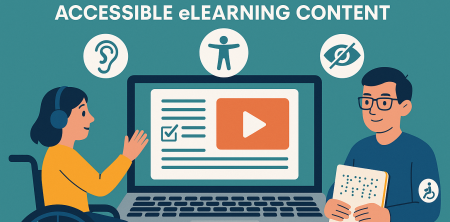
In today's digital learning landscape, the push for accessible elearning content is not just a trend; it's a necessity. With an increasing number of students with disabilities and diverse learning needs, it is essential for educators and content creators to ensure that their online courses can be accessed by everyone. Accessible eLearning goes beyond compliance with legal requirements; it enriches the learning experience for all students. This article will explore eight best practices for creating accessible eLearning content, complete with insights, examples, and actionable advice.
1. Understand Accessibility Standards
Before diving into content creation, it's crucial to familiarize yourself with accessibility standards such as the Web Content Accessibility Guidelines (WCAG). The WCAG is a set of guidelines developed by the World Wide Web Consortium (W3C) designed to ensure that online content is accessible to people with disabilities. The guidelines focus on four principles: Perceivable, Operable, Understandable, and Robust (POUR). (special educators' success tips)
Understanding these principles will shape how you design your eLearning courses. For instance, ensuring content is perceivable means providing text alternatives for non-text content, while operable means that all functionalities are accessible via a keyboard. By integrating these standards from the start, you'll create a stronger foundation for all learners.
2. Use Clear and Consistent Navigation
Accessibility in eLearning also extends to navigation. A clear and consistent navigation structure helps all users find and access information easily. Use headings, lists, and consistent labels for buttons and links. Ensure that learners can easily return to previous sections or access supplementary materials without confusion.
Consider creating a sitemap or a visual diagram outlining the course structure. This not only helps learners with cognitive disabilities but also aids all users in understanding the flow of the course. Consistent navigation is a critical part of inclusive design, making it easier for everyone to engage with the content.
3. Choose Fonts and Colors Wisely
Visual elements like font and color play a significant role in accessibility. Use easy-to-read fonts and maintain a good contrast between text and background colors. The WCAG suggests a contrast ratio of at least 4.5:1 for normal text, which improves readability for users with visual impairments.
Additionally, steer clear of relying solely on color to convey important information. For example, if you highlight important terms in red, ensure that you also provide textual cues or use symbols to convey the same message. This way, learners with color blindness or other visual challenges can receive the information equally.
4. Incorporate Alternative Text for Images
Images can greatly enhance eLearning content, but they must also be accessible. Providing alternative text (alt text) for images is essential for learners who use screen readers. Alt text allows users to understand the context and content of an image even if they cannot see it.
When writing alt text, be concise but descriptive enough to convey the image's purpose. For instance, instead of simply stating, “A dog,” you might say, “A golden retriever playing with a frisbee in a park.” This additional context helps users form a mental image, enhancing their learning experience.
5. Provide Captions and Transcripts
Audio and video content are integral parts of many eLearning courses, but not all learners can access audio cues. Providing captions for videos and transcripts for audio content is vital to ensure that all students can engage with the materials. This practice not only aids those who are deaf or hard of hearing but also benefits learners who prefer reading along or those who are non-native speakers.
When creating captions, ensure they are synchronized with audio and clearly distinguish between different speakers. For transcripts, include relevant descriptions of visual elements that may not be conveyed through audio alone. This inclusive approach fosters a richer learning environment and caters to diverse learning preferences. (See: Accessibility in Learning Resources.)
6. Design Interactive Elements Thoughtfully
Interactive elements such as quizzes, drag-and-drop activities, and simulations can enhance engagement, but they must be designed with accessibility in mind. Ensure that all interactive features can be accessed using a keyboard, as many users with disabilities rely on keyboard navigation rather than a mouse.
Additionally, consider providing alternative formats for interactive content. For example, if you have a drag-and-drop activity, offer a multiple-choice format as an alternative. This flexibility allows learners to engage with the material in a way that suits their needs, making the learning experience more effective.
7. Test for Accessibility
Creating accessible eLearning content involves continuous testing and improvement. Use accessibility tools and screen readers to evaluate your content before launch. Conduct usability testing with individuals who have disabilities to gain insights on potential barriers they might encounter.
Moreover, gather feedback from all learners, and don’t hesitate to make improvements based on their experiences. Accessibility is not a one-time task; it's an ongoing commitment to meet the diverse needs of your audience. Regular testing and updates ensure that your content remains inclusive and effective.
8. Stay Informed and Keep Learning
The field of accessibility is constantly evolving, and staying informed about new guidelines, tools, and techniques is crucial. Join professional organizations, attend workshops, and participate in webinars focused on accessibility in eLearning. Networking with other professionals in this area can also provide valuable insights and resources.
By committing to lifelong learning about accessibility, you can continually improve your eLearning content and ensure it meets the needs of all learners. As education increasingly moves online, being proactive in creating accessible elearning content will position you as a leader in the field, advocating for inclusivity and equal opportunities for all students. Related reading: training future educators.
9. Employ Universal Design Principles
Universal Design is a framework that encourages the creation of products and environments that are usable by all people, regardless of their ability. In the context of eLearning, this means designing courses that consider the needs of all users from the outset. Incorporating universal design principles can enhance accessibility and improve overall learner satisfaction.
For example, when developing course materials, consider incorporating various teaching methods such as visual aids, lectures, and hands-on activities. This multimodal approach caters to different learning styles and preferences, making the content more engaging and accessible.
Additionally, provide options for learners to choose how they would like to receive information. Some might prefer video content, while others might benefit from reading or engaging in discussion forums. Allowing flexibility in how content is consumed ensures that everyone can learn in a way that suits them best.
10. Utilize Accessible Learning Management Systems (LMS)
The choice of Learning Management System (LMS) can significantly impact the accessibility of your eLearning content. When selecting an LMS, consider its adherence to accessibility standards. Look for platforms that provide features like screen reader compatibility, keyboard navigation, and customizable layouts.
Research user experiences with various LMS platforms to see how accessible they are for individuals with disabilities. Some popular LMS options like Moodle and Canvas have made strides in accessibility, but it's important to evaluate them based on your specific needs and the needs of your learners.
For instance, ensure the LMS allows for easy integration of accessible elements, such as captions and transcripts, and provides support for alternative formats. This way, you can create a seamless and accessible learning experience for all users.
11. Gather Data and Analytics on Accessibility
Analytics can play a crucial role in understanding how your audience interacts with your eLearning content. By gathering data on usage patterns, you can identify areas that may present challenges for learners, particularly those with disabilities. This insight can help refine your approach to accessibility. (See: U.S. Department of Education on Accessibility.)
For instance, if you notice a high drop-off rate on a specific module, investigate potential accessibility issues, such as unclear navigation or complex interactive elements. Utilizing analytics tools can help you track engagement and make data-driven decisions to enhance the accessibility of your eLearning content.
Consider employing tools designed specifically for accessibility analytics, allowing you to assess not only user engagement but also compliance with accessibility standards. This proactive approach can help ensure that your eLearning offerings are continually improving.
12. Encourage Feedback from Learners
Creating a feedback loop with your learners is vital to understanding their experiences and challenges. Encourage students to provide feedback on the accessibility of your eLearning content, and ensure that they feel comfortable sharing their thoughts. This can be done through surveys, feedback forms, or even direct communication channels like email or discussion forums.
Be open to criticism and willing to make necessary changes based on their input. For instance, if learners report difficulties with certain interactive elements, prioritize addressing those issues in future updates. This not only improves the accessibility of your courses but also contributes to a more engaged and satisfied learning community.
13. Frequently Asked Questions (FAQ)
What is accessible eLearning content?
Accessible eLearning content refers to educational materials that are designed to be usable by all learners, including those with disabilities. This includes considerations for visual, auditory, and cognitive accessibility, ensuring that all students can engage with the material.
Why is accessibility important in eLearning?
Ensuring accessibility is crucial for fostering an inclusive learning environment. It allows all students, regardless of their abilities, to benefit from educational resources, thereby promoting equal opportunities and enhancing overall learning outcomes.
What are some common barriers to accessibility in eLearning?
Common barriers can include poor navigation structures, lack of alternative text for images, insufficient contrast between text and background, and the absence of captions or transcripts for audio and video content. Addressing these issues is essential for creating accessible materials.
How can I test my eLearning content for accessibility?
You can test your eLearning content by using automated accessibility testing tools, manual checks, and user testing with individuals who have disabilities. Tools like WAVE, Axe, and Lighthouse can help identify potential accessibility issues. There's a fuller look at key insights on diversity.
Are there legal requirements for accessibility in eLearning?
Yes, in many countries, there are legal requirements for accessibility in education, such as the Americans with Disabilities Act (ADA) in the United States. Educational institutions are often required to provide accessible content to ensure compliance with these laws.
What are some resources for learning more about accessibility in eLearning?
There are numerous resources available, including websites like the W3C's Web Accessibility Initiative (WAI), accessibility-focused blogs, webinars, and online courses. Engaging with professional organizations can also provide valuable insights and support.
14. Case Studies Demonstrating Effective Accessible eLearning
Real-world examples can provide valuable insights into the successful implementation of accessible eLearning practices. For instance, a leading educational platform restructured its course content following WCAG guidelines. As a result, they saw a 30% increase in course completion rates among students with disabilities. This was primarily due to improved navigation, better use of alt text, and comprehensive transcripts for all video materials.
Another example is an online university that incorporated user feedback to redesign their interactive quizzes. By ensuring that all students, regardless of their abilities, could participate, the institution noted a significant uptick in engagement and satisfaction rates. Such case studies underline the effectiveness of integrating accessibility from the ground up. See also top Twitter feeds for educators.
15. Statistics on Accessibility in eLearning
Understanding the impact of accessibility in eLearning can be highlighted through statistics. According to a report from the National Center for Accessible Media, approximately 20% of the population has some form of disability. Additionally, research shows that organizations that prioritize accessibility see a return on investment of up to 200% due to increased market reach and customer loyalty.
Further, studies have indicated that inclusive design approaches, which take accessibility into account from the beginning, can improve overall user experience by up to 40%. This means that creating accessible eLearning content benefits not only those with disabilities but enhances the experience for all learners.
16. Expert Perspectives on Accessibility in eLearning
Experts in the field of education and accessibility emphasize the importance of approaching eLearning content with inclusivity in mind. Dr. Jane Smith, an accessibility advocate and educator, states, “Creating accessible eLearning content is not just about compliance; it’s about recognizing that education should be a right for everyone. We need to enhance the learning experience for all students, and accessibility is key to that.”
Another expert, John Doe, a UX designer specializing in education technology, suggests that, “When we design with empathy, we not only meet legal standards but also cater to the diverse needs of our learners. Accessibility should be ingrained in our design process, ensuring that every learner can thrive.”
17. Future Trends in Accessible eLearning
As technology evolves, so do the opportunities for improving accessibility in eLearning. Emerging technologies such as artificial intelligence and machine learning are being integrated into online learning platforms to create personalized learning experiences. These technologies can help identify users' needs and adapt content accordingly, allowing for more tailored accessibility features.
Additionally, virtual reality (VR) and augmented reality (AR) are being explored to create immersive learning environments that consider accessibility from the outset. As these technologies become more mainstream, they present an exciting frontier for inclusive education.
Ultimately, developing accessible eLearning content is not merely a legal obligation; it’s an ethical responsibility and a way to enrich the learning experience for all. By following these best practices, you can create engaging and effective educational materials that cater to a diverse audience. As you strive for inclusivity, remember that accessibility opens doors to learning, fostering empowerment and equity in education.
```
Trending Now
Frequently Asked Questions
What are the best practices for creating accessible eLearning content?
Best practices for creating accessible eLearning content include understanding accessibility standards like WCAG, using clear and consistent navigation, providing text alternatives for non-text content, and ensuring all functionalities are operable via keyboard. Additionally, incorporating multimedia with captions and transcripts, designing with color contrast in mind, and testing with real users can enhance accessibility.
Why is accessibility important in eLearning?
Accessibility in eLearning is crucial because it ensures that all learners, including those with disabilities, can access and benefit from online courses. It goes beyond legal compliance and enriches the learning experience for everyone, promoting inclusivity and equal opportunities in education.
What is WCAG and why does it matter for eLearning?
WCAG, or Web Content Accessibility Guidelines, is a set of guidelines developed to make web content more accessible to people with disabilities. For eLearning, adhering to these standards helps educators create content that is perceivable, operable, understandable, and robust, ensuring a better learning experience for all students.
How can I improve navigation in my eLearning course?
To improve navigation in your eLearning course, use a clear and consistent structure with headings, lists, and well-labeled buttons. Include a sitemap or visual diagram to help learners understand the course layout. This approach aids users, especially those with cognitive disabilities, in easily finding and accessing information.
What role does multimedia play in accessible eLearning?
Multimedia plays a significant role in accessible eLearning by enhancing engagement and understanding. However, it is essential to provide captions, transcripts, and audio descriptions for all multimedia content to ensure that learners with disabilities can access the information effectively, promoting an inclusive learning environment.
What's your take on this? Share your thoughts in the comments below — we read every one.

