```html
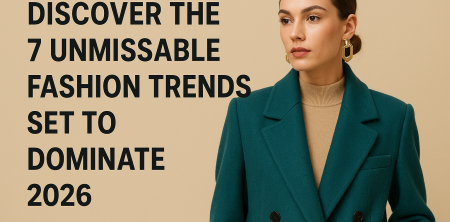
The fashion industry is on the brink of a transformative shift, with 2026 fashion trends poised to redefine what we wear and how we shop. As the landscape evolves, several key themes emerge, pointing towards a future that prioritizes sustainability, personalized styles, and the integration of technology. Understanding these trends not only helps consumers navigate their wardrobe choices but also allows brands to adapt and thrive in an ever-changing marketplace. Here are the top seven 2026 fashion trends that are not to be missed.
1. Sustainable Materials: The Fabric of Tomorrow
One of the most significant shifts in the fashion industry is the increasing demand for sustainable materials. As consumers become more environmentally conscious, brands are responding by incorporating innovative and eco-friendly materials into their collections. From organic cotton and recycled polyester to mushroom leather and biodegradable fabrics, the options are expanding rapidly.
The adoption of sustainable materials is not just a fad; it is becoming a standard expectation among consumers. A survey by McKinsey & Company found that 67% of consumers consider sustainability when making clothing purchases. This trend is expected to grow in importance as more individuals seek to align their fashion choices with their values. As a result, brands that prioritize sustainability will likely gain a competitive edge, resonating with a growing base of conscious consumers.
Furthermore, some brands are exploring the concept of closing the loop with circular fashion, where materials are designed to be recycled indefinitely. For example, brands like Pangaia are developing fabrics made from recycled materials that can be returned at the end of their life cycle for repurposing. The rise of biodegradable materials, such as those made from seaweed or corn, also indicates a significant shift toward reducing environmental impact. This holistic approach to sustainability will likely shape consumer expectations moving forward.
2. AI-Driven Commerce: The Future of Shopping
The integration of artificial intelligence (AI) in the fashion industry is transforming how we shop. From personalized recommendations to virtual fitting rooms, AI is enhancing the shopping experience in ways that were unimaginable just a few years ago. Retailers are using AI algorithms to analyze consumer preferences, leading to tailored suggestions that cater specifically to individual tastes and needs.
Moreover, AI technology can streamline inventory management and supply chain logistics, reducing waste and ensuring that popular items are readily available. According to a report by Business of Fashion, brands leveraging AI have seen an increase in customer satisfaction and retention rates. As we move toward 2026, expect AI to play an even more significant role in how we discover, select, and purchase clothing, making the shopping experience more efficient and enjoyable.
Additionally, AI is being utilized for trend forecasting, enabling brands to identify emerging styles and consumer preferences before they become mainstream. The ability to predict trends can allow companies to align their product offerings with consumer interests, minimizing excess inventory and boosting sales. As the technology evolves, we may see even more sophisticated applications of AI in fashion ecommerce, improving user experience through hyper-personalization.
3. Personal Style and Individuality: Celebrating Unique Identities
As the fashion landscape evolves, there is a notable shift toward personal style and individuality. Gone are the days of one-size-fits-all fashion; consumers now seek clothing that reflects their unique identities and personal narratives. This trend is fueled by the rise of social media platforms, where users showcase their styles, creating a culture that values authenticity over conformity.
Brands are beginning to recognize the importance of catering to diverse aesthetics and body types. Customization options, such as made-to-order garments and personalized fittings, are becoming more prevalent, allowing consumers to express their individuality through fashion. This embrace of diversity not only empowers consumers but also fosters a deeper connection between brands and their audiences.
The emergence of digital fashion influencers who promote unique styles on platforms like Instagram and TikTok is also paving the way for brands to explore new creative expressions. Collaborations with micro-influencers from various backgrounds enable brands to reach niche markets and create collections that resonate more deeply with consumers. In 2026, the focus on individuality will be reinforced by brands’ commitments to inclusivity, as they expand size ranges and celebrate cultural differences in design. (See: Health and the Environment.)
4. The Longevity Movement: Quality Over Quantity
With the damaging effects of fast fashion becoming increasingly evident, the longevity movement is gaining momentum within the industry. Consumers are beginning to prioritize quality over quantity, opting for timeless pieces that can withstand seasonal trends. This shift is rooted in a desire for sustainable consumption and a reduction in clothing waste.
Brands are responding to this demand by emphasizing craftsmanship and durability. High-quality fabrics and artisanal techniques are being highlighted, ensuring that garments not only look good but also last longer. In 2026, expect to see a rise in brands championing the longevity movement, encouraging consumers to invest in pieces that are built to last rather than disposable fashion that quickly goes out of style.
Statistics show that consumers are willing to pay more for sustainable and long-lasting products, with a survey from Nielsen indicating that 73% of millennials would pay more for sustainable goods. This willingness to invest in quality is pushing brands to innovate their supply chains and sourcing methods to ensure transparency and ethical practices, further appealing to conscientious consumers. As this trend continues to evolve, expect to see the emergence of repair services and reselling platforms as part of a comprehensive approach to fashion sustainability.
5. Digital Fashion and Virtual Experiences: Fashion Goes Virtual
The digital realm is influencing the fashion industry in unprecedented ways, particularly through the rise of digital fashion. With the growth of virtual reality (VR) and augmented reality (AR), brands are exploring new avenues for showcasing their collections. Virtual fashion shows and digital clothing are becoming more mainstream, allowing consumers to engage with fashion in innovative ways.
Digital fashion also offers a sustainable alternative to traditional clothing. By creating virtual garments, brands can reduce waste and carbon footprints significantly. Additionally, as the metaverse continues to evolve, expect virtual fashion to play an essential role in how individuals express themselves online. The fusion of fashion and technology is set to reshape the industry, offering exciting new experiences for consumers.
Leading brands are already experimenting with augmented reality applications that allow consumers to try on clothes virtually from the comfort of their homes. Companies like Gucci and Balenciaga have introduced digital clothing collections that can be worn in virtual environments or social media, appealing to tech-savvy customers. Furthermore, collaborations with gaming platforms and the creation of digital-only apparel signify a shift where fashion can exist independently of physical constraints, fostering creativity and limitless possibilities.
6. Cultural Influences and Global Inspiration: Fashion Without Borders
As the world becomes more interconnected, cultural influences are increasingly shaping fashion trends. Designers are drawing inspiration from diverse cultures and traditions, creating collections that celebrate global diversity. This cross-cultural exchange not only enriches the fashion landscape but also promotes inclusivity and respect for different heritage.
In 2026, expect to see collections that blend various cultural elements, from patterns and colors to styles and silhouettes. This trend highlights the importance of storytelling in fashion, as brands seek to honor and represent the cultures that inspire them. As consumers become more aware of and appreciative of these influences, the demand for culturally rich and authentic designs will only grow.
Brands like Dior and Stella McCartney have been known to collaborate with artisans from different cultures, integrating traditional craftsmanship with contemporary design. This commitment to cultural inclusivity not only expands the aesthetic palette of fashion but also supports local economies and preserves unique cultural expressions. As consumers increasingly advocate for ethical representation, brands will have to navigate cultural appropriation versus appreciation, making authenticity a priority in their design philosophy.
7. Mindful Curation: The Rise of Thoughtful Consumption
The concept of mindful curation is gaining traction among consumers, who are becoming more selective about their clothing choices. Instead of impulse buying, individuals are taking a more thoughtful approach, considering how each piece fits into their overall wardrobe and aligns with their values. This trend is closely tied to the sustainability movement, as consumers seek to curate wardrobes that reflect their personal style while minimizing their environmental impact.
Brands are responding by promoting capsule collections and timeless pieces that encourage consumers to invest in versatile wardrobes. Additionally, educational initiatives that inform shoppers about the environmental and social impacts of their purchases are becoming more common. As we look to 2026, the emphasis on mindful curation will continue to shape consumer behavior and influence brand strategies.
Moreover, platforms that facilitate clothing swaps and rentals are becoming increasingly popular, allowing consumers to refresh their wardrobes without contributing to fast fashion waste. Research from ThredUp indicates that the second-hand market is expected to grow to $64 billion in the next five years, reflecting a shift in consumer attitudes toward ownership and sustainability. This trend signifies a fundamental change in how we view fashion, moving away from possession towards accessibility and shared experiences. (See: Sustainable Practices for Health.)
8. Technological Innovations in Fabrication: The Rise of Smart Textiles
As technology continues to advance, smart textiles are emerging as a pivotal trend in the fashion industry. These fabrics can respond to environmental stimuli — such as temperature, moisture, and even light — making them not only functional but also versatile for various applications. In 2026, we can expect to see an increased presence of these high-tech materials in mainstream fashion.
Brands are integrating technology into fabric design, creating garments that can adapt to the wearer's needs. For example, Nike has developed self-lacing shoes that adjust to the wearer's foot for comfort, and companies like Under Armour are exploring moisture-wicking fabrics that change depending on body temperature. This innovation will likely inspire new product categories and reimagine traditional clothing, blending fashion with utility.
Additionally, smart textiles may play a role in health monitoring. Clothing embedded with sensors can track vital signs and physical activity, providing consumers with real-time feedback about their health. This convergence of fashion and health technology is not only practical but also represents a new wave of personalization, allowing individuals to wear clothing that actively contributes to their well-being.
9. Health and Wellness in Fashion: The Comfort Revolution
As society continues to prioritize mental and physical well-being, the fashion industry is responding with a focus on comfort and functionality. The pandemic has drastically altered consumers' views on clothing, shifting preferences towards items that combine style with comfort. Athleisure, loungewear, and multifunctional clothing are expected to dominate the 2026 fashion landscape.
Luxury brands are recognizing the importance of this trend, leading to the emergence of high-end loungewear that maintains style without sacrificing comfort. Designers like Ralph Lauren and Brunello Cucinelli are creating collections that prioritize softness, stretch, and breathability. Additionally, as people spend more time at home, the demand for adaptable clothing that transitions from home to outdoor settings will only grow.
Moreover, brands are beginning to incorporate wellness elements into their collections, such as garments made from antimicrobial fabrics or those infused with aromatherapy. This holistic approach to clothing highlights the connection between our wardrobe choices and overall wellness, paving the way for a future where fashion is not only about aesthetics but also about enhancing quality of life.
10. Frequently Asked Questions (FAQ)
What are the top fashion trends expected in 2026?
The top fashion trends for 2026 include sustainable materials, AI-driven commerce, personalization of styles, the longevity movement, digital fashion, cultural influences, mindful curation, smart textiles, a focus on health and wellness, and an emphasis on individuality.
How is AI influencing the fashion industry?
AI is reshaping the fashion industry by providing personalized shopping experiences, optimizing inventory management, and enhancing trend forecasting. It enables brands to tailor recommendations and improve customer satisfaction, making the shopping process more efficient and targeted.
What is the longevity movement in fashion?
The longevity movement emphasizes the importance of investing in high-quality, timeless pieces rather than fast fashion items. It encourages consumers to prioritize durability and craftsmanship, reducing waste and promoting sustainable consumption practices.
How are cultural influences shaping fashion trends?
Cultural influences enrich the fashion landscape by incorporating diverse aesthetics and traditions into collections. Designers are increasingly drawing from various cultures, promoting inclusivity and respect, while also celebrating global diversity. (See: The Rise of Sustainable Fashion.)
What role does technology play in the future of fashion?
Technology plays a critical role in the future of fashion by enabling smart textiles, enhancing shopping experiences through AR and VR, and facilitating digital fashion. Innovations in technology are expected to drive significant changes in how we engage with and consume fashion.
Why is mindful curation important in fashion?
Mindful curation encourages consumers to make thoughtful choices about their clothing, reflecting personal values and contributing to sustainability. It promotes a focus on quality over quantity and minimizes the impact of fast fashion on the environment.
11. Emerging Fashion Markets: Opportunities in Unexplored Territories
As the fashion landscape in established markets becomes saturated, brands are increasingly looking towards emerging markets for growth. Regions such as Southeast Asia, South America, and Africa are seeing a rise in disposable income and a growing middle class, which presents significant opportunities for fashion brands. The demand for fashionable and affordable clothing is expanding, driven by younger populations eager to express their style.
For instance, in countries like Nigeria and Kenya, local designers are gaining international recognition, and their unique styles are influencing global fashion. As these markets mature, we can anticipate trends that reflect local cultures and preferences, creating a rich tapestry of fashion that is both diverse and innovative. Brands that adapt their strategies to include localized designs and culturally relevant marketing will likely find success in these burgeoning markets.
12. Fashion Sustainability Metrics: Measuring Impact
With sustainability becoming a key focus in the fashion industry, brands are increasingly held accountable for their environmental and social impact. Metrics and certifications are being developed to help consumers make informed choices. Organizations like the Global Organic Textile Standard (GOTS) and the Sustainable Apparel Coalition's Higg Index provide frameworks for assessing the sustainability of fashion products.
In 2026, we can expect brands to adopt more transparent reporting practices, showcasing their sustainability credentials and progress toward ethical production. Consumers are becoming more savvy; they want to know the story behind their clothing. Therefore, brands that transparently communicate their sustainability efforts may build stronger loyalty among consumers who prioritize ethical and environmentally friendly practices.
Conclusion: Embracing the Future of Fashion
The 2026 fashion trends represent a pivotal moment in the industry, characterized by sustainability, personalization, and technological advancements. As consumers increasingly demand mindful and meaningful choices, brands must adapt to meet these evolving expectations. By embracing sustainable materials, AI-driven commerce, and cultural diversity, the fashion world is poised for a bright future that prioritizes individuality and responsible consumption. As we step into this new era, let us celebrate the creativity and innovation that fashion brings while remaining conscious of its impact on the planet and society.
```
Trending Now
Frequently Asked Questions
What are the top fashion trends for 2026?
The top fashion trends for 2026 include sustainable materials, personalized styles, and the integration of technology. Brands are focusing on eco-friendly fabrics, such as organic cotton and recycled polyester, while also adapting to consumer demands for unique, tailored fashion choices.
How is sustainability changing the fashion industry?
Sustainability is transforming the fashion industry by increasing the demand for eco-friendly materials. Brands are adopting sustainable practices, such as using biodegradable fabrics and exploring circular fashion, where materials can be recycled indefinitely, aligning with consumer values.
What materials are considered sustainable in fashion?
Sustainable materials in fashion include organic cotton, recycled polyester, mushroom leather, and biodegradable fabrics. These materials are gaining popularity as consumers become more environmentally conscious and seek to make ethical fashion choices.
Why is personalized fashion important in 2026?
Personalized fashion is important in 2026 as consumers increasingly seek unique styles that reflect their identity. This trend encourages brands to offer customized options, allowing individuals to express their personal taste in a rapidly evolving marketplace.
What role does technology play in future fashion trends?
Technology plays a crucial role in future fashion trends by enabling brands to innovate their designs and improve shopping experiences. This includes the use of AI for personalized recommendations and advancements in sustainable fabric production, enhancing both style and sustainability.
Agree or disagree? Drop a comment and tell us what you think.

