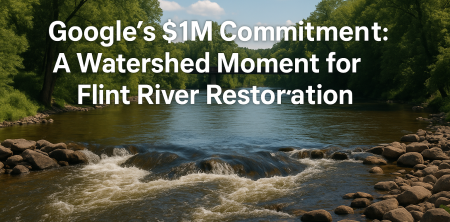
```html
Introduction
Water is life, and for the communities surrounding the Flint River watershed in south Georgia, it’s also a significant part of their heritage and future. Recently, tech giant Google stepped up with a remarkable $1 million donation aimed at restoring this vital watershed, linking corporate responsibility to grassroots environmental initiatives. This story resonates not only locally but also taps into broader discussions about corporate involvement in environmental sustainability.
The Flint River Watershed: A Critical Ecosystem
The Flint River watershed spans a considerable area within Georgia, covering regions that are economically and ecologically significant. This watershed is a critical source of drinking water for local communities and supports diverse wildlife. However, like many water systems across the U.S., the Flint River has faced challenges such as pollution, agricultural runoff, and the effects of climate change, which contribute to decreasing water quality and availability.
Historically, the Flint River has been a lifeline for agriculture and recreation. The river flows for approximately 349 miles and is one of the longest rivers in Georgia. It feeds into the Gulf of Mexico and provides essential water resources for irrigation and fishing. Unfortunately, as drought conditions become more frequent and severe due to climate change, the health of this watershed is increasingly at risk.
Google’s Investment: Real Change or PR Stunt?
Google's sizable donation to the Flint River watershed restoration project has sparked conversations about the role of corporations in environmental conservation. At first glance, a $1 million grant from a tech behemoth seems like a significant commitment. Yet, many critics question whether such contributions translate into meaningful impact or are merely public relations maneuvers designed to enhance the company's image.
As communities grapple with water scarcity, discussions evolve around the effectiveness of corporate philanthropy in addressing these pressing environmental concerns. Are companies like Google genuinely invested in ecological restoration, or are they simply leveraging the urgency of climate action to polish their public persona? The challenge lies in measuring the efficacy and sustainability of such initiatives against a backdrop of ongoing environmental degradation.
Community Response: A Mixed Bag
The local reaction to Google’s donation has been largely positive, with many community leaders expressing gratitude for the tech giant’s support. They recognize that large-scale projects often require substantial funding and resources that are typically beyond the capabilities of small municipalities and nonprofit organizations.
However, as excitement builds, there are also voices of skepticism. Some community members worry that the influx of corporate money might come with strings attached, potentially sidelining local voices in favor of corporate interests. The concern is not unfounded; history has shown that corporate investments can sometimes lead to outcomes that prioritize profit over community welfare.
Restoration: What Will the Funds Achieve?
So, what exactly will Google’s $1 million do for the Flint River watershed restoration? The funds are earmarked for a variety of conservation efforts, including improving water quality, restoring habitats, and re-establishing native vegetation along the riverbanks. These activities are critical for combating erosion and reducing runoff, which can carry pollutants into the water.
Furthermore, the project aims to enhance recreational opportunities, promoting tourism and outdoor activities that can economically benefit the local community. By investing in the health of the river, the hope is to create a sustainable environment that supports both ecological balance and economic growth.
The Role of Technology in Environmental Restoration
Google's involvement in the Flint River watershed restoration project opens a fascinating discourse about the intersection of technology and environmentalism. Technology can play a transformative role in conservation efforts, from utilizing data analytics to monitor water quality to employing geographic information systems (GIS) for managing land use. (See: Watershed protection information.)
Innovative solutions, such as remote sensing and drone technology, can provide valuable insights into the health of watersheds. Implementing these technologies could facilitate more effective restoration strategies, allowing stakeholders to respond proactively to changes in the ecosystem. This synergy between technology and environmental stewardship may set a precedent for future collaborations.
Long-Term Benefits: A Sustainable Future
While immediate results from the Flint River watershed restoration are essential, it’s the long-term benefits that can truly transform the region. By improving water quality, restoring habitats, and creating a more resilient ecosystem, the initiative is poised to provide a multitude of advantages for the local community.
Healthier watersheds contribute to cleaner drinking water, which can reduce public health risks associated with waterborne diseases. Furthermore, by enhancing biodiversity, the project supports local wildlife populations and promotes ecological balance. Such efforts not only foster a more vibrant natural environment but also ensure that future generations have access to clean water and healthy ecosystems.
Corporate Accountability: A Call for More Engagement
The issue of corporate accountability in environmental initiatives is crucial. Google’s donation is a step in the right direction, yet it raises the question of how other corporations can follow suit. With many companies making commitments to sustainability, it’s vital for them to engage authentically with local communities and stakeholders.
Transparency is key. Companies should regularly report on the outcomes of their initiatives, ensuring that their contributions lead to tangible improvements. Engaging communities in decision-making processes can help align corporate goals with local needs, paving the way for more sustainable and impactful environmental practices.
Integrating Community Input: Best Practices
Effective watershed restoration often hinges on local engagement. Community input can guide restoration efforts to ensure they are aligned with the needs and desires of residents. For instance, holding town hall meetings or workshops allows citizens to voice their concerns and offer suggestions. This approach not only fosters community ownership but also strengthens the overall impact of projects.
Best practices in community engagement can include forming advisory boards comprising local residents, environmental experts, and stakeholders. These boards can help in shaping strategies that are culturally relevant and environmentally sound. Such collaborative efforts can lead to more effective projects, as they incorporate local knowledge about the ecosystem and the challenges it faces.
Funding Sources Beyond Google: The Bigger Picture
While Google's involvement is commendable, relying solely on one corporate donor for the Flint River watershed restoration could limit the scope of the project. Diversifying funding sources is crucial for sustaining long-term restoration efforts. Grants from federal and state agencies, local fundraising initiatives, and partnerships with nonprofits can create a more robust financial foundation for the project.
For example, the Environmental Protection Agency (EPA) offers various grants aimed at improving water quality and restoring natural habitats. Additionally, community crowdfunding campaigns could provide smaller contributions from individuals passionate about environmental conservation. By aggregating funds from multiple sources, the project can secure the resources needed for comprehensive and sustained restoration efforts.
Measuring Success: Metrics and Milestones
Establishing clear metrics and milestones is essential for evaluating the success of restoration efforts in the Flint River watershed. Determining specific, measurable goals allows stakeholders to track progress and make necessary adjustments throughout the project's lifespan. Key performance indicators (KPIs) may include improvements in water quality, increases in native biodiversity, and enhanced recreational usage of the river. (See: Research on water quality and ecosystems.)
Regular monitoring and assessments should be conducted to evaluate these metrics. Engaging local universities and environmental organizations in research initiatives can provide valuable data, allowing for a comprehensive understanding of the watershed's health over time. Transparency in reporting this data can foster trust within the community and encourage ongoing participation in restoration efforts.
Examples of Successful Watershed Restoration
There are several examples across the country where watershed restoration efforts have yielded impressive results. One such case is the Chesapeake Bay restoration project, which has seen significant improvements in water quality and biodiversity through coordinated efforts among federal and state agencies, nonprofits, and local communities. This project illustrates the power of collaboration in achieving substantial environmental benefits.
Similarly, the Great Lakes Restoration Initiative has made strides in improving water quality and restoring habitats across multiple states by leveraging diverse funding sources and community involvement. These examples highlight how comprehensive, community-oriented approaches can achieve long-lasting positive outcomes for watersheds, providing a valuable roadmap for the Flint River restoration efforts.
Challenges in Watershed Restoration
While there are many promising aspects to the Flint River watershed restoration, it’s important to acknowledge the challenges that lie ahead. One primary obstacle is the ongoing impact of climate change, which complicates the task of restoring ecosystems. Increased rainfall, flooding, and drought can all affect water quality and the ecological balance that restoration efforts aim to achieve.
Additionally, regulatory hurdles can impede progress. Securing permits for restoration projects can be a time-consuming process, and navigating the complex web of environmental laws may deter potential contributors or slow down efforts. Another challenge is coordinating among various stakeholders, which often includes government agencies, local organizations, and corporate partners. Aligning the interests of these groups, each with their own priorities, can be a complicated endeavor.
These challenges underscore the need for a resilient and adaptable approach to restoration. Stakeholders must be prepared to respond to changing conditions and remain flexible in their strategies, ensuring that they can overcome obstacles as they arise.
Engaging Youth in Environmental Stewardship
Another critical aspect of the Flint River watershed restoration is involving the younger generation in environmental stewardship. Educating youth about the importance of watersheds and conservation can create a lasting impact and inspire them to become active participants in restoration efforts. Programs that engage students in hands-on activities, like river clean-ups or habitat restoration projects, can instill a sense of responsibility and connection to their local environment.
Schools and community organizations can collaborate to develop educational curricula that focus on local ecosystems, water conservation, and the impacts of pollution. By fostering a culture of environmental awareness among youth, we can ensure that future generations understand the importance of stewardship and continue the work of restoring and protecting the Flint River watershed.
Frequently Asked Questions (FAQ)
What is the Flint River watershed?
The Flint River watershed is a significant natural resource in south Georgia, encompassing the river and its tributaries. It supports local communities, wildlife, and agriculture, making it essential for both ecological health and human sustenance. (See: CDC on drinking water safety.)
Why is restoration of the Flint River watershed important?
Restoration is crucial for improving water quality, enhancing biodiversity, and ensuring sustainable water resources for future generations. Healthy watersheds contribute to cleaner drinking water and stronger ecosystems. For more on this, see Google's investment impact.
How exactly will Google’s donation be used?
The donation will fund various conservation efforts, including improving water quality, restoring habitats, and enhancing recreational opportunities. Specific projects may involve planting native vegetation, combating erosion, and reducing agricultural runoff.
Are there any risks associated with corporate involvement in environmental projects?
Yes, there are potential risks, including the possibility of corporate interests overshadowing community needs. Transparency and local engagement are vital to ensure that restoration efforts align with the desires of residents rather than solely corporate goals.
What role can local communities play in the restoration process?
Local communities can participate by providing input, volunteering for restoration activities, and advocating for the preservation of the watershed. Their involvement is crucial for ensuring that restoration efforts are relevant and effective.
How can individuals contribute to the restoration of the Flint River watershed?
Individuals can contribute by participating in local cleanup events, donating to environmental organizations involved in the restoration, and advocating for sustainable practices within their community. Every small effort counts towards a larger change.
Conclusion: The Future of the Flint River Watershed
The $1 million donation from Google marks a significant milestone in the fight for the Flint River watershed restoration. It symbolizes hope and a potential turning point for local communities facing ecological and economic challenges. While skepticism remains about corporate motives, there’s no denying that this investment has the potential to foster meaningful change.
As we move forward, it’s essential to keep the conversation alive. Engaging with stakeholders, holding corporations accountable, and fostering community participation will be crucial for the success of this restoration project. The health of the Flint River and the well-being of those who depend on it hang in the balance. If handled correctly, this initiative could serve as a model for other regions grappling with similar issues.
```
Trending Now
Frequently Asked Questions
What is the significance of Google's $1 million donation to the Flint River?
Google's $1 million donation is aimed at restoring the Flint River watershed, a vital ecosystem for local communities in Georgia. This contribution highlights the importance of corporate responsibility in environmental sustainability and addresses issues like pollution and climate change affecting water quality.
How does the Flint River impact local communities?
The Flint River is crucial for local communities in south Georgia, providing drinking water, supporting agriculture, and offering recreational opportunities. Its health is essential for the economic and ecological well-being of the region, especially as it faces challenges from pollution and climate change.
What challenges does the Flint River face?
The Flint River faces several challenges, including pollution, agricultural runoff, and the impacts of climate change. These issues contribute to declining water quality and availability, threatening the river's role as a critical resource for local communities and wildlife.
Is Google's investment in the Flint River a genuine effort or just a PR move?
While Google's $1 million investment in the Flint River restoration project appears significant, some critics question whether such contributions lead to real change or serve primarily as public relations strategies to enhance the company's image amid growing environmental concerns.
What role do corporations play in environmental conservation?
Corporations like Google play a growing role in environmental conservation by providing funding and resources for projects aimed at restoring ecosystems, like the Flint River watershed. Their involvement can help raise awareness, but it also raises questions about the authenticity and impact of their contributions.
Agree or disagree? Drop a comment and tell us what you think.

