```html
In the realm of education, understanding how students learn is crucial for creating effective teaching strategies. One of the most influential frameworks for exploring this is the social learning theory in education, developed by psychologist Albert Bandura. This theory emphasizes the importance of observing, modeling, and imitating behaviors, attitudes, and emotional reactions of others. This article delves into how social learning theory applies to elementary school classrooms, exploring its implications, practical applications, and the contemporary relevance of this educational approach.
Understanding Social Learning Theory
Before we dive into its applications, let’s unpack what social learning theory entails. Initially introduced by Albert Bandura in the 1960s, the theory posits that people learn from one another through observation, imitation, and modeling. Bandura's famous Bobo doll experiment illustrated this concept by showing that children could learn aggressive behaviors simply by observing adults interact with the doll. Key components of the theory include:
- Attention: For learning to take place, individuals must pay attention to the behavior being modeled.
- Retention: Observers must be able to remember the behavior they have witnessed.
- Reproduction: The ability to reproduce the observed behavior is necessary for learning to be effective.
- Motivation: Finally, the observer must have a reason to imitate the behavior, which may come from rewards or positive reinforcement.
Social learning theory fundamentally reshapes how we view education, especially in environments like elementary schools, where socialization is a significant part of the learning process.
The Role of Observation in Learning
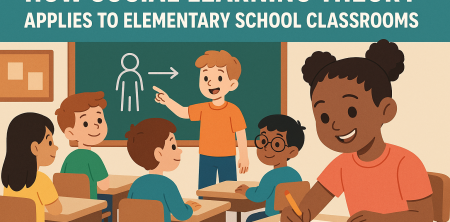
Observation is at the core of social learning theory. In elementary school classrooms, young learners are constantly observing their peers and teachers. This observation serves as a primary mechanism for acquiring new skills and knowledge. For instance, when a teacher demonstrates how to solve a math problem on the board, students are not just passively receiving information; they are actively observing and internalizing the process.
Moreover, the classroom environment itself acts as a rich context for observation. Consider the dynamic of peer interactions. Children learn about cooperation, conflict resolution, and emotional regulation by witnessing their classmates' reactions and responses. This is where modeling becomes essential. When teachers model positive behaviors—like sharing, apologizing, or expressing enthusiasm for learning—they set a standard for students to emulate.
Promoting Peer Learning Through Group Activities
Incorporating group activities in the classroom is a practical application of social learning theory. Group work allows students to learn from one another, fostering an environment that encourages collaboration and communication. When working in pairs or small groups, students can observe their peers’ problem-solving techniques, language use, and social interactions.
This collaborative approach not only enhances academic learning but also builds social skills. For instance, during a science project, students may take turns explaining concepts, which reinforces their understanding while also allowing them to learn how to articulate their thoughts. Additionally, this process builds confidence as students receive immediate feedback from their peers, making learning a more interactive experience.
Modeling Appropriate Behavior
Teachers play a pivotal role in modeling appropriate behavior in the classroom. The concept of “teacher as a role model” is more than a cliché; it is a foundational element of social learning theory. Children are likely to imitate behaviors that they see consistently modeled by their teachers. When educators demonstrate respect, empathy, and a positive attitude toward learning, they instill these values in their students.
For example, if a teacher demonstrates how to handle mistakes—perhaps by sharing a time they miscalculated in math and how they resolved it—students learn that making mistakes is a natural part of learning. This encourages a growth mindset, where students are more likely to take risks and engage in challenging tasks without the fear of failure.
Creating a Safe Learning Environment
A safe learning environment is essential for fostering social learning. Students need to feel secure and supported to express their thoughts and emotions openly. Teachers can cultivate this environment by encouraging open communication and providing constructive feedback. When children feel valued, they are more likely to engage in observed behaviors positively.
Furthermore, establishing classroom rules collaboratively can empower students and foster a sense of ownership. When students contribute to the creation of these rules, they are more likely to adhere to them, as they feel a sense of responsibility and community. This involvement teaches students about the importance of social contracts and mutual respect.
Utilizing Technology to Enhance Social Learning
In today’s digital age, technology can be a powerful tool to facilitate social learning. Online platforms that incorporate collaborative features, such as Google Classroom or educational apps, allow students to work together on projects, share resources, and provide feedback. These tools create opportunities for students to observe their peers' contributions and learn from diverse perspectives. (See: Social Learning Theory overview.)
Consider a scenario where students work on a group presentation using shared digital resources. They can watch how their peers organize information, design slides, and rehearse presentations. This not only enhances their content knowledge but also teaches them valuable digital literacy skills that are critical in the 21st century.
Current Relevance of Social Learning Theory in Education
The relevance of social learning theory in education cannot be understated, especially in light of the challenges faced in recent years. The COVID-19 pandemic has highlighted the importance of social interaction in learning. Remote and hybrid learning environments have demonstrated that while technology offers new avenues for education, the social aspect of learning remains irreplaceable.
As schools continue to adapt, incorporating social learning principles can help bridge the gaps created by physical distance. Strategies such as hybrid collaboration projects and peer-led discussions can ensure that students still engage in valuable social learning experiences, regardless of their learning environment.
Challenges to Implementing Social Learning Theory
While the benefits of social learning theory in education are substantial, there are challenges to its implementation. Teachers may struggle to create effective modeling opportunities in large classrooms where individual attention to each student is limited. Additionally, not all students come from backgrounds that reinforce positive social behaviors, which can complicate the learning process.
It’s crucial for educators to receive training that equips them with strategies to manage diverse classroom dynamics. Professional development focused on social-emotional learning, classroom management, and equity can help teachers effectively implement social learning principles and create inclusive environments.
Strategies for Educators to Foster Social Learning
To effectively leverage social learning theory in elementary classrooms, educators can employ several strategies:
- Encourage Peer Teaching: Allow students to teach one another. This reinforces their learning while enhancing their communication skills.
- Design Collaborative Projects: Group projects encourage teamwork and allow students to learn from each other’s strengths.
- Integrate Social-Emotional Learning: Focus on emotional regulation and interpersonal skills to foster a supportive classroom atmosphere.
- Utilize Technology: Implement tools that promote collaboration and peer interaction, even in remote settings.
- Model Positive Behavior: Be a role model for your students by consistently demonstrating respect, empathy, and curiosity.
By integrating these strategies, educators can create a rich learning environment that emphasizes the significance of social learning theory.
The Future of Social Learning in Education
As education continues to evolve, the principles of social learning theory will remain critical. The need for social interaction in learning is universal and will persist despite technological advancements. Schools that prioritize social learning will not only foster academic success but also prepare students for collaborative environments in their future careers.
Moreover, as we move towards a more inclusive educational landscape, understanding how to effectively implement social learning strategies will be essential. Equity in the classroom, where all students feel valued and included, can be achieved through the lens of social learning theory.
Ultimately, social learning theory in education serves as a reminder that learning is inherently social. It’s about building connections, fostering relationships, and understanding that we learn best when we learn together.
Comparative Insights: Social Learning vs. Traditional Learning Theories
To fully appreciate the impact of social learning theory, it's helpful to contrast it with traditional learning theories. Traditional approaches, such as behaviorism, often emphasize direct instruction and reinforcement through rewards and punishments. In these models, learning is viewed as a more isolated process where the teacher is the primary knowledge holder, and students are recipients of that knowledge.
In contrast, social learning theory recognizes that learning is social and contextual. It promotes a more dynamic classroom environment where students are not merely passive recipients of information but active participants in their learning journey. For instance, while a traditional approach may focus on individual quizzes and tests to measure knowledge, a social learning perspective would encourage group discussions and collaborative projects that allow students to share knowledge and learn from each other.
Research has shown that students engaged in social learning environments tend to retain information longer and develop a deeper understanding of subject matter. According to a study published in the Journal of Educational Psychology, students who participated in peer-led learning sessions scored significantly higher on assessments compared to those taught in a traditional manner. This suggests that the social learning approach not only enhances academic achievement but also promotes critical thinking and problem-solving skills.
Statistics on Social Learning Theory Effectiveness
Numerous studies underscore the effectiveness of social learning theory in educational settings. A meta-analysis conducted by the Education Endowment Foundation revealed that peer tutoring can lead to an average effect size of 0.57, indicating moderate to high educational benefits. This analysis suggests that when students engage in social learning—through tutoring, group work, or collaborative projects—they are likely to achieve better academic outcomes. (See: CDC on school climate and learning.)
Additionally, a survey by Pew Research Center found that 73% of teachers believe that collaboration among students leads to improved learning experiences. This statistic highlights the growing recognition of social learning theory among educators, who see its value in enhancing engagement and understanding in the classroom.
Furthermore, a longitudinal study published in the American Educational Research Journal tracked students over five years and found that those who participated in social learning environments demonstrated greater social skills and emotional intelligence compared to their peers in traditional settings. This finding aligns with Bandura’s assertion that learning is influenced not only by cognitive processes but also by social contexts and interactions.
Expert Perspectives on Social Learning Theory
Educators and psychologists alike have advocated for the integration of social learning principles in classrooms. Dr. Linda Darling-Hammond, a prominent education researcher, emphasizes that learning is fundamentally social and that students thrive in environments where they can interact and collaborate with their peers. She argues that “We need to create classrooms that reflect the reality of the world our students will face—one that values collaboration, communication, and critical thinking.”
Similarly, Dr. John Hattie, known for his research on visible learning, highlights the power of peer learning in his findings. He states, “Students learn best from each other, and when they are able to explain concepts to their peers, their understanding deepens.” These insights reinforce the notion that the principles of social learning theory are not just theoretical but are supported by substantial evidence and expert advocacy.
Frequently Asked Questions (FAQ)
What is social learning theory in education?
Social learning theory in education is a framework developed by Albert Bandura, emphasizing that people learn through observation and imitation of others. It highlights the influences of social interactions and modeled behaviors in the learning process.
How can teachers implement social learning theory in the classroom?
Teachers can implement social learning theory by incorporating group activities, peer teaching, cooperative learning strategies, and providing a safe environment where students feel comfortable sharing ideas and learning from one another.
What are the benefits of social learning in education?
Benefits of social learning include enhanced academic achievement, improved social skills, increased motivation, and the development of critical thinking abilities. Students learn to collaborate, communicate effectively, and engage with diverse perspectives.
Are there any challenges to using social learning theory in education?
Yes, challenges may include managing classroom dynamics, ensuring effective modeling for all students, and addressing varying backgrounds and experiences. Teachers may need professional development to successfully implement social learning strategies.
How does social learning theory compare to traditional learning theories?
While traditional learning theories focus on direct instruction and individual learning, social learning theory emphasizes the social nature of learning, advocating for peer interactions, collaboration, and the influence of social context on learning outcomes.
What role does technology play in social learning?
Technology enhances social learning by providing platforms for collaboration, communication, and resource sharing. Tools like online discussion forums and collaborative apps facilitate peer interactions and learning in both physical and virtual classrooms.
How does social learning theory prepare students for the future?
Social learning theory prepares students for the future by fostering collaboration, teamwork, and critical thinking skills. In a workforce that values these competencies, students who have engaged in social learning will be better equipped to navigate real-world challenges.
Challenges and Considerations in Diverse Classrooms
In implementing social learning theory, educators must consider the diversity of their classrooms. Students come from various backgrounds, cultures, and learning abilities, which can influence how they engage with social learning opportunities. Understanding the unique needs of each student is crucial to ensuring that social learning is effective for all.
For instance, some students may feel shy or anxious in group settings, which can hinder their participation. Teachers can address these challenges by creating smaller, more intimate learning groups where students can build confidence gradually. Additionally, incorporating structured roles within group work can provide clarity and make students feel more comfortable contributing.
Culturally responsive teaching is also essential in this context. Educators can draw on the cultural strengths of their students, making learning relevant and engaging. This approach not only enhances students' connections to the material but also promotes a richer social learning experience.
Social Learning Theory in Action: Real-World Examples
Let’s look at some real-world examples that illustrate how social learning theory can be effectively applied in educational settings. One successful implementation can be seen in peer-led reading groups. In these groups, students take turns reading aloud and discussing texts. This approach not only improves literacy skills but also fosters a love for reading and encourages students to learn from each other’s interpretations.
Another example is the use of project-based learning (PBL). In PBL, students work collaboratively on a long-term project, which requires them to engage in discussions, share resources, and learn from one another's strengths. Research has shown that students involved in PBL environments often develop better critical thinking abilities and are more prepared for real-world challenges.
The Intersection of Social Learning and Emotional Intelligence
Social learning theory also intersects with the development of emotional intelligence (EI) in students. EI includes skills such as empathy, emotional regulation, and interpersonal communication. By engaging in social learning experiences, students can enhance these skills, which are essential for their overall development and success.
For example, during group discussions or collaborative projects, students practice active listening and learn to navigate differing opinions. This process allows them to understand and manage their own emotions while also being sensitive to the feelings of others. As students become more adept at interpreting social cues and responding appropriately, they develop stronger relationships both in and out of the classroom.
Integrating social learning with emotional intelligence training can lead to profound benefits. Schools that focus on both areas tend to see improvements in student behavior, increased engagement, and a more positive classroom climate.
Conclusion
The principles of social learning theory play a vital role in shaping educational practices today. As we recognize the importance of social interactions in learning, educators are called to embrace strategies that foster collaboration and create a supportive environment. By doing so, we equip students not only for academic success but also for meaningful interactions in their future personal and professional lives.
```
Trending Now
Frequently Asked Questions
What is social learning theory in education?
Social learning theory, developed by Albert Bandura, explains how individuals learn by observing and imitating others. It emphasizes the importance of attention, retention, reproduction, and motivation in the learning process, particularly in educational settings like elementary schools.
How does observation influence learning in elementary classrooms?
Observation plays a crucial role in elementary classrooms as children learn by watching their peers and teachers. This process helps them acquire new skills and behaviors, reinforcing the principles of social learning theory.
What are the key components of social learning theory?
The key components of social learning theory include attention, retention, reproduction, and motivation. These elements are essential for effective learning, as they guide how individuals observe and imitate behaviors from others.
How can teachers apply social learning theory in the classroom?
Teachers can apply social learning theory by modeling positive behaviors, encouraging peer interactions, and creating an environment where students feel motivated to imitate desirable actions. This approach enhances collaborative learning and social skills.
Why is social learning theory important for elementary education?
Social learning theory is important for elementary education because it highlights the role of social interactions in learning. By leveraging observation and imitation, educators can foster a more engaging and effective learning environment for young students.
What did we miss? Let us know in the comments and join the conversation.

