```html
Understanding your child’s temperament is key to fostering positive behavior and emotional health. Parenting by temperament means tailoring your approach according to the unique personality traits your child exhibits. With various temperament types defined by psychologists, you can engage in more effective parenting strategies that meet your child where they are. This article explores the basics of temperament, the four primary types, and actionable insights for better behavior outcomes.
1. The Importance of Temperament in Parenting
Every parent wants their child to thrive, but not all children respond to the same parenting style. Temperament refers to the innate traits that influence how a child interacts with the world. According to experts, these traits emerge early in life and remain relatively stable over time. Understanding these traits enables parents to better connect with their children, predict their reactions, and tailor their responses accordingly.
Research conducted by the American Psychological Association indicates that a child’s temperament can affect their behavior, social skills, and overall mental health. For instance, children with easy temperaments may adapt readily to new situations, while those with difficult temperaments may struggle with transitions. By recognizing these differences, parents can adjust their strategies to minimize friction and promote a positive environment.
2. The Four Temperament Types
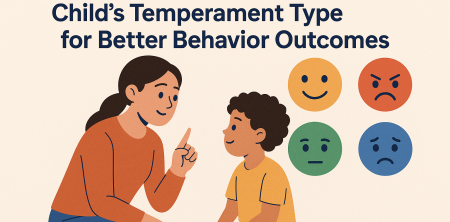
Temperament can generally be categorized into four types: easy, difficult, slow-to-warm-up, and average. Recognizing which type your child fits into can guide your parenting approach significantly.
- Easy Temperament: These children are typically adaptable, cheerful, and have regular sleep and feeding schedules. They’re often responsive to parental cues and can handle changes smoothly.
- Difficult Temperament: Difficult children may be fussy, easily frustrated, and resistant to change. They might have irregular schedules and react strongly to new situations.
- Slow-to-Warm-Up Temperament: This type may exhibit cautiousness in new settings or with unfamiliar people. They might take time to adapt but can become comfortable with patience.
- Average Temperament: Average children display a blend of temperament traits. They can be flexible but may also show occasional signs of difficulty or resistance.
Each type has its strengths and challenges, and recognizing where your child falls can help you develop an effective parenting strategy tailored to them.
3. Strategies for Parenting Easy Children
Easy children tend to thrive with positive reinforcement and structured routines. They often respond well to encouragement and praise, so it's essential to nurture their self-esteem. When they succeed in tasks or behaviors, acknowledging their efforts can motivate them to continue.
Establishing and maintaining a routine is also crucial. Easy children adapt well to predictable schedules, which fosters a sense of security. Include them in decision-making processes to build their confidence further. For example, letting them choose what clothes to wear or which activity to engage in can bolster their independence.
4. Managing Difficult Children
Parenting a difficult child can be challenging, but understanding their temperament is the first step toward success. These children often require more patience and consistency. Establish clear rules and consequences that they can understand. This clarity can provide a sense of security.
It’s beneficial to incorporate techniques like time-outs or cool-down periods when frustration escalates. Additionally, teaching emotional regulation skills can empower difficult children to express their feelings appropriately. You might consider using visual aids or stories that demonstrate how to handle anger or disappointment.
5. Supporting Slow-to-Warm-Up Children
Children with a slow-to-warm-up temperament often require gentle guidance and time to adjust to new environments. Patience is key here. Gradually introducing these children to new settings can help them feel more comfortable. Instead of throwing them into large gatherings, perhaps start with small playdates where they can become familiar with one or two peers. (new parenting strategies)
Encourage them to express their feelings about new experiences. Providing a safe space for them to voice anxieties or fears can promote trust and openness. Engaging them in role-playing scenarios can also help them practice social interactions in a controlled setting.
6. Understanding Average Temperament Children
Average temperament children can often adapt to different situations but might exhibit characteristics from both easy and difficult types at various times. This makes it essential to observe and respond to their needs fluidly. Regularly checking in on their emotional state and being attuned to their changing moods will help you adjust your parenting accordingly. (See: NIH overview of child temperament.)
Encourage independence in these children while providing a safety net. They might benefit from opportunities to take on new challenges without overwhelming pressure. For instance, allowing them to explore a new hobby or activity while assuring them that it's okay to make mistakes can foster resilience.
7. Creating a Supportive Environment
Regardless of temperament type, creating an environment that encourages exploration and emotional security is crucial. Children thrive in spaces that are rich in love and understanding. This includes establishing clear communication channels where children feel free to express their thoughts and feelings without fear of criticism.
Incorporate family activities that foster connection, such as game nights or family walks. These shared experiences can strengthen bonds and allow children to learn about cooperation and teamwork — skills that are beneficial across all temperament types.
8. Incorporating Flexibility in Parenting Styles
One of the most important aspects of parenting by temperament is recognizing that no single approach will work for everyone. As children grow and develop, their temperament may shift slightly, requiring parents to remain adaptable. What works for an easy child at one age might not be effective as they hit their teenage years.
Regularly reassessing your parenting techniques and being willing to try new strategies can make a significant difference. This flexibility can also help teach children how to adapt to life’s changes—an essential skill as they mature into adulthood.
9. Seeking Professional Guidance
Sometimes, despite your best efforts, challenges may arise that require professional assistance. If you find yourself struggling with your child’s behavior or are unsure how to approach their temperament challenges, consulting with a child psychologist or counselor can provide valuable insights.
Professionals can offer personalized strategies based on your child’s unique traits and family dynamics. They can help identify underlying issues that might be contributing to behavioral difficulties, ensuring you have support as you navigate these complexities.
10. The Lifelong Benefits of Parenting by Temperament
Adopting a parenting style that aligns with your child’s temperament can lead to lifelong benefits. Children who receive tailored parenting are likely to develop stronger emotional intelligence and social skills, preparing them for success in their personal and professional lives.
Moreover, a temperament-based approach can enhance the parent-child relationship. By fostering understanding and empathy, you’ll create a safe space where your child feels valued and heard. Such an environment not only promotes better behavior outcomes but also nurtures a fulfilling, long-lasting bond.
In summary, parenting by temperament is a powerful strategy that can revolutionize your approach to raising children. By understanding your child’s unique traits and responding appropriately, you can pave the way for better behavior, enhanced emotional well-being, and a deeper connection with your child.
11. Real-Life Examples of Parenting by Temperament
Understanding temperament isn't just a theoretical concept; it's a practical guide that can change everyday interactions with your child. For example, consider a family with two children: one has an easy temperament, while the other is difficult. The parents noticed that when they encouraged the easy child positively after winning a small victory, such as finishing a puzzle, the child became more enthusiastic about learning new things. In contrast, when they praised the difficult child in the same situation, they faced resistance. This child needed a different approach — one that involved recognizing small achievements first and then building upon them gradually, rather than expecting immediate enthusiasm.
Another example includes a slow-to-warm-up child who hesitated to join a new sports team. The parents chose to introduce the idea gradually, discussing the sport at home, watching videos together, and visiting the practice without any pressure to join. This slow introduction helped the child feel more secure in their decision and eventually led to a successful experience on the team.
12. The Science Behind Temperament
Temperament is not just about personality but is also rooted in biological and environmental influences. Research has shown that temperament is linked to brain development and can be affected by genetics, prenatal factors, and early childhood experiences. For instance, studies have indicated that children born into stressful environments may display more difficult temperamental traits, while those in nurturing settings often develop easier temperamental patterns.
Additionally, the concept of "goodness of fit" comes into play. This term refers to how well a child's temperament matches the expectations and demands of their environment, particularly from their parents. A mismatched fit can lead to increased conflict and stress, suggesting that parents should adapt their styles to suit their child’s temperament for better outcomes.
13. Building Emotional Intelligence Through Temperament Awareness
Emotional intelligence is crucial for navigating social interactions and relationships, and understanding your child's temperament can significantly contribute to developing this skill. For instance, children who are more aware of their temperament can learn to recognize their emotional responses in different situations. Parents can facilitate this by encouraging discussions about feelings and reactions based on their child's temperament.
For example, when a difficult child reacts negatively to a change in routine, rather than just reprimanding them, parents can acknowledge their feelings and discuss why the change is hard for them. This dialogue not only validates the child’s feelings but also provides a framework for understanding and managing emotions.
14. Common Parenting Challenges by Temperament Type
Each temperament type presents unique challenges. Parents of difficult children often face the challenge of backlash when attempting to introduce new rules. For these children, any change can be seen as a threat, leading to increased resistance or behavioral issues. On the other hand, parents of easy children may find themselves facing the challenge of complacency, where they assume their child will naturally succeed without much guidance.
Slow-to-warm-up children might struggle with social interactions, making it hard for parents to foster friendships. Parents may need to be proactive in arranging playdates and rehearsing social scenarios. Average temperament children can pose challenges as they may fluctuate between needing independence and seeking support, leaving parents unsure of how to respond.
15. Frequently Asked Questions About Parenting by Temperament
What is the best way to identify my child's temperament?
Observing your child's behavior across diverse situations can provide insight into their temperament. Look for patterns in their reactions to new experiences, social interactions, and changes in routine. You might also note how they express emotions and whether they adjust easily or struggle with transitions.
How can I adapt my parenting style if I have more than one child with different temperaments?
It’s crucial to recognize that each child may require different approaches. Tailor your parenting techniques to suit each child's temperament. For example, provide more structure for a difficult child while allowing more freedom for an easy child. Regular family discussions about each child's needs can also help everyone feel included and understood.
Are there resources available to help parents understand temperament better?
Yes, many books and online resources offer insights into temperament. Books by experts like Dr. Stella Chess and Dr. Alexander Thomas, who pioneered the study of temperament, can be incredibly helpful. Additionally, workshops and seminars on parenting by temperament can provide valuable skills and strategies.
Can a child’s temperament change over time?
While the core traits of temperament are relatively stable, they can evolve due to experiences, parenting styles, and environmental factors. A child who is initially slow to warm up in social settings might become more adaptable as they gain confidence through supportive experiences.
How can I ensure that my parenting approach is effective for my child's temperament?
Regularly communicate with your child about their feelings and experiences. This dialogue will help you gauge the effectiveness of your parenting strategies. Being observant and flexible in your approach will also allow you to make adjustments as needed, creating a supportive environment that aligns with their temperament.
16. The Role of Culture in Temperament and Parenting
Cultural influences can significantly shape how temperament is perceived and addressed in parenting practices. For instance, certain cultures may place a high value on independence, which can affect how parents respond to children with varying temperaments. In some cultures, a difficult child might be seen as a challenge that requires strict discipline, while in others, they might be viewed as needing more nurturing and understanding.
Understanding these cultural nuances can help parents navigate their approach more effectively. It’s essential to balance cultural expectations with an understanding of individual temperament to ensure that children receive the support they need to thrive.
17. Temperament and Learning Styles
It's not just behavior that is affected by temperament; learning styles can also vary significantly based on a child's temperament. For instance, children with an easy temperament might flourish in structured classroom settings, enjoying collaborative projects and open discussions. On the other hand, a difficult child may require more personalized attention and may benefit from hands-on learning opportunities that cater to their interests. Slow-to-warm-up children might prefer learning environments that allow them to adjust at their own pace and provide ample opportunities for small group interactions.
Recognizing these differences can help parents collaborate more effectively with teachers and educators. Communicating your child's temperament and learning style can lead to tailored educational strategies that promote engagement and success. If necessary, consider advocating for accommodations that nurture their individual needs, such as modified assignments or alternative testing methods that align with their way of learning.
18. Parenting Across Different Developmental Stages
Understanding your child's temperament can help you navigate the various developmental stages they go through. For example, during toddlerhood, a difficult child might throw tantrums as they struggle to express their emotions. Parents can address these moments with empathy while establishing clear boundaries. Conversely, as children enter school age, those with an easy temperament might excel in group settings, while those who are slow to warm up may need more encouragement to engage socially with peers.
As children transition into adolescence, recognizing temperament can also help parents manage changes in behavior and mood swings. A difficult temperament during these years might lead to heightened emotional responses, while easy-tempered adolescents may become more independent but still require guidance. By understanding these shifts, parents can tailor their approaches to foster resilience, emotional growth, and strong communication during these critical years.
19. Developing a Family Temperament Profile
Creating a family temperament profile can be a fun and educational exercise. By discussing each family member's temperament traits, you can foster a deep understanding of how different personalities interact. This awareness can help family members support one another and adapt their approaches accordingly.
For instance, if you’ve identified that one child is particularly sensitive while another is more assertive, you can work on strategies to balance these traits during family activities. This could involve ensuring that quieter children have a voice in group settings or helping more assertive children practice patience and listening skills. It can also strengthen family dynamics, leading to greater empathy and cooperation among family members.
Parenting by temperament is a journey that highlights the beauty of individuality in each child. By embracing your child's unique traits and adapting your parenting style accordingly, you can foster a supportive environment that promotes their emotional and social development.
```
Trending Now
- this guide on “building fluency in english language learners: practical classroom techniques that work”
- read the full story
- the complete explanation
- “Why Young Children Think More Water Means a Taller Glass: Explaining Conservation Concepts”
- “Teaching Math to Children Who Struggle…
Frequently Asked Questions
What are the different types of child temperament?
Child temperament is generally categorized into four types: easy, difficult, slow-to-warm-up, and average. Each type reflects a child's innate traits and influences how they interact with their environment, which can guide parents in tailoring their parenting strategies.
How does a child's temperament affect behavior?
A child's temperament significantly impacts their behavior, social skills, and emotional health. For example, children with easy temperaments adapt well to new situations, while those with difficult temperaments may struggle with transitions, requiring different parenting approaches.
Why is understanding temperament important in parenting?
Understanding your child's temperament is crucial for effective parenting. It allows parents to predict their children's reactions and tailor their responses, fostering a positive environment and minimizing conflict while promoting emotional well-being. We covered perfectionism in parenting effects in more detail.
What strategies can parents use for different temperament types?
Parents can use tailored strategies based on their child's temperament type. For easy children, maintaining consistent routines can enhance their adaptability. For difficult children, providing structure and gradual exposure to change can help ease transitions.
How can I identify my child's temperament type?
To identify your child's temperament type, observe their behaviors in various situations, such as their adaptability, mood, and response to change. Keeping notes on their reactions can help you categorize them into one of the four temperament types.
What did we miss? Let us know in the comments and join the conversation.

