```html
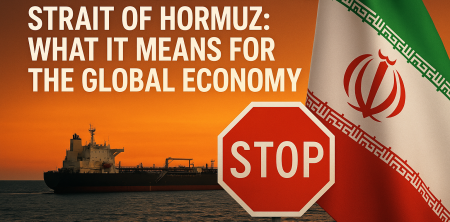
The geopolitical landscape is constantly shifting, and recent developments have added another layer of complexity. In a shocking announcement made by Iran’s military authorities on June 21, 2026, the Strait of Hormuz has been closed once again. This closure has been attributed to alleged violations of a memorandum of understanding by the United States and Israel, which was intended to de-escalate tensions in the region. The implications of this closure reach far beyond the immediate political ramifications, impacting global energy supplies, shipping logistics, and market prices. Here, we break down the key factors involved in this critical situation.
1. The Strategic Importance of the Strait of Hormuz
The Strait of Hormuz serves as a vital passageway for approximately 20% of the world's oil supply. Any disruption in this corridor could lead to immediate consequences for global energy markets. Given the current geopolitical tensions, the closure raises alarms about potential price spikes and supply shortages. As such, the Strait is not only significant for the countries bordering it, but for economies globally, making this event a point of concern for all nations dependent on oil imports.
Historically, the Strait has been a flashpoint for conflict, with previous instances of military confrontations and embargoes. The implications of these tensions extend into international relations, where other nations must weigh diplomatic ties against economic interests. The stakes are particularly high, as seen in the aftermath of the recent closure, which has sent ripples through the energy sector.
2. Iran's Justification for the Closure
Iran claims that the closure stems from violations of a memorandum of understanding, a document aimed at stabilizing the region amid ongoing conflicts. According to Iranian officials, both the U.S. and Israel have taken actions that breach the agreements laid out in this memorandum, thus prompting Iran to take the drastic step of closing the Strait. This narrative adds a layer of complexity to the situation, as it highlights Iran's perception of external threats and reinforces its positioning in the broader geopolitical landscape.
The Iranian government often uses military posturing to solidify its domestic standing and to respond to perceived aggressions from Western powers. Closing the Strait serves not only as a tactical maneuver but also as a signal to the international community about the seriousness of its grievances. As tensions rise, understanding Iran's perspective is critical in assessing the potential for future confrontations.
3. The Economic Ramifications
The immediate economic fallout from the closure of the Strait of Hormuz is likely to be significant. Markets have already begun reacting to the news, with oil prices experiencing fluctuations in response to the uncertainty. Historically, any disruption in this vital shipping lane has led to increased prices at pumps globally. Analysts predict that if the closure continues, consumers can expect to pay more for gasoline and heating oil, further impacting economies that are already grappling with inflation.
Beyond the direct effects on oil prices, the broader economic implications could include increased shipping costs, potential shortages in energy supplies, and heightened market volatility. Countries that heavily rely on oil imports will be forced to reassess their energy strategies, potentially seeking alternative sources or routes, which could lead to long-term shifts in global energy dynamics.
4. Global Response and Geopolitical Tensions
The international community's reaction to Iran's recent actions will be critical in determining the future of the Strait of Hormuz. Countries that are heavily dependent on oil shipping may feel compelled to respond diplomatically or even militarily, depending on the situation's escalation. This complex web of alliances and rivalries means that one nation's actions can have far-reaching consequences.
Responses from key players, including the United States, the European Union, and regional neighbors, will likely involve a mix of condemnation, calls for de-escalation, and potential military preparedness. The situation feeds into existing narratives of U.S.-Iranian tensions, and any misstep could lead to a wider conflict in an already fragile region.
5. Impact on Shipping and Supply Chains
With the Strait of Hormuz closed, shipping routes are being disrupted, prompting an urgent re-evaluation of current logistics. Shipping companies may need to reroute vessels, leading to longer transit times and increased costs. The longer ships take to reach their destinations, the greater the impact on global supply chains, which are still recovering from previous disruptions caused by the pandemic and other geopolitical tensions.
The costs associated with rerouting can be significant, with estimates suggesting that the burden may ultimately fall on consumers. Importers may have to pay higher prices, leading to increased costs for goods across various sectors. As these changes ripple through the economy, industries that rely on timely deliveries, such as manufacturing and retail, may face severe delays and additional financial strain.
6. Prospective Solutions and Alternatives
In light of the closure, countries and companies are likely to seek alternative routes and energy sources. This could result in accelerating investments in pipelines, rail transports, and renewable energy projects. For instance, nations might explore enhancing their domestic energy production capabilities to reduce reliance on Middle Eastern oil. Such investments could lead to a significant shift in the global energy landscape. (See: Strait of Hormuz overview.)
Additionally, diplomatic efforts aimed at resolving the dispute and reopening the Strait will be crucial. Multilateral discussions could yield new approaches to security in the region, potentially reducing the likelihood of future closures. Engaging in dialogue with Iran, while balancing the interests of international stakeholders, presents a complex but necessary path forward.
7. Public Sentiment and Social Media Reactions
The public's reaction to the closure of the Strait of Hormuz has been swift and widespread, with discussions dominating social media platforms. People are expressing their concerns about rising energy costs and the potential for military escalation, reflecting a general unease regarding geopolitical tensions. Social media has also become a battleground for narratives, with various factions leveraging the situation to promote their political agendas.
As information spreads quickly online, it can amplify fears or misconceptions regarding the situation. For instance, sensational headlines may lead to panic buying or alterations in consumer behavior, further compounding the economic effects of the closure. Monitoring public sentiment via analytics tools will be essential for governments and businesses to navigate this uncertain terrain effectively.
8. Looking Ahead: Will the Closure Hold?
Given the significance of the Strait of Hormuz, many experts are closely monitoring the situation to see whether the closure will be temporary or lead to a prolonged standoff. The dynamics at play involve not only Iran’s motivations but also how the international community responds. Should tensions escalate further, we may see a sequence of events that could involve sanctions, military operations, or even negotiations directed towards a new agreement.
The fate of the Strait of Hormuz will be a test of geopolitical will. The pressure on Iran from both internal and external sources may force a reconsideration of its strategy. However, if the closure persists without a diplomatic breakthrough, the risks of confrontation could increase, placing the region and the global economy in jeopardy.
9. Conclusion: The Broader Implications
The closure of the Strait of Hormuz is a development that encapsulates the intricate relationship between geopolitics and the global economy. As news outlets like Kyodo News highlight these critical moments, it becomes clear that the implications extend beyond immediate political tensions. The effects on energy markets, shipping logistics, and international relations will reverberate for some time.
As we watch this situation unfold, it’s essential to remember that the closure is not just a regional issue; it has the potential to affect consumers and economies worldwide. With continued developments expected, it’s crucial to stay informed and engaged with credible sources like Kyodo News for accurate reporting on this unfolding story.
10. The Role of Kyodo News in Reporting
Kyodo News has long been recognized as a leading source of information in Japan and across Asia. Their reporting on international events such as the closure of the Strait of Hormuz provides a unique perspective that combines regional insights with global implications. Understanding how outlets like Kyodo News interpret these developments can enhance our grasp of the broader narrative.
With a focus on accuracy and timeliness, Kyodo News offers in-depth analysis that is essential for both policymakers and the public. They often bring in experts and regional voices to provide context, which is invaluable in understanding the nuances of complex geopolitical issues. Their coverage not only informs readers but also shapes public discourse, making it essential for anyone interested in current affairs to follow their reporting closely.
11. Expert Opinions and Analysis
Experts in international relations and energy markets provide critical perspectives on the implications of the Strait of Hormuz closure. Dr. Emily Carter, a professor of political science, notes, "The closure is not just an Iranian maneuver; it reflects a broader struggle for power in the Middle East. Nations must navigate these waters carefully to avoid escalation." This view aligns with the belief that the actions of one country can lead to unintended consequences for others.
Additionally, economic analysts highlight the long-term effects of such closures. According to a report by the International Energy Agency (IEA), disruptions in vital shipping routes can lead to price hikes that may linger long after the immediate crisis has subsided. For instance, during the 2019 tensions, oil prices surged, leading to increased consumer costs worldwide. Related reading: Indian market optimism.
Such expert insights underline the importance of strategic planning and diplomatic engagement, reinforcing the idea that more proactive measures are needed to prevent future disruptions.
12. Comparative Case Studies: Historical Closures
Looking at historical precedents helps to contextualize the current closure of the Strait of Hormuz. For example, the Suez Crisis of 1956 led to significant disruptions in global shipping routes and oil supplies. The ensuing geopolitical tension not only affected oil prices but also shifted alliances and policies among Western countries and the Middle East. (See: Global health security implications.)
Similarly, during the Iran-Iraq War (1980-1988), the Strait was frequently threatened, leading to increased military presence from various nations to ensure the safe passage of oil tankers. These historical events exemplify the delicate balance of power in the region and provide lessons on the importance of diplomatic negotiations to avoid escalation.
By understanding past closures and their impacts, stakeholders today can better prepare for the potential long-term ramifications of the current situation.
13. Possible Scenarios: What Lies Ahead?
The next steps following the closure of the Strait of Hormuz can unfold in several ways, depending on international responses and Iran's own strategy. One possibility is a diplomatic resolution that leads to the reopening of the Strait, facilitated by international mediators or through multilateral talks. This scenario would likely involve concessions from all parties and a renewed commitment to maintaining peace in the region.
Alternatively, the situation could escalate, leading to military confrontations or blockades by nations seeking to ensure the safety of their shipping routes. Such actions would escalate tensions and could result in retaliatory measures, further complicating the geopolitical landscape.
Lastly, an economic fallout scenario could emerge, where countries reassess their energy dependencies and invest more heavily in alternatives, such as renewable energy sources. This shift might lead to a long-term decrease in reliance on oil from the Middle East, altering global energy markets and alliances significantly.
14. Frequently Asked Questions (FAQ)
Q: Why is the closure of the Strait of Hormuz significant?
A: The Strait of Hormuz is crucial as it is a primary shipping route for approximately 20% of the world’s oil supply. Any disruption can lead to significant price increases and supply shortages globally.
Q: What are the possible consequences of the closure for global oil prices?
A: Analysts predict that the closure could lead to immediate spikes in oil prices, affecting consumer costs for gasoline and heating oil, and could lead to inflationary pressures in various economies.
Q: How might this situation affect global shipping logistics?
A: Shipping companies may need to reroute vessels, leading to longer transit times and increased costs. This could create ripple effects in global supply chains, particularly in industries that rely on timely deliveries.
Q: What diplomatic actions might be taken in response to the closure?
A: Countries might initiate multilateral talks to find a resolution or engage in diplomatic pressure to reopen the Strait. This could involve negotiations that include key stakeholders in the region.
Q: How does public sentiment influence the situation?
A: Public sentiment, particularly expressed through social media, can amplify fears about rising costs and military escalation. This can lead to panic behavior among consumers and shape governmental responses.
Q: What lessons can be learned from historical precedents regarding shipping lane closures?
A: Historical closures, such as during the Suez Crisis or the Iran-Iraq War, highlight the importance of diplomatic engagement and the potential for long-term geopolitical shifts resulting from temporary disruptions. (See: Recent developments in the Middle East.)
15. The Impact on Regional Economies
The closure of the Strait of Hormuz not only affects global markets but also has immediate repercussions on regional economies. Countries in the Gulf Cooperation Council (GCC) may feel the pinch as their economies are deeply intertwined with oil exports. Saudi Arabia, for instance, is one of the largest oil producers in the world, and disruptions in its ability to export oil through this strategic corridor could hurt its economic growth.
Other countries in the region, like the United Arab Emirates, which relies on oil exports as a significant part of its economy, could also see a downturn. The International Monetary Fund (IMF) projected a potential slowdown in economic growth for these nations due to the increased uncertainty surrounding oil supply and prices. This could also lead to increased unemployment in sectors reliant on oil revenues.
Furthermore, if the closure persists, it might prompt these countries to diversify their economies more aggressively. The GCC nations have already been working on economic diversification plans to reduce their dependence on oil revenue, but a crisis like this could accelerate those efforts.
16. Renewable Energy: A Silver Lining?
As the world grapples with the implications of the Strait’s closure, there may be an unexpected silver lining in the push for renewable energy. Countries heavily reliant on oil may start to invest more in alternative energy sources, including solar, wind, and hydroelectric power. For instance, Saudi Arabia has been investing in its Vision 2030 plan, which aims to reduce its reliance on oil and transition toward renewable energy.
Such a shift might not only help mitigate the impacts of the closure but could also contribute to global efforts to combat climate change. In the long run, countries may emerge from this crisis with more robust and resilient energy infrastructures, ultimately leading to a more sustainable energy future.
17. International Military Presence and Security Measures
The closure of the Strait of Hormuz is likely to prompt discussions about international military presence in the region. The U.S. Navy has historically maintained a significant presence in these waters to ensure the safe passage of ships, and heightened tensions may lead to an increased military posture in response to the closure.
Countries that depend on the Strait may advocate for more robust security measures to protect their shipping routes. This could involve coalition efforts among allied nations to patrol the waters more actively. The presence of international naval forces could serve as a deterrent against further escalations, but might also heighten tensions with Iran and other regional actors.
The balance between maintaining security and preventing further conflict will be delicate. Ongoing dialogues among the international community will be necessary to navigate these complex waters, ensuring that while security is enhanced, the risk of military confrontation is kept at bay.
```
Trending Now
- “Building Fluency in English Language Learners: Practical Classroom Techniques That Work”
- our breakdown of “5 evidence-based strategies to improve math fluency in middle school classrooms”
- the complete explanation
- the complete explanation
- this guide on “teaching math to children who struggle with irreversibility: concrete strategies that help”
Frequently Asked Questions
What is the significance of the Strait of Hormuz?
The Strait of Hormuz is crucial as it is a key passageway for approximately 20% of the world's oil supply. Its closure can lead to significant disruptions in global energy markets, impacting oil prices and supply chains worldwide.
Why did Iran close the Strait of Hormuz?
Iran closed the Strait of Hormuz citing violations of a memorandum of understanding by the United States and Israel. Iranian officials argue that these actions compromised regional stability, prompting the drastic measure.
How does the closure of the Strait of Hormuz affect global oil prices?
The closure can lead to immediate price spikes and supply shortages in the global oil market, as it disrupts a vital corridor for oil transport, creating uncertainty and increased costs for importing nations.
What are the historical conflicts related to the Strait of Hormuz?
Historically, the Strait of Hormuz has been a flashpoint for military confrontations and embargoes, with various nations involved in conflicts over control and access, significantly affecting international relations and energy security.
What are the geopolitical implications of Iran's actions?
Iran's closure of the Strait of Hormuz escalates geopolitical tensions, forcing other nations to navigate complex diplomatic ties while balancing their economic interests, particularly those reliant on oil imports from the region.
We covered ceasefire talks update in more detail.
What did we miss? Let us know in the comments and join the conversation.

