```html
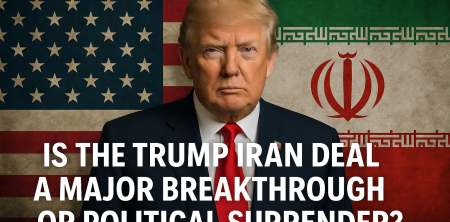
The political landscape surrounding the Trump Iran deal is heating up, igniting fierce debates among lawmakers. The proposed agreement, stemming from the Trump administration’s efforts to manage Iran's nuclear ambitions, has drawn a line in the sand between Republicans who view it as a crucial step in national security and Democrats who decry it as a capitulation to a hostile regime. This division reflects broader themes in U.S. foreign policy and national security that are increasingly polarizing.
The Trump Iran Deal: An Overview
At its core, the Trump Iran deal seeks to engage Iran on multiple fronts—nuclear development, economic sanctions relief, and regional security. The proposed framework offers significant sanctions relief to Iran, allowing access to previously frozen Iranian funds while simultaneously postponing more comprehensive nuclear negotiations. This approach has provoked a spectrum of responses from various political factions, reflecting deep-seated ideological differences over how best to deal with Iran.
Republican Support: Tuberville’s Endorsement
Senator Tommy Tuberville, a staunch supporter of the Trump Iran deal, emphasizes its potential benefits in constraining Iran's nuclear ambitions. He argues that the deal could lead to a more stable Middle East, where U.S. interests are better protected. Tuberville posits that engaging Iran through a diplomatic lens is preferable to military intervention, which could escalate tensions and lead to conflict.
This sentiment echoes a broader Republican strategy that leans towards diplomacy as a tool for peace, albeit with caution regarding Iran's past behaviors. Tuberville's remarks highlight a belief in the deal's capacity to provide necessary oversight of Iran's nuclear program while opening the door for future negotiations.
Democratic Opposition: A Call for Stronger Measures
Contrasting sharply with Tuberville's stance, Democrats are vocal in their criticism of the Trump Iran deal. One prominent critic referred to the agreement as a form of "surrender," suggesting that it lacks the robust enforcement mechanisms needed to hold Iran accountable. This perspective is fueled by concerns that the deal does not adequately prevent Iran from pursuing nuclear weapons if they choose to defy the terms.
Furthermore, critics argue that the deal's structure is dangerously ambiguous, lacking clear provisions for repercussions should Iran fail to comply. This raises alarm bells in a political climate already fraught with tensions surrounding nuclear proliferation and regional stability.
The Implications of Sanctions Relief
One of the most contentious aspects of the Trump Iran deal is the proposed sanctions relief. By granting Iran access to a substantial amount of frozen funds, the deal presents a pivotal shift in economic relations. Proponents argue that this relief could foster goodwill and open avenues for dialogue, potentially reshaping Iran’s role in the Middle East.
However, opponents caution that this could empower a regime known for destabilizing activities across the region. The fear is that released funds might be allocated to support militant groups or other hostile actions, undermining U.S. interests and those of its allies.
Nuclear Negotiations: A Postponed Solution?
The postponement of nuclear negotiations in the Trump Iran deal has raised eyebrows among experts and lawmakers alike. Critics argue that delaying comprehensive discussions could allow Iran to make significant technological advancements in its nuclear program without oversight. This could ultimately lead to a more volatile situation in the future, where Iran may hold greater leverage in negotiations.
The deal, then, can be seen as a temporary fix rather than a long-term solution. This reality has sparked a debate about whether a phased approach might inadvertently lead to a more dangerous nuclear landscape in the Middle East.
Historical Context: Lessons from the Past
To fully grasp the stakes of the Trump Iran deal, it’s crucial to consider the historical context of U.S.-Iran relations. The nuclear agreement reached in 2015 under the Obama administration, known as the Joint Comprehensive Plan of Action (JCPOA), aimed to curb Iran’s nuclear program in exchange for sanctions relief. However, after the Trump administration withdrew from the JCPOA in 2018, relations soured, leading to increased tensions and hostility. (See: Iran nuclear deal overview.)
The fallout from this withdrawal has left a complicated legacy, with many viewing the current negotiations as a chance to restore some level of stability. However, skepticism remains, especially given the contentious nature of previous agreements and Iran's continued regional aggression.
Regional Reactions: Allies and Adversaries
The response to the Trump Iran deal is not limited to U.S. lawmakers; it reverberates across the globe, especially among U.S. allies in the Middle East. Countries like Israel and Saudi Arabia have historically viewed Iran as a significant threat and have expressed concerns that sanctions relief might embolden Iran rather than restrain it.
Israel's government has been particularly vocal, emphasizing the need for stringent measures that prevent Iran from advancing its nuclear capabilities. This positions the U.S. in a delicate situation, as it must balance its diplomatic efforts with the security concerns of its closest allies.
The Political Landscape: Partisan Divisions
The Trump Iran deal not only lays bare the divisions within Congress but also reflects broader partisan dynamics in American politics. Republicans tend to favor a more aggressive stance towards Iran, advocating for negotiations that involve immediate benefits for the U.S. while simultaneously holding Iran accountable. Democrats, on the other hand, often push for a more comprehensive solution, emphasizing the need for long-term commitments and safeguards.
This division manifests in legislative efforts, public discourse, and media narratives, highlighting how foreign policy has become a battleground for partisan conflict. The implications of this divide extend beyond Iran, influencing how the U.S. engages with other global threats and allies.
Moving Forward: What Comes Next?
The future of the Trump Iran deal remains uncertain as lawmakers continue to debate the agreement's merits and potential pitfalls. As both sides navigate the political landscape, the question arises: can a compromise be reached that addresses the concerns of both parties while ensuring the security of the United States and its allies?
One potential path forward could involve bipartisan efforts to strengthen the enforcement mechanisms of the deal, ensuring that any sanctions relief comes with stringent monitoring and accountability measures. This could help alleviate some concerns from critics while still providing a framework for diplomacy.
Expert Perspectives: Voices from the Field
Engaging experts on this topic reveals a spectrum of opinions that can inform the ongoing debate. National security analysts warn that the success of the Trump Iran deal hinges not just on the agreement itself, but on the broader geopolitical context in which it operates. Experts point to the importance of addressing Iran’s regional ambitions and support for proxy groups as integral components of any successful negotiation.
Furthermore, former diplomats suggest that building trust between the U.S. and Iran will require more than just a deal; it necessitates a sustained commitment to dialogue and conflict resolution across multiple fronts. This multifaceted approach could ultimately lead to a more stable and secure Middle East. This builds on Chinese cyberattack concerns.
Challenges Ahead: Domestic and International Considerations
As discussions about the Trump Iran deal continue, both domestic and international challenges loom large. Domestically, there is pressure from various interest groups, think tanks, and public opinion that can heavily influence policymakers. For instance, organizations advocating for a hawkish stance on Iran argue that any concessions made in the deal could be seen as weakness. On the other hand, groups supporting engagement emphasize the importance of diplomacy and the potential for peace through negotiation.
Internationally, the landscape is equally complex. Countries like China and Russia have vested interests in Iran and may have their own agendas, further complicating U.S. efforts to negotiate. Their involvement could lead to a multi-faceted diplomatic environment where U.S. influence may be challenged, necessitating a nuanced approach that considers the roles of both allies and adversaries.
Long-term Consequences: What Happens if the Deal Falls Apart?
Should the Trump Iran deal fail or be abandoned, the repercussions could be profound. Experts warn that a complete breakdown of negotiations could lead to a renewed arms race in the Middle East. Countries in the region may feel compelled to enhance their own nuclear capabilities as a direct response to a more aggressive Iran, thereby destabilizing the entire region. (See: Iran's health and security landscape.)
Moreover, the potential for increased military conflict rises sharply. Without a diplomatic framework, Iran may resume its nuclear program unabated, increasing tensions with Western nations and possibly leading to military interventions. This scenario could create a cycle of retaliation that further entrenches animosities and disrupts global security.
Comparative Analysis: The Trump Deal vs. Previous Agreements
When comparing the Trump Iran deal to the JCPOA and other agreements, the differences in approach and philosophy become evident. The JCPOA was seen as a comprehensive effort to engage Iran over many years, establishing monitoring and verification measures to ensure compliance. In contrast, the Trump deal appears to pursue immediate concessions without the same level of oversight or trust-building measures.
Additionally, the JCPOA drew international support from major world powers, which lent it a level of legitimacy. The Trump Iran deal, however, has been critiqued for its unilateral approach, which may alienate key allies and diminish the effectiveness of any agreement.
FAQ: Common Questions about the Trump Iran Deal
What is the main goal of the Trump Iran deal?
The primary goal of the Trump Iran deal is to manage Iran's nuclear program while providing economic sanctions relief. The deal aims to engage Iran diplomatically to prevent nuclear proliferation and stabilize the region.
How does the Trump Iran deal differ from the JCPOA?
While the JCPOA was a comprehensive agreement involving multiple parties with strict oversight and verification measures, the Trump Iran deal includes sanctions relief with less emphasis on long-term monitoring and accountability.
What are the implications of sanctions relief for Iran?
Sanctions relief could provide Iran with access to significant financial resources, which supporters argue could foster improved relations. However, critics worry these funds may be used to support destabilizing activities in the region.
Why do some lawmakers oppose the Trump Iran deal?
Opponents express concerns that the deal lacks adequate enforcement mechanisms to hold Iran accountable, potentially allowing them to develop nuclear weapons without facing repercussions.
What might happen if the deal collapses?
If the Trump Iran deal falls apart, there is a risk of escalation in military conflict, an arms race in the Middle East, and a further deterioration of U.S.-Iran relations, leading to increased instability in the region.
The Role of Public Opinion
Public opinion plays a significant role in shaping policies regarding the Trump Iran deal. Polls indicate that American sentiments are divided on how best to engage with Iran. A significant portion of the population supports diplomatic efforts and believes that dialogue is essential for long-term peace. Others, however, are more skeptical, fearing that concessions to Iran may lead to increased aggression and threats to U.S. allies.
The opinions of influential organizations and lobbying groups also affect lawmakers’ decisions. Groups advocating for a hardline stance may mobilize public sentiment against perceived appeasement strategies, further complicating the legislative process. Understanding these dynamics is crucial for anticipating how the deal will evolve and what influence public sentiment will have on future negotiations. (See: BBC report on U.S.-Iran relations.)
Economic Factors: Impact on U.S. Interests
The economic implications of the Trump Iran deal extend beyond U.S.-Iran relations. For instance, U.S. businesses are closely monitoring the potential for renewed trade and investment opportunities in Iran, which has some of the richest natural resources in the world. If sanctions are lifted, American companies could find new markets for their products, particularly in energy and technology sectors.
However, the uncertainty surrounding the deal complicates these prospects. Many businesses remain hesitant to engage with Iran due to fears of reimposed sanctions or backlash from U.S. government agencies. This creates a paradox where the potential for economic growth is stymied by geopolitical tensions and regulatory risks.
Comparative Global Perspectives on Iran
Different nations have varied perspectives on the Trump Iran deal based on their own interests and historical contexts. For example, European allies have generally supported a more diplomatic approach to Iran, reflecting a desire for stability in the region and economic ties that benefit European economies. On the other hand, countries like Saudi Arabia and Israel view Iran as an existential threat and advocate for more stringent measures.
China and Russia, both of whom maintain strategic relationships with Iran, have expressed their support for the deal, viewing it as a way to counter U.S. influence. Their involvement highlights the multipolar dynamics of international relations, where U.S. decisions regarding Iran have broader implications for global alliances and power structures.
Long-Term Regional Stability: A Broader Perspective
Considering the potential long-term stability of the Middle East, the Trump Iran deal could have ripple effects beyond Iran's nuclear ambitions. Engaging Iran in dialogue may lead to improvements in its relations with neighboring countries, which historically have been characterized by hostility and mistrust.
For instance, if Iran feels more integrated into the international community, it may be less likely to support proxy groups that threaten its neighbors. This could pave the way for a more stable regional order. However, many experts caution that this is a complex and uncertain pathway. There are deep-rooted historical grievances and rivalries that will not easily be resolved, and any misstep could reignite tensions.
Conclusion: The Ongoing Debate
As the political discussion surrounding the Trump Iran deal unfolds, it's clear that this issue is more than just a policy debate—it's a reflection of competing visions for America's role in the world. Whether viewed as a strategic breakthrough or an act of surrender, the ramifications of this deal will likely resonate for years to come, impacting not only U.S.-Iran relations but also the broader dynamics of international security.
This ongoing debate emphasizes the necessity for vigilance and engagement as lawmakers grapple with one of the most pressing challenges facing U.S. foreign policy today. As events develop, all eyes will be on Congress to see how they navigate this critical juncture in managing Iran's nuclear ambitions.
```
Trending Now
- “Building Fluency in English Language Learners: Practical Classroom Techniques That Work”
- this guide on “5 evidence-based strategies to improve math fluency in middle school classrooms”
- this guide on “can adults have dyscalculia? recognizing and managing math learning disabilities later in life”
- read the full story
Frequently Asked Questions
What is the Trump Iran deal about?
The Trump Iran deal aims to engage Iran regarding its nuclear development, economic sanctions relief, and regional security. It proposes significant sanctions relief while delaying comprehensive nuclear negotiations, reflecting deep ideological divides in U.S. foreign policy.
Why do Republicans support the Trump Iran deal?
Republicans, like Senator Tommy Tuberville, support the Trump Iran deal for its potential to constrain Iran's nuclear ambitions and promote a more stable Middle East. They argue that diplomatic engagement is preferable to military intervention, aiming for oversight of Iran's nuclear program.
What are the criticisms of the Trump Iran deal?
Critics, primarily Democrats, argue that the Trump Iran deal represents a capitulation to a hostile regime. They advocate for stronger measures against Iran, fearing that the deal could undermine U.S. national security and fail to adequately address Iran's aggressive behaviors.
How does the Trump Iran deal impact U.S. foreign policy?
The Trump Iran deal highlights a significant divide in U.S. foreign policy, illustrating contrasting approaches between Republicans and Democrats. This polarization reflects broader themes in national security debates and the ongoing challenges of engaging with Iran.
What are the potential benefits of the Trump Iran deal?
Proponents of the Trump Iran deal suggest that it could lead to increased stability in the Middle East and better protection of U.S. interests. By engaging Iran diplomatically, supporters believe it opens the door for future negotiations and oversight of Iran's nuclear program.
What did we miss? Let us know in the comments and join the conversation.

