```json
{
"title": "Europe's Silent Killer: The Shocking Truth About Ultra-Processed Foods Revealed",
"content": "
It's a stark reality many of us have quietly suspected, but a new, comprehensive clinical consensus statement from the European Society of Cardiology has just laid it bare: the convenience foods we've all come to rely on are quite literally killing us, particularly across Europe. Published on July 22, 2026, this report isn't just another health warning; it's a consolidation of damning evidence, a clarion call led by prominent experts like Professor Luigina Guasti and Dr. Marialaura Bonaccio. They're telling us that ultra-processed foods (UPFs) aren't just a minor dietary concern; they've become the cornerstone of our diets, pushing out traditional, wholesome meals, and in doing so, are dramatically escalating our risks of serious cardiovascular diseases.
\n\n
Think about your last grocery run. How much of your cart was filled with items that came in a package, ready to eat or requiring minimal preparation? Chances are, a significant portion. This isn't a moral failing on your part; it's a reflection of a global food system that has, for decades, prioritized shelf-stability, hyper-palatability, and convenience above all else. But as this new report makes devastatingly clear, that convenience comes at an incredibly steep price for our hearts and overall health. The implications for public health, especially given the widespread consumption of ultra-processed foods across Europe, are nothing short of a crisis.
\n\n
Defining the Enemy: What Exactly Are Ultra-Processed Foods?
\n\n
Before we dive deeper into the health implications, let's get clear on what we're actually talking about. The term \"ultra-processed food\" might sound technical, but its definition, primarily guided by the NOVA classification system, is surprisingly straightforward. Imagine food groups on a spectrum. On one end, you have unprocessed or minimally processed foods: fresh fruits, vegetables, eggs, lean meats, milk, grains. These are foods in their natural state or with minimal alterations like drying, crushing, or roasting.
\n\n
Moving along, you find processed culinary ingredients like oils, butter, sugar, and salt, derived from natural foods but not meant to be eaten on their own. Then come processed foods: bread made from flour, water, salt, and yeast; canned vegetables; simple cheeses. These are made by adding salt, sugar, or oil to unprocessed foods to preserve them or make them more palatable.
\n\n
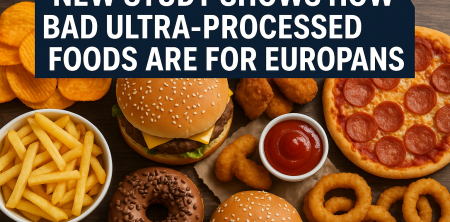
But then, we hit the ultra-processed category. This is where things get genuinely problematic. UPFs are industrial formulations primarily made from substances extracted from foods (like sugars, oils, fats, protein isolates, modified starches) or synthesized in labs (like flavor enhancers, colors, emulsifiers, sweeteners, thickeners, anti-caking agents). They contain little to no whole food. Their primary purpose isn't nutrition, but rather hyper-palatability, convenience, and low cost. Think sugary cereals, packaged snacks, instant noodles, most sodas, frozen ready meals, processed meats like sausages and nuggets, and many mass-produced baked goods. These products are engineered to be addictive, making you want to eat more, often without feeling truly satisfied.
\n\n
The NOVA classification system, developed by researchers at the University of São Paulo, has become the gold standard for categorizing foods based on their level of processing. It's not about the nutrient content alone, but rather the nature, extent, and purpose of the industrial processes applied to foods. This distinction is crucial because it helps us understand why a bag of crisps, despite containing some potato, is fundamentally different in its health impact from a baked potato.
\n\n
The Staggering Consumption of Ultra-Processed Foods Across Europe
\n\n
The report from the European Society of Cardiology underscores a truly alarming trend: ultra-processed foods haven't just infiltrated European diets; they've largely taken them over. We're not talking about a small percentage of occasional treats here. In some European countries, a staggering over 60% of daily caloric intake now comes from these industrially formulated products. Let that sink in for a moment. More than half of the energy powering millions of Europeans every single day is derived from foods designed for convenience and profit, not health.
\n\n
Consider nations like the UK, where estimates suggest UPFs contribute to over 50% of the average diet. Countries in Western Europe, generally seen as having sophisticated culinary traditions, are not immune. Even in places renowned for their Mediterranean diets, the creeping influence of UPFs is undeniable, particularly among younger generations and lower-income households where affordability and accessibility play a significant role. This isn't just about cultural shifts; it's about a systemic change in our food environment, where UPFs are often cheaper, more widely available, and heavily marketed.
\n\n
This widespread adoption isn't accidental. The food industry has mastered the art of creating products that hit the perfect balance of sugar, fat, and salt, often dubbed the \"bliss point,\" making them incredibly hard to resist. Combine this with aggressive marketing, long shelf lives, and the sheer ease of consumption, and you have a recipe for pervasive dietary change. The report highlights that this high consumption isn't just a statistical curiosity; it's the very foundation of the ensuing health crisis. (See: Healthy diet fact sheet by WHO.) We covered top public health schools in more detail.
\n\n
The Devastating Health Consequences: Cardiovascular Disease and Beyond
\n\n
This is where the findings of Professor Guasti and Dr. Bonaccio's team become particularly sobering. The consensus statement doesn't just suggest a link; it consolidates a vast body of existing research to definitively connect ultra-processed foods with a cascade of serious health problems, with cardiovascular disease (CVD) at the forefront. When we talk about CVD, we're talking about conditions like heart attacks, strokes, heart failure, and high blood pressure – the leading causes of death globally.
\n\n
Let's break down some of the key associations:
\n\n
- \n
- Obesity: This is perhaps the most visible and widely recognized consequence. UPFs are typically calorie-dense but nutrient-poor. Their hyper-palatability and lack of fiber or protein mean they don't trigger satiety effectively, leading to overconsumption. The high sugar content also plays a role in fat storage. The report highlights a clear correlation between increased UPF intake and rising obesity rates across Europe, creating a fertile ground for other chronic diseases.
- Type 2 Diabetes: The rapid digestion of refined carbohydrates and high sugar content in many UPFs leads to sharp spikes in blood glucose and insulin. Over time, this constant strain on the pancreas can lead to insulin resistance and ultimately, type 2 diabetes. This condition, in turn, is a major risk factor for heart disease.
- High Blood Pressure (Hypertension): Many UPFs are loaded with sodium, used as a preservative and flavor enhancer. High sodium intake is a well-established driver of hypertension, which significantly increases the risk of heart attack, stroke, and kidney disease.
- Direct Impact on Heart Health: Beyond these intermediate risk factors, the report points to direct associations between UPF consumption and adverse cardiovascular events. The inflammatory compounds, trans fats, and various additives present in UPFs can contribute to atherosclerosis (hardening of the arteries), endothelial dysfunction (damage to blood vessel lining), and oxidative stress, all of which compromise heart health.
\n
\n
\n
\n
\n\n
What's particularly insidious is how these conditions often intertwine. Obesity increases the risk of type 2 diabetes and high blood pressure, and all three are powerful contributors to cardiovascular disease. Ultra-processed foods act as a common thread, exacerbating this dangerous web of interconnected health issues.
\n\n
The Role of the NOVA Classification System in Understanding the Threat
\n\n
The NOVA classification system, central to this new European Society of Cardiology report, isn't just an academic tool; it's a critical lens through which we can better understand the true impact of our diets. For years, nutritional science often focused on individual nutrients – fat, sugar, salt, vitamins – in isolation. While important, this approach sometimes missed the forest for the trees. A food might be low in fat but high in sugar and additives, or vice-versa, making a simple nutrient label misleading.
\n\n
NOVA shifts the focus from individual nutrients to the degree and purpose of food processing. This is a game-changer because it recognizes that the matrix of the food – how its components are put together and what has been done to it – profoundly affects how our bodies process it. For instance, an apple contains sugar and fiber, but the fiber slows down sugar absorption. Apple juice, even unsweetened, removes much of that fiber, leading to a quicker sugar spike. An ultra-processed apple-flavored snack bar, however, might contain concentrated apple puree, added sugars, emulsifiers, and artificial flavors, making it metabolically very different from a whole apple.
\n\n
This system allows researchers and policymakers to identify a distinct category of foods that, regardless of their individual nutrient profiles, consistently show detrimental health effects due to their industrial formulation. It helps explain why diets rich in whole, minimally processed foods are protective, even if they contain natural fats or sugars, whereas diets dominated by UPFs are consistently linked to poor health outcomes, even if some of those UPFs might technically be "low fat" or "sugar-free" (often replaced with artificial sweeteners and other additives).
\n\n
By using NOVA, the European Society of Cardiology's statement provides a robust framework for understanding the mechanisms by which ultra-processed foods Europe are contributing to the continent's health crisis. It moves beyond simplistic nutrient discussions to address the complex reality of modern food production.
\n\n
Beyond the Plate: Societal and Economic Implications
\n\n
The widespread consumption of ultra-processed foods Europe isn't just a personal health issue; it's a major societal and economic burden. Consider the healthcare systems across Europe, already stretched thin. The rising tide of obesity, type 2 diabetes, and cardiovascular disease directly translates into enormous costs for diagnosis, treatment, medication, and long-term care. Hospitals become overwhelmed, and national health budgets are strained to their breaking point. This isn't just theoretical; countries like the UK and France are already grappling with the escalating costs of diet-related diseases.
\n\n
But the impact extends further. A population burdened by chronic illness is a less productive population. Individuals suffering from these conditions often experience reduced quality of life, decreased work productivity, and early mortality. This has ripple effects on national economies, impacting everything from labor supply to social welfare programs. Children growing up on diets dominated by UPFs are starting life at a disadvantage, facing a higher likelihood of developing these conditions earlier, potentially shortening their healthy lifespans. (See: CDC's Healthy Eating Index.)
\n\n
Furthermore, there's an undeniable equity issue. Ultra-processed foods are often cheaper and more accessible in low-income areas, creating a vicious cycle where those with fewer financial resources are disproportionately affected. This exacerbates existing health inequalities, widening the gap between different socioeconomic groups. Addressing the UPF crisis, therefore, isn't just about individual choices; it's about addressing systemic issues of food access, affordability, and public health policy.
\n\n
The Urgent Need for Policy and Public Health Interventions
\n\n
Given the overwhelming evidence and the sheer scale of UPF consumption, particularly the prevalence of ultra-processed foods Europe, the European Society of Cardiology's report isn't merely an academic exercise. It's a powerful call to action for policymakers, public health organizations, and even individuals. What kind of interventions are needed?
\n\n
Firstly, there's a strong argument for stricter regulations on food marketing, especially targeting children. The aggressive advertising of sugary cereals, snacks, and drinks directly contributes to unhealthy eating habits from a young age. Secondly, governments could implement fiscal policies, such as taxes on high-sugar or high-salt UPFs, similar to the sugar taxes already seen in some countries. The revenue generated could then be used to subsidize healthier food options or fund public health campaigns.
\n\n
Nutritional labeling also needs an overhaul. While many countries have front-of-pack labeling schemes, the NOVA classification could be integrated to clearly indicate the level of processing. Imagine a traffic light system not just for fat or sugar, but for how processed a food is. Countries like Brazil and Uruguay have already adopted dietary guidelines that explicitly advise against UPFs, offering a blueprint for other nations.
\n\n
Beyond regulation, there's a critical need for public education campaigns. Many people simply aren't aware of the distinction between processed and ultra-processed foods, or the profound impact these industrial formulations have on their health. Empowering consumers with knowledge can help them make more informed choices, even in a challenging food environment. Encouraging home cooking and providing access to affordable, fresh ingredients are also vital components of a comprehensive strategy.
\n\n
Challenges and Resistance: Why Change is Hard
\n\n
While the scientific consensus is growing, tackling the ultra-processed food problem, particularly the deep entrenchment of ultra-processed foods Europe, is far from simple. The food industry, a powerful economic force, has a vested interest in maintaining the status quo. They invest heavily in lobbying efforts and marketing to protect their products and influence public perception.
\n\n
Companies argue that they provide affordable, convenient options that meet consumer demand. They might point to reformulation efforts, reducing sugar or salt in some products, but these often involve replacing them with other additives, maintaining the ultra-processed nature of the food. The sheer economic scale of the UPF industry means any significant regulatory changes face immense resistance. Think about the economic implications of a sudden drop in demand for these products – it’s not a small matter.
\n\n
Furthermore, changing consumer habits is incredibly difficult. We've become accustomed to the convenience and taste profile of UPFs. For many, they are interwoven with daily routines and cultural norms. Shifting away from these foods requires time, effort, and often, a re-education in cooking and food preparation that many busy individuals feel they don't have. The perception that healthy eating is expensive or time-consuming is a significant barrier, even if it's often a misconception when compared to the long-term costs of illness. (See: Research on ultra-processed foods.)
\n\n
The Path Forward: Empowering Individuals and Shifting Systems
\n\n
So, what can we, as individuals, do in the face of such a pervasive challenge? While systemic change is crucial, personal choices still matter immensely. The first step is awareness. Understanding what ultra-processed foods are, and how they impact our health, empowers us to make more conscious decisions in the grocery aisle. Reading labels, not just for calories but for ingredient lists, becomes a powerful tool. If the list is long, contains unfamiliar chemical names, or starts with sugar, modified starches, or hydrogenated oils, it's likely an ultra-processed product. Related reading: leading institutions for health education.
\n\n
Prioritizing whole, minimally processed foods should be our default. This doesn't mean eliminating all convenience foods overnight, but shifting the balance. Can you swap a sugary breakfast cereal for oatmeal with fruit? Can you choose fresh fruit over a packaged snack bar? Can you prepare a simple home-cooked meal a few more times a week instead of relying on ready meals?
\n\n
Beyond individual action, supporting policies that advocate for healthier food environments is vital. This means being informed, engaging with local and national policymakers, and supporting organizations that champion public health initiatives. The battle against the overconsumption of ultra-processed foods Europe is a collective one, requiring both individual resolve and systemic transformation.
\n\n
A Glimmer of Hope: Countries Leading the Way
\n\n
Despite the challenges, there are examples of progress. Brazil's national dietary guidelines, for instance, are widely celebrated for their clear and emphatic advice to avoid ultra-processed foods and base meals on fresh, minimally processed ingredients. Uruguay has followed suit, implementing similar guidelines. These countries are showing that it's possible to shift the narrative and provide clear, actionable advice to their populations.
\n\n
In Europe, while widespread policy changes are still evolving, some regions and cities are initiating local programs to promote healthier eating. Initiatives in schools, community gardens, and farmers' markets are slowly helping to reintroduce people to whole foods and the joys of cooking. The very fact that the European Society of Cardiology has issued such a strong, unified statement indicates a growing recognition at the highest levels of medical science that this issue can no longer be ignored. This consensus provides a robust scientific foundation for future policy development and public health campaigns.
\n\n
The journey to reverse the trend of ultra-processed food dominance is long and complex, but the path is becoming clearer. The scientific community, as evidenced by this landmark report, is unequivocal: our health, and the health of future generations, depends on a fundamental shift in how we produce, consume, and perceive our food. It's time to reclaim our plates and prioritize real nourishment over industrial convenience.
"
}
```
Trending Now
Frequently Asked Questions
What are ultra-processed foods?
Ultra-processed foods (UPFs) are products that have undergone significant industrial processing, often containing ingredients not typically found in a home kitchen. These foods are usually high in sugar, salt, and unhealthy fats, and they prioritize convenience and shelf stability over nutritional value.
Why are ultra-processed foods harmful?
According to the European Society of Cardiology, ultra-processed foods are linked to an increased risk of serious cardiovascular diseases. Their high levels of unhealthy ingredients can lead to various health issues, undermining traditional diets that are more beneficial for heart health.
How do ultra-processed foods affect Europeans?
The new study highlights a concerning trend in Europe, where ultra-processed foods have become a staple in many diets. This reliance on convenience foods is contributing to a public health crisis, significantly raising the risk of heart disease among the population.
What alternatives exist to ultra-processed foods?
Alternatives to ultra-processed foods include whole, unprocessed options such as fresh fruits, vegetables, whole grains, and lean proteins. These foods provide essential nutrients and can help mitigate health risks associated with UPFs.
How can I reduce my intake of ultra-processed foods?
To reduce your intake of ultra-processed foods, focus on meal planning with fresh ingredients, read labels to identify UPFs, and prepare more meals at home. Prioritizing whole foods over packaged items can significantly improve your dietary habits.
Agree or disagree? Drop a comment and tell us what you think.


0 Responses