```html
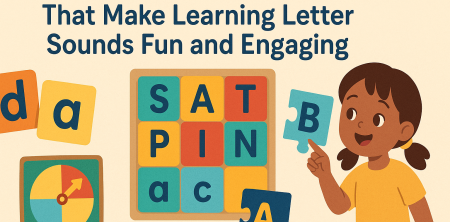
In the early stages of literacy development, phonemic awareness plays a crucial role. It's the ability to hear, identify, and manipulate individual sounds (phonemes) in spoken words. This skill is foundational for reading and writing, yet many children find traditional phonics instruction tedious. That's where phonemic awareness games come into play. These interactive activities not only make learning fun but also foster a deeper understanding of letter sounds. In this article, we’ll explore some effective phonemic awareness games that engage young learners while boosting their literacy skills.
Understanding Phonemic Awareness
Phonemic awareness is often confused with phonics, but it's important to note that they are distinct concepts. While phonics involves the relationship between letters and sounds, phonemic awareness is solely about the sounds themselves. Studies indicate that children with strong phonemic awareness are better equipped to decode words, enhancing their reading fluency and comprehension.
The National Reading Panel emphasizes the significance of phonemic awareness in early education. According to their findings, children who engage in phonemic awareness activities perform better in reading than those who do not. It's a critical skill that lays the groundwork for successful literacy development.
Why Use Games for Phonemic Awareness?
Traditional teaching methods can make learning phonemic awareness feel like a chore. Games, on the other hand, introduce an element of fun that can keep children motivated and engaged. Here are a few reasons why integrating games into phonemic awareness instruction is beneficial:
- Active Participation: Games encourage active involvement, which is essential for learning. Children are more likely to remember sounds when they are engaged in enjoyable activities.
- Social Interaction: Many phonemic awareness games can be played in pairs or small groups, promoting collaboration and communication skills.
- Immediate Feedback: Games often provide instant feedback, helping children understand their mistakes and learn from them in real-time.
- Variety of Learning Styles: Games can cater to different learning styles, whether auditory, visual, or kinesthetic, ensuring that every child can participate meaningfully.
1. Sound Sorting Games
Sound sorting is a classic phonemic awareness game that helps children distinguish between different sounds. In this activity, children sort objects or pictures based on their initial sounds. For instance, you might have pictures of a cat, car, and apple. Kids would sort these into two groups: one for 'c' sounds and another for 'a' sounds.
To make it more interactive, you can incorporate a timer and see how quickly they can sort the items. This not only builds speed and efficiency but also encourages friendly competition. Plus, you can adjust the complexity based on the child's skill level — for beginners, focus on initial sounds, while advanced learners can work on medial or final sounds.
2. Phoneme Bingo
Phoneme Bingo is an exciting twist on the traditional bingo game. Instead of using numbers, this game utilizes pictures or letters that correspond to specific sounds. Create bingo cards featuring various phonemes and call out sounds instead of letters. When a player recognizes a sound on their card, they cover it. The first person to complete a row shouts "Bingo!" and wins.
This game sharpens listening skills and reinforces sound recognition. You can also add a twist by requiring players to say a word that starts with the called sound before covering their space. This additional step strengthens vocabulary and phonemic awareness simultaneously.
3. Sound Hunt
A sound hunt is a scavenger hunt with a phonemic twist. Prepare a list of sounds or phonemes for children to find around the classroom or playground. For example, if you include the 's' sound, kids might find a snake toy, a spoon, or a shoe. The goal is for children to identify objects that match the sounds on their list.
This game encourages exploration and observation while reinforcing the connection between sounds and real-world objects. It's also an excellent way to get children moving, making learning dynamic and active. (See: National Institutes of Health on phonemic awareness.)
4. Rhyming Games
Rhyming is a vital aspect of phonemic awareness, as it helps children recognize sound patterns. You can play rhyming games where children take turns saying a word, and others must come up with a rhyming word. For example, if one child says "cat," others might say "hat," "bat," or "mat."
To add a layer of excitement, you can set a timer and challenge children to come up with as many rhyming words as possible within a specific timeframe. This fast-paced activity not only reinforces sound recognition but also enhances vocabulary and phonological skills.
5. Phoneme Manipulation Games
Phoneme manipulation involves adding, deleting, or substituting sounds in words. You can create games that challenge children to manipulate sounds in fun and engaging ways. For instance, say a word like "cat" and ask them what the word would be if you changed the initial sound to 'h.' The answer would be "hat."
Another variation includes clapping for each sound in a word. For example, with the word "dog," children would clap three times. This activity emphasizes the individual sounds in the word and helps them understand that words are made up of distinct phonemes.
6. Letter Sound Scavenger Hunt
In this game, children embark on a scavenger hunt to find items that start with specific letter sounds. You can provide them with a list of letters or sounds and a bag to collect their findings. For example, if they’re hunting for the sound 'b,' they might find a ball, a book, or a banana.
This interactive experience not only reinforces their understanding of letter sounds but also promotes physical activity. As you evaluate their findings, encourage them to articulate the sounds of each item they collected, reinforcing their learning through speaking and movement.
7. Sound Sorting with Phoneme Cards
Phoneme cards can be an excellent resource for sound sorting activities. Create cards with various letters or pictures representing different phonemes. Children can sort these cards into categories based on initial, medial, or final sounds. This activity can be tailored to their learning level — for example, younger children can focus on simpler sounds while advanced learners tackle more complex phonemes.
To up the ante, you can turn this into a timed challenge, where children race against the clock to sort all the cards. This adds an element of excitement and encourages quick thinking while reinforcing sound recognition.
8. Phoneme Relay Races
Transform learning into a physical and competitive activity with phoneme relay races. Divide children into teams and provide each team with a set of letter cards. As the game starts, one member from each team races to a designated spot, selects a card, and returns to their team. They then must say a word that corresponds with that letter sound.
This engaging activity not only fosters teamwork but also promotes physical movement and sound recognition. It’s a lively way to reinforce phonemic awareness while allowing kids to work together and cheer each other on.
9. Digital Phonemic Awareness Games
With technology becoming integral in education, digital phonemic awareness games can be a fantastic addition to traditional methods. Numerous educational apps and online resources offer interactive phonemic activities designed to engage children. Games often include audio prompts that help children identify sounds, making them accessible for various learning styles. (See: U.S. Department of Education on phonemic awareness.)
While digital games are invaluable, it's essential to balance screen time with hands-on activities. Using a combination of both can provide a well-rounded approach to phonemic awareness, catering to children's diverse needs.
The Role of Educators and Parents
While phonemic awareness games are incredibly beneficial, the role of educators and parents in guiding children through these activities cannot be overstated. Educators are responsible for creating a fun and supportive learning environment, while parents can reinforce these skills at home.
Parents can incorporate phonemic awareness games into daily routines, such as during car rides, mealtime, or playtime. Simple activities like singing songs that emphasize rhyming, playing sound recognition games, or reading books that focus on phonics can greatly enhance their child's phonemic skills.
Beyond Games: Creating a Comprehensive Phonemic Awareness Program
While phonemic awareness games are effective, creating a comprehensive phonemic awareness program involves a variety of strategies and approaches. Here are some key components to consider:
- Consistent Practice: Regularly incorporating phonemic awareness activities into daily routines can reinforce skills. A few minutes each day can lead to significant improvement over time.
- Multisensory Approaches: Engage multiple senses in learning. This might include using visual aids, auditory activities, and kinesthetic movements to reinforce sound concepts.
- Progressive Difficulty: Start with simpler phonemic tasks and gradually increase complexity. This scaffolding approach allows children to build confidence as they master each level.
- Assess and Adapt: Regularly assess children’s phonemic awareness skills to identify areas needing improvement. Tailor your approach based on these assessments to ensure each child is progressing.
Statistics Supporting Phonemic Awareness
Research consistently shows that phonemic awareness is a strong predictor of later reading success. According to the National Institute for Literacy, children who lack phonemic awareness in preschool are at a higher risk for reading difficulties later on. In fact, studies have demonstrated that:
- Approximately 80% of children with reading disabilities struggle with phonemic awareness.
- Phonemic awareness instruction can improve reading comprehension significantly, often by as much as 30% in struggling readers.
- Early intervention in phonemic awareness can lead to more successful outcomes in literacy for at-risk children, providing a strong foundation for future learning.
Expert Perspectives on Phonemic Awareness
Many educators and literacy experts emphasize the value of phonemic awareness in early childhood education. Dr. Marilyn Jager Adams, a renowned expert in literacy development, states, "Phonemic awareness is the single best predictor of a child’s success in learning to read." Her research underlines the necessity of incorporating phonemic awareness training into early childhood curricula.
Additionally, Dr. Timothy Shanahan, a prominent literacy researcher, notes, "Engaging children in phonemic awareness games not only makes learning enjoyable but also fundamentally enhances their reading skills. The joy of play nurtures a love for reading that lasts a lifetime." These expert views support the idea that phonemic awareness is not just a skill but a critical component of lifelong literacy.
Frequently Asked Questions (FAQ)
1. What age should children start phonemic awareness activities?
Phonemic awareness activities can be introduced as early as preschool, around ages 3 to 4. These activities help children develop foundational skills that are crucial for literacy as they grow.
2. How can I assess my child's phonemic awareness skills?
You can assess phonemic awareness through informal activities such as asking your child to identify sounds in words, rhyme words, or manipulate sounds. Formal assessments are also available through educational professionals.
3. Are phonemic awareness games effective for children with learning disabilities?
Yes, phonemic awareness games can be especially beneficial for children with learning disabilities. These games provide an engaging and supportive way to help them develop crucial skills and can be tailored to their specific needs.
4. How do I choose the right phonemic awareness games for my child?
Consider your child's age, interests, and current skill level. Look for games that offer a mix of fun and educational value, ensuring they align with your child's learning style. Variety is key to keeping them engaged.
5. Can phonemic awareness games be played in a group setting?
Absolutely! Many phonemic awareness games are designed for small groups or pairs, promoting social interaction and collaboration. Group settings can enhance motivation and provide peer learning opportunities.
10. Incorporating Phonemic Awareness into Daily Life
Phonemic awareness can easily be integrated into everyday activities to reinforce the skills learned during formal lessons. Here are some practical ways to weave phonemic activities into day-to-day life:
- During Commutes: Engage your child in sound games during car rides. Ask them to identify the first sounds of words in street signs, shop names, or even in songs.
- Cooking Together: When making meals, talk about the ingredients and their sounds. For example, “What sound does ‘b’ in ‘banana’ make?” This turns a mundane task into a fun learning moment.
- Storytime Activities: While reading books, pause to ask questions about the sounds of certain words or find rhymes together. This can lead to an interactive reading experience that solidifies learning.
11. The Importance of Play in Learning
Play is a natural part of childhood and can be a powerful tool for learning. Engaging in phonemic awareness games not only aids in sound recognition but also supports broader developmental areas:
- Social Skills: Cooperative games foster interaction with peers, teaching children how to communicate effectively and work as a team.
- Emotional Growth: Games can boost self-esteem and confidence, especially when children succeed in completing challenges or learning new sounds.
- Cognitive Development: Problem-solving during games boosts critical thinking and creativity, allowing children to explore different ways to approach challenges.
12. Examples of Phonemic Awareness Games You Can Make at Home
If you're looking for ways to create your own phonemic awareness games, here are a few simple ideas:
- Sound Collage: Gather magazines or print images from the internet. Have your child cut out pictures of items that start with the same sound and glue them onto a poster. This visual representation reinforces sound recognition in a creative way.
- Phoneme Puzzles: Create puzzles where each piece represents a sound. For example, have puzzle pieces that form a word when connected correctly. Children can learn how sounds come together to form words.
- DIY Rhyming Dictionary: Encourage your child to create their own rhyming dictionary by drawing pictures or writing words that rhyme. This can help them visualize and remember rhymes more effectively.
Conclusion: Making Phonemic Awareness Fun
Phonemic awareness is a critical skill in early literacy development, and it doesn’t have to be boring. By incorporating phonemic awareness games into learning, educators and parents can create engaging and interactive experiences that promote sound recognition and reading readiness. Not only do these games make learning enjoyable, but they also empower children to become confident readers and communicators. Through play, creativity, and collaboration, children can build a strong foundation that will serve them well throughout their educational journey.
```
Trending Now
- this guide on “building fluency in english language learners: practical classroom techniques that work”
- the complete explanation
- this guide on “can adults have dyscalculia? recognizing and managing math learning disabilities later in life”
- our breakdown of “why young children think more water means a taller glass: explaining conservation concepts”
- “Teaching Math to Children Who Struggle…
Frequently Asked Questions
What is phonemic awareness?
Phonemic awareness is the ability to hear, identify, and manipulate individual sounds (phonemes) in spoken words. It is a critical skill in early literacy development, helping children decode words and improve reading fluency and comprehension.
How do phonemic awareness games help children?
Phonemic awareness games make learning letter sounds fun and engaging, promoting active participation and social interaction. These interactive activities help children remember sounds better and foster a deeper understanding of phonemic concepts.
What is the difference between phonemic awareness and phonics?
Phonemic awareness focuses solely on sounds in spoken words, while phonics involves the relationship between letters and sounds. Both are essential for literacy, but they address different aspects of reading and writing.
Why are games effective for teaching phonemic awareness?
Games are effective for teaching phonemic awareness because they introduce fun and motivation into the learning process. They encourage active participation and collaboration, making it easier for children to engage with and retain phonemic skills.
What activities can improve phonemic awareness in children?
Activities such as rhyming games, sound matching, and phoneme manipulation games can significantly improve phonemic awareness in children. These engaging games help develop their ability to hear and work with sounds in words.
What did we miss? Let us know in the comments and join the conversation.

