```html
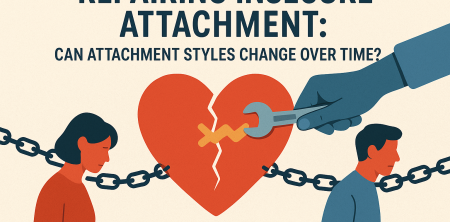
Attachment theory, initially developed by John Bowlby and later expanded by Mary Ainsworth, provides a framework to understand how we connect with others. It’s fascinating to consider that our early relationships, particularly with our caregivers, shape our attachment styles throughout life. For many, these styles can lead to difficulty in relationships; thus, the topic of repairing insecure attachment becomes critical. In this article, we'll explore how attachment styles can change over time, practical strategies for making those changes, and why doing so is essential for healthy relationships.
Understanding Attachment Styles
Attachment styles are generally categorized into four main types: secure, anxious, avoidant, and disorganized. Each style reflects how a person typically relates to others, particularly in intimate relationships. Here’s a brief overview:
- Secure Attachment: Individuals feel comfortable with intimacy and are generally warm and loving.
- Anxious Attachment: These individuals often seek high levels of intimacy and approval but worry about their partner's ability to reciprocate.
- Avoidant Attachment: People with this style tend to value independence and may avoid closeness, often feeling uncomfortable with emotional connection.
- Disorganized Attachment: This style often arises from trauma or inconsistent caregiving, resulting in confusing behaviors in relationships.
Understanding your attachment style is the first step in repairing insecure attachment. It lays the groundwork for recognizing patterns in your relationships and understanding how you can change them.
The Origins of Attachment Styles
Attachment styles are formed early in life, primarily influenced by the parenting styles we experience. If a caregiver is consistently responsive and nurturing, the child develops a secure attachment style. Conversely, inconsistent or neglectful responses may lead to insecure attachment styles.
Research shows that about 50% of the population has a secure attachment style, while the remaining 50% are split among the insecure styles. This statistic highlights the prevalence of attachment issues and the importance of repairing insecure attachment for fostering healthy relationships.
Can Attachment Styles Change?
The idea that attachment styles can change is supported by many mental health professionals. While early experiences significantly shape our attachment styles, they are not set in stone. Life experiences, therapy, and relationships can foster change. Studies indicate that individuals can transition from insecure to secure attachment through positive relationship experiences and therapeutic interventions.
In one study published in the journal Attachment & Human Development, researchers found that individuals who engaged in therapy and developed healthy relationships showed improvements in their attachment styles over time. This suggests that while our past influences us, the future is not predestined.
Practical Steps for Repairing Insecure Attachment
Transforming your attachment style involves both self-reflection and action. Here are several practical strategies for repairing insecure attachment:
1. Self-Awareness
Understand your current attachment style. Reflect on your relationship patterns and triggers. Journaling can be a powerful tool here; document your feelings and reactions in different relational situations. This self-awareness is crucial for identifying areas of improvement.
2. Seek Professional Guidance
Therapy can provide the support needed to explore your attachment style and past experiences. Cognitive-behavioral therapy (CBT) and attachment-based therapy are particularly effective. A therapist can help you work through your feelings, understand their origins, and develop healthier relational habits.
3. Foster Secure Relationships
Build connections with individuals who have secure attachment styles. Their behavior can serve as a model for healthy interactions. Surrounding yourself with emotionally available and supportive people can help you feel secure and confident in your relationships.
4. Practice Communication Skills
Effective communication is a cornerstone of healthy relationships. Practice expressing your needs and feelings openly and honestly. Use “I” statements to express how you feel without blaming others. For example, say, “I feel anxious when you don’t respond quickly to my messages,” instead of, “You never respond to me.”
5. Develop Emotional Regulation Skills
Individuals with insecure attachment often struggle with emotional regulation. Techniques such as mindfulness, deep breathing, and meditation can help you manage anxiety and improve your emotional responses. The more you practice these techniques, the better you'll become at regulating your emotions in relationships. (See: Attachment theory overview on Wikipedia.)
6. Challenge Negative Beliefs
Pessimistic beliefs about yourself and relationships often stem from insecure attachment. Challenge these thoughts by questioning their validity. For instance, if you think, “I’ll always be alone,” consider evidence that contradicts that belief. Write down positive experiences and supportive relationships to help shift your perspective.
7. Be Patient and Persistent
Changing attachment styles is not an overnight process. It requires patience and dedication. Celebrate small victories and acknowledge that setbacks may occur along the way. Consistently apply the strategies above, and over time, you’ll likely notice changes in your relationship patterns.
The Role of Relationships in Changing Attachment Styles
One of the most effective ways to change your attachment style is through relationships. Healthy relationships can counteract negative experiences from the past. When you form bonds with emotionally secure individuals, they can model healthy behaviors, helping you learn new ways to connect.
Research indicates that secure partners can help individuals with insecure attachments feel valued and understood. This validation is crucial for the healing process. Moreover, experiencing consistent and reliable support fosters feelings of safety, enabling individuals to explore their emotions and improve their attachment styles.
The Importance of Community Support
Beyond romantic relationships, community support plays a significant role in repairing insecure attachment. Engage in community activities that promote connection, such as support groups, workshops, or group therapy. Not only does this expand your social network, but it also provides opportunities to practice vulnerable communication in a safe environment.
Building a community of like-minded individuals can help reinforce positive changes in your attachment style. These connections remind you that you’re not alone and that others share similar struggles, providing additional motivation for growth.
Examples of Success Stories
Many individuals have successfully transitioned from insecure to secure attachment styles through dedication and the right support. For instance, consider Sarah, who struggled with anxious attachment throughout her early adulthood. After several failed relationships, she sought therapy to better understand her relationship patterns. Through cognitive-behavioral therapy and learning to communicate her needs effectively, she eventually developed a secure relationship with a partner who provided the emotional support she had always sought.
Another example is David, who exhibited avoidant attachment tendencies. He often pushed partners away, fearing vulnerability. After joining a support group, he learned the importance of emotional connection. With time and practice, he began to allow himself to be more open, ultimately leading him to a fulfilling relationship where he felt comfortable being vulnerable.
Current Relevance
The topic of repairing insecure attachment is more relevant now than ever. As we continue to navigate a world filled with social media, isolation, and anxiety, understanding our attachment styles can help us foster healthier relationships. The principles of attachment theory provide a valuable roadmap for personal growth and connection.
In a society that often promotes individualism, it’s essential to remember that our connections with others are vital for emotional well-being. Taking the steps to understand and repair insecure attachment styles can lead to richer, more fulfilling relationships. Ultimately, as we work on ourselves, we not only change our own lives but also positively impact those around us.
Understanding How Attachment Styles Affect Daily Life
The impact of attachment styles goes beyond romantic relationships; they influence our interactions in friendships, family dynamics, and professional environments. For instance, individuals with anxious attachment may find themselves overly dependent on their friends for validation, while those with avoidant attachment may struggle to form deep connections, often keeping others at arm's length. Recognizing how these patterns manifest in daily life is crucial for addressing them effectively.
In the workplace, attachment styles can affect teamwork and collaboration. An employee with a secure attachment is likely to communicate effectively and build strong, trustworthy relationships with colleagues. In contrast, someone with disorganized attachment may experience erratic behavior that can lead to misunderstandings and workplace conflicts.
Statistics on Attachment Styles
Understanding the prevalence and impact of attachment styles is vital for comprehending the broader societal implications. Studies indicate that about 20% of the population exhibits anxious attachment, while approximately 25% show avoidant attachment styles. Disorganized attachment, often linked to childhood trauma, affects around 15% of people. These numbers highlight that a significant portion of the population may be grappling with challenges related to attachment, necessitating awareness and intervention.
Furthermore, research shows that individuals with secure attachment styles tend to have more fulfilling relationships and greater emotional well-being. They are also less likely to experience mental health issues, illustrating the importance of fostering secure attachments in various aspects of life. (See: Research on attachment styles and relationships.)
Therapeutic Approaches for Repairing Insecure Attachment
Different therapeutic approaches can effectively support individuals in repairing insecure attachment. Here are a few notable ones:
1. Eye Movement Desensitization and Reprocessing (EMDR)
EMDR is particularly beneficial for those with traumatic backgrounds contributing to disorganized attachment. This technique helps individuals process traumatic memories, reducing their emotional charge and allowing them to form healthier attachments. For more on this, see changing attachment styles.
2. Emotionally Focused Therapy (EFT)
EFT focuses on the emotional cycles that couples experience. By identifying and altering negative patterns, individuals can create a secure emotional bond with their partners, which can be transformative for those with insecure attachment styles.
3. Group Therapy
Group therapy offers a platform for individuals to share their experiences and learn from others. Hearing how others navigate their attachment challenges can provide valuable insights and a sense of belonging, which is essential for those struggling with insecurity.
Frequently Asked Questions (FAQ)
What are the signs of insecure attachment?
Signs of insecure attachment may include fear of abandonment, difficulty trusting others, and unhealthy dependency on partners for self-worth. Individuals may also find themselves in repetitive cycles of conflict or withdrawal in relationships.
Can insecure attachment affect parenting styles?
Yes, individuals with insecure attachment may replicate their own experiences in their parenting. They might struggle to provide consistent emotional support to their children, which can then perpetuate a cycle of insecure attachment in the next generation.
Is it possible to fully repair insecure attachment?
While one may not completely erase the effects of insecure attachment, it is possible to develop healthier attachment patterns over time. With self-awareness, therapy, and supportive relationships, significant improvements can be made.
How long does it take to repair insecure attachment?
The timeline for repairing insecure attachment varies for each individual. It depends on factors such as personal commitment, the complexity of past experiences, and the support network available. However, with consistent effort, noticeable changes can often be seen within months.
What role does self-care play in repairing insecure attachment?
Self-care is critical in the healing process. Practicing self-compassion and engaging in activities that boost emotional well-being can enhance the effectiveness of other strategies aimed at repairing attachment styles. It helps individuals to cultivate a sense of self-worth independent of their relationships.
Are there books or resources that can help in understanding and repairing insecure attachment?
Absolutely, several books, such as "Attached" by Amir Levine and Rachel Heller and "The Body Keeps the Score" by Bessel van der Kolk, provide invaluable insights into attachment theory and healing. Online courses and workshops are also available for those seeking guidance in their journey.
Deeper Insights into Attachment Styles and Relationships
To better grasp the nuances of repairing insecure attachment, let’s take a closer look at how these styles impact various relationships, including friendships, family, and workplace dynamics. Recognizing the differences in attachment styles can help you approach interactions with more empathy and understanding.
Attachment Styles in Friendships
Friendships can be profoundly affected by attachment styles. For instance, individuals with anxious attachment may constantly seek reassurance from their friends, leading to feelings of being overwhelmed or smothered by others. On the flip side, someone with avoidant attachment might shy away from deep conversations, preferring surface-level interactions.
To foster healthier friendships, consider having open conversations about attachment styles and how they affect your interactions. This can lead to greater understanding and more profound connections. Friends can help each other develop better communication habits and emotional support systems, ultimately benefiting both parties.
Family Dynamics and Attachment Styles
Family is often the first place where attachment styles are formed. Insecure attachment can lead to ongoing patterns of conflict and misunderstanding within families. For example, a parent with an avoidant style may struggle to connect with their children emotionally, leaving them feeling unsupported and distant.
To navigate these dynamics, it's helpful for families to engage in open dialogue about emotions and attachments. Family therapy can be a valuable tool in addressing these issues, allowing family members to express their feelings and work toward healthier relationships.
The Workplace: Collaborating with Different Attachment Styles
In professional settings, understanding attachment styles can enhance teamwork and productivity. An individual with a secure attachment style may naturally take on a leadership role, fostering an environment of trust and collaboration. In contrast, someone with an anxious attachment might struggle with delegation, fearing that others won't meet their expectations.
To create a harmonious workplace, consider implementing team-building exercises that encourage vulnerability and communication. Understanding how each team member’s attachment style influences their work can lead to more effective collaboration and improved morale.
Long-Term Benefits of Repairing Insecure Attachment
Repairing insecure attachment isn't just about improving current relationships; it can also have long-lasting benefits for overall mental health and well-being. Research suggests that individuals who work through their attachment issues often experience increased emotional resilience, better coping mechanisms, and more satisfying interpersonal relationships.
Additionally, individuals who transition to secure attachment are less likely to experience anxiety or depression. They often report higher levels of life satisfaction and fulfillment, as they can approach relationships with trust and openness rather than fear and insecurity.
Concluding Thoughts on the Journey of Repairing Insecure Attachment
Working on repairing insecure attachment is a journey — one that involves both self-reflection and external support. It requires a commitment to understanding yourself and your patterns and a willingness to engage with others in healthier ways. While the process can be challenging, the rewards are profound: healthier relationships, emotional well-being, and a more fulfilling life.
As you embark on this journey, remember that it's okay to seek help and take your time. Each step you take toward understanding and improving your attachment style is a step toward a more connected and enriched life.
```
Trending Now
Frequently Asked Questions
Can attachment styles change over time?
Yes, attachment styles can change over time due to various life experiences, relationships, and personal growth. Engaging in self-awareness and therapy can help individuals transition from insecure attachment styles to more secure ones, promoting healthier relationships.
What are the different types of attachment styles?
Attachment styles are generally categorized into four types: secure, anxious, avoidant, and disorganized. Each style reflects how individuals relate to others, especially in intimate relationships, influencing their emotional connections and behaviors.
How do you know if you have an insecure attachment style?
Signs of insecure attachment may include fear of intimacy, anxiety about relationships, difficulty trusting others, or avoidance of emotional closeness. Reflecting on relationship patterns and seeking feedback from trusted individuals can help identify these styles.
What are some strategies for repairing insecure attachment?
To repair insecure attachment, individuals can practice self-reflection, engage in therapy, develop emotional awareness, and build trust in relationships. Establishing healthy communication and seeking supportive connections can also facilitate positive changes.
How does childhood influence attachment styles?
Childhood experiences with caregivers significantly influence attachment styles. Consistent, nurturing responses foster secure attachments, while inconsistent or neglectful caregiving can lead to insecure attachment styles, affecting future relationships.
Have you experienced this yourself? We'd love to hear your story in the comments.

