```html
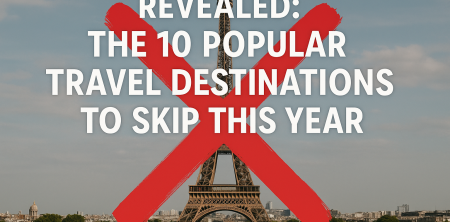
We all dream of that perfect getaway, don't we? Sun-drenched beaches, historic cityscapes, charming alleyways – the kind of places you see plastered across Instagram, promising an idyllic escape. But here's a dose of reality: many of those picture-perfect spots are now buckling under the sheer weight of their own popularity. What was once a serene cultural immersion can quickly become a shoulder-to-shoulder shuffle through a human sardine can. Travel experts, those who truly understand the pulse of global tourism, are increasingly vocal about the need to reconsider some of these beloved locales. They're not saying these places aren't beautiful; they're saying that, right now, they're some of the top travel destinations to skip if you're looking for an authentic, enjoyable, and sustainable experience.
The conversation around overtourism isn't new, but it's reached a fever pitch. Social media is buzzing with travelers sharing their disillusionment, and publications like Fodor's are releasing 'No Lists' that highlight destinations struggling with environmental strain, inflated costs, and simply too many people. It’s creating a real shift in how we approach travel, pushing us to seek out those hidden gems, those alternative routes, and ultimately, those places where our presence doesn't diminish the experience for everyone else, including the locals. So, if you're planning your next adventure, grab a cup of coffee and let's talk about where your hard-earned vacation time might be better spent elsewhere this year.
1. Venice, Italy: The Gondola Gridlock
Ah, Venice. The city of canals, romantic gondola rides, and breathtaking architecture. It's a place that has captivated imaginations for centuries, a UNESCO World Heritage site that feels almost impossibly beautiful. Yet, Venice has become the poster child for overtourism, and it's quickly topping the list of travel destinations to skip. On its busiest days, this floating city, home to just over 50,000 residents, can see upwards of 25,000 visitors. Imagine that kind of density in narrow alleyways and across ancient bridges. It transforms the serene experience you envision into a constant battle for space.
The city has tried to manage the influx, notably implementing an access fee ranging from €5 to €10 on 60 specific peak days this year. While it's a step, many argue it's not enough to truly mitigate the problem. Locals are increasingly pushed out by rising costs and the sheer inconvenience of daily life amidst a perpetual tourist circus. What was once a vibrant, living city now often feels more like a theme park, a ticketed attraction where the unique charm is slowly being eroded by the sheer volume of visitors. If you're dreaming of a peaceful Venetian escape, you might be better off seeking out Italy's equally charming, but far less crowded, canal cities or coastal towns.
2. Santorini, Greece: The Sunset Stampede
Santorini, with its iconic white-washed villages clinging to volcanic cliffs and those legendary sunsets over the Aegean, is undeniably stunning. It's a destination that features prominently on almost every traveler's bucket list, promising an idyllic Greek island experience. However, much like Venice, Santorini's immense popularity has become its Achilles' heel. The small island struggles to accommodate the sheer volume of tourists, especially during peak season. Imagine trying to find a quiet spot for that famous sunset view in Oia, only to be met with thousands of other eager onlookers, all vying for the same sliver of space.
The infrastructure, designed for a much smaller population, is strained. Roads are congested, restaurants are booked solid weeks in advance, and the once-charming pathways are packed. The cost of accommodation and dining has skyrocketed, often disproportionately to the quality of the experience you receive. Many visitors leave feeling a sense of disappointment, realizing that the 'romantic escape' they envisioned was actually a constant battle with crowds. While the views are spectacular, the overall experience can be far from relaxing, making it one of those travel destinations to skip for a truly tranquil Greek island adventure.
3. Barcelona, Spain: The Gaudi Gauntlet
Barcelona is a vibrant, cosmopolitan city celebrated for its stunning architecture, lively streets, delicious food, and beautiful beaches. From Gaudi's whimsical Sagrada Familia and Park Güell to the bustling Las Ramblas, there's no shortage of attractions. This rich tapestry of culture and activity is precisely why so many flock to it, but it's also why Barcelona finds itself on the list of travel destinations to skip for a truly immersive experience right now. The city center, particularly around its most famous landmarks, can feel overwhelmingly crowded, especially during the summer months.
The sheer volume of visitors has led to some friction with locals, who express concern over rising rents, noise pollution, and the displacement of traditional businesses by tourist-oriented ones. While the city has made efforts to manage tourism, such as limiting new hotel licenses, the impact of millions of annual visitors is undeniable. Trying to appreciate the intricate details of Gaudi's work or enjoy a leisurely stroll through the Gothic Quarter can be challenging when you're constantly navigating through dense crowds. For a more authentic Spanish urban experience, you might want to consider alternatives that offer similar cultural richness without the constant crush.
4. Dubrovnik, Croatia: The 'King's Landing' Congestion
Dubrovnik, often dubbed the 'Pearl of the Adriatic,' gained even more international fame as 'King's Landing' in HBO's *Game of Thrones*. This ancient walled city, with its stunning limestone streets, baroque buildings, and shimmering sea views, is undoubtedly picturesque. However, its newfound celebrity status has brought an unprecedented influx of tourists, particularly cruise ship passengers who descend upon the city in waves. On days when multiple cruise ships dock, the narrow streets of the Old Town become almost impassable. (See: The impact of overtourism on travel.)
The city's infrastructure simply wasn't designed for this level of traffic. The charming walls and fortifications, once a pleasure to walk, can become a slow-moving queue. Beyond the crowds, the intense commercialization around *Game of Thrones* merchandise and tours, while understandable, can detract from the historical authenticity of the place. UNESCO has even voiced concerns about the impact of mass tourism on the city's heritage. If you're seeking a tranquil historical experience on the Adriatic, or if you're a *Game of Thrones* fan hoping to truly feel like you've stepped into Westeros, Dubrovnik might be one of the travel destinations to skip this year, at least during peak season.
5. Maya Bay, Thailand: The Closed-Off Paradise
Maya Bay, located in Thailand's Phi Phi Leh island group, shot to global fame after being featured in the Leonardo DiCaprio film *The Beach*. It’s an undeniably beautiful cove, with towering limestone cliffs, pristine white sand, and turquoise waters. For years, it was a quintessential tropical paradise, drawing thousands of visitors daily. However, the very beauty that attracted so many eventually led to its near destruction. The sheer volume of speedboats and tourists caused severe damage to the coral reefs and marine ecosystem, leading to a drastic decline in biodiversity.
Recognizing the environmental catastrophe, Thai authorities made the bold decision to close Maya Bay to tourists in 2018. After a period of rehabilitation, it reopened with strict regulations: a limited number of visitors per hour, no swimming in the bay itself, and boats prohibited from entering the bay. While the closure allowed the ecosystem to recover significantly – with blacktip reef sharks even returning – the experience for visitors is now heavily restricted. It's a testament to the devastating impact of overtourism, and while it's a positive step for conservation, it means that the idyllic, free-spirited beach experience once sought there is no longer possible. If you're looking for an unspoiled Thai beach, you'll need to seek out less famous alternatives, making Maya Bay a cautionary tale and a travel destination to skip for the foreseeable future, at least in its original form.
6. Mount Everest Base Camp, Nepal: The High-Altitude Highway
Reaching Everest Base Camp (EBC) is a dream for many trekkers and adventurers, offering unparalleled views of the world's highest peaks and a taste of high-altitude mountaineering culture. It's a challenging journey that usually involves several days of trekking through the stunning Khumbu region of Nepal. However, even this remote and rugged destination has fallen prey to overtourism, earning its spot on our list of travel destinations to skip for a truly pristine wilderness experience.
In recent years, the popularity of the EBC trek has exploded. The trails, particularly during the spring and autumn trekking seasons, can become surprisingly crowded. Lodges along the route are often fully booked, and the once-solitary mountain paths now resemble a busy highway. This influx not only strains local resources but also generates significant waste, despite efforts by organizations to manage it. Furthermore, the commercialization of the trek can detract from the sense of adventure and isolation that many seek in the Himalayas. If your goal is a truly wild and reflective high-altitude experience, you might find yourself disappointed by the sheer volume of fellow trekkers. There are numerous other breathtaking treks in Nepal that offer similar majesty with far fewer people.
7. Machu Picchu, Peru: The Incan Influx
Machu Picchu, the lost city of the Incas, is an archaeological marvel nestled high in the Andes Mountains of Peru. Its mystical allure, incredible engineering, and breathtaking setting make it one of the most sought-after travel destinations globally. However, like many iconic sites, its immense popularity has necessitated strict management to preserve it, and for some, this makes it a travel destination to skip if you're seeking unbridled exploration.
Peruvian authorities have implemented strict daily visitor limits (currently around 4,000 per day, though this fluctuates), time-slotted entry, and mandatory guide requirements to protect the delicate ruins. While these measures are essential for conservation, they can transform the experience from a spontaneous discovery into a highly regimented tour. You often find yourself moving in a procession with other groups, with limited time at specific viewpoints. The sense of ancient solitude can be hard to come by when you're sharing the space with thousands of others, all following similar routes. While it's an undeniably spectacular site, the sheer logistics and crowds can detract from the profound, awe-inspiring connection you might hope to feel with this ancient wonder.
8. Prague, Czech Republic: The Astronomical Clock Crush
Prague, the 'City of a Hundred Spires,' is renowned for its stunning medieval architecture, charming Old Town Square, and the iconic Charles Bridge. It’s a fairytale city, relatively affordable compared to Western European counterparts, which has made it an incredibly popular destination, particularly for short breaks and stag parties. Unfortunately, this popularity has led to severe overcrowding, especially around its most famous landmarks, making it one of the travel destinations to skip if you prefer breathing room.
The Old Town Square, especially during the hourly chiming of the Astronomical Clock, becomes a dense, almost impenetrable mass of people. Walking across the Charles Bridge can feel less like a romantic stroll and more like a human conveyor belt, pushing you along with the throngs. The once-quaint cobblestone streets are now often bustling with tour groups, souvenir hawkers, and an endless stream of visitors. While the city's beauty is undeniable, the constant crowds can make it difficult to truly soak in the atmosphere, appreciate the intricate details of its buildings, or enjoy a quiet moment. Locals, too, have expressed frustration with the noise, increased costs, and the changing character of their city. For a more relaxed Central European experience, there are equally beautiful cities that offer a similar charm without the claustrophobia. (See: Health and the environment.)
9. Amalfi Coast, Italy: The Coastal Commotion
The Amalfi Coast, with its dramatic cliffs, pastel-colored villages clinging to hillsides, and sparkling Mediterranean views, is the epitome of Italian glamour and natural beauty. Towns like Positano, Ravello, and Amalfi itself are postcard-perfect. However, this slice of paradise has become a victim of its own success, making it one of the travel destinations to skip if you're seeking a serene coastal escape, particularly during peak summer months.
The narrow, winding coastal road (the SS163) struggles immensely with traffic. During high season, it can be a nightmare of bumper-to-bumper cars, buses, and scooters, turning what should be a scenic drive into a frustrating crawl. Parking is virtually nonexistent in many towns, and public transport, while available, is often overcrowded. Once you reach a town, the small piazzas and beaches are frequently packed. Restaurants require reservations far in advance, and the prices for everything, from a simple espresso to a luxury hotel stay, are significantly inflated. The sheer volume of people can overshadow the natural beauty and the relaxed charm that drew visitors there in the first place. For a truly tranquil Italian coastal experience, you might find more peace in less famous regions of Italy.
10. Kyoto, Japan: The Geisha Gawk
Kyoto, Japan's ancient capital, is a city steeped in tradition, famous for its exquisite temples, serene Zen gardens, historic geisha districts, and vibrant cherry blossoms. It offers a profound cultural immersion that many travelers yearn for. However, Kyoto's immense popularity, particularly during cherry blossom season and autumn foliage, has led to significant overtourism, especially in certain areas, positioning it as one of the travel destinations to skip if you desire a truly respectful and uncrowded cultural encounter.
The Gion district, once a place where one might catch a rare, respectful glimpse of a geisha or maiko, has become a notorious hotspot for aggressive tourist behavior. Despite pleas and even fines, visitors often chase, photograph without permission, and harass these cultural performers, turning a beautiful tradition into a spectacle. The famous bamboo groves of Arashiyama, while stunning, are often a continuous queue of people, making it challenging to find a moment of peace. Similarly, popular temples like Fushimi Inari-taisha, with its thousands of red torii gates, are often teeming with visitors, making it hard to appreciate their spiritual significance. While Kyoto is undoubtedly a treasure, the crowds and associated behavioral issues in certain areas can detract from the respectful cultural experience many hope for. Consider visiting during off-peak times or exploring lesser-known temples and neighborhoods for a more authentic and tranquil encounter with Japan's rich heritage.
The Ripple Effect: Beyond the Obvious Crowds
When we talk about overtourism, it's not just about the frustration of standing in long lines or jockeying for a photo op. The impact runs much deeper, affecting the very fabric of the destinations themselves. Think about the economic implications: while tourist dollars are vital, an over-reliance on tourism can lead to a monoculture, pushing out diverse local businesses in favor of souvenir shops and international chains. This can make a city lose its unique character, transforming it into a generic "anywhere" built for visitor consumption rather than local life.
Environmentally, the strain is immense. Increased waste, pollution from transport (especially cruise ships), increased water and energy consumption, and damage to natural ecosystems are all direct consequences. Fragile historical sites, like those in Venice or Machu Picchu, suffer accelerated degradation from millions of footsteps and touches. The sheer volume of people can disrupt wildlife, pollute waterways, and strain delicate infrastructure not built for such an onslaught. It's a complex web of consequences that extends far beyond a crowded selfie.
Expert Perspectives: Shifting Paradigms in Travel
Leading voices in sustainable tourism, like the World Tourism Organization (UNWTO) and researchers from institutions such as the European Travel Commission, are actively advocating for a paradigm shift. They're urging destinations to invest in smart tourism management, which includes data-driven approaches to visitor flow, diversifying attractions to spread out crowds, and empowering local communities in tourism planning. The focus is moving from simply maximizing visitor numbers to maximizing visitor value – both for the tourist and the host community. This means encouraging longer stays, promoting off-season travel, and highlighting authentic cultural experiences that benefit local economies directly, rather than funneling money to large, often foreign-owned, tour operators.
Many experts also point to the psychological impact on both tourists and locals. For travelers, the pressure to "see it all" often leads to rushed, superficial experiences. For locals, the constant disruption, noise, and rising cost of living can lead to resentment, eroding the very hospitality that draws people in the first place. The goal is to foster a more respectful, reciprocal relationship between visitors and residents, ensuring that travel remains a force for good, not a destructive tide. (See: How overtourism is changing travel.)
Alternative Adventures: Where to Go Instead
The good news is that the world is vast and full of incredible places that offer similar charms without the intense pressure. Instead of Venice, consider exploring the canals of Bruges, Belgium, or the stunning waterfronts of Trieste, Italy. Craving Greek island beauty but want to skip Santorini? The Cycladic islands of Sifnos or Folegandros offer similar white-washed charm and breathtaking views with a much calmer vibe. For a vibrant Spanish city experience without Barcelona's crowds, Seville or Valencia burst with culture, incredible food, and architectural wonders. If ancient ruins are your thing, Peru has other spectacular Incan sites like Choquequirao, often called "Machu Picchu's sister," that require a multi-day trek but offer profound solitude. Japan has countless beautiful temples and gardens in cities like Kanazawa or Nara that provide a more serene cultural immersion than peak Kyoto. The key is to research, be flexible, and perhaps, embrace destinations that aren't plastered across every influencer's feed.
Frequently Asked Questions About Avoiding Overtourism
Q: What's the best time of year to visit popular destinations if I absolutely must go?
A: If you're set on seeing a popular spot, your best bet is during the shoulder seasons (spring or fall, just outside of peak summer) or even the off-season. Be prepared for potentially cooler weather or fewer daylight hours, but you'll experience significantly fewer crowds, often lower prices, and a more authentic local atmosphere. Always check specific destination weather patterns and major local holidays, as these can also create unexpected crowds.
Q: How can I identify an 'overtouristed' destination before I book?
A: Look for news articles or travel guides that specifically mention overtourism concerns, like Fodor's "No List." Read recent traveler reviews that comment on crowds, long lines, or inflated prices. Check local government websites for any initiatives to manage tourism (like Venice's entry fee), which can be a sign of existing problems. If a destination is constantly featured in "must-see" lists without mentioning local impact, it's worth a deeper dive.
Q: What can I do as a traveler to be more responsible and avoid contributing to overtourism?
A: Beyond choosing alternative destinations or off-peak travel, you can: support local businesses and artisans, stay in locally-owned accommodations, respect local customs and etiquette, minimize your waste, use public transportation, and educate yourself on the environmental and social issues facing your chosen destination. Choose tour operators committed to sustainable practices and small group sizes.
Q: Are these destinations permanently 'off-limits'?
A: Not necessarily. The idea is to skip them *right now* while they're struggling. Many destinations are actively working on sustainable tourism initiatives. Keep an eye on updates from local authorities and tourism boards. The goal isn't to boycott, but to encourage a more balanced and respectful approach to travel that benefits everyone involved.
The desire to explore the world is a powerful one, and it's completely understandable to want to see these iconic places. But as responsible travelers, it's becoming increasingly important to consider the impact of our choices. These travel destinations to skip aren't inherently 'bad,' but their current popularity often means a compromised experience for you and a strain on the local environment and communities. By seeking out alternatives, traveling during off-peak seasons, or simply choosing destinations that are better equipped to handle tourism, we can help preserve the magic of these places for future generations, and perhaps, find an even more authentic and enjoyable adventure for ourselves.
```
Trending Now
Frequently Asked Questions
What are the most overrated travel destinations to skip this year?
This year, popular travel destinations to skip include Venice, Italy, known for its overcrowded canals, and other hotspots suffering from overtourism. Travel experts suggest avoiding these places to seek more authentic experiences.
Why is overtourism a concern for popular travel destinations?
Overtourism leads to environmental strain, inflated costs, and a diminished experience for travelers and locals alike. Many once serene locations are now overwhelmed by visitors, prompting calls to seek alternative destinations.
Which cities are struggling with overtourism?
Cities like Venice, Barcelona, and Santorini are struggling with overtourism. These locations often face overcrowding, environmental issues, and a decline in the quality of the travel experience.
How can I find less crowded travel destinations?
To find less crowded travel destinations, consider exploring off-the-beaten-path locations, visiting during the shoulder season, or looking for hidden gems recommended by travel experts to ensure a more authentic experience.
What should travelers consider when choosing a destination?
Travelers should consider the impact of their visit on local communities, environmental sustainability, and the potential for overcrowding. Researching current travel trends can help identify destinations that offer a more enjoyable experience.
Agree or disagree? Drop a comment and tell us what you think.

