```html
In recent years, the landscape of employee benefits has faced significant shifts, particularly concerning mental health support and medication accessibility. A report released on June 22, 2026, by the Society for Human Resource Management (SHRM) revealed that while mental health benefits remain prevalent among employers, there has been a notable decrease in coverage. This decline poses pressing questions about the future of mental health support in workplaces, especially as employers wrestle with rising costs associated with treatments like GLP-1 drugs.
The Current State of Mental Health Benefits
According to the SHRM report, coverage for mental health benefits among employers has dropped to 82% in 2026. This marks a decline of six percentage points from 2025 and nine from 2024. As employees increasingly prioritize mental health services, such a decrease raises alarms about accessibility and equity in healthcare provisions. With the pandemic emphasizing the importance of mental health, the shrinking percentage of coverage reflects a concerning trend.
Employers have historically recognized the value of mental health benefits as a means to foster productivity and employee satisfaction. However, the recent drop begs the question: Are companies beginning to prioritize other expenses at the expense of mental health support? In a world where the battle for talent is fierce, withdrawing from these benefits can significantly impact employee morale and retention.
Understanding GLP-1 Drugs: A Costly Necessity
GLP-1 (glucagon-like peptide-1) drugs are a class of medications primarily used to treat type 2 diabetes but have gained attention for their weight-loss benefits. Medications like Ozempic and Wegovy have entered the spotlight due to their effectiveness in managing obesity, prompting many employers to consider covering these treatments within their health plans.
However, this newfound popularity comes with a hefty price tag. As employers grapple with the financial implications of providing these medications, many have found themselves in a bind. The average cost of GLP-1 drugs can exceed $1,000 a month, which strains employer-sponsored health plans and leads to difficult decisions regarding budget allocation.
Cost Pressures and Trade-Offs
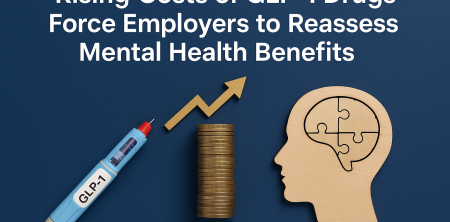
Employers are now faced with the challenging task of managing spiraling healthcare costs while striving to maintain comprehensive benefits for their employees. The increasing expense of GLP-1 medications forces employers to make tough choices, often at the expense of mental health benefits.
Many organizations are finding that as they invest more in GLP-1 drugs, they must reassess their overall health benefit offerings. This can lead to cuts in mental health coverage or a reduction in the variety of services available. For employees, this raises significant concerns about access to essential mental health resources.
The Emotional Toll of Coverage Cuts
The ramifications of reduced mental health benefits extend beyond financial implications. Employees rely on these services for emotional support, therapy, and other essential mental health services. A reduction in coverage can exacerbate feelings of stress and anxiety, leading to a cycle of deterioration in employee well-being.
For many individuals, especially those struggling with mental health issues, the ability to access therapy or counseling can be a lifeline. When employers pull back on these benefits, they inadvertently contribute to a culture where mental health issues are sidelined, negatively affecting workplace morale and productivity.
Employee Frustration and Company Culture
The interplay between mental health benefits and employee satisfaction cannot be overstated. Employees who feel supported in their mental health journey are more likely to be engaged and productive. However, as employers shift their focus toward funding high-cost medications, this can lead to frustration and feelings of neglect among staff.
When mental health benefits dwindle, employees may question their company’s commitment to their well-being. This sense of disillusionment can foster a toxic workplace environment where employees feel undervalued and unsupported. (See: CDC Mental Health Overview.)
Strategies for Employers: Balancing Costs and Care
Companies facing the dual pressures of rising medication costs and the need to provide robust mental health benefits must adopt strategic approaches to balance these challenges. Here are some actionable strategies they can consider:
- Evaluate Benefit Structures: Employers should regularly assess their benefits packages to ensure they are meeting the needs of their workforce while managing costs effectively.
- Promote Preventative Care: Investing in preventive mental health services can reduce long-term costs associated with untreated mental health issues.
- Explore Alternative Therapies: Employers might consider incorporating alternative therapies, such as coaching or mindfulness programs, which can be cost-effective.
- Conduct Employee Surveys: Regularly soliciting employee feedback can help organizations understand what benefits are most valued and where adjustments might be necessary.
Future Considerations: The Role of Employers
As the conversation around healthcare costs continues, employers will need to play an active role in advocating for mental health resources. This involves not only offering robust benefits but also fostering an environment that normalizes mental health conversations. (Ozempic's impact on addiction)
Workplaces that prioritize mental health can benefit from lower turnover rates, increased productivity, and improved employee satisfaction. As the SHRM report highlights, the current trends are concerning. However, they also present an opportunity for companies to rethink their approach to employee well-being.
Implications for Insurance Providers
Insurance providers also have a crucial role to play in this evolving landscape. As employers seek to balance costs associated with GLP-1 drugs and mental health benefits, insurers must consider offering flexible plans that can adapt to the needs of both employers and employees.
By collaborating with employers, insurance companies can develop innovative solutions that provide access to necessary medications while still maintaining a commitment to mental health support. This may involve exploring tiered plans or wellness credits that encourage mental health care.
The Bottom Line: A Call for Action
The findings from SHRM's report underscore a critical juncture for employers: the necessity to prioritize mental health benefits in tandem with the rising costs of medications. As companies navigate these turbulent waters, it’s essential to remember the human aspect behind these decisions.
Employees are not merely numbers in a budget; they are individuals who depend on their employers for support in managing their health. While the pressure to cover costly GLP-1 drugs is real, it should not lead to the diminishment of essential mental health resources.
Ultimately, the future of workplace wellness hinges on a balance of cost management and compassionate care. By championing mental health benefits and seeking innovative solutions, employers can create an environment where all employees feel valued and supported, paving the way for a healthier, more productive workforce.
Expanding the Conversation: The Importance of Mental Health Benefits
As we dive deeper into the topic, it's crucial to understand the broader implications of mental health benefits beyond just employee satisfaction. Mental health is a vital aspect of overall well-being, influencing everything from physical health to workplace dynamics. Research has shown that untreated mental health issues can lead to significant productivity losses. For instance, workplace mental health disorders can cost companies up to $500 billion annually in lost productivity.
This staggering figure underscores the necessity for employers to not only provide mental health benefits but to actively promote their use. Programs that encourage employees to seek help can create a more open environment where mental health is discussed and treated with the same seriousness as physical health issues.
Real-World Success Stories
Some companies have taken progressive steps to enhance their mental health offerings, leading to tangible improvements in employee morale and productivity. For example, a tech firm based in Silicon Valley implemented a comprehensive mental health program that included 24/7 access to counselors, mental health days off, and wellness workshops. Over the course of a year, they reported a 40% decrease in employee turnover and a noticeable increase in overall job satisfaction.
Another example comes from a manufacturing company that integrated mental health training for managers. This initiative equipped leaders with the tools to recognize signs of mental distress in their teams. Consequently, the company saw a 30% reduction in absenteeism rates as employees felt more supported and understood.
Statistics on Mental Health in the Workplace
To fully grasp the impact of mental health benefits, let's look at some compelling statistics: (See: NIMH Mental Illness Statistics.)
- According to the World Health Organization, depression and anxiety disorders cost the global economy approximately $1 trillion each year in lost productivity.
- A study from the National Alliance on Mental Illness found that 76% of employees in the U.S. have experienced symptoms of a mental health condition at some point in their lives.
- Organizations that provide comprehensive mental health benefits report a 25% reduction in healthcare costs related to mental health issues.
- Employees who feel supported by their employers regarding mental health are 44% more likely to stay with their current employer.
Expert Perspectives on Mental Health Benefits
Experts in the field of mental health emphasize the importance of integrating mental health benefits into employee wellness programs. Dr. Sarah Johnson, a clinical psychologist, notes, "When companies invest in mental health, they not only help their employees but also improve their bottom line. Healthy employees are happier, more engaged, and more productive. It's a win-win situation."
Additionally, Dr. Alex Chen, a workplace wellness consultant, explains, "Mental health should be treated as a core component of employee benefits. Just like physical health, mental health is essential for maintaining high performance and overall well-being. Companies that ignore this facet do so at their peril."
Frequently Asked Questions About Mental Health Benefits
What types of mental health services should be included in employee benefits?
Comprehensive mental health benefits should include access to therapy, counseling, medication management, and crisis intervention services. It's also beneficial to include wellness programs that focus on mindfulness, stress management, and preventative care.
How can employers promote mental health benefits effectively?
Employers can promote mental health benefits by regularly communicating about available resources, hosting wellness events, and encouraging a culture of openness regarding mental health discussions. Training managers to recognize signs of mental health issues can also be crucial.
What are the signs that an employee may need mental health support?
Signs can include changes in behavior, increased absenteeism, withdrawal from team activities, decreased productivity, and noticeable shifts in mood. If you notice any of these changes in an employee, it might be time to encourage them to seek support.
Are mental health days a valuable addition to employee benefits?
Absolutely. Mental health days acknowledge the importance of taking time off to focus on well-being, just as one would for physical illness. These days can help prevent burnout and promote long-term employee engagement.
How can companies measure the effectiveness of their mental health benefits?
Companies can measure effectiveness through employee feedback surveys, tracking absenteeism rates, analyzing productivity metrics, and monitoring overall employee satisfaction. Regular assessments can help fine-tune programs for maximum impact.
Looking Forward: The Future of Mental Health Benefits
The conversation around mental health benefits is more relevant than ever. As the workforce evolves, so too must the approach toward mental health support. Employers have a unique opportunity to lead the way by investing in these critical resources, fostering a culture that values not just productivity but also the overall well-being of their employees.
As we move forward, the integration of mental health benefits into employee wellness programs will likely become a standard practice rather than an optional add-on. Companies that recognize this will not only improve their employee satisfaction but also position themselves as leaders in the ever-competitive job market.
The Impact of Remote Work on Mental Health Benefits
The rise of remote work has transformed many aspects of the workplace, including how mental health benefits are delivered and perceived. With more employees working from home, the dynamics of mental health support have shifted dramatically. For many, the isolation associated with remote work can impact mental health significantly. Employers need to adapt their approaches to ensure that all employees, regardless of location, have equal access to mental health resources.
Flexible working arrangements can contribute positively to mental health, allowing employees to balance their work and personal lives better. However, it also requires companies to be proactive in promoting mental health resources. Employers can set up virtual support groups and offer online therapy sessions, ensuring that those who work remotely still feel connected and supported.
Understanding the ROI of Mental Health Benefits
Investing in mental health benefits is not just about compliance or employee satisfaction; it’s about understanding the return on investment (ROI). Research indicates that for every dollar spent on mental health programs, employers can expect a return of up to $4 in reduced healthcare costs and increased productivity.
To quantify this, a study by the American Psychiatric Association found that companies offering mental health programs reported a significant decrease in healthcare expenses and absenteeism. They also noted an increase in work engagement and overall job satisfaction. This suggests that investing in mental health is not just ethically sound but also financially beneficial for businesses.
Creating a Supportive Culture for Mental Health
Beyond just offering mental health benefits, creating a workplace culture that supports mental health is crucial. This includes normalizing discussions about mental health and reducing stigma. As part of this initiative, companies can provide training sessions that help employees and management understand mental health issues better, fostering an environment of empathy and support.
Incorporating mental health awareness into company values can transform how employees view seeking help. When employees see their leaders discussing mental health openly, it encourages others to do the same, creating a cascading effect that promotes well-being across the organization.
Legislation and Employee Rights
As awareness of the importance of mental health benefits grows, so does the legislative landscape surrounding these topics. Laws and regulations related to mental health in the workplace are evolving, often requiring employers to provide certain levels of mental health support. Understanding these requirements is crucial for HR departments, allowing them to ensure compliance while also creating an environment conducive to employee well-being.
For instance, the Americans with Disabilities Act (ADA) protects employees from discrimination based on mental health conditions. As such, employers should strive to understand their obligations under the law regarding mental health accommodations and how best to support employees who may be affected by these issues.
Final Thoughts on Mental Health Benefits
The future of mental health benefits hinges on the recognition that mental health is an integral part of overall employee wellness. Companies that prioritize mental health not only enhance their workplace environment but also set themselves up for long-term success. By investing in mental health benefits and fostering a supportive culture, employers can ensure that their workforce remains healthy, engaged, and productive, ultimately leading to better business outcomes.
As the dialogue continues, it’s clear that mental health benefits will play a pivotal role in shaping the future of work. The companies that lead in this space will be the ones that recognize the profound impact these benefits have on both their employees and their organizational success.
```
Trending Now
Frequently Asked Questions
What are GLP-1 drugs and why are they important?
GLP-1 drugs, such as Ozempic and Wegovy, are medications primarily used to treat type 2 diabetes and have gained attention for their effectiveness in weight loss. Their rising popularity has led employers to consider including them in health plans, highlighting the intersection of diabetes management and obesity treatment.
How have mental health benefits changed in recent years?
Mental health benefits among employers have seen a decline, dropping to 82% coverage in 2026, down from previous years. This trend raises concerns about accessibility and equity in mental health support, especially as employees prioritize these services more than ever.
Why are employers reassessing mental health benefits?
Employers are reassessing mental health benefits due to rising costs associated with treatments like GLP-1 drugs. As they face budget pressures, there are concerns that mental health support may be deprioritized, potentially impacting employee morale and retention.
What impact does the decline in mental health coverage have on employees?
The decline in mental health coverage can lead to decreased accessibility to essential services, affecting employee well-being, satisfaction, and productivity. In a competitive job market, reduced support may also harm employee retention and morale.
Are GLP-1 drugs a factor in mental health benefit decisions?
Yes, the rising costs of GLP-1 drugs are influencing employers' decisions regarding mental health benefits. As employers navigate financial pressures, the prioritization of expensive medications can lead to reductions in mental health coverage, raising concerns about employee support.
Have you experienced this yourself? We'd love to hear your story in the comments.

