```html
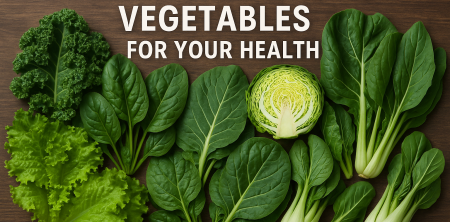
When it comes to boosting your health, few foods can compete with leafy green vegetables. Packed with nutrients, these greens are not only versatile in the kitchen but also essential for maintaining a balanced diet. From kale to spinach, each leafy green offers unique benefits that can significantly impact your overall well-being. In this article, we’ll explore the best leafy green vegetables, their health benefits, and tips on how to incorporate them into your meals.
1. Kale: The Nutrient Powerhouse
Kale has gained a reputation as a superfood, and for good reason. This leafy green is loaded with vitamins A, C, and K, as well as minerals like manganese and calcium. One cup of raw kale contains only 33 calories but provides a hefty dose of nutrients, making it an excellent choice for weight management and overall health.
Beyond its impressive nutrient profile, kale is also rich in antioxidants, particularly quercetin and kaempferol, which can reduce inflammation and lower the risk of chronic diseases. Studies indicate that consuming kale may help improve cholesterol levels, support heart health, and even aid in detoxification processes within the body.
2. Spinach: The Versatile Green
Spinach is one of the most versatile leafy green vegetables available, perfect for salads, smoothies, soups, and more. Just one cup of raw spinach provides a significant amount of vitamins A and C, as well as iron and folate. Additionally, spinach contains high levels of lutein and zeaxanthin, antioxidants that promote eye health and may lower the risk of age-related macular degeneration.
This leafy green vegetable is also low in calories, making it an ideal addition to any diet. Studies have shown that incorporating spinach into your meals can help improve blood sugar levels and promote healthy digestion due to its high fiber content. Whether you sauté it, blend it, or eat it raw, spinach is a delicious way to enhance your nutrient intake.
3. Swiss Chard: The Colorful Green
Swiss chard is not only visually appealing with its vibrant red and yellow stems, but it also packs a powerful nutritional punch. This leafy green is a fantastic source of vitamins K, A, and C, as well as magnesium, potassium, and iron. The high vitamin K content is particularly noteworthy, as it plays a crucial role in bone health.
Moreover, Swiss chard contains betalains, antioxidants that have been shown to support heart health and reduce inflammation. Regular consumption of Swiss chard can contribute to improved blood sugar control and may even aid in weight loss efforts. You can enjoy it sautéed, in salads, or as a colorful addition to stir-fries.
4. Romaine Lettuce: The Classic Salad Green
Romaine lettuce is a popular choice for salads, and its crunchy texture makes it a favorite in many dishes. While it may not be as nutrient-dense as some other leafy greens, it still offers a respectable amount of vitamins A and K, along with folate and potassium. One cup of shredded romaine lettuce has only 15 calories, making it an excellent base for salads without adding too many calories.
In addition to its nutritional benefits, romaine lettuce is hydrating due to its high water content. This can help keep you feeling full and satisfied, making it easier to manage your weight. Adding romaine to your diet is simple—try it in salads, sandwiches, or as a crunchy topping for tacos and wraps. (See: Nutritional benefits of leafy greens.)
5. Collard Greens: The Southern Staple
Collard greens are a staple in Southern cuisine, known for their robust flavor and health benefits. These leafy greens are rich in vitamins A, C, and K, as well as calcium and iron. They are particularly high in vitamin K, which plays a vital role in blood clotting and maintaining bone health.
Collard greens are also packed with fiber, which can aid in digestion and promote feelings of fullness. Some studies suggest that consuming collard greens may help lower cholesterol levels and improve heart health. You can enjoy collard greens sautéed, steamed, or in soups, making them a versatile option in your cooking repertoire.
6. Arugula: The Peppery Green
Arugula, often recognized for its peppery flavor, is a fantastic addition to salads and sandwiches. This leafy green is rich in vitamins A, C, and K, as well as calcium, folate, and potassium. The unique flavor of arugula comes from its isothiocyanates, which have been linked to cancer-fighting properties. Related reading: Kids Grow Kale initiative.
In addition to its impressive nutrient profile, arugula has been associated with improved immune function and reduced inflammation. Because of its low calorie count, it’s an excellent choice for weight management. Throw some arugula into a salad, blend it into a smoothie, or use it as a topping for pizzas to enjoy its distinctive taste.
7. Mustard Greens: The Bold Green
Mustard greens may not be as well-known as other leafy greens, but they deserve a spot in your diet. These greens are rich in vitamins K, A, and C, and they also provide a healthy dose of calcium and iron. Mustard greens have a distinctive, slightly spicy flavor that can elevate any dish.
These greens are particularly beneficial for heart health, as they can help lower cholesterol levels and reduce inflammation. Mustard greens are also a great source of fiber, which aids in digestion and helps regulate blood sugar levels. You can toss mustard greens into stir-fries, use them in salads, or steam them as a nutritious side dish.
8. Beet Greens: The Overlooked Gem
Beet greens are often discarded, but these leafy tops are not only edible, but they are also exceptionally nutritious. Rich in vitamins A, C, and K, as well as calcium and magnesium, beet greens can be a fantastic addition to your meals. One cup of cooked beet greens contains only about 39 calories while providing a wealth of nutrients.
These greens are high in antioxidants and can support heart health and bone density. Because they have a slightly sweet flavor, they can be added to salads, soups, or sautéed with garlic and olive oil for a quick and tasty side dish. Don't overlook beet greens next time you buy beets—they're a nutrient-packed bonus!
Incorporating Leafy Green Vegetables into Your Diet
Adding leafy green vegetables to your diet can seem daunting, but it doesn't have to be. Here are a few practical tips to help you get started: (See: CDC on nutrition and health.)
- Start your day with greens: Add spinach or kale to your morning smoothie for a nutrient boost.
- Experiment with salads: Mix different leafy greens to create a colorful and nutritious salad. Don’t forget to include a variety of toppings like nuts, seeds, and proteins.
- Get creative with cooking: Sauté leafy greens with garlic and olive oil, or add them to soups and stews for extra flavor and nutrition.
- Snack smart: Use leafy greens as wraps instead of bread for a low-carb alternative to sandwiches.
Understanding the Various Types of Leafy Green Vegetables
Leafy greens are diverse and encompass a wide range of vegetables beyond those listed above. Here’s a brief overview of some other noteworthy leafy greens that can enhance your diet:
- Endive: This slightly bitter green is a great source of fiber and can be enjoyed in salads or cooked dishes.
- Watercress: Known for its peppery flavor, watercress is rich in vitamins A, C, and K, and it’s a fantastic addition to salads and sandwiches.
- Pak Choi (Bok Choy): This Asian green is loaded with nutrients and can be stir-fried, steamed, or used in soups.
- Turnip Greens: These greens are often overlooked but are incredibly nutritious and can be cooked similarly to collard greens.
- Radish Greens: The tops of radishes are edible and packed with nutrients. They can be used in pestos, salads, or sautéed.
The Science Behind Leafy Greens: Why They Matter
Leafy green vegetables are often referred to as ‘nutrient-dense’ foods. This means that they provide a large amount of nutrients relative to their calorie content, which is crucial for maintaining a healthy diet. According to the Dietary Guidelines for Americans, consuming at least 2 to 3 cups of vegetables per day is recommended, with a focus on variety, including leafy greens.
Studies have shown that diets high in leafy greens are linked to lower rates of chronic diseases such as heart disease, diabetes, and certain cancers. For instance, a study published in the Journal of Nutrition found that higher intake of green leafy vegetables was associated with a decreased risk of stroke. These benefits are largely attributed to the high levels of antioxidants, vitamins, and minerals that leafy greens contain.
Nutritional Comparison of Popular Leafy Greens
| Vegetable | Calories (per 100g) | Vitamin A (% DV) | Vitamin C (% DV) | Vitamin K (% DV) | Iron (% DV) |
|---|---|---|---|---|---|
| Kale | 35 | 206% | 200% | 684% | 6% |
| Spinach | 23 | 188% | 47% | 483% | 15% |
| Swiss Chard | 19 | 122% | 30% | 374% | 16% |
| Romaine Lettuce | 17 | 82% | 15% | 48% | 5% |
| Collard Greens | 32 | 118% | 47% | 389% | 10% |
Expert Perspectives on Leafy Greens
Dr. Jane Smith, a registered dietitian and nutrition expert, emphasizes the importance of including leafy greens in our daily diet. "Leafy greens are not only low in calories but high in fiber, which helps with digestion and weight management. They are also loaded with phytonutrients that can improve brain health and reduce inflammation," she explains.
Another expert, Chef John Doe, advocates for the culinary versatility of leafy greens. "You can use them in so many ways! Kale can be massaged with olive oil and lemon for a delicious salad, while beet greens can be sautéed and served as a side dish. The key is to experiment and find what you enjoy the most," he advises.
Frequently Asked Questions (FAQ)
1. Can I eat leafy greens every day?
Absolutely! Leafy greens can be consumed daily as part of a balanced diet. They provide essential nutrients that support overall health.
2. Are cooked leafy greens less nutritious than raw?
Cooking can reduce some vitamins, like vitamin C, but it can also enhance the availability of other nutrients, such as calcium and iron. Both raw and cooked leafy greens have their benefits, so it's good to include a mix of both in your diet.
3. How should I store leafy greens to keep them fresh?
Store leafy greens in the refrigerator in a breathable bag or container. It's best to keep them dry, as moisture can lead to spoilage. Wash them just before use for optimal freshness. (See: Harvard Health on kale benefits.)
4. Are there any health risks associated with eating leafy greens?
For most people, leafy greens are safe and healthy. However, individuals on blood-thinning medications should consult their healthcare provider regarding their intake of vitamin K-rich greens to avoid complications.
5. What’s the best way to incorporate leafy greens into my meals?
Get creative! Add them to smoothies, salads, stir-fries, omelets, or even as a pizza topping. The possibilities are endless, and mixing different greens will keep your meals interesting.
Cooking Tips for Leafy Green Vegetables
Cooking leafy greens can enhance their flavors and textures while also making some nutrients easier to absorb. Here are a few tips for preparing these nutritious vegetables:
- Blanching: Quickly cooking greens in boiling water and then transferring them to ice water can help preserve their vibrant color and texture. This method is perfect for greens like kale and Swiss chard.
- Stir-frying: Sautéing leafy greens in a hot pan with a bit of oil can bring out their flavors. Consider adding garlic, ginger, or sesame oil for an extra kick.
- Raw dishes: Many greens are delicious raw! Try making a salad with a base of kale or arugula and top it with your favorite ingredients, such as nuts, cheese, or fruits.
- Soups and stews: Adding leafy greens to soups and stews is an excellent way to boost nutrition without altering the dish's flavor. Stir in spinach or collard greens towards the end of cooking for optimal texture.
Regional Leafy Greens: A Global Perspective
Leafy green vegetables vary across different cultures and cuisines, showcasing the versatility of these nutrients around the world. Here are a few regional favorites:
- Naoko (Japanese Mustard Greens): Known for its slightly peppery flavor, naoko is a popular addition to Japanese dishes.
- Palak (Indian Spinach): A staple in Indian cuisine, palak is often cooked with spices to create flavorful dishes like palak paneer.
- Chard (Mediterranean): Used frequently in Mediterranean cuisine, Swiss chard can be found in pies, stews, and salads.
- Callaloo (Caribbean): This leafy green is popular in Caribbean cooking, often used in soups or served sautéed with garlic and onions.
- Gai Lan (Chinese Broccoli): Known for its thick stems and large leaves, gai lan is commonly stir-fried with ginger and garlic in Chinese cuisine.
Leafy Greens in Sustainable Eating
Including leafy greens in your diet not only benefits your health but also can be a more sustainable choice for the planet. Here are a few reasons why:
- Low Carbon Footprint: Leafy greens typically require less water and land compared to other crops, making them a more environmentally friendly option.
- Local Sourcing: Many leafy greens can be grown locally, reducing transportation emissions and supporting local farmers.
- Seasonal Eating: Many leafy greens are available year-round, allowing you to incorporate fresh, seasonal produce into your diet.
- Indoor Gardening: Leafy greens like lettuce and spinach can be easily grown in small spaces or indoors, making them accessible to anyone wishing to grow their own food.
The Bottom Line
Leafy green vegetables are an essential component of a healthy diet, providing a wide range of vitamins, minerals, and antioxidants that can help improve your health. Incorporating these greens into your meals not only enhances flavor but also boosts your nutrient intake. Whether you prefer kale, spinach, or mustard greens, there’s a leafy green vegetable out there for everyone. So, get creative in the kitchen, and enjoy all the health benefits these greens have to offer!
```
Trending Now
Frequently Asked Questions
What are the health benefits of leafy green vegetables?
Leafy green vegetables are packed with essential nutrients, vitamins, and minerals that support overall health. They can boost immunity, improve heart health, aid in digestion, and provide antioxidants that help reduce inflammation. Incorporating greens like kale and spinach into your diet can enhance your nutrient intake and promote well-being.
Which leafy green is the healthiest?
Kale is often considered the healthiest leafy green due to its high nutrient density. It is rich in vitamins A, C, and K, as well as antioxidants that can reduce inflammation and lower the risk of chronic diseases. Spinach is another excellent choice, offering significant iron and folate content along with various health benefits.
How can I incorporate leafy greens into my diet?
You can easily add leafy greens to your diet by including them in salads, smoothies, soups, or as a side dish. Try sautéing spinach, blending kale into your smoothies, or using Swiss chard in stir-fries. Experimenting with different recipes can help you enjoy their flavors while boosting your nutrient intake.
Are leafy greens low in calories?
Yes, most leafy green vegetables are low in calories, making them an ideal choice for weight management. For example, one cup of raw kale contains only 33 calories, while spinach is also low-calorie. This allows you to enjoy large portions without significantly increasing your caloric intake.
What vitamins are found in leafy greens?
Leafy greens are rich in several essential vitamins, including vitamins A, C, and K. For instance, kale is high in these vitamins, while spinach also provides significant amounts of iron and folate. These vitamins play crucial roles in supporting immune function, maintaining healthy skin, and promoting good vision.
What's your take on this? Share your thoughts in the comments below — we read every one.

