```html
Casseroles are a staple in many households, especially during the holiday season and family gatherings. One popular ingredient that often makes its way into these comforting dishes is green beans. But when it comes to canned green beans for casserole, not all varieties are created equal. Selecting the right type can significantly affect your dish's taste and texture, making it crucial to understand your options. In this article, we’ll explore the best types of canned green beans for casserole, offering practical insights and tips to elevate your culinary creations.
1. The Appeal of Canned Green Beans
Canned green beans have long been a go-to ingredient for casseroles and other dishes due to their convenience, long shelf life, and affordability. They are pre-cooked, which means you don’t have to spend time preparing fresh beans. This can be a lifesaver during busy holiday preparations or weeknight dinners. Additionally, they can be found year-round, unlike fresh green beans, which are seasonal in many regions.
Health-wise, canned green beans retain many of the nutrients of their fresh counterparts, including vitamins A and C, iron, and fiber. However, it’s essential to read labels carefully, as some brands may contain added sodium or preservatives that can detract from their health benefits. Choosing low-sodium options can help you create a healthier casserole without sacrificing flavor.
2. Types of Canned Green Beans
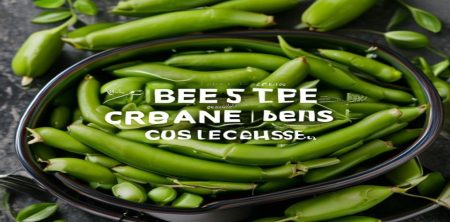
When selecting canned green beans for casserole, you’ll typically encounter three main types: whole, cut, and French-style. Each type offers different textures and flavors, which can impact your dish.
- Whole Green Beans: These are intact beans, usually about 4-5 inches long. They maintain a firmer texture and are great for casseroles where you want a more substantial bite. Whole green beans work well in recipes that feature a creamy sauce and crunchy toppings.
- Cut Green Beans: Cut beans are shorter, chopped pieces that blend well into casseroles, providing a softer texture overall. They’re particularly useful in dishes where you want the green beans to meld into the other ingredients.
- French-Style Green Beans: These beans are cut into thin strips and often have a slightly different texture compared to cut beans. They can add a unique flair to your casserole, especially if you’re looking for a dish with a more refined presentation.
Choosing the right type will depend on your personal preference and the overall texture you want to achieve in your casserole.
3. Flavor Profiles of Canned Green Beans
While canned green beans are typically mild in flavor, there can be notable differences between brands and varieties. Some canned green beans are packed with seasonings, while others are plain. When choosing canned green beans for casserole, consider the flavor profile that would best complement your dish.
For example, if your casserole includes a rich, cream-based sauce, you may want to select plain or low-sodium green beans to avoid overwhelming the dish. On the other hand, if you’re creating a casserole with a lot of spices and herbs, opting for a seasoned variety could enhance the overall taste. Don’t hesitate to experiment with different flavors, as this can lead to delightful surprises in your cooking.
4. Texture Matters: Avoiding Soggy Beans
One common complaint about canned green beans is their texture – they can sometimes turn out mushy in casseroles. To prevent this, there are a few strategies you can employ. First, consider draining and rinsing the canned beans before adding them to your casserole. This step can help remove excess sodium and improve texture.
Additionally, baking your casserole at a higher temperature for a shorter time can help retain the beans' integrity. Try covering your casserole in the first half of the cooking time to allow the top to brown while keeping the beans from becoming overcooked. You’ll find that a little attention to cooking times can make a significant difference in the final dish.
5. Popular Recipes Featuring Canned Green Beans
Many classic casserole recipes incorporate canned green beans, making them a versatile ingredient. One beloved dish is the traditional green bean casserole, which often features cream of mushroom soup and crispy fried onions. The combination of textures and flavors is irresistible, and using high-quality canned green beans can elevate this dish to new heights.
Another great recipe is the green bean and cheese casserole, which adds a delightful cheesy element to the mix. You can experiment with different types of cheese, such as sharp cheddar or even blue cheese, to create a unique flavor profile. Regardless of the recipe you choose, the right canned green beans can help you achieve a delicious result. (See: Nutritional benefits of green beans.)
6. Comparing Brands: Which Canned Green Beans Reign Supreme?
When it comes to choosing canned green beans for casserole, the brand can make a significant difference in taste and quality. While personal preference plays a role, some brands are consistently praised for their flavor and texture. Popular options include Del Monte, Green Giant, and Libby’s.
Del Monte is often noted for its whole green beans, which maintain a firm texture even after cooking. Green Giant, on the other hand, offers a variety of choices, including organic options. Libby’s is recognized for its cost-effective pricing without sacrificing quality. It’s worth trying several brands to find the one that best fits your taste and the specific casserole you’re preparing.
7. Health Considerations: Choosing Low-Sodium Options
Health-conscious cooks often seek low-sodium canned green beans to keep their casseroles healthier. High sodium intake has been linked to various health issues, including hypertension and heart disease. Many reputable brands now offer low-sodium options, making it easier to enjoy the flavors of canned green beans without the added salt.
When shopping, look for labels that specify "low sodium" or "no salt added." You can also rinse regular canned green beans to remove some of the salt, but this may wash away some flavor. Always consider the overall seasoning of your casserole and adjust the salt accordingly to maintain a balanced taste.
8. Storing Canned Green Beans
One of the significant advantages of canned green beans is their long shelf life. However, proper storage is essential to ensure they remain in good condition. Store your canned goods in a cool, dry place away from direct sunlight. This will help preserve the flavor and nutritional content of the beans.
Check expiration dates regularly and use the older cans first to avoid waste. If you find cans that are bulging or leaking, discard them immediately, as they may indicate spoilage. Being mindful of storage can save you from unpleasant surprises when you decide to whip up a casserole.
9. Experimentation and Personalization: Adding Your Twist
Finally, don’t be afraid to get creative with your canned green beans for casserole. While traditional recipes have their charm, adding personal touches can elevate your dish. Consider mixing different types of canned green beans to create a unique texture or pairing them with unexpected ingredients like nuts, dried cranberries, or different cheeses.
Moreover, you can enhance the flavor by adding herbs and spices directly to your casserole. Ingredients like garlic powder, onion powder, or even a pinch of cayenne pepper can add depth to your dish. Remember, cooking is as much about personal expression as it is about following recipes – let your culinary instincts guide you!
10. Seasonal Variations: Incorporating Fresh Ingredients
Casseroles are often viewed as comfort food, but they can be seasonal too. While canned green beans are a fantastic base, you can enhance your dish by incorporating fresh ingredients that are in season. For instance, during the spring or summer, try adding fresh herbs like dill or thyme to complement the flavors of the canned green beans. In the fall, consider mixing in roasted squash or sweet potatoes for added sweetness and texture.
These seasonal variations keep your casserole exciting and can give it a fresh twist. You can also experiment with different toppings, such as a breadcrumb and Parmesan mixture or even crushed crackers for added crunch. Changing the toppings can transform your casserole and make use of whatever is available.
11. Expert Tips for Perfect Casseroles
To ensure your casseroles shine, here are some expert tips to keep in mind: For more on this, see best canned green beans.
- Layering Ingredients: When making a casserole, layer your ingredients thoughtfully. For example, place canned green beans on the bottom, followed by other vegetables and the sauce, and top with your crunchy elements. This layering not only provides a beautiful presentation but also ensures even cooking.
- Preheat Your Oven: Always preheat your oven before baking your casserole. This ensures that your dish cooks evenly and helps to lock in flavors.
- Use a Dutch Oven: If you want to make a large casserole, a Dutch oven can be a great asset. It distributes heat evenly and can be used on the stovetop to sauté ingredients before placing them in the oven.
- Let It Rest: After baking, let your casserole rest for a few minutes before serving. This helps the flavors meld and makes for easier slicing and serving.
12. Frequently Asked Questions (FAQ) about Canned Green Beans for Casserole
1. Can I use frozen green beans instead of canned for casseroles?
Yes, you can use frozen green beans, but they will require a different cooking time. Frozen beans often need to be blanched before adding to a casserole. If you’re looking for a firmer texture, frozen might be the better option. (See: CDC nutrition guidelines.)
2. How do I enhance the flavor of canned green beans?
You can enhance the flavor of canned green beans by sautéing them with garlic and onions before adding them to your casserole. Adding spices such as Italian seasoning or paprika can also elevate the flavor profile significantly.
3. Are canned green beans safe to eat after the expiration date?
While canned goods can often be safe to consume after their expiration date, it’s best to check for any signs of spoilage such as bulging, leaks, or off odors. If the can looks and smells fine, it should be safe to use.
4. What can I do with leftover casserole?
Leftover casserole can be stored in an airtight container in the refrigerator for up to 3-4 days. You can also freeze portions for later use. Just be sure to reheat it thoroughly before serving.
5. Can I use canned green beans in other types of dishes?
Absolutely! Canned green beans can be used in salads, stir-fries, soups, and more. Their versatility makes them a great pantry staple.
6. What side dishes pair well with green bean casserole?
Green bean casserole pairs wonderfully with mashed potatoes, roasted meats, or a simple side salad. The creamy texture and savory flavors complement rich main dishes beautifully.
7. How do I make a vegetarian version of green bean casserole?
To make a vegetarian green bean casserole, use vegetable broth instead of chicken broth and ensure that any toppings are vegetarian-friendly, like panko breadcrumbs or dairy-free cheese.
8. Can I make green bean casserole ahead of time?
Yes, you can prepare the casserole ahead of time. Just assemble it without baking and store it in the fridge. When ready to bake, simply pop it in the oven cold, but you may need to adjust the cooking time.
13. Advanced Techniques: Crafting Casseroles Like a Pro
Ready to take your casserole game to the next level? Advanced techniques can help elevate your dish from ordinary to extraordinary. Here are some suggestions:
- Bechamel Sauce: Consider making a homemade bechamel sauce as a base for your casserole. This creamy sauce, made from butter, flour, and milk, adds a luxurious texture and flavor. It can replace the standard cream of mushroom soup for a fresher taste.
- Cheese Sauce: Instead of just using shredded cheese, create a cheese sauce by melting cheese into a béchamel or a simple white sauce. This adds richness and creaminess that perfectly complements the canned green beans.
- Crispy Toppings: Instead of traditional fried onions, experiment with various toppings like homemade breadcrumbs mixed with herbs and spices, crushed potato chips, or even crispy bacon bits for added flavor and crunch.
- Layering Flavors: Don’t just layer your ingredients; think about layering flavors. Consider adding a layer of sautéed mushrooms or roasted garlic along with the green beans, which can significantly enhance the overall flavor profile of your casserole.
14. The Environmental Impact of Canned Green Beans
While canned green beans offer convenience and affordability, it's essential to consider their environmental impact. Canning is a preservation method that can help reduce food waste, but it does involve energy consumption during the processing and packaging phases.
Choosing brands that prioritize sustainable practices can make a difference. Look for organic options and brands that utilize environmentally friendly packaging. Some companies also focus on sourcing their beans from sustainable farms. Supporting these brands can contribute to a healthier planet while allowing you to enjoy delicious canned green beans in your casseroles. (See: Harvard's nutrition source.)
15. Global Variations: How Different Cultures Use Green Beans
Green beans are enjoyed worldwide, and various cultures incorporate them into their cuisines in exciting ways. In French cooking, green beans often appear in a dish called "haricots verts," usually sautéed with garlic or served with a vinaigrette. Meanwhile, in Asian cuisines, green beans are frequently stir-fried with soy sauce, garlic, and sesame oil, bringing out their natural sweetness.
By exploring global variations, you can introduce new flavor profiles to your casserole. Consider incorporating Asian spices or French-style techniques to create a unique twist on traditional green bean casserole.
16. Seasonal Casserole Ideas Beyond Green Beans
While canned green beans are a fantastic option, you might also consider seasonal vegetables for your casseroles as they become available. During the fall, squash, sweet potatoes, and Brussels sprouts can add beautiful colors and flavors. In the winter, consider root vegetables like carrots and parsnips. Spring brings forth fresh asparagus and peas, while summer is perfect for zucchini and bell peppers.
Mixing these seasonal vegetables with your canned green beans can create a delightful medley that showcases the best produce available throughout the year. Plus, it keeps your casseroles vibrant and interesting!
17. Converting Traditional Recipes: Making Canned Green Bean Casserole Your Own
If you have a family recipe for green bean casserole that has been passed down through generations, consider how you can make it your own. Start by assessing which ingredients are essential and which could be updated or substituted. For example, if you're used to a traditional cream of mushroom soup, try making a homemade version or replacing it with a new flavor, such as a cheese sauce or a white wine sauce.
Adding fresh herbs, spices, or even a hint of citrus can also brighten up the dish. Writing your variations on the family recipe can be a fun way to engage with your loved ones and create new memories in the kitchen.
18. Conclusion: The Versatility of Canned Green Beans for Casserole
Canned green beans are an incredibly versatile ingredient that can transform a simple casserole into a memorable dish. With their long shelf life, affordability, and the wide range of textures and flavors available, they are a must-have in any pantry. Whether you're preparing a traditional green bean casserole or experimenting with new flavor combinations, canned green beans can be a delicious addition to your culinary repertoire.
So next time you're whipping up a casserole, consider how these humble beans can elevate your dish and make your meal a true celebration of flavors and textures!