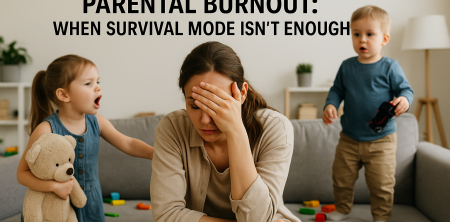
Let's be honest, parenting is a marathon, not a sprint. And for many of us, it often feels like we're running it with a backpack full of bricks, uphill, in the mud. The kind of exhaustion that seeps into your bones, makes you irritable at the slightest provocation, and leaves you feeling utterly depleted – that's parental burnout. It's not just feeling tired; it's a deep-seated emotional, physical, and mental exhaustion that comes from chronic, unrelenting stress. It's a growing public health issue, and if you're reading this, chances are you've either experienced it yourself or know someone who has.
Recovery from this kind of burnout isn't a one-size-fits-all solution. For some, a few tweaks to daily routines might be enough to pull them back from the brink, a sort of 'survival mode parenting' approach. For others, the exhaustion runs so deep that professional intervention becomes not just helpful, but absolutely necessary. The U.S. Surgeon General's 2024 advisory didn't mince words, highlighting parental mental health as an urgent concern, underscoring its profound impact not just on parents, but on child development too. So, how do you know which path is right for you? When do you lean on immediate, practical 'survival mode' parental burnout recovery strategies vs professional help?
1. Understanding Parental Burnout: More Than Just Being Tired
Before we can even talk about recovery, we need to truly grasp what parental burnout is. It’s not just the normal fatigue that comes with broken sleep and endless to-do lists. This is a state of chronic stress that leads to distinct symptoms: emotional exhaustion, a sense of personal accomplishment dwindling to nothing, and sometimes, even emotional distancing from your children. You might find yourself snapping at your kids more often, feeling detached from moments that should bring joy, or struggling to find the energy to do even the simplest tasks.
Think of it like this: your emotional and physical reserves are completely drained. Every day feels like you're operating on fumes. When you're in this state, your ability to parent effectively, to connect with your children, and even to care for yourself diminishes significantly. It’s a vicious cycle where the stress exacerbates the exhaustion, which in turn makes it harder to manage the stress. It's crucial to acknowledge this isn't a personal failing; it's a physiological and psychological response to overwhelming demands.
2. Immediate Crisis Management: The Role of Survival Mode Parenting
When you're deep in the trenches of burnout, sometimes the most you can do is just survive. This is where 'survival mode parenting' comes in. These are immediate, often temporary, strategies designed to keep your head above water when you're feeling overwhelmed. We're talking about things like prioritizing only the absolute essentials, letting go of perfectionism, and seeking immediate, albeit temporary, relief. It's about triage, really, addressing the most pressing needs to prevent a complete meltdown.
For instance, if you're completely drained, survival mode might mean ordering takeout for a week, letting the laundry pile up, or allowing more screen time than usual just to get a moment of peace. It's not about ideal parenting; it's about functional parenting when your resources are severely limited. The goal here is to reduce immediate pressure points and create tiny pockets of respite, however imperfect they may seem. This phase is critical because it buys you time to breathe and assess your next steps, particularly when considering parental burnout recovery strategies vs professional help.
3. Establishing Non-Negotiable Rest Periods: A Cornerstone of Recovery
One of the most powerful survival mode parental burnout recovery strategies you can implement is carving out non-negotiable rest periods. I know, I know, it sounds impossible when you have kids clinging to you 24/7. But hear me out: this isn't about a spa day or a week-long vacation. This is about committing to small, consistent blocks of time where your only job is to rest and recharge. It could be 15 minutes with a cup of tea after the kids are in bed, or an hour on a Saturday morning where your partner takes over completely.
The key here is 'non-negotiable.' Treat these times as sacred appointments you cannot miss. Put them on the calendar, tell your partner, and stick to them. Even a short period of intentional rest can help replenish some of those depleted reserves. It sends a message to your brain that relief is coming, which in itself can reduce stress. This isn't a luxury; it's a necessity for your mental and physical well-being and a foundational step in any recovery journey.
4. Setting Digital Boundaries: Reclaiming Your Mental Space
In our hyper-connected world, digital overload is a silent contributor to parental burnout. We're constantly bombarded with information, comparisons, and the pressure to respond immediately. Setting clear digital boundaries is another crucial self-help strategy. This means putting down your phone during family meals, turning off notifications after a certain hour, or even taking a complete digital detox for a few hours each week.
The constant scroll, the endless stream of emails, and the pressure to document every perfect parenting moment can be incredibly draining. By creating digital boundaries, you reclaim mental space and reduce the invisible labor of constant connectivity. It allows you to be more present in your life, reduces feelings of inadequacy (thanks, Instagram!), and gives your brain a much-needed break from the incessant demands of the digital world. This seemingly simple act can significantly impact your stress levels and contribute to your overall recovery.
5. Building Micro-Support Networks: Small Connections, Big Impact
You don't need a huge village to make a difference when you're burned out; sometimes, a micro-support network is all it takes. These are small, intentional connections with other parents, friends, or family members who truly 'get it.' It could be a text thread with a few close friends, a weekly coffee date with another mom from school, or a standing playdate swap with a neighbor. The point is to foster genuine, reciprocal support without adding another layer of obligation. (See: CDC on parental burnout.)
These micro-networks offer a lifeline. They provide opportunities to vent, share advice, and simply feel less alone. They can also be practical. Perhaps you swap childcare for an hour, or someone brings you a meal when you're having a particularly rough day. Even small acts of support can make a huge difference in buffering the effects of chronic stress and reminding you that you're part of a community. This is a vital component when weighing parental burnout recovery strategies vs professional help.
6. Seeking Immediate Childcare: A Non-Negotiable Necessity in Crisis
When burnout is severe, immediate childcare isn't a luxury; it's a non-negotiable necessity. This might mean calling on grandparents, hiring a babysitter for a few hours, or even utilizing a drop-in daycare if available. The goal is to create immediate, genuine space for you to rest, recover, or even just exist without the constant demands of childcare. This isn't about being a bad parent; it's about recognizing that you cannot pour from an empty cup, especially when that cup is bone dry. For more context, see families of kids with complex medical needs.
Often, parents feel immense guilt about needing a break from their children. But remember, a rested and emotionally regulated parent is a better parent. Taking a break allows you to return to your children with more patience, energy, and presence. It's an act of self-preservation that ultimately benefits the entire family. Don't let guilt prevent you from accessing this critical support when you're in crisis mode.
7. When to Consider Professional Help: Beyond Survival Mode
While survival mode strategies are incredibly important for immediate relief, they often aren't enough for deeper, more entrenched burnout. If you find that despite implementing these strategies, you're still feeling profoundly exhausted, detached, or unable to cope, it's a strong indicator that professional help is needed. This isn't a sign of weakness; it's a sign of wisdom, recognizing that some battles are best fought with expert guidance.
Professional help can come in various forms, from therapy and counseling to specific burnout recovery programs. A mental health professional can help you identify the root causes of your burnout, develop healthier coping mechanisms, and provide a structured plan for recovery. They offer an objective perspective and evidence-based tools that self-help strategies alone might not provide. This is where the distinction between parental burnout recovery strategies vs professional help becomes critical.
8. The Benefits of Therapy and Counseling: A Deeper Dive
Engaging in therapy or counseling for parental burnout offers a unique set of benefits that go beyond what self-help strategies can provide. A trained therapist can help you unpack the complex emotions associated with burnout – the guilt, the shame, the frustration, the anger. They can teach you specific techniques for stress management, cognitive reframing, and emotional regulation. This isn't just about venting; it's about learning new skills and gaining insights into your own patterns and triggers.
Therapy provides a safe, confidential space where you can explore your feelings without judgment. It can help you establish healthier boundaries, improve communication within your family, and even address underlying issues like perfectionism or people-pleasing that might be contributing to your burnout. Remember, recovery from severe burnout can take 3-6 months with structured support, a timeline that often necessitates professional guidance to navigate effectively.
9. Exploring Mental Health Apps and Online Platforms: Accessible Support
In today's world, accessing professional mental health support doesn't always mean in-person appointments. Mental health apps and online therapy platforms have made support more accessible than ever. These resources can be a fantastic bridge for parents who struggle with the logistics of traditional therapy due to childcare constraints, time limitations, or geographical distance.
Many apps offer guided meditations, mindfulness exercises, mood tracking, and even virtual check-ins with licensed therapists. Online therapy platforms connect you with professionals via video calls, allowing you to receive care from the comfort of your home. While they might not replace intensive in-person therapy for everyone, they offer a convenient and often more affordable entry point into professional support, making the choice between parental burnout recovery strategies vs professional help a bit easier to navigate.
10. Insurance and Financial Considerations: Making Professional Help Attainable
One of the biggest hurdles for many parents seeking professional help is the cost. It's a legitimate concern, but it's important to explore your options. Many insurance plans now cover mental health services, and it's worth checking with your provider to understand your benefits. Don't assume it's out of reach without doing a bit of research.
Additionally, many therapists offer sliding scale fees based on income, and some community mental health centers provide low-cost or free services. Online therapy platforms can also be more budget-friendly than traditional therapy. Prioritizing your mental health is an investment, not an expense. Just as you'd seek medical attention for a physical ailment, your mental well-being deserves the same consideration and financial planning. Don't let financial concerns be an insurmountable barrier to getting the help you need when parental burnout recovery strategies vs professional help becomes a real question.
11. Understanding the Long-Term Impact of Untreated Burnout
It's vital to recognize that parental burnout isn't just a temporary bad patch; if left unaddressed, it can have significant long-term consequences for both parents and children. For parents, chronic burnout can lead to more serious mental health conditions like depression and anxiety disorders. You might experience persistent physical symptoms too, like chronic headaches, digestive issues, or a weakened immune system. The constant stress hormone cortisol running through your system isn't good for anyone. It can even strain marital relationships, as partners may find themselves less able to connect emotionally or support each other when both are running on empty.
For children, living with a burned-out parent can impact their emotional development. Kids are incredibly perceptive, and they pick up on parental stress, irritability, and emotional detachment. This can manifest in various ways, from increased behavioral problems and anxiety in children to difficulties forming secure attachments. A parent who is emotionally distant or frequently overwhelmed might struggle to provide the consistent, nurturing environment children need to thrive. So, stepping in for recovery isn't just about you; it's about the well-being of your entire family system. (See: New York Times on parenting burnout.)
12. The Role of Self-Compassion and Letting Go of the "Perfect Parent" Myth
A huge part of parental burnout recovery, whether through self-help or professional intervention, is cultivating self-compassion. Many parents, especially moms, internalize an unrealistic ideal of what a "perfect parent" looks like. This often involves sacrificing their own needs, always being cheerful, having a spotless home, and raising perfectly behaved children. This myth is a direct pathway to burnout. You need to actively challenge these impossible standards.
Self-compassion means treating yourself with the same kindness and understanding you'd offer a close friend who's struggling. It means acknowledging that parenting is incredibly hard and that it's okay not to be okay sometimes. It involves recognizing your humanity and accepting imperfections – both your own and your children's. Letting go of the pressure to be perfect can free up immense mental and emotional energy, allowing you to focus on genuine connection and care rather than an unattainable ideal. A therapist can be instrumental in helping you dismantle these harmful narratives and build a more compassionate inner voice. For more context, see urgent steps to protect children now.
13. Prioritizing Physical Health: Sleep, Nutrition, and Movement
While burnout is largely a mental and emotional state, your physical health plays a massive role in both its onset and recovery. You can't expect your brain to function optimally or your emotions to regulate effectively if your body is running on fumes. Prioritizing basic physical needs often feels impossible when you're burned out, but even small, consistent efforts can make a big difference.
Sleep: This is often the first casualty of parenting. While uninterrupted sleep might be a distant dream, aim for consistency. Even going to bed and waking up at roughly the same time each day can help regulate your circadian rhythm. If you can sneak in a short nap while a partner or caregiver watches the kids, take it. Prioritize sleep over late-night chores or scrolling. Your body needs it to repair and recharge.
Nutrition: When you're stressed, it's easy to reach for convenience foods that offer a quick sugar rush but little sustained energy. Try to incorporate nutrient-dense foods when you can. Meal prepping on a good day can help for the rough days. Even small changes, like having fruit instead of a candy bar, can give your body better fuel.
Movement: You don't need to hit the gym for an hour. Even a 10-minute walk outside can do wonders for your mood and stress levels. It gets your blood flowing, exposes you to natural light, and offers a mental break. Find something you enjoy, even if it's just dancing with your kids for a few songs. Consistent movement is a powerful stress reliever.
14. The Importance of Redefining "Success" in Parenting
One of the insidious aspects of parental burnout is the feeling of diminished personal accomplishment. You might feel like you're failing, even when you're doing an incredible job just by keeping everyone fed and safe. A critical step in recovery is redefining what "success" in parenting means to you. For many, societal pressures paint a picture of perfectly behaved children, enriching activities every day, and a constantly calm, engaged parent.
Instead, try focusing on the small victories. Did your child feel loved today? Did you manage to get through dinner without a major meltdown? Did you take a moment for yourself? These are successes. Shift your focus from external validation or comparison to internal metrics of connection, effort, and well-being. Acknowledging your efforts, even when they feel insufficient, is a powerful antidote to the feeling of personal failure that fuels burnout. Professional help can guide you in establishing these new, healthier definitions and celebrating your real-world parenting triumphs.
15. Practical Steps for Communicating Needs to Your Partner or Support System
When you're burned out, asking for help can feel like another monumental task. But effective communication with your partner, family members, or close friends is absolutely essential for recovery. Often, they might not fully grasp the depth of your exhaustion unless you explicitly tell them.
- Be Specific: Instead of saying "I'm so tired," try "I need an hour alone to read tonight," or "Could you handle bath time every other night this week?" Specific requests are easier to fulfill than vague complaints.
- Use "I" Statements: Frame your needs from your perspective. "I feel overwhelmed when I'm solely responsible for dinner every night" is more effective than "You never help with dinner."
- Plan Ahead (When Possible): If you know you'll need a break, try to schedule it. "On Saturday morning, I'd like to take a walk by myself. Can you take the kids?"
- Explain the 'Why': Help them understand that this isn't about escaping your kids; it's about recharging so you can be a more present and patient parent. "I need this time so I can come back feeling more like myself and have more energy for all of us."
- Be Open to Imperfection: Your partner or support system might not do things exactly as you would. Practice letting go of control and accepting help, even if it's not perfect. The goal is relief, not perfection.
If communication feels impossible or unproductive, that's another sign that professional help, perhaps even couples counseling, might be beneficial to establish healthier patterns of support.
FAQ: Parental Burnout Recovery Strategies vs. Professional Help
Q1: What's the main difference between parental burnout and just being tired?
Being tired is a temporary state, often relieved by a good night's sleep. Parental burnout is a chronic, deep-seated exhaustion that doesn't go away with rest. It includes emotional distancing from your kids, a feeling of personal accomplishment disappearing, and overwhelming emotional and physical depletion. It’s a sustained response to relentless stress. For more context, see redefine gender transition parenting.
Q2: How do I know if my burnout is severe enough to warrant professional help?
If you've tried implementing self-help strategies like setting boundaries, seeking rest, and building support networks, but you still feel profoundly exhausted, detached, irritable, or unable to cope for weeks or months, it's a strong indicator that professional help is needed. Other signs include persistent feelings of sadness, anxiety, hopelessness, or thoughts of self-harm.
Q3: What kind of professional help is available for parental burnout?
Professional help can include individual therapy or counseling with a licensed mental health professional, family therapy, support groups specifically for parents, or even specialized burnout recovery programs. Online therapy platforms and mental health apps can also provide accessible support.
Q4: What are some practical 'survival mode' strategies I can use right now?
Survival mode strategies focus on immediate relief. This could mean prioritizing only essential tasks (letting chores slide), ordering takeout instead of cooking, allowing more screen time for kids to get a break, asking for immediate childcare help, or scheduling small, non-negotiable rest periods for yourself (even 15-30 minutes).
Q5: Will my insurance cover therapy or counseling for parental burnout?
Many insurance plans now offer coverage for mental health services. It's crucial to contact your insurance provider directly to understand your specific benefits, including deductibles, co-pays, and which types of providers or services are covered. Don't assume it's not covered until you check.
Q6: How long does it typically take to recover from parental burnout?
Recovery time varies greatly depending on the severity of the burnout and the strategies implemented. Mild burnout might improve within a few weeks with self-help strategies. More severe, entrenched burnout can take anywhere from 3 to 6 months, or even longer, especially when professional support is involved to address deeper issues and build sustainable coping mechanisms.
Q7: I feel guilty asking for help or taking a break from my kids. Is that normal?
Yes, feeling guilty is incredibly common among parents, often fueled by societal expectations of "perfect parenting." It's important to reframe this: taking a break or seeking help isn't selfish; it's an act of self-preservation that ultimately allows you to be a more patient, present, and effective parent. A rested parent is a better parent for their children.
Q8: Can parental burnout affect my children?
Absolutely. Children are highly sensitive to their parents' emotional states. A parent experiencing burnout might be more irritable, emotionally distant, or less engaged, which can impact a child's emotional security, behavior, and even their attachment style. Addressing your burnout is beneficial for your entire family's well-being.
Ultimately, navigating parental burnout is a deeply personal journey. There's no shame in admitting you need help, whether that means leaning on robust self-help strategies or reaching out to a mental health professional. The most important thing is to listen to your body and your mind, and to take proactive steps towards recovery. Your well-being, and by extension your family's well-being, depends on it.
Trending Now
- our breakdown of this crucial statistic about your teen’s future is far worse than you think
- This Game-Changing EU Kids Act Could…
- this guide on ‘it’s a huge concern’: families of kids with complex medical needs worry about frequent measles outbreaks | cidrap
- the complete explanation
- read the full story
Frequently Asked Questions
What are the signs of parental burnout?
Parental burnout manifests as chronic emotional exhaustion, a decreased sense of accomplishment, and emotional distancing from children. Parents may feel irritable, detached from joyful moments, and struggle to complete even simple tasks, indicating a deep-seated fatigue beyond ordinary tiredness.
How can I tell if I need professional help for parental burnout?
If daily adjustments to your routine aren't alleviating feelings of exhaustion and detachment, it may be time to seek professional help. Persistent emotional distress, inability to cope with parenting demands, and significant impact on child development are strong indicators that intervention is necessary.
What are some quick strategies to cope with parental burnout?
Implementing small changes to your daily routine can help manage parental burnout. Prioritize self-care, establish boundaries, and seek support from friends or family. Even short breaks or timeouts can provide relief and help you regain a sense of control while navigating parenting challenges.
Is parental burnout a serious issue?
Yes, parental burnout is a significant public health concern affecting both parents and child development. The U.S. Surgeon General's 2024 advisory emphasizes the urgent need to address parental mental health, highlighting its profound implications on family dynamics and children's well-being.
Can parental burnout affect my children?
Absolutely. Parental burnout can negatively impact child development, leading to emotional and behavioral issues in children. When parents are emotionally drained and detached, it can hinder their ability to provide the support and engagement necessary for healthy child growth.
Agree or disagree? Drop a comment and tell us what you think.


0 Responses