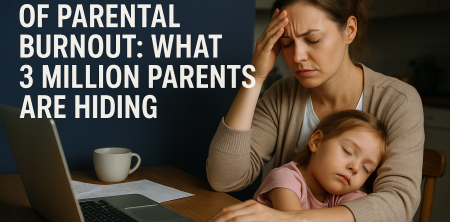
As someone who's spent years in education, both in the classroom and in administration, I've seen firsthand the incredible pressures parents face. We talk a lot about student well-being and teacher stress, but often, the silent struggle happening in homes across the country goes unnoticed, or at least unaddressed in any meaningful way. I'm talking about parental burnout, and let me tell you, it's not just 'a bad day' or 'a rough patch.' It's a profound, debilitating state that's impacting millions, and it's time we started taking it seriously.
A recent 2025 study highlighted something truly alarming: nearly a third of parents – that's a staggering 30% – reported a significant negative impact on their mental health due to the relentless demands of parenting. We're talking about over 3 million individuals whose capacity to function, to connect, and to thrive is being eroded. For working parents, the numbers are even more stark, with rates of burnout soaring as high as 65%. Think about that for a moment. More than half of all working parents are teetering on the edge, or already deep in the throes of, burnout. This isn't just a personal failing; it's a systemic issue, a public health crisis brewing right under our noses, and it demands comprehensive parental burnout support.
Understanding the Anatomy of Parental Burnout
So, what exactly *is* parental burnout? It's crucial to distinguish it from everyday parenting stress, which, let's be honest, is a constant companion for most of us. You know, the kind where you're juggling school pickups, dinner prep, a demanding job, and a toddler's tantrum all before 6 PM. That's tough, absolutely. But burnout is a whole different beast. It's a chronic state of emotional and physical exhaustion directly related to one's role as a parent.
Researchers typically identify three core dimensions to parental burnout. First, there's overwhelming exhaustion, specifically tied to parenting. This isn't just being tired at the end of a long day; it's a deep, pervasive fatigue that no amount of sleep seems to fix. You wake up feeling drained, and by midday, you're running on fumes, even if you haven't done anything particularly strenuous. It's a mental and emotional well running dry. Second, there's emotional distancing from your children. This is perhaps the most heartbreaking aspect for parents. You love your kids fiercely, but you find yourself less engaged, less patient, less able to connect emotionally. It's like an invisible wall goes up, not because you want it there, but because your emotional reserves are so depleted that you just can't bring yourself to fully participate. You might find yourself going through the motions, physically present but mentally miles away. Finally, there's a sense of ineffectiveness in the parental role. This manifests as a feeling that no matter what you do, it's not enough, or that you're failing as a parent. You doubt your decisions, question your capabilities, and feel a profound sense of inadequacy. This triad of symptoms creates a vicious cycle, making it incredibly difficult for parents to find their way back to a place of balance and well-being without targeted parental burnout support.
The Unique Vulnerability of Working Parents
It stands to reason that working parents are at an elevated risk for burnout, and the statistics confirm this with that staggering 65% figure. Why are they so much more susceptible? Well, it's not rocket science, is it? They're essentially working two full-time jobs. There's the demands of their professional life – deadlines, meetings, performance reviews, the pressure to advance, or simply to keep their job in a competitive landscape. Then, there's the equally, if not more, demanding job of parenting – raising children, managing household logistics, providing emotional support, fostering development, and maintaining family harmony.
The lines between these two roles have blurred significantly, especially in the post-pandemic era. Many parents are still juggling remote work with childcare, or facing inflexible work schedules that clash with school hours and extracurricular activities. The mental load is immense: remembering doctor's appointments, coordinating playdates, planning meals, helping with homework, all while trying to meet professional expectations. There's often little to no 'off' switch. Even when they're physically away from work, their minds are often still planning, worrying, and managing the 'home' front. This constant toggling between roles, the relentless demands, and the pervasive feeling of never quite doing enough in either sphere, creates a perfect storm for parental burnout. It's an unsustainable pace, and something has to give, which is why robust parental burnout support from employers and society at large is becoming non-negotiable.
Societal Shifts Fueling the Fire
While the individual experience of burnout is deeply personal, it's critical to understand that it doesn't happen in a vacuum. Societal changes and expectations play a huge role in exacerbating parental stress and driving burnout rates. Think about the 'ideal parent' narrative pushed through social media and popular culture. Parents, particularly mothers, are often expected to be perfectly coiffed, effortlessly juggling a career, raising academically brilliant and socially adept children, maintaining a spotless home, and somehow still finding time for self-care and a thriving partnership. It's an impossible standard, a highlight reel that doesn't reflect the messy, exhausting reality of daily life. (See: CDC resources on parenting stress.)
Moreover, the erosion of traditional community support networks has left many parents feeling isolated. Grandparents might live hundreds of miles away, neighbors are often strangers, and the village that once helped raise children has, for many, shrunk to just one or two overwhelmed adults. Economic pressures also loom large. The cost of living, childcare, and education continues to skyrocket, forcing many parents to work longer hours or take on multiple jobs, further reducing their available time and energy. We live in a culture that often celebrates 'hustle' and productivity above all else, and this mindset trickles down into parenting, creating an unspoken pressure to constantly be 'doing' for our children, rather than simply 'being' with them. These systemic factors make it incredibly challenging for parents to find reprieve, highlighting the urgent need for broader societal shifts and dedicated parental burnout support initiatives. For more context, see the truth about parental burnout and parenting methods.
Recognizing the Early Warning Signs
One of the insidious things about parental burnout is that it can creep up on you. Often, parents are so busy caring for everyone else that they don't recognize the signs in themselves until they're deep in the trenches. So, what should you be looking for, either in yourself or in a loved one? Beyond the core symptoms of exhaustion, emotional distancing, and ineffectiveness, there are other indicators. You might notice a significant decrease in patience, finding yourself snapping at your children over minor infractions, then feeling immense guilt afterward. Irritability becomes a constant companion, not just with your kids, but with your partner, friends, or colleagues.
Physical symptoms are also common: persistent headaches, stomach issues, difficulty sleeping (even when you're exhausted), or a general feeling of being unwell. You might lose interest in activities you once enjoyed, finding no joy in hobbies or social outings. A pervasive sense of cynicism or negativity about parenting, or life in general, can also set in. If you find yourself frequently fantasizing about escaping your family responsibilities, or if you feel a profound sense of dread when thinking about the day ahead, these are strong signals. It's not about being a 'bad' parent; it's about being a human pushed past their limits. Recognizing these early warning signs is the first, crucial step toward seeking and accepting parental burnout support.
The Employer's Role in Parental Burnout Support
Given that working parents are so disproportionately affected, employers have a critical role to play in offering parental burnout support. This isn't just about being 'nice'; it's good business. Burnout leads to decreased productivity, increased absenteeism, higher turnover rates, and a less engaged workforce. Smart organizations understand that supporting their employees' well-being, especially parents, is an investment, not an expense.
What can employers do? Flexibility is paramount. This could mean flexible work hours, remote work options, or compressed workweeks. The ability to adjust schedules to accommodate school events, doctor's appointments, or unexpected childcare needs can make a world of difference. Providing access to mental health resources, such as EAPs (Employee Assistance Programs) that offer counseling and therapy, is also vital. This should be communicated clearly and without stigma. On-site or subsidized childcare, even if it's just for emergency situations, can be a lifesaver. Furthermore, fostering a culture of empathy and understanding, where managers are trained to recognize the signs of burnout and encourage employees to take breaks and utilize their benefits, is essential. It's about creating an environment where parents feel supported, not penalized, for having a life outside of work. Companies that genuinely commit to parental burnout support will see the benefits in loyalty, productivity, and a more positive workplace culture.
Strategies for Personal Recovery and Resilience
While systemic changes and employer support are crucial, individual parents also need actionable strategies for recovery and building resilience. This isn't about 'pulling yourself up by your bootstraps,' but rather about implementing sustainable practices that replenish your reserves. One key strategy is establishing non-negotiable rest periods. This means scheduling downtime, even if it's just 15-30 minutes a day, where you are not parenting, working, or doing chores. It could be reading, meditating, listening to music, or simply staring at a wall. The point is to disengage and allow your mind to rest.
Setting digital boundaries is another critical step. The constant influx of information, demands, and comparisons from social media can be incredibly draining. Designate 'no-phone zones' or 'no-screen times' in your day, especially around family meals or before bed. Reclaiming this mental space can significantly reduce overwhelm. Building a robust support network is also invaluable. This means connecting with other parents who understand your struggles, whether it's through a formal support group, close friends, or family. Sharing experiences, asking for help, and offering support can mitigate feelings of isolation and provide practical assistance. Don't be afraid to delegate or say 'no' to non-essential commitments. Prioritize what truly matters and learn to let go of the rest. Even small changes, consistently applied, can start to turn the tide against burnout and rebuild your capacity for joy and connection in your parenting journey, forming the bedrock of personal parental burnout support. (See: NIH study on parental burnout.)
The Power of Professional Parental Burnout Support
Sometimes, the strategies we implement ourselves just aren't enough, and that's perfectly okay. There's no shame in seeking professional parental burnout support. In fact, it's a sign of strength and self-awareness. Mental health professionals, such as therapists, counselors, or psychologists, are equipped to help you unpack the underlying causes of your burnout, develop coping mechanisms, and create a personalized recovery plan. Cognitive Behavioral Therapy (CBT) can be particularly effective in challenging negative thought patterns associated with ineffectiveness and guilt. Acceptance and Commitment Therapy (ACT) can help parents accept difficult emotions while committing to actions aligned with their values. For more context, see the implications of the Parents Bill of Rights on family stress.
Beyond individual therapy, family counseling can also be beneficial, helping to improve communication within the household and ensuring that all family members understand the impact of burnout and how they can contribute to a more supportive environment. For those with severe symptoms, a doctor might also recommend medication to help manage anxiety or depression, which often co-occur with burnout. The key is to find a professional who understands the unique challenges of parental burnout and can provide tailored guidance. Remember, you don't have to navigate this alone. Professional parental burnout support can provide the tools and perspective you need to heal and regain your footing.
Advocacy for a Better Future: Parent Mental Health Day 2026
The growing recognition of parental burnout as an urgent public health issue is a positive step. Initiatives like Parent Mental Health Day 2026 are crucial for raising awareness, destigmatizing the conversation, and advocating for systemic change. These kinds of dedicated days provide a platform to educate the public, share resources, and push for policy reforms that genuinely support parents. Imagine a future where employers are incentivized to offer comprehensive parental leave and flexible work arrangements, where affordable, high-quality childcare is readily accessible, and where mental health services are universally covered by insurance. These aren't pipe dreams; they are achievable goals that require collective advocacy.
As an educator, I believe strongly that the well-being of our children is inextricably linked to the well-being of their parents. A burned-out parent struggles to provide the consistent emotional support and stable environment that children need to thrive. Therefore, investing in parental mental health is, in essence, an investment in the next generation. It's about shifting our societal perspective from viewing parenting as a private burden to recognizing it as a critical public good that requires collective investment and robust parental burnout support from all sectors.
The Impact of Parental Burnout on Children
It's important to talk about how parental burnout affects the kids. While the focus is often on the parent’s struggle, our children are undoubtedly feeling the ripple effects. When a parent is emotionally exhausted and distant, it can impact the parent-child bond. Kids are incredibly perceptive, and they pick up on parental stress and irritability. This might manifest as increased anxiety in children, behavioral issues, or even a sense of insecurity. They might internalize their parent's emotional unavailability, thinking it's something they've done wrong, leading to feelings of guilt or confusion.
Research indicates that children of burned-out parents can sometimes experience less consistent discipline, less emotional warmth, and fewer opportunities for enriching interactions. This isn't because the parent doesn't love their child; it's because their emotional well is dry. Imagine trying to pour from an empty cup. It's just not possible. The long-term consequences could include difficulties with emotional regulation in children, challenges in social development, and even academic struggles. This makes the case for parental burnout support even stronger – it’s not just about helping parents, it’s about safeguarding the healthy development and future well-being of our children. For more context, see the fallout of parental rights legislation on mental health.
Addressing Specific Challenges: Single Parents and Parents of Children with Special Needs
While parental burnout can affect anyone, certain groups face heightened challenges and require even more tailored parental burnout support. Single parents, for instance, often carry the entire load of child-rearing, household management, and financial provision without a partner to share the burden. They have fewer opportunities for respite, and the financial strain can be immense, leading to a higher likelihood of exhaustion and isolation. Support networks, affordable childcare, and flexible employment options are particularly crucial for this demographic.
Similarly, parents of children with special needs or chronic illnesses often experience significantly higher rates of burnout. The demands of constant care, navigating complex medical or educational systems, advocating for their child's rights, and managing the emotional toll of their child's condition can be overwhelming. These parents frequently face unique challenges like chronic sleep deprivation, social isolation, and financial strain due to medical costs and reduced work hours. For them, specialized support groups, respite care programs, and access to therapists who understand the intricacies of their situation aren't just helpful; they're absolutely essential for maintaining their own well-being and continuing to provide the best care for their children.
FAQ: Your Questions About Parental Burnout Support Answered
- What's the difference between parental stress and parental burnout?
- Parental stress is common, temporary, and usually resolves with a good night's sleep or a break. Parental burnout is a chronic state of emotional and physical exhaustion directly tied to parenting, characterized by overwhelming fatigue, emotional distancing from kids, and a feeling of ineffectiveness. It doesn't just go away easily.
- Can parental burnout affect fathers too?
- Absolutely. While discussions often focus on mothers, fathers are equally susceptible to parental burnout. Societal expectations for fathers have shifted, often placing pressure to be both a primary provider and an actively engaged, hands-on parent. They experience the same core symptoms and need just as much parental burnout support.
- Are there any quick fixes for parental burnout?
- There's no 'quick fix' for burnout, as it's a chronic condition. However, immediate actions like scheduling small breaks, delegating tasks, setting boundaries, and reaching out to a trusted friend or family member can offer temporary relief and be the first steps toward recovery. Sustainable change requires consistent effort and often professional help.
- How can I support a friend or family member who might be experiencing parental burnout?
- Offer practical help like bringing a meal, watching their kids for an hour, or running an errand. Listen without judgment and validate their feelings. Encourage them to seek professional help and offer to help them find resources. Most importantly, remind them they're not alone and they're not failing.
- What if I can't afford professional parental burnout support or don't have time for it?
- Many resources exist beyond private therapy. Look into community mental health centers, support groups (online and in-person), Employee Assistance Programs (EAPs) through your workplace, or non-profit organizations that offer free or low-cost counseling. Even a single session with a counselor can provide valuable strategies. Prioritizing your mental health is an investment, not a luxury.
Building a Culture of Empathy and Shared Responsibility
Ultimately, overcoming the widespread challenge of parental burnout requires more than just individual coping strategies or even employer-led initiatives. It demands a fundamental shift in our cultural understanding of parenting. We need to move away from the myth of the 'perfect parent' and embrace a culture of empathy, realism, and shared responsibility. This means acknowledging that parenting is incredibly hard work, often thankless, and frequently isolating. It means validating the struggles parents face rather than minimizing them.
For individuals, this means giving ourselves permission to not be perfect, to ask for help, and to prioritize our own well-being. For communities, it means creating spaces where parents feel seen, heard, and supported, whether through parent groups, accessible community resources, or simply offering a helping hand to a struggling neighbor. For policymakers, it means implementing family-friendly policies that genuinely support parents in balancing their work and family lives. When we foster a culture where parental well-being is valued and supported, we not only alleviate individual suffering but also strengthen the fabric of our families and society as a whole. Providing holistic parental burnout support isn't just a trend; it's a societal imperative for a healthier, more resilient future.
Trending Now
- this guide on this controversial parenting method is burning out millions — the truth about the gentle parenting backlash
- the complete explanation
- the complete explanation
- our breakdown of this controversial ‘parents bill of rights’ could expose vulnerable kids, senator warns
Frequently Asked Questions
What is parental burnout and how does it differ from regular parenting stress?
Parental burnout is a chronic state of emotional and physical exhaustion specifically related to parenting, distinguishing it from everyday parenting stress. While stress is often temporary and linked to daily challenges, burnout is profound and debilitating, affecting a parent's ability to function and thrive.
What percentage of parents experience burnout?
Recent studies indicate that nearly 30% of parents report significant negative impacts on their mental health due to parenting demands, with rates soaring as high as 65% among working parents, highlighting a widespread issue affecting millions.
What are the signs of parental burnout?
Signs of parental burnout include overwhelming exhaustion, feelings of detachment from children, and a reduced sense of accomplishment in parenting. Unlike occasional stress, these symptoms persist and can severely impact a parent's mental health and overall well-being.
How can parents cope with burnout?
Coping with parental burnout involves seeking support, prioritizing self-care, and establishing boundaries. Parents should consider reaching out to professionals, connecting with support groups, and ensuring they take time for themselves to recharge and manage their responsibilities more effectively.
Is parental burnout a public health issue?
Yes, parental burnout is increasingly recognized as a public health crisis. The systemic pressures on parents, particularly working parents, contribute to high rates of burnout, necessitating comprehensive support and resources to address this growing concern.
Have you experienced this yourself? We'd love to hear your story in the comments.

