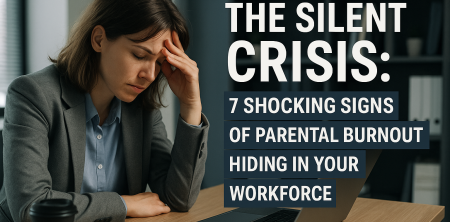
As a seasoned educator and someone who’s spent years observing the intricate dance between personal life and professional demands, I’ve seen firsthand how the pressures outside of work can profoundly impact an individual’s performance and well-being within the workplace. There’s a silent, often invisible struggle brewing among many of our most dedicated employees: parental burnout. It’s not just a bad day or a rough week; it’s a pervasive, debilitating state that can leave even the most resilient individuals feeling utterly depleted. And for employers, understanding how to identify parental burnout in employees isn't just a matter of compassion; it’s a critical business imperative.
Think about it: nearly a third of parents, a staggering 30% according to a 2025 study, report a negative impact on their mental health due to the relentless demands of parenting. That’s over 3 million individuals grappling with something far more profound than typical stress. This isn’t about being tired; it’s about overwhelming exhaustion, a gnawing sense of emotional distance from one’s own children, and a crushing feeling of ineffectiveness in the most fundamental role of their lives. And for working parents? The numbers are even more stark, with parental burnout rates soaring as high as 65%. This isn’t just a personal problem; it’s rapidly becoming an urgent public health issue, one that demands our attention and proactive strategies in the workplace. Let’s dive into how you, as an employer, can spot the red flags and, more importantly, offer meaningful support.
1. Chronic Exhaustion Beyond Normal Tiredness: The Deep, Unyielding Fatigue
One of the most defining characteristics of parental burnout, and often the first visible sign in the workplace, is chronic exhaustion. This isn't the kind of tiredness that a good night's sleep or a weekend getaway can fix. We’re talking about a deep, pervasive fatigue that seems to permeate every aspect of an employee's being. They might look perpetually weary, even after what should have been a restful period. You might notice them yawning frequently during meetings, struggling to concentrate, or appearing generally sluggish throughout the day. It’s a state where their energy reserves feel completely depleted, and no amount of rest seems to replenish them.
This isn't just about physical tiredness; it’s mental and emotional exhaustion too. An employee experiencing this level of fatigue might struggle with basic cognitive functions – decision-making becomes harder, problem-solving feels overwhelming, and their ability to recall information might decline. When you’re trying to identify parental burnout in employees, pay close attention to consistent reports of feeling overwhelmed by even minor tasks, or a general lack of enthusiasm for work they once enjoyed. This isn’t laziness; it's the profound impact of having their mental and emotional batteries constantly drained by the relentless demands of parenting, often compounded by professional responsibilities.
2. Increased Absenteeism and Presenteeism: The Double-Edged Sword
An increase in absenteeism is often a straightforward indicator of underlying issues, and parental burnout is no exception. You might see a rise in sick days, last-minute requests for time off, or an employee calling in due to ‘personal reasons’ more frequently. Sometimes, these absences might be genuine illnesses, but often, they are a desperate attempt to catch up on sleep, manage a child’s unexpected needs, or simply escape the crushing weight of their responsibilities, if only for a few hours. Keep an eye on patterns: a sudden cluster of absences, especially around school holidays or during particularly demanding periods at home, could be a red flag.
However, the more insidious problem is presenteeism – the act of showing up to work physically, but being mentally and emotionally disengaged. An employee suffering from parental burnout might be at their desk, but their productivity is significantly reduced. They might miss deadlines, make more errors, or take longer to complete tasks that would typically be routine for them. They’re there, but they’re not really *there*. Their mind is elsewhere, likely consumed by worries about their children, their own exhaustion, or the endless to-do list awaiting them at home. This can be harder to spot than absenteeism, but its impact on team productivity and morale can be just as significant. It’s about more than just showing up; it’s about functional presence.
3. Emotional Distancing and Cynicism: A Shift in Demeanor
One of the hallmark signs of parental burnout is a noticeable shift in an employee’s emotional state, particularly a move towards emotional distancing and cynicism. Where once they might have been engaged, collaborative, and even enthusiastic, you might start to see them withdraw. They might become less communicative in team meetings, avoid social interactions with colleagues, or seem generally aloof. This isn't necessarily a personal slight; it's often a protective mechanism, as their emotional reserves are so depleted that they simply don’t have the capacity for further engagement. (See: CDC on parental burnout.)
Accompanying this withdrawal can be an increase in cynicism or irritability. Tasks they once approached with a positive attitude might now be met with a sigh, a sarcastic comment, or outright frustration. They might become more prone to snapping at colleagues, expressing negativity about company policies, or demonstrating a general lack of patience. This isn't a reflection of their true character, but rather a symptom of their overwhelming emotional exhaustion. It’s crucial to remember that this isn't directed at you or the company; it's a manifestation of their internal struggle. Recognizing this shift in emotional demeanor is key to understanding how to identify parental burnout in employees before it escalates. For more context, see the truth about parental burnout and gentle parenting.
4. Increased Errors and Decreased Productivity: The Quality Dip
When an employee is battling parental burnout, their cognitive functions and attention to detail often suffer dramatically. This manifests quite clearly in their work output. You might start noticing an increase in errors on tasks they typically handle flawlessly. These could be small mistakes, like typos in emails or incorrect data entry, or more significant blunders that require substantial correction. The quality of their work, which might have once been consistently high, begins to decline. This isn’t due to a lack of effort or capability, but rather a profound depletion of mental energy and focus.
Beyond errors, there’s a clear drop in overall productivity. Projects take longer to complete, deadlines are missed more frequently, and the volume of work they can handle diminishes. An employee who used to be a high-performer might now struggle to keep up, leaving colleagues to pick up the slack, which can, in turn, affect team morale. This dip isn't a sign of laziness; it’s a direct consequence of their brain being in a constant state of overwhelm, unable to allocate sufficient resources to complex tasks. When you see a once-reliable employee consistently underperforming, it’s a strong signal that something deeper, like parental burnout, might be at play.
5. Loss of Motivation and Engagement: The Spark Goes Out
One of the most heartbreaking aspects of parental burnout is watching the spark dim in an otherwise passionate and engaged employee. Individuals experiencing burnout often lose interest in their work, even tasks they once found stimulating or rewarding. They might stop volunteering for new projects, disengage from brainstorming sessions, or simply go through the motions without any real enthusiasm. This isn't a deliberate act of defiance; it's a profound depletion of their internal drive. The joy and satisfaction they once derived from their professional achievements simply fade away.
This lack of motivation can also extend to their professional development. They might stop seeking out opportunities for growth, decline training sessions, or show little interest in advancing their skills. It's as if their capacity for ambition has been completely drained, replaced by a sole focus on survival. When trying to identify parental burnout in employees, observe if a once-eager team member has become passive, withdrawn, and seemingly indifferent to their career trajectory. This isn't about a bad attitude; it's about a fundamental loss of connection to their professional purpose, overshadowed by the intense pressures of their home life.
6. Physical Symptoms and Health Complaints: The Body Reacts
Parental burnout isn’t just a mental and emotional state; it manifests physically as well. The constant stress and exhaustion take a significant toll on the body. You might notice employees complaining more frequently about physical ailments: persistent headaches, unexplained muscle aches, stomach issues, or a general feeling of being unwell. They might appear run down, with dark circles under their eyes, or show signs of neglecting their personal appearance. Their immune system might also be compromised, leading to more frequent colds or other minor illnesses.
These physical symptoms are the body’s way of signaling distress. Prolonged stress elevates cortisol levels, which can lead to a host of health problems. Employees might also be self-medicating with excessive caffeine or sugar to try and combat their exhaustion, which can further exacerbate their physical decline. While you can't and shouldn't diagnose, recognizing a pattern of increased health complaints or a general decline in physical vitality among employees with children could be a strong indicator that they are grappling with the intense, body-draining effects of parental burnout. It’s a holistic issue, affecting mind, body, and spirit. (See: NIH insights on parenting stress.)
7. Withdrawal from Social Interaction and Team Activities: The Isolation Trap
Finally, a significant indicator of parental burnout is a noticeable withdrawal from social interactions and team activities. An employee who once enjoyed casual chats in the breakroom, participated in after-work events, or actively contributed to team celebrations might suddenly become isolated. They might eat lunch alone, avoid company gatherings, or simply make excuses to leave work promptly without engaging with colleagues. This isn't necessarily a sign of dislike for their coworkers; it’s often a symptom of being utterly overwhelmed and having zero emotional bandwidth left for anything beyond their immediate responsibilities.
Their energy is so depleted that even the effort required for polite conversation feels like an insurmountable task. They might feel a sense of shame or inadequacy, believing they’re failing both at home and at work, which further fuels their desire to retreat. This isolation can create a vicious cycle, as they miss out on the very social support that could help alleviate some of their stress. As an employer, if you observe a previously sociable employee becoming increasingly withdrawn and disengaged from the social fabric of the workplace, it’s a critical sign to investigate further and consider that you're witnessing how to identify parental burnout in employees. For more context, see the implications of parental rights on family well-being.
Actionable Strategies: Supporting Employees with Parental Burnout
Recognizing the signs is only the first step. The real work, and where employers can make a profound difference, lies in implementing supportive systems. We’re talking about creating a workplace culture that not only acknowledges the challenges of working parents but actively provides solutions. This isn't about being 'soft'; it's about fostering resilience, retaining talent, and ultimately, boosting overall productivity.
Flexible Work Arrangements: A Lifeline for Parents
Offering flexible work hours or hybrid remote options isn't just a perk anymore; it's a necessity for many parents. The traditional 9-to-5 workday often clashes with school drop-offs, pick-ups, doctor's appointments, and the general chaos of family life. Allowing employees to adjust their start and end times, or work from home a few days a week, can drastically reduce stress. Imagine the relief of a parent who doesn't have to race out of the office at 4:59 PM to beat traffic for daycare pickup, or who can work remotely when a child is mildly sick, preventing a full day of absence. This flexibility signals trust and understanding, empowering employees to better juggle their responsibilities without feeling like they’re constantly failing on one front or another.
Mental Health Resources and Days: Beyond the Stigma
Providing access to mental health resources is paramount. This could include Employee Assistance Programs (EAPs) that offer counseling services, or even simply curating a list of local therapists and support groups. Crucially, companies need to normalize the use of these resources and actively combat the stigma often associated with seeking mental health support. Furthermore, implementing 'mental health days' – distinct from sick days – can be incredibly beneficial. These aren't for physical illness but for employees to proactively manage stress and prevent burnout before it spirals. It’s about giving them permission to pause, recharge, and address their emotional well-being without guilt or fear of judgment. This proactive approach to mental well-being is a powerful tool in how to identify parental burnout in employees and effectively mitigate its impact.
Culture of Empathy and Open Communication: Breaking the Silence
Perhaps the most impactful strategy is fostering a workplace culture built on empathy and open communication. Managers should be trained to recognize the signs of burnout, not just parental burnout, and approach employees with compassion rather than judgment. Creating safe spaces for employees to discuss their challenges – without fear of repercussions – is vital. Regular check-ins that go beyond just task updates, asking genuinely 'how are you doing?' can open doors for employees to share their struggles. Leaders should lead by example, openly discussing their own challenges (where appropriate) and demonstrating the importance of work-life balance. This kind of culture helps dismantle the expectation that parents must be superhuman, allowing them to feel seen and supported.
Establishing Clear Boundaries and Expectations: Protecting Personal Time
Employers have a responsibility to help employees establish healthy boundaries, particularly concerning digital communication outside of working hours. Discouraging or even prohibiting emails and work-related messages after a certain time or on weekends sends a clear message that personal time is valued. Leaders should model this behavior by refraining from sending late-night emails. Additionally, setting realistic expectations for workloads and deadlines is crucial. Overloading employees, especially those juggling intense family responsibilities, is a direct path to burnout. Regularly reviewing workloads and actively encouraging employees to take their allocated vacation time are simple yet incredibly effective ways to protect their well-being and prevent the insidious creep of exhaustion. For more context, see the impact of parental rights legislation on vulnerable kids.
Building Support Networks: Fostering Community
Sometimes, the greatest support comes from peers who understand. Employers can facilitate the creation of internal parent support groups or affinity networks. These informal or formal groups can provide a safe space for parents to share experiences, offer advice, and realize they’re not alone in their struggles. This sense of community can be incredibly validating and empowering. Furthermore, managers can encourage team members to support each other, fostering an environment where colleagues feel comfortable offering help when they see a peer struggling. This collective approach to well-being reinforces the idea that supporting each other is a shared responsibility, not just an individual burden.
The Business Case for Empathy and Support
Let’s be clear: supporting employees experiencing parental burnout isn’t just the ‘nice’ thing to do; it makes sound business sense. High rates of burnout lead to increased turnover, higher recruitment costs, decreased productivity, and a tangible dip in overall morale. Talented employees, particularly women who often bear the brunt of childcare responsibilities, will leave organizations that don’t support them, taking their valuable skills and institutional knowledge with them. In a competitive job market, companies that prioritize employee well-being and actively address issues like parental burnout will become magnets for top talent.
Moreover, a workforce that feels supported, respected, and understood is a more loyal, engaged, and productive workforce. When employees know their employer genuinely cares about their well-being, they are more likely to go the extra mile, exhibit greater commitment, and become advocates for the company culture. Investing in mental health and work-life balance isn't an expense; it's an investment in your most valuable asset: your people. By proactively learning how to identify parental burnout in employees and implementing comprehensive support systems, businesses aren't just doing good; they're doing well.
The challenges facing working parents are real and profound, impacting millions. Ignoring parental burnout is no longer an option. As employers, we have a unique opportunity – and frankly, a responsibility – to create environments where parents can thrive both at home and at work. By understanding the signs, offering tangible support, and fostering a culture of empathy, we can transform the workplace into a place of resilience, not just relentless demands. Let’s make our workplaces truly supportive, not just for the sake of our employees, but for the health and success of our organizations as a whole.
Trending Now
- Religious Freedom vs. Inclusivity: The Parental Opt-Out LGBTQ Curriculum Ruling That Just Changed Everything
- read the full story
- our breakdown of this one simple change could finally fix teen social media addiction
- This Controversial ‘Parents Bill of Rights’ Could Expose Vulnerable Kids, Senator Warns
Frequently Asked Questions
What are the signs of parental burnout in the workplace?
Signs of parental burnout in the workplace include chronic exhaustion beyond normal tiredness, emotional distance from children, a sense of ineffectiveness in parenting, irritability, and decreased job performance. Employers should be vigilant in recognizing these signs to provide necessary support.
How does parental burnout affect employees?
Parental burnout can significantly impact employees by leading to chronic fatigue, emotional detachment, reduced productivity, and mental health issues. This state of depletion can hinder their ability to perform effectively at work, making it essential for employers to address it promptly.
What causes parental burnout among working parents?
Parental burnout among working parents is often caused by the overwhelming demands of balancing work and family responsibilities. Factors such as lack of support, high expectations, and insufficient time for self-care contribute to this pervasive state of exhaustion.
How can employers support employees experiencing parental burnout?
Employers can support employees experiencing parental burnout by fostering a flexible work environment, offering mental health resources, encouraging open communication, and providing programs that promote work-life balance. Recognizing and addressing these issues can enhance overall employee well-being.
Is parental burnout a public health issue?
Yes, parental burnout is increasingly recognized as a public health issue. With statistics indicating that a significant percentage of parents experience negative impacts on their mental health, it necessitates urgent attention and proactive strategies from employers and society at large.
What's your take on this? Share your thoughts in the comments below — we read every one.

