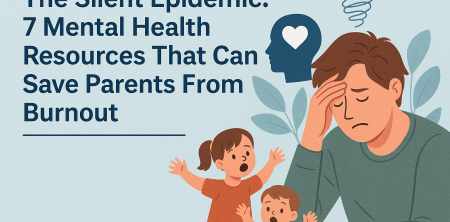
Parenting, for all its profound joys and unparalleled rewards, can also be an incredibly demanding journey. It's a 24/7 commitment that often leaves little room for personal respite, let alone self-care. We all experience stress, that's just part of life, but what happens when that stress morphs into something far more insidious? I'm talking about parental burnout, a condition that’s becoming alarmingly prevalent and demands our urgent attention. A recent 2025 study painted a stark picture, revealing that nearly a third of parents—a staggering 30%—report a significant negative impact on their mental health due to the relentless pressures of raising children. That’s over 3 million individuals grappling with an overwhelming sense of exhaustion, emotional distance from their kids, and a painful feeling of inadequacy in their most important role.
This isn't just about having a bad day or feeling a bit tired; this is a deeper, more pervasive crisis that can erode the very foundation of family life. Working parents, in particular, seem to be caught in the crosshairs, with burnout rates soaring as high as 65% among them. Think about that for a moment: almost two-thirds of working parents are feeling utterly depleted. It’s a sobering statistic that underscores why this isn't just a personal issue, but a critical public health concern. As an educator and someone who's spent years observing the systemic pressures on families, I can tell you this isn't going away on its own. We need proactive strategies, accessible support, and a collective acknowledgment that parents, too, need to be cared for. Identifying the best mental health resources for parental burnout isn't just helpful; it's essential for the well-being of our families and, frankly, our society.
Understanding the Landscape of Parental Burnout
Before we dive into solutions, let’s truly grasp what parental burnout looks like. It’s not just stress, as I mentioned. It’s a distinct syndrome characterized by three core dimensions. First, there's overwhelming exhaustion related to the parental role. This isn't just physical tiredness from chasing toddlers or late-night feedings; it’s a deep, emotional, and cognitive depletion that makes even simple tasks feel monumental. You might feel like you’re running on fumes, constantly. Secondly, you often see an emotional distancing from your children. This can manifest as a lack of engagement, a feeling of indifference, or even resentment towards your kids, which, as you can imagine, can be incredibly painful and guilt-inducing for a parent. It’s not that you don't love them, but the well of emotional energy has simply run dry.
Finally, there's a pervasive sense of ineffectiveness in the parental role. You start to question your abilities, feeling like you're not a good enough parent, or that you’re failing your children. This trifecta creates a vicious cycle that’s incredibly hard to break free from without external support. The societal expectation that parents, especially mothers, should be effortlessly juggling careers, childcare, and household duties contributes significantly to this pressure cooker environment. We're often told to 'lean in' or 'have it all,' but rarely are we given the practical tools or systemic support to actually achieve it without sacrificing our own mental well-being. That's why having access to the best mental health resources for parental burnout isn't a luxury; it's a necessity.
1. Therapy and Counseling Services: Professional Guidance When You Need It Most
When the weight of parental burnout becomes too heavy to bear alone, professional therapy is often the most effective first line of defense. Think of it as having a skilled guide to help you navigate a dense, confusing forest. A licensed therapist or counselor can offer personalized strategies, coping mechanisms, and a safe, confidential space to process complex emotions without judgment. Cognitive Behavioral Therapy (CBT), for instance, is a widely recognized approach that helps individuals identify and challenge negative thought patterns and behaviors contributing to their burnout. It's about retraining your brain to respond to stressors in healthier ways.
Beyond CBT, other modalities like Dialectical Behavior Therapy (DBT) can be incredibly useful for emotional regulation and distress tolerance, skills that are invaluable when you're feeling overwhelmed by the demands of parenting. The beauty of therapy is its adaptability; it’s not a one-size-fits-all solution. A good therapist will tailor their approach to your unique situation, helping you uncover underlying issues, improve communication within your family, and set realistic boundaries. Many therapists also specialize in parental stress and burnout, making them uniquely equipped to understand the specific challenges you're facing. This personalized support is genuinely one of the best mental health resources for parental burnout you can find.
Accessing therapy has also become more convenient than ever. Telehealth services have boomed, meaning you can often connect with a therapist from the comfort of your own home, eliminating the logistical nightmare of finding childcare or commuting. Platforms like BetterHelp or Talkspace offer subscription-based models that pair you with a licensed therapist, providing flexibility and affordability. Local community mental health centers often provide sliding scale fees based on income, making therapy accessible to a wider range of families. Don't underestimate the power of simply having a dedicated hour each week to focus on your own mental health, guided by an expert. It’s an investment in yourself and, by extension, in your family's well-being.
2. Support Groups and Peer Networks: Finding Your Tribe
One of the most isolating aspects of parental burnout is the feeling that you’re the only one struggling. We often put on a brave face, fearing judgment or appearing inadequate to other parents. This is precisely where support groups and peer networks become invaluable. Connecting with others who understand exactly what you’re going through can be incredibly validating and empowering. It’s like a collective sigh of relief, realizing you're not alone in this battle. These groups provide a safe space to share experiences, vent frustrations, and exchange practical advice without the pressure of having to pretend everything is perfect. (See: CDC mental health resources for parents.)
Organizations like Postpartum Support International (PSI) offer a wealth of online and in-person support groups, not just for postpartum depression, but for general parental mental health challenges, including burnout. Their peer facilitators are often parents themselves who have navigated similar struggles. Local community centers, churches, or even online forums on platforms like Facebook can host active parent support groups. The key is finding a community where you feel heard and understood. This sense of belonging and shared struggle can significantly reduce feelings of isolation and shame, which are often companions to burnout. It's truly one of the most underrated, yet effective, best mental health resources for parental burnout. For more context, see the truth about the gentle parenting backlash.
Beyond formal groups, simply building your own informal network of trusted parent friends can be a lifesaver. These are the people you can call when you’re on the verge of tears, the ones who won’t judge you for admitting you’re burnt out, but will instead offer a listening ear or even a practical hand. Sometimes, just knowing you have someone to reach out to can make all the difference. Remember, asking for help isn’t a sign of weakness; it’s a testament to your strength and your commitment to being the best parent you can be, which sometimes means taking care of yourself first.
3. Mindfulness and Meditation Apps: Cultivating Inner Calm
In the whirlwind of parenting, finding even a few moments of peace can feel impossible. This is where mindfulness and meditation apps can step in as powerful, accessible tools for managing stress and cultivating a sense of inner calm. They offer guided exercises that can be done in short bursts, making them perfectly suited for busy parents. Apps like Calm and Headspace are probably the most well-known, offering a vast library of guided meditations, sleep stories, and calming music designed to reduce anxiety and improve focus. Even just 5-10 minutes a day can make a noticeable difference in your ability to cope with daily stressors.
Mindfulness, at its core, is about bringing your attention to the present moment without judgment. For a burnt-out parent, this means learning to observe your thoughts and feelings without getting swept away by them. It's about creating a small pocket of space between a trigger (like a child's tantrum) and your reaction. Many of these apps also offer specific programs for stress reduction, improving sleep, and even mindful parenting, which can help you approach interactions with your children with greater patience and presence. Think of it as a mental reset button you can press anytime, anywhere.
What makes these apps particularly appealing is their portability and discretion. You can pop in headphones and listen to a guided meditation while your kids are napping, during your commute, or even just hiding in the pantry for five minutes (we've all been there!). They provide a structured way to practice self-care and develop resilience against the relentless demands of parenting. While they won't solve all your problems, they are undoubtedly among the best mental health resources for parental burnout, offering a tangible way to manage the immediate emotional and mental toll.
4. Parenting Coaches and Workshops: Strategic Skill-Building
Sometimes, burnout stems not just from the sheer volume of tasks, but from feeling ill-equipped to handle certain parenting challenges. This is where parenting coaches and specialized workshops can offer targeted strategies and skill-building. Unlike therapy, which often delves into past experiences and emotional processing, coaching is typically forward-looking and action-oriented. A parenting coach can help you identify specific pain points, set achievable goals, and develop practical techniques for managing behavior, improving communication, and creating a more harmonious family environment.
Workshops, whether online or in-person, often focus on specific topics like positive discipline, managing sibling rivalry, or navigating challenging developmental stages. These resources provide concrete tools and strategies that can reduce daily friction and, in turn, alleviate some of the stress that contributes to burnout. For example, learning effective communication techniques can de-escalate conflicts and reduce the emotional labor of constant negotiations with a strong-willed child. It’s about building your toolkit as a parent, making you feel more competent and less overwhelmed.
Organizations like Positive Parenting Solutions or local family resource centers often offer these types of programs. The investment in a parenting coach or workshop can pay dividends by empowering you with skills that prevent future burnout. When you feel more confident and capable in your parenting role, that sense of ineffectiveness, a key component of burnout, begins to dissipate. This proactive approach to skill development is definitely one of the best mental health resources for parental burnout, especially for those who feel they need practical, actionable advice. (See: NIMH statistics on mental health.)
5. Digital Boundary Setting Tools & Strategies: Reclaiming Your Time and Focus
In our hyper-connected world, the lines between work, personal life, and parenting have become incredibly blurred, especially for working parents. The constant ding of notifications, the pressure to respond to emails at all hours, and the endless scroll of social media can significantly exacerbate parental burnout. This is why establishing clear digital boundaries and utilizing tools to enforce them is absolutely critical. It’s about reclaiming your time, your focus, and your mental space from the digital deluge. For more context, see the unseen fallout for youth healthcare.
Start by setting specific 'offline' hours, particularly in the evenings and on weekends. Communicate these boundaries clearly to your employer, colleagues, and even family members. Turn off work notifications after a certain time, and resist the urge to check emails outside of designated work periods. Utilize your phone's 'Do Not Disturb' feature, or even consider app blockers that prevent access to distracting social media or news feeds during family time. Some operating systems even offer 'Focus Modes' that can silence non-essential notifications, allowing you to be truly present with your children or during your precious moments of self-care.
Beyond technical tools, it’s about a mindset shift. Recognize that constant availability is not a badge of honor; it’s a pathway to exhaustion. Model healthy digital habits for your children. Designate 'phone-free' zones in your home, like the dinner table or bedrooms. By intentionally disconnecting, even for short periods, you create space for genuine connection with your family and, crucially, for your own mental replenishment. This often overlooked strategy is a fundamental component of the best mental health resources for parental burnout, helping you to create necessary separation between your various roles and demands.
6. Childcare and Respite Services: The Gift of a Break
Let's be honest: sometimes, what a burnt-out parent needs most is a break. Real, honest-to-goodness time away from the constant demands of childcare. This isn't a sign of weakness; it's a fundamental human need. Access to reliable childcare and respite services can be a game-changer, providing essential moments of rest, self-care, and reconnection with your own identity outside of parenting. It allows you to recharge your batteries, pursue hobbies, or simply enjoy a moment of quiet solitude.
This could take many forms: a trusted babysitter for a few hours, a reliable daycare or preschool program, or even swapping childcare with another parent. Some communities offer formal respite care programs, particularly for parents of children with special needs, where trained professionals step in to provide temporary care. Don’t underestimate the power of these breaks. Even an hour alone to grocery shop without interruption, or to read a book, can feel like a luxurious escape and significantly reduce feelings of overwhelm. It’s about recognizing that you can’t pour from an empty cup.
For working parents, employer-provided childcare benefits or flexible work arrangements can be incredibly impactful. The fact that parental burnout is now being discussed as an urgent public health issue means that more employers are recognizing the need to support their employees in this area. Advocating for these benefits, or seeking out employers who prioritize them, can make a significant difference. Remember, asking for and accepting help with childcare is not a failure; it's a smart, self-preserving strategy that allows you to return to your parenting role refreshed and revitalized. It’s undoubtedly one of the best mental health resources for parental burnout, providing tangible relief.
7. Employer-Sponsored Wellness Programs: Corporate Support for Parental Well-being
As the 2025 study highlighted, working parents are disproportionately affected by burnout, with rates as high as 65%. This makes employer-sponsored wellness programs an increasingly vital component of the best mental health resources for parental burnout. Forward-thinking companies are beginning to understand that supporting their employees’ mental health isn't just a perk; it's a strategic investment that leads to greater productivity, reduced absenteeism, and higher retention rates. These programs can take various forms, offering a holistic approach to employee well-being. For more context, see your child's healthcare just changed.
Many employers now offer Employee Assistance Programs (EAPs) that provide confidential counseling, referrals to mental health professionals, and resources for stress management. These services are often free to employees and their families, providing an accessible entry point to professional support. Beyond EAPs, some companies are introducing more specific initiatives like dedicated mental health days, flexible work schedules, or even on-site wellness activities like mindfulness workshops or yoga classes. The ability to adjust work hours to accommodate school pickups or doctor’s appointments, for example, can dramatically reduce the daily logistical stress that contributes to burnout.
Moreover, a supportive workplace culture that openly discusses mental health and encourages employees to take breaks and utilize their benefits is paramount. When leadership models healthy boundaries and values employee well-being, it creates an environment where parents feel less pressure to 'power through' their exhaustion. Companies that offer benefits like subsidized childcare, backup care, or even parenting resource groups are truly demonstrating a commitment to addressing parental burnout head-on. If you’re a working parent, explore what your employer offers; you might be surprised by the valuable support available to you. These programs, when robust and genuinely supported, are indeed among the best mental health resources for parental burnout.
Building a Resilient Foundation Against Burnout
Addressing parental burnout isn't about finding a magic bullet; it's about building a multi-layered system of support that allows parents to thrive, not just survive. The strategies and resources we've discussed — from professional therapy and peer support groups to mindfulness apps, practical parenting workshops, and critical childcare—all contribute to this resilient foundation. It's a recognition that parenting, while profoundly rewarding, can also be incredibly draining, and that asking for help is a sign of strength, not weakness.
The alarming statistics from the 2025 study, revealing that nearly a third of parents are negatively impacted and working parents face a 65% burnout rate, serve as a stark reminder that this isn’t an isolated problem. It's a societal challenge that requires collective action, from individual self-care practices to supportive workplace policies and accessible community resources. We, as a society, need to move beyond the unrealistic expectation of the 'perfect parent' and instead champion the 'supported parent.'
So, if you’re a parent feeling the crushing weight of burnout, please know that you are not alone, and help is available. Take that first step, whether it's reaching out to a therapist, joining a support group, or simply carving out five minutes for mindful breathing. Prioritizing your mental health isn't selfish; it's a crucial investment in your well-being, your family's happiness, and ultimately, your ability to be the loving, present parent your children deserve. Let’s work together to ensure that the best mental health resources for parental burnout are not just available, but actively utilized, creating a healthier, happier generation of parents and children.
Trending Now
Frequently Asked Questions
What is parental burnout?
Parental burnout is a distinct syndrome characterized by emotional exhaustion, a sense of inadequacy in parenting, and emotional distance from children. It often stems from the relentless pressures of raising children and can significantly impact mental health, with many parents reporting feelings of depletion and overwhelm.
What are the signs of burnout in parents?
Signs of parental burnout include chronic fatigue, emotional detachment from children, irritability, feelings of inadequacy, and a lack of joy in parenting. Parents may also experience difficulty concentrating and a sense of being overwhelmed by daily responsibilities.
How can parents manage burnout?
Parents can manage burnout by seeking mental health resources, practicing self-care, establishing boundaries, and finding support systems. Strategies such as mindfulness, regular breaks, and open communication with partners can also help alleviate feelings of exhaustion and stress.
What resources are available for parents experiencing burnout?
There are various resources available for parents dealing with burnout, including counseling services, support groups, online forums, and mental health hotlines. Additionally, educational workshops on parenting and stress management can provide valuable tools and strategies.
Is parental burnout a common issue?
Yes, parental burnout is increasingly common, with studies showing that nearly 30% of parents report significant negative impacts on their mental health due to parenting pressures. Burnout rates can be particularly high among working parents, highlighting the need for awareness and support.
Agree or disagree? Drop a comment and tell us what you think.


0 Responses