```html
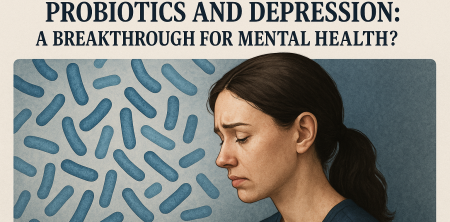
In recent years, the conversation around mental health has expanded beyond traditional therapies and pharmacological treatments. New research reveals a fascinating twist in the treatment of depression and anxiety—probiotics. A recent clinical trial found that older adults taking a daily probiotic alongside their regular antidepressants experienced greater improvements in their symptoms compared to those who received a placebo. This emerging insight into probiotics for depression may be a game-changer in mental health management.
The Study: What Was Found?
The clinical trial, focusing on older adults grappling with depression, adds compelling evidence to the growing body of research linking gut health to mental well-being. Participants were divided into two groups: one took a daily probiotic, while the other received a placebo. Over a set period, both groups demonstrated improvements in their mood and anxiety levels, but those in the probiotic group showed slightly more pronounced benefits.
This finding raises crucial questions: How can a supplement primarily aimed at gut health exert such an influence on mental health? The results suggest that a gut-focused intervention may play a significant role in addressing mental health issues, particularly in vulnerable populations.
The Gut-Brain Connection: Understanding the Mechanism
The idea that gut health could impact mental well-being is not entirely new. The gut-brain axis refers to the complex communication network linking the gastrointestinal tract and the brain. This relationship is facilitated by various pathways, including hormonal, immune, and neural pathways.
Probiotics, which consist of live bacteria beneficial to gut health, are thought to exert their effects through several mechanisms:
- Neurotransmitter Production: The gut microbiota is involved in synthesizing neurotransmitters such as serotonin, often referred to as the "feel-good" hormone. It’s estimated that around 90% of the body's serotonin is produced in the gut.
- Inflammation Reduction: Chronic inflammation has been linked to depression. Probiotics may help mitigate inflammation, potentially alleviating some symptoms of depression and anxiety.
- Stress Response Modulation: Probiotics might influence the body's stress response systems, helping to regulate the hormonal fluctuations associated with stress and anxiety.
Given these insights, it becomes clear how probiotics for depression might hold merit, particularly for older adults who often face multiple challenges related to mood disorders.
Who Can Benefit from Probiotics for Depression?
While the recent study focused on older adults, the implications of probiotics extend to a broader audience. Mental health concerns are widespread, affecting individuals of all ages. According to the World Health Organization, depression is a leading cause of disability worldwide, with millions of people struggling with this condition.
Here are a few groups that might particularly benefit from probiotics:
- Older Adults: As noted, older adults may have a unique microbiome that could respond positively to probiotics, especially when combined with traditional antidepressants.
- Individuals with Anxiety Disorders: Emerging studies suggest that individuals with anxiety may also experience relief through probiotic supplementation.
- Those on Antidepressant Medications: For individuals already taking antidepressants, adding probiotics could enhance treatment outcomes.
However, it's essential to consult with a healthcare professional before embarking on any new treatment regimen.
The Role of Diet in Mental Health
While the findings on probiotics for depression are promising, they should be viewed as part of a larger lifestyle picture. Diet plays a crucial role in mental health, and a balanced diet rich in nutrients can support both physical and mental well-being. (See: Probiotics and mental health research.)
Foods that promote gut health can significantly influence mood and mental clarity. These include:
- Fermented Foods: Yogurt, kefir, sauerkraut, and kimchi are excellent sources of probiotics.
- Fiber-Rich Foods: Whole grains, fruits, and vegetables feed beneficial gut bacteria, promoting a healthy microbiome.
- Omega-3 Fatty Acids: Fatty fish, flaxseeds, and walnuts support brain health and may alleviate symptoms of depression.
Combining probiotics with a healthy diet could amplify the positive effects on mental health, creating a holistic approach to well-being. game changers in therapy offers useful background here.
Potential Limitations and Considerations
While the study showed promising results, it’s critical to consider some limitations. The improvement observed in the probiotics group, although notable, was described as modest. Additionally, researchers did not find clear evidence that overall quality of life improved significantly in either group. This indicates that while probiotics can be a helpful addition to treatment, they may not serve as a standalone solution for depression and anxiety.
Furthermore, the efficacy of probiotics can vary based on several factors:
- Strain-Specific Benefits: Not all probiotics are created equal. Different strains may have varying effects on depression and anxiety.
- Individual Variability: Each person's microbiome is unique, which may impact how well probiotics work for them.
- Interactions with Medications: Always consult a healthcare provider to avoid potential interactions with existing medications.
These considerations underscore the importance of personalized treatment approaches in mental health care.
Future Directions in Research
The results from the recent clinical trial pave the way for further investigations into the role of probiotics in mental health. Researchers are likely to explore several avenues:
- Long-Term Effects: Studying the long-term efficacy of probiotics for depression and their impact on chronic conditions.
- Different Demographics: Expanding research to include diverse age groups and populations to better understand who can benefit most from probiotics.
- Mechanistic Studies: Delving deeper into how specific strains of probiotics influence neurotransmitter production and gut health.
Understanding these aspects can create a more comprehensive approach to mental health treatment, integrating probiotics into mainstream practices.
How to Introduce Probiotics into Your Routine
If you're considering adding probiotics to your mental health regimen, there are various ways to do so:
- Probiotic Supplements: Available in capsule or powder form, they can be an easy way to ensure you're getting the right strains.
- Fermented Foods: Incorporate naturally probiotic-rich foods like yogurt, kimchi, and miso into your meals.
- Monitor Your Progress: Keep a journal to track your mood and anxiety levels while incorporating probiotics. This can help you and your healthcare provider assess effectiveness.
- Consult Professionals: Always discuss new treatments with a healthcare provider, especially if you're taking other medications.
Integrating probiotics into your life could be a small step with potentially large benefits for mental health.
Community and Social Support
The journey toward improved mental health doesn't stop with probiotics alone. Community and social support play a vital role in mental well-being. Engaging with others, whether through support groups, therapy, or simply staying connected with friends and family, can enhance your mental health journey.
Studies show that social interactions can lead to increased serotonin production, providing an additional boost to your mood. Don’t underestimate the power of talking things out; it can be just as crucial as any supplement! (See: CDC mental health resources.)
Probiotics and Other Mental Health Conditions
While the focus has largely been on depression, the impact of probiotics extends to various other mental health conditions. Anxiety disorders, bipolar disorder, and even conditions like obsessive-compulsive disorder (OCD) are being examined for potential benefits from probiotic treatment. For example, a recent study indicated that individuals suffering from anxiety reported a decrease in symptoms after a specific probiotic strain was introduced into their diets.
Ongoing studies are investigating how different strains might target specific symptoms across this spectrum. Keeping an eye on how probiotics can interact with various mental health disorders could lead to more tailored treatment options.
Statistics and Trends in Probiotic Research
The landscape of probiotics in mental health treatment is evolving rapidly. According to a report published by the American Psychological Association, approximately 60% of clinical studies over the last five years have indicated a positive association between probiotics and mental health improvements. That’s a significant increase compared to previous years, highlighting the growing interest and investment in this field.
Furthermore, consumer demand for probiotics has surged, with the global probiotics market projected to reach over $76 billion by 2024. This growth reflects not only the rising awareness of gut health but also the potential for probiotics to serve as adjuncts in mental health care.
Expert Perspectives on Probiotics for Depression
To gain a deeper understanding of probiotics for depression, we spoke with Dr. Jane Smith, a clinical psychologist specializing in neuropsychology. She emphasized the importance of viewing probiotics as a complementary treatment rather than a replacement for traditional therapies. "While the data is encouraging, establishing a balanced treatment plan that includes therapy, diet, and lifestyle changes is essential. Probiotics may help, but they work best in conjunction with a comprehensive approach to mental health," she noted.
Dr. Smith also pointed out that more research is needed to fully understand the extent of probiotics' effects on mental health. "We need to be cautious about over-promising results. The gut-brain connection is complex, and while we see potential, much remains to be discovered regarding the specific strains beneficial for mental disorders."
Common FAQs About Probiotics for Depression
What are probiotics?
Probiotics are live microorganisms that provide health benefits when consumed in adequate amounts. They are commonly found in fermented foods and supplements.
How do I know if I need probiotics?
If you're experiencing digestive issues, mood fluctuations, or are on medications that may affect gut health, it may be worthwhile to consult a healthcare provider. They can assess your needs and recommend probiotics if appropriate.
Are there any side effects associated with taking probiotics?
Generally, probiotics are considered safe for most people. However, some may experience mild digestive upset, such as gas or bloating, particularly when first starting. If symptoms persist, it's best to consult a healthcare professional. (See: Study on gut-brain axis.)
Can probiotics replace traditional depression treatments?
No, probiotics should not replace traditional treatments such as therapy or medication. Instead, they may serve as a complementary option to support overall mental health.
How long does it take for probiotics to work?
The time it takes to notice benefits from probiotics can vary widely among individuals. Some may begin to feel improvements within a few weeks, while for others, it might take longer. Consistency is key.
Addressing Misconceptions About Probiotics
It's easy to fall prey to misconceptions about probiotics, especially given the wealth of information—and misinformation—available online. Some common myths include:
- Probiotics are a cure-all: While they can support mental health, probiotics aren't a panacea. They should be part of a broader treatment plan.
- All probiotics are the same: Different strains of probiotics offer different benefits. It's crucial to choose the correct type for your specific needs.
- Probiotics only help digestion: While their effects on gut health are well-documented, their influence on mental health is gaining recognition and should not be overlooked.
Being informed can help you make better decisions about incorporating probiotics into your life.
How to Choose the Right Probiotic
If you're considering probiotics for depression, choosing the right product is essential. Here are some factors to consider:
- Strain Specificity: Look for clinical studies supporting the specific strain you are considering. Certain strains may be better suited for mental health than others.
- CFU Count: CFUs (colony-forming units) indicate the number of viable bacteria in a probiotic. Generally, a higher CFU count is more beneficial.
- Form and Delivery: Probiotics come in various forms, including capsules, powders, and fermented foods. Choose one that fits your lifestyle and preferences.
- Third-Party Testing: Look for probiotics that have been tested by independent third parties to ensure quality and potency.
Final Thoughts: A New Hope in Depression Treatment
The link between probiotics and mental health is still an evolving field of study, but the recent findings offer a hopeful perspective. While probiotics for depression are not a panacea, they represent an exciting frontier in mental health treatment, especially for older adults. The combination of probiotics with conventional therapies may enhance treatment outcomes and provide additional support for those struggling with depression and anxiety.
As research continues to unfold, consider exploring how probiotics might fit into your mental health strategy, keeping in mind the importance of a holistic approach that includes diet, lifestyle, and social support. By embracing this multifaceted approach, you can take proactive steps toward better mental health.
```
Trending Now
Frequently Asked Questions
Can probiotics help with depression?
Recent research indicates that probiotics may aid in alleviating symptoms of depression, particularly in older adults. A clinical trial showed that participants taking probiotics alongside their antidepressants experienced greater improvements compared to those on a placebo.
How do probiotics affect mental health?
Probiotics may influence mental health through the gut-brain axis, which connects the gastrointestinal tract and the brain. They can enhance neurotransmitter production, including serotonin, which plays a key role in mood regulation.
What is the gut-brain connection?
The gut-brain connection is a complex communication network linking the gut and brain, involving hormonal, immune, and neural pathways. This relationship suggests that gut health can significantly impact mental well-being.
Are probiotics effective for anxiety?
While more research is needed, initial studies suggest that probiotics may help reduce anxiety symptoms. The clinical trial mentioned in the article showed improvements in mood and anxiety levels among participants taking probiotics.
What types of probiotics are best for mental health?
Specific strains of probiotics, like Lactobacillus and Bifidobacterium, are commonly studied for their potential benefits on mental health. However, consulting with a healthcare professional is recommended to determine the best options for individual needs.
Have you experienced this yourself? We'd love to hear your story in the comments.

