```html
Understanding Developmentally Appropriate Practice
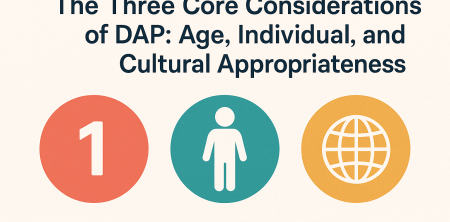
Education is constantly evolving, and understanding how children learn is fundamental to effective teaching. One guiding framework that has gained significant traction is developmentally appropriate practice (DAP). This concept emphasizes the importance of creating educational experiences that align with children's developmental stages, individual needs, and cultural contexts. By focusing on these three core considerations—age, individual, and cultural appropriateness—educators can enhance learning outcomes and foster a more inclusive environment.
The Importance of Age Appropriateness
Age appropriateness is often the first consideration when implementing DAP. This aspect recognizes that children develop at different rates and that educational practices should reflect these differences. For instance, a five-year-old's cognitive abilities, social skills, and emotional regulation are markedly different from those of a seven-year-old. Therefore, activities designed for younger children can lead to frustration if introduced to older children who are ready for more complex challenges.
Research has shown that children learn best when they are engaged in activities that match their developmental stage. For example, according to the National Association for the Education of Young Children (NAEYC), play-based learning is particularly effective for preschoolers, as it promotes exploration and social interaction.
Age-Related Learning Milestones
Understanding the typical learning milestones for various age groups is vital for educators. For instance:
- Infants (0-12 months): Focus on sensory experiences and attachment through responsive caregiving.
- Toddlers (1-3 years): Encourage language development and motor skills through active play and exploration.
- Preschoolers (3-5 years): Foster cooperation and problem-solving through group play and structured activities.
- School-age children (6-12 years): Promote academic skills alongside social understanding through project-based and collaborative learning.
These age-related milestones help frame educational content and delivery methods. By tailoring learning experiences to these stages, educators can significantly enhance engagement and motivation.
Individual Appropriateness: Acknowledging Unique Learners
While age is a crucial factor, individual appropriateness recognizes that every child is unique. Factors such as temperament, interests, learning styles, and special needs play a significant role in how children engage with their environment. This approach encourages educators to assess each child's strengths and challenges, allowing for more personalized learning experiences.
For instance, a child with a keen interest in animals may flourish in a science unit focused on wildlife, while another child might excel in a more structured, direct instruction setting. Understanding these individual differences is essential for fostering a positive learning environment.
Strategies for Individualized Learning
Here are some strategies educators can employ to ensure that learning is individually appropriate:
- Observation: Regularly observe children to understand their interests and developmental levels.
- Flexible Grouping: Use a mix of ability levels in group work, allowing children to learn from each other.
- Differentiated Instruction: Tailor lessons to meet various learning styles, such as visual, auditory, and kinesthetic.
- Feedback and Assessment: Provide ongoing feedback and adapt assessments to reflect individual growth.
By implementing these strategies, educators can create an environment where all children feel valued and capable of success.
Cultural Appropriateness: Embracing Diversity
In our increasingly diverse society, cultural appropriateness is another fundamental component of DAP. Recognizing and valuing children's cultural backgrounds helps build a more inclusive classroom atmosphere. This consideration goes beyond mere acknowledgment; it involves integrating cultural diversity into the curriculum and teaching practices.
For example, a lesson on community helpers can include stories and examples from the diverse cultural backgrounds of the students. By doing so, educators validate children's experiences and encourage respect for different cultures.
Creating Culturally Responsive Classrooms
To foster cultural appropriateness in education, here are some actionable steps educators can take: (See: CDC's Developmental Milestones.)
- Inclusive Curriculum: Incorporate books, materials, and resources that reflect the diversity of the students.
- Family Engagement: Involve families in the learning process to share their cultural practices and values.
- Professional Development: Engage in training on cultural competence to better understand and address diverse needs.
- Critical Reflection: Regularly reflect on personal biases and assumptions that may affect teaching.
By embracing these approaches, educators can create a nurturing environment that respects and celebrates the diverse backgrounds of all students.
The Intersection of Age, Individual, and Cultural Appropriateness
While age, individual, and cultural appropriateness are often discussed as separate considerations, they are, in fact, interconnected. For instance, a child's individual learning style may be influenced by their cultural background. Similarly, age-related developmental milestones can vary across cultures. Recognizing these intersections allows educators to provide a more holistic approach to learning.
For example, consider a classroom with students from various cultural backgrounds. An educator might notice that some children engage better with storytelling methods typical in their cultures, while others may prefer hands-on learning activities. By integrating various teaching methods, the educator can cater to both individual and cultural needs while respecting developmental appropriateness.
Current Relevance of Developmentally Appropriate Practice
As educational standards evolve, the relevance of DAP remains crucial. Policymakers, educators, and parents are increasingly aware of the need for a more nuanced approach to teaching that goes beyond standardized testing. The rise of social-emotional learning initiatives and the emphasis on inclusive education reflect a growing commitment to DAP.
Moreover, the COVID-19 pandemic highlighted the importance of flexible and responsive teaching methods. As educators transitioned to remote learning, many discovered that DAP principles still applied, even in virtual settings. Teachers who adapted their practices to meet the individual needs of their students were often more successful in maintaining engagement and promoting learning.
Challenges in Implementing Developmentally Appropriate Practice
Despite its benefits, the implementation of DAP is not without challenges. One significant hurdle is the pressure of standardized testing and accountability measures. Educators often feel compelled to prioritize test preparation over developmentally appropriate practices, which can stifle creativity and engagement.
Additionally, not all educators receive adequate training in DAP principles. Professional development opportunities can be limited, particularly in underserved areas, leaving teachers ill-equipped to address the diverse needs of their students.
Overcoming Barriers to Effective DAP
To navigate these challenges, educators can advocate for systemic changes that prioritize DAP in teaching practices. Here are some strategies:
- Advocacy: Work with school administrators to emphasize the importance of DAP in curriculum design and assessment.
- Collaboration: Share resources and strategies with colleagues to foster a community of practice around DAP.
- Continued Learning: Seek out workshops, courses, and resources that deepen understanding of DAP principles.
- Parent and Community Engagement: Involve families and community members in discussions about the value of DAP in education.
Through collaboration and advocacy, educators can help create environments where DAP principles are not just theoretical but integral to teaching and learning.
Examples of Developmentally Appropriate Practice in Action
Understanding DAP is helpful, but seeing it in action provides concrete examples of how it can be implemented effectively. Here are several case studies that illustrate developmentally appropriate practices:
Case Study 1: The Play-Based Learning Environment
A preschool classroom was designed to be a play-based learning environment, featuring various stations where children could engage in different types of play—dramatic play, sensory play, and constructive play. Each station was tailored to provide opportunities for social interaction, language development, and fine motor skills.
For instance, in the dramatic play area, children could dress up as community helpers, promoting imaginative play while also learning about different occupations and fostering cooperation. Teachers observed that children were not only having fun but also demonstrating increased communication and problem-solving skills as they negotiated roles and scenarios.
Case Study 2: Individualized Reading Programs
In a kindergarten classroom, the teacher recognized that students displayed varying levels of reading proficiency. To accommodate these differences, she implemented an individualized reading program. Each child had a personalized reading plan based on their interests and abilities.
During reading time, students chose books from a diverse library that included both fiction and non-fiction options related to their interests—some children chose animal stories, while others preferred books about space. This approach not only motivated the students but also fostered a love of reading, as each child felt empowered to explore literature that resonated with them.
Case Study 3: Culturally Relevant Lessons
In a culturally diverse elementary classroom, the teacher initiated a “Cultural Discovery Week.” Each student was encouraged to share elements of their cultural background—through food, music, stories, and traditional dress. This project culminated in a class presentation where students showcased what they learned about each other’s cultures.
For instance, a student of Hispanic heritage shared traditional dances and songs, while another student from an Asian background presented calligraphy. This immersive experience not only heightened cultural awareness but also built community and respect among students. The teacher noted improved engagement and enthusiasm throughout the week, illustrating how culturally appropriate practices can enhance learning and social connections.
Current Trends Influencing Developmentally Appropriate Practice
As educators continue to embrace DAP, several trends are reshaping the educational landscape:
Technology in the Classroom
The integration of technology into the classroom has gained momentum. While some may see technology as a deviation from traditional methods, it can enhance developmentally appropriate practices when used thoughtfully. For example, interactive apps can cater to different learning styles and allow for personalized pacing. Educators are encouraged to select age-appropriate digital tools that support learning without overshadowing hands-on experiences.
Social-Emotional Learning (SEL)
The increasing emphasis on social-emotional learning is aligned with DAP principles. SEL programs focus on skills such as self-awareness, empathy, and relationship-building—elements crucial for child development. Implementing these programs helps create a safe and supportive environment, enabling children to thrive academically and socially.
Inclusive Education
With the growing advocacy for inclusive education, DAP plays a crucial role in meeting the needs of children with diverse abilities. The aim is to create classrooms where all children can learn together, regardless of their challenges. Educators are adopting co-teaching models, where special education and general education teachers collaborate to provide tailored support to all students.
Frequently Asked Questions (FAQs) about Developmentally Appropriate Practice
What is developmentally appropriate practice?
Developmentally appropriate practice refers to a framework in education that focuses on providing learning experiences that are aligned with children's developmental stages, individual needs, and cultural contexts. It emphasizes the importance of supporting each child's unique learning journey.
How can I determine if my teaching methods are developmentally appropriate?
To assess the appropriateness of your teaching methods, consider whether your strategies align with the developmental milestones of your students, accommodate individual learning styles, and integrate cultural perspectives. Regular observation and feedback from students can provide valuable insights.
What are some signs that a classroom is implementing DAP effectively?
Indicators of effective DAP implementation include high levels of student engagement, collaborative learning opportunities, an inclusive environment that respects diversity, and personalized learning experiences that reflect individual interests and strengths. We covered best practices for personalized learning in more detail.
How can parents support developmentally appropriate practices at home?
Parents can support DAP by providing a home environment that encourages exploration and learning. This includes offering a variety of age-appropriate resources, engaging in play that promotes social skills, and fostering conversations about cultural backgrounds. Communication with teachers about individual needs and progress is also essential.
Is developmentally appropriate practice only applicable in early childhood education?
No, while DAP is often associated with early childhood education, its principles can be adapted for all age groups. Educators at different levels can tailor their teaching strategies to consider developmental appropriateness, ensuring that learning remains relevant and engaging for all students.
How can educators stay updated on best practices for DAP?
Educators can stay informed about best practices for DAP by attending workshops, participating in online courses, and joining professional organizations dedicated to early childhood education. Engaging with current research and networking with peers can also provide valuable insights and resources.
What role does play have in developmentally appropriate practice?
Play is a fundamental component of DAP, particularly in early childhood education. It serves as a natural way for children to explore, learn, and develop important skills. Through play, children enhance their cognitive, social, and emotional skills, making it an essential practice for fostering developmentally appropriate learning environments.
How can educators address diverse learning needs within DAP?
To effectively address diverse learning needs within DAP, educators should implement differentiated instruction, utilize flexible grouping, and provide varied learning experiences that cater to different styles and abilities. Regular assessments and feedback can also help identify and support individual growth.
The Path Forward for Developmentally Appropriate Practice
In a complex educational landscape, understanding the three core considerations of developmentally appropriate practice—age, individual, and cultural appropriateness—is essential for fostering effective learning environments. By recognizing and honoring the unique developmental paths of each child, educators can create more inclusive and meaningful educational experiences.
As we move forward, it's crucial for educators, policymakers, and communities to work together to champion DAP and ensure that every child receives an education that respects their individual needs and cultural backgrounds. In doing so, we not only enhance learning outcomes but also nurture a generation of well-rounded, empathetic individuals ready to thrive in an increasingly diverse world.
Inspiring Case Studies of DAP in Action
To further illustrate the impact of developmentally appropriate practice, let’s take a look at a few more case studies that highlight successful implementations of DAP principles:
Case Study 4: Integrating the Arts into Learning
In a first-grade classroom, the teacher decided to integrate the arts into the curriculum by having students express their understanding of a science unit on the water cycle through various artistic mediums. Students could choose to create a watercolor painting, a diorama, or even a short play depicting the water cycle's stages. This approach recognized the different ways children learn and express knowledge, allowing each child to engage with the content meaningfully. As a result, students showcased their creativity and deepened their understanding of scientific concepts.
Case Study 5: Family-Led Learning Projects
A kindergarten teacher implemented a project where families were invited to contribute to their child’s learning by presenting a family tradition or activity in class. This initiative not only fostered connections between home and school but also encouraged respect for each child’s cultural background. For example, one family introduced the class to traditional cooking methods from their culture, while another family shared stories from their heritage. This enriched the classroom environment, making learning more relevant and exciting for students.
Case Study 6: Gardening as a Learning Tool
In an elementary school, the staff created a community garden where students could learn about plant biology, ecosystems, and nutrition. The program was designed to be hands-on, allowing students to engage in the physical activity of planting, watering, and maintaining the garden. This project not only taught children about science but also emphasized teamwork and responsibility. Children learned valuable lessons about the life cycle of plants, the importance of healthy eating, and environmental stewardship, all within a context that was engaging and developmentally appropriate.
Conclusion: Advocating for Developmentally Appropriate Practice
As we continue to navigate the complexities of modern education, advocating for developmentally appropriate practices remains essential. Not only does DAP promote better educational outcomes, but it also fosters a love of learning and emotional well-being in children. By equipping educators with the necessary tools, resources, and training, we can ensure that every child has access to an enriching and supportive learning environment. It is through continued collaboration, professional development, and community engagement that we can truly realize the potential of developmentally appropriate practice in education.
```
Trending Now
Frequently Asked Questions
What is developmentally appropriate practice in education?
Developmentally appropriate practice (DAP) is an educational framework that emphasizes creating learning experiences tailored to children's developmental stages, individual needs, and cultural contexts. By focusing on age, individual, and cultural appropriateness, educators can enhance learning outcomes and foster inclusivity.
Why is age appropriateness important in education?
Age appropriateness is crucial because children develop at different rates. Educational practices should reflect these developmental differences to prevent frustration and promote effective learning. Activities that align with a child's cognitive and social abilities enhance engagement and learning outcomes.
What are the key considerations of developmentally appropriate practice?
The three core considerations of developmentally appropriate practice are age appropriateness, individual needs, and cultural appropriateness. These factors help educators create inclusive environments that cater to diverse learning styles and backgrounds, ultimately improving educational experiences.
How do learning milestones vary by age?
Learning milestones vary significantly by age. For example, infants focus on sensory experiences, toddlers develop language and motor skills through play, preschoolers foster cooperation through group activities, and school-age children engage in more complex problem-solving tasks.
What role does cultural appropriateness play in education?
Cultural appropriateness in education ensures that learning experiences are relevant and respectful of students' cultural backgrounds. This consideration helps create an inclusive environment where all children feel valued, which can enhance their engagement and overall learning outcomes.
Agree or disagree? Drop a comment and tell us what you think.

