```html
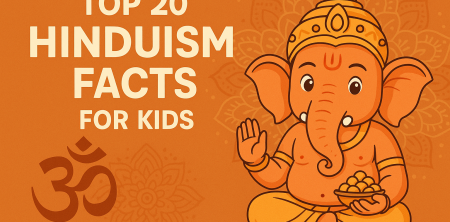
Hinduism is one of the world's oldest religions and is rich in culture, traditions, and values that have been passed down through generations. If you're looking to explore Hinduism facts for kids, you're in for a treat! This article will walk you through some of the most interesting and essential facts about Hinduism, making it easy for kids to understand and appreciate this vibrant faith.
1. Hinduism Is Ancient
Hinduism is often regarded as the oldest religion still practiced today. Its roots can be traced back over 4,000 years to the Indus Valley Civilization, which flourished in what is now modern-day Pakistan and northwest India. The religious texts known as the Vedas were composed during this time and serve as the foundation of Hindu beliefs and practices.
Unlike many other religions, Hinduism doesn't have a single founder or a specific starting point. Instead, it evolved over centuries, absorbing various cultural and spiritual influences. Because of this, Hinduism is often seen as a way of life rather than just a religion.
2. Hinduism Is Diverse
One of the most fascinating aspects of Hinduism is its diversity. There are numerous gods and goddesses, each representing different aspects of life, nature, and the universe. Major deities include Brahma (the creator), Vishnu (the preserver), and Shiva (the destroyer). Kids might be surprised to learn that there are also many regional deities worshipped across India!
Hindus practice their faith in various ways, from elaborate temple rituals to simple home ceremonies. Festivals such as Diwali (the festival of lights) and Holi (the festival of colors) showcase this diversity and bring communities together in celebration.
3. Reincarnation and Karma
At the core of Hindu beliefs is the concept of reincarnation, where the soul is believed to be eternal and undergoes a cycle of birth, death, and rebirth. This cycle is known as samsara. According to this belief, every action in life (karma) influences one's future incarnations.
For kids, understanding karma can be a valuable life lesson. Good actions lead to positive outcomes, while negative actions can result in challenging situations in future lives. This encourages ethical living and mindfulness in one's choices.
4. The Caste System
The caste system is a significant aspect of Hindu society, traditionally dividing people into four main categories: Brahmins (priests and scholars), Kshatriyas (warriors and rulers), Vaishyas (traders and farmers), and Shudras (laborers). Though the caste system has been officially abolished in India, remnants still influence social interactions today.
For children, it's essential to learn about the caste system's historical context while understanding efforts made to promote equality and social justice. Discussions about inclusivity and breaking down barriers can lead to meaningful conversations.
5. Sacred Texts
Hinduism boasts a rich collection of sacred texts. The Vedas, Smriti, and Upanishads are among the most important. These texts contain hymns, prayers, and philosophical discussions that guide Hindus in their spiritual and moral lives.
One of the most well-known texts is the Bhagavad Gita, a 700-verse dialogue between Prince Arjuna and Lord Krishna. It's often considered a spiritual and philosophical guide, addressing duty, righteousness, and the nature of reality. Kids would enjoy learning about these stories and their moral lessons!
6. Temples Are Sacred Spaces
Hindu temples are not just places of worship; they are vibrant centers of community life. Each temple is dedicated to specific deities and is designed with intricate architecture that often features carvings and sculptures of gods, goddesses, and various spiritual symbols.
When visiting a temple, participants engage in rituals such as puja (worship), offering flowers, and lighting lamps. Children can learn the importance of community and spirituality through temple visits, experiencing firsthand how these spaces bring people together in devotion.
7. The Importance of Symbols
Symbols play a vital role in Hinduism, conveying complex ideas and beliefs simply and visually. The Om symbol, for instance, represents the essence of the universe and is considered sacred. It's often chanted in prayers and meditations.
Other important symbols include the Swastika, which signifies good luck and prosperity, and the lotus flower, representing purity and enlightenment. Kids can explore the meanings behind these symbols and how they relate to daily life in Hindu culture. (See: Hinduism overview on Wikipedia.)
8. Festivals Galore
Hinduism is known for its vibrant festivals that celebrate various aspects of life, nature, and spirituality. Diwali, the festival of lights, symbolizes the victory of light over darkness and good over evil. During this time, families decorate their homes, light oil lamps, and exchange sweets.
Another major festival is Holi, known as the festival of colors. Participants throw colored powders at each other, celebrating love, joy, and the arrival of spring. Kids love these festivities, as they are filled with fun, laughter, and a sense of community.
9. Yoga and Meditation
Yoga, which has its origins in Hinduism, is a practice that combines physical postures, breathing exercises, and meditation. It aims to promote physical and mental well-being. Many kids today engage in yoga as a form of exercise that also teaches mindfulness.
By exploring yoga and meditation, children can learn how to manage stress and cultivate inner peace. These practices can be a fun way for them to connect with their bodies and minds, fostering a sense of harmony in their lives.
10. Family and Community
Family is at the heart of Hindu culture. Respecting elders and maintaining strong family bonds are essential values. Many Hindu families celebrate religious events together, reinforcing their cultural heritage and traditions.
Community plays a crucial role in Hinduism as well. Temples often serve as gathering places for social and cultural activities, allowing families to connect with one another. Kids can learn the importance of building relationships and supporting one another through community involvement.
11. Hinduism Around the World
While Hinduism originated in India, it has spread across the globe, with significant populations in countries such as Nepal, Bangladesh, Indonesia, and the United States. This global presence has led to a rich exchange of cultural practices and ideas.
Children can explore how Hindu festivals are celebrated differently in various parts of the world. Learning about these diverse practices fosters appreciation for cultural differences and the ways in which Hinduism adapts to new environments.
12. Different Paths to Spirituality
Hinduism encompasses various paths to spirituality, allowing individuals to choose their own approach based on personal beliefs and preferences. The three main paths are Karma Yoga (the path of action), Bhakti Yoga (the path of devotion), and Jnana Yoga (the path of knowledge).
This flexibility encourages children to explore their spirituality in ways that resonate with them. It teaches them respect for diverse beliefs and practices, enabling them to develop their own understanding of the world.
13. The Role of Animals in Hinduism
Animals hold a special place in Hinduism, often symbolizing various divine qualities. Cows, for example, are considered sacred and are revered as symbols of abundance and motherhood. This reverence for cows has led to their protection and care in Hindu culture.
Kids can learn about the significance of animals in Hindu stories and mythology, such as the wise elephant-headed god Ganesha, who is beloved by many for his role as a remover of obstacles. Understanding these connections fosters compassion towards animals and nature.
14. Hindu Mythology
Hindu mythology is filled with fascinating stories that illustrate moral lessons and impart wisdom. Tales of deities and heroes, such as Rama and Sita in the epic Ramayana, captivate the imagination and teach values such as bravery, loyalty, and righteousness.
Kids can enjoy listening to these stories, which often include fantastical elements and heroic adventures. Engaging with these myths can inspire children to think about their own values and how they can apply them in their lives.
15. The Influence of Hinduism on Art and Culture
Hinduism has significantly influenced art, architecture, and literature, shaping various cultural expressions across India and beyond. From intricate temple carvings to classical dance forms like Bharatanatyam, Hindu culture is steeped in artistic traditions.
Kids can explore various art forms inspired by Hindu themes, such as painting, sculptures, and music. Understanding these artistic expressions helps them appreciate the beauty and creativity that arise from deep spiritual beliefs.
16. Hinduism and Science
Many principles found in Hindu philosophy align with scientific concepts. For instance, the idea of interconnectedness resonates with ecological and biological studies. The cyclical nature of life reflected in samsara reflects scientific principles of matter and energy. (See: BBC Religion section on Hinduism.)
Encouraging children to explore this intersection can ignite their curiosity about the natural world and the universe. It fosters critical thinking and an appreciation for the wisdom found in both science and spirituality.
17. Learning from Hinduism
Hinduism teaches valuable life lessons, such as the importance of compassion, respect for all living beings, and the pursuit of knowledge. These principles encourage children to be mindful of their actions and their impact on others.
Through stories, rituals, and community involvement, kids can internalize these lessons, helping them grow into thoughtful and responsible individuals. The teachings of Hinduism offer guidance that is relevant across cultures and time periods.
18. The Future of Hinduism
As society evolves, so does Hinduism. Today, many Hindus are actively involved in social justice movements, environmental causes, and efforts to promote gender equality. These modern adaptations demonstrate the religion's relevance in contemporary society.
Kids can learn about the importance of advocating for positive change and how their actions can make a difference in the world. Understanding the evolving nature of Hinduism encourages them to think critically about their beliefs and how they align with their values.
19. Hinduism and Interfaith Dialogue
Hinduism encourages dialogue and understanding among different faiths. With its emphasis on respect for all religions, it promotes peace and harmony. This open-minded approach can help children appreciate the diversity of beliefs in the world.
Interfaith discussions and events often highlight common values across religions, fostering goodwill and cooperation among people of different backgrounds. Engaging in interfaith dialogue teaches kids the importance of empathy and understanding in a multicultural world.
20. The Joy of Discovery
Ultimately, exploring Hinduism facts for kids is about discovery and curiosity. The richness of Hindu traditions invites children to learn, ask questions, and seek their own understanding of spirituality and life. By engaging with these facts, kids can cultivate a sense of wonder about the world and their place in it.
Whether through stories, festivals, or community involvement, the journey of discovering Hinduism can be a rewarding and enriching experience for children. Encouraging them to embrace this knowledge fosters a lifelong appreciation for diverse cultures and beliefs, nurturing their growth as compassionate and informed individuals.
21. Important Hindu Festivals in Detail
Beyond just Diwali and Holi, Hinduism features a plethora of festivals celebrated throughout the year, each with its unique significance and traditions. One such festival is Navratri, which spans nine nights and celebrates the goddess Durga. Each night involves different forms of worship, music, dancing, and cultural performances that bring communities together.
Another significant festival is Raksha Bandhan, which celebrates the bond between brothers and sisters. Sisters tie a protective thread (rakhi) around their brothers' wrists, while brothers promise to protect and support their sisters. Kids can take part in this festival by making rakhis and sharing sweets, fostering strong familial ties.
22. Learning Through Stories
Hinduism is rich in narratives that convey teachings and morals. Kids can learn about the adventures of Hanuman, the monkey god known for his strength and loyalty in the Ramayana. His stories teach courage and selflessness, encouraging children to embody these values in their everyday lives. These engaging tales can spark discussions about bravery and integrity, enriching their moral compass.
23. Fun Facts About Hinduism
- The word "Hindu" originates from the Persian term for people living near the Indus River.
- There are over a billion Hindus worldwide, making it the third-largest religion after Christianity and Islam.
- Hindus do not have a single holy book but rather a vast array of texts, including the Vedas, Upanishads, and Puranas.
- The Ganges River is considered the most sacred river in Hinduism, and many pilgrims travel to bathe in its waters.
24. Frequently Asked Questions
What is the main belief of Hinduism?
Hinduism encompasses a wide range of beliefs and practices, but a core belief is the concept of Dharma, or duty. Each individual's path is unique, and fulfilling one's Dharma is essential for spiritual growth.
Are there any dietary restrictions in Hinduism?
Many Hindus follow a vegetarian diet as a reflection of their respect for all living beings. The cow, in particular, is considered sacred, leading to a prohibition against eating beef. However, dietary practices can vary based on region and personal choice.
Can Hindus worship more than one deity?
Yes! Hinduism is known for its polytheistic nature, allowing followers to worship multiple deities. Each god or goddess represents different aspects of life, making it possible for individuals to connect with the divine in various ways.
How do Hindus practice their faith daily?
Daily practices can include morning prayers, meditation, and rituals at home or in temples. Many Hindus also observe festivals and take part in community gatherings, reinforcing their beliefs and connection to their culture.
What is the significance of the Holi festival?
Holi signifies the arrival of spring and the victory of good over evil. The playful throwing of colors symbolizes joy, love, and unity, breaking down social barriers and fostering a sense of community.
25. Hinduism's Impact on Education
Education holds a special place in Hinduism, with a historical emphasis on knowledge and learning. Ancient texts like the Vedas and Upanishads are not only spiritual scriptures but also philosophical explorations that encourage critical thinking. Many Hindu families prioritize education, viewing it as a path to personal and spiritual growth.
This dedication to learning can inspire kids to value their own education, recognizing it as a means to understand the world better and contribute positively to society. Understanding the connection between education and spirituality may motivate them to embrace knowledge in all its forms.
26. Global Influence of Hindu Practices
Hinduism's influence extends beyond India, impacting various cultures around the world. Practices such as yoga and meditation have gained immense popularity in Western countries, often embraced for their physical and mental health benefits. Schools and community centers often offer yoga classes, introducing children to these ancient practices.
Kids can explore how Hinduism has contributed to discussions about wellness, mindfulness, and holistic living. Understanding these global influences can help them appreciate the interconnectedness of cultures and how traditions can evolve and adapt across different societies.
27. The Environment in Hindu Beliefs
Hinduism teaches a profound respect for nature, often viewing the environment as sacred. Rivers, mountains, and forests are considered manifestations of divine presence. This perspective encourages followers to protect and honor the earth, promoting a sense of responsibility towards environmental stewardship. Related reading: Hinduism facts for children.
For kids, learning about this connection can foster a love for nature and inspire them to participate in environmental conservation efforts. Discussions about protecting ecosystems and wildlife can motivate them to take action in their communities, reinforcing the idea that they can make a difference.
28. Perspectives from Hindu Scholars
Hindu scholars and leaders have offered various interpretations and insights into the faith, emphasizing its relevance in the modern world. For instance, contemporary thinkers like Swami Vivekananda and Mahatma Gandhi have highlighted the importance of tolerance, non-violence, and service to humanity within Hindu teachings. Their works can inspire kids to think critically about their role in promoting peace and social justice.
Encouraging children to explore these perspectives can broaden their understanding of how ancient teachings can inform modern life, emphasizing the importance of adapting values to contemporary challenges.
29. Conclusion
Understanding Hinduism facts for kids opens a window into a world rich with history, culture, and spirituality. Through exploration, stories, and festivals, children can engage with the values that define this ancient faith. Whether learning about deities, participating in festivals, or discussing moral lessons from mythology, kids can find inspiration in the teachings of Hinduism. This journey encourages open-mindedness, empathy, and a love for learning about diverse cultures, making it a vital part of their educational growth.
```
Trending Now
Frequently Asked Questions
What are some interesting facts about Hinduism for kids?
Hinduism is one of the oldest religions, with roots over 4,000 years old. It features a rich diversity of gods and practices, including major deities like Brahma, Vishnu, and Shiva. Festivals such as Diwali and Holi highlight its vibrant culture, and the concepts of reincarnation and karma are central to Hindu beliefs.
How many gods are there in Hinduism?
Hinduism is known for its diversity, with millions of gods and goddesses worshipped. Major deities include Brahma (the creator), Vishnu (the preserver), and Shiva (the destroyer), along with numerous regional deities that reflect the rich cultural tapestry of India.
What is the significance of festivals in Hinduism?
Festivals like Diwali and Holi are integral to Hindu culture, celebrating themes of light, color, and community. They bring people together for rituals, feasting, and joyous activities, showcasing the diversity and vibrancy of Hindu traditions.
What does reincarnation mean in Hinduism?
Reincarnation is a core belief in Hinduism, where the soul is considered eternal and goes through cycles of birth, death, and rebirth, known as samsara. This cycle emphasizes the importance of karma, where one's actions influence future lives.
Is Hinduism a religion or a way of life?
Hinduism is often viewed as more than just a religion; it's seen as a way of life. It encompasses a wide range of beliefs, practices, and cultural traditions that have evolved over centuries, making it unique among world religions.
(diversity in children's literature)
What did we miss? Let us know in the comments and join the conversation.

