```html
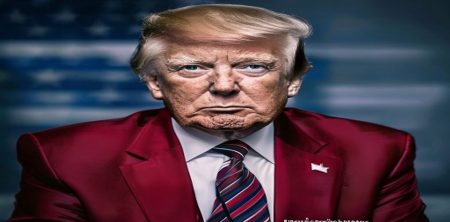
In an unexpected twist in the world of sports, President Donald Trump has publicly confirmed that he reached out to FIFA regarding the controversial red card ban imposed on US World Cup star Folarin Balogun. This surprising intervention from a sitting US president has sparked intense debate across both sports and political arenas, igniting discussions about the intersection of politics and international sports.
The Background on Balogun's Controversial Red Card
Folarin Balogun, a rising star in American soccer, found himself at the center of controversy following a disciplinary decision that led to a red card ban. This ban not only excluded him from crucial matches but also raised questions about the fairness and consistency of officiating in high-stakes tournaments like the World Cup. Balogun, known for his skills on the field, has become a beacon of hope for US soccer fans, making his absence from the World Cup particularly poignant. Fans argue that Balogun's talent and contributions to the team merit reconsideration of the ban.
Trump's Intervention: A Bold Move or Overreach?
When President Trump announced his intervention, it sent ripples through the world of soccer and beyond. By personally contacting FIFA, he is stepping into a space typically reserved for sports officials and regulatory bodies. Some view this as a commendable act of support for an American athlete in a globally significant event. Others, however, see it as an overreach of executive power into the realm of sports, raising questions about the appropriateness of such involvement.
The timing of Trump's intervention coincides with ongoing discussions about the role of politics in sports. Many believe that while it is essential for leaders to support their country's athletes, there is a fine line between support and interference. This situation challenges our understanding of how political figures should engage with sports organizations, especially in international contexts.
The Emotional Investment of Fans
The emotional stakes surrounding Balogun's potential exclusion from the World Cup cannot be overlooked. Soccer fans in the United States have been rallying around the national team as they aim for success on the world stage. Balogun, who has garnered significant attention for his skills, represents the hopes and dreams of a nation striving to establish itself in international soccer.
Social media platforms have erupted with reactions, showcasing a wide spectrum of opinions. Supporters of Trump's move commend his dedication to American athletes, while critics warn against politicizing sports. This divide reflects broader societal tensions, illustrating how sports can function as a microcosm for larger political debates.
Analyzing the FIFA Regulations
To fully appreciate the implications of Trump's intervention, it's crucial to understand the regulations governing FIFA's disciplinary actions. FIFA's standards are intended to maintain fairness and integrity within the sport, yet critics of the organization argue about inconsistencies in how these rules are applied. Balogun's case raises important questions about whether the governing body is holding players to the same standards, and how subjective interpretations of rules can lead to public outcry.
The red card system is designed to penalize severe infractions, and while many agree that maintaining discipline is essential, it is also vital that players are treated equitably. The debate over Balogun’s ban highlights a need for transparency and consistency within FIFA, a sentiment echoed by sports analysts and fans alike.
Political Reactions to Trump's Request
As news of Trump's intervention spread, reactions from political figures and commentators also emerged. Some praised him for taking a stand on behalf of an American athlete, reflecting a patriotic stance that resonates with many constituents. Others warned that such an act could set a troubling precedent for future presidential interventions in international sports.
Political analysts have begun to speculate about the ramifications of this intervention. If leaders begin to weigh in on every disciplinary decision in global sports, it could complicate international relations and the autonomy of sports organizations. Questions arise: where do we draw the line between support and interference? And how might this affect America’s standing in international sports governance?
The Role of Social Media in the Debate
The rapid spread of information on social media has amplified the discourse surrounding the Trump FIFA Balogun red card situation. Platforms like Twitter and Instagram have become battlegrounds for opinions, with hashtags trending as supporters and detractors engage in heated discussions. This digital engagement has not only spread awareness about Balogun’s plight but has also turned it into a rallying point for larger discussions about athlete advocacy and political involvement. (See: BBC Sports coverage of football.)
Moreover, the viral nature of the debate signifies a shift in how sports controversies are perceived. Fans now have a direct line to express their views, potentially influencing institutional decisions. Whether these conversations lead to substantive change within FIFA or merely serve as a flashpoint for political debates remains to be seen.
Global Reactions to the Controversy
Internationally, reactions to Trump’s involvement in Balogun's case have varied, with some viewing it as a testament to American pride in sports. Soccer federations and fans from other countries have weighed in, expressing bewilderment at the idea of a sitting president intervening in a sports organization's decision-making process. This global perspective adds another layer to the narrative, highlighting how sports often serve as a bridge (or a barrier) between nations.
As discussions unfold, it’s clear that Balogun’s case transcends soccer. It embodies the complex relationship between politics and sports, where the actions of one individual can ignite conversations that span continents and cultures.
What’s Next for Balogun?
As the world watches, the future of Folarin Balogun remains uncertain. The response from FIFA regarding Trump's request could set a significant precedent for how similar cases are handled in the future. Will FIFA reconsider the ban, or will they uphold their regulations regardless of political pressure?
For Balogun, the stakes could not be higher. His potential absence from the World Cup is not just a personal setback; it reflects broader implications for the future of American soccer. Fans are hopeful for a positive outcome, but they are also bracing for the possibility that FIFA might dismiss Trump’s request, adhering strictly to their guidelines.
Conclusion: A Case Study in Politics and Sports
The controversy surrounding Trump’s intervention in Folarin Balogun’s red card ban has opened a Pandora's box of discussions about the role of politics in sports. As we witness this unique intersection, we are reminded that sports are not merely games; they are platforms for larger societal conversations. Whether Trump’s request will change the outcome for Balogun, it has undoubtedly ignited a fervent discourse that will continue to evolve.
The impact of this situation will be felt beyond the soccer field, influencing how athletes, fans, and politicians view their roles within the overlapping arenas of sports and politics. Balogun’s case serves as a reminder of the power of sport to unite and divide, to inspire and challenge — a dynamic that is sure to resonate for years to come.
The Legal Implications of Trump's Involvement
The legal ramifications of Trump’s intervention could stretch far beyond the soccer pitch. The act of a sitting president reaching out to an international sports organization raises questions about the legality and ethics of such actions. Legal experts suggest that while the president has the right to express concern, direct intervention could be viewed as an overstepping of boundaries between federal authority and private organizational governance.
FIFA operates as an independent body, and its bylaws stipulate that political influence should not interfere with its operations. If FIFA were to make a decision based on Trump's request, it could set a dangerous precedent, inviting further political interventions in the future and potentially undermining the integrity of sports governance.
Comparative Analysis: Other Political Interventions in Sports
Historically, there have been notable instances where politicians have intervened in sports, though the outcomes have varied significantly. For example, during the Cold War, the U.S. boycotted the 1980 Moscow Olympics in protest of the Soviet invasion of Afghanistan. This decision was politically motivated and had far-reaching implications for athletes who lost the opportunity to compete on a global stage.
In contrast, when President Obama expressed his support for the United States women's soccer team during the 2015 World Cup, it was largely seen as a gesture of national pride rather than an interference in FIFA’s rulings. This distinction is essential in understanding the delicate balance between political support for athletes and overreach into sports governance.
Impacts on US Soccer's Future
The outcome of Balogun's situation may have long-lasting effects not just on his career but also on the trajectory of soccer in the United States. With the sport growing rapidly in popularity, the implications of this case could influence future governance structures and athlete support systems within U.S. soccer. How the federation manages this situation could set a precedent for handling athlete disputes, particularly as American soccer aims to make a mark on the world stage. (See: New York Times Sports section.)
Furthermore, the involvement of political figures in athlete advocacy may encourage more athletes to speak out about their grievances, potentially altering the landscape of how sports and politics interact in the U.S. If Balogun’s case leads to a perceived victory for American sports policy, it could invigorate a new generation of athletes to engage with both their governing bodies and political leaders.
Expert Opinions on Balogun and FIFA's Decision
Sports analysts and commentators have weighed in on the Balogun situation, providing insights that underscore the complexities of the case. Renowned sports journalist Alex Morgan emphasized the unfairness of Balogun's ban, urging FIFA to reconsider the decision based on the evidence of his skill and sportsmanship.
Conversely, sports law expert Dr. James Hartman pointed out that while Trump’s intervention may be well-intentioned, it could complicate matters further for Balogun. "A red card ban is typically rooted in the conduct of the player during the game. If FIFA is seen to reverse their decision after political pressure, it may lead to resentment among other players and teams," he stated.
Frequently Asked Questions
What led to Balogun receiving a red card?
Folarin Balogun received a red card during a critical match due to a foul deemed excessively aggressive. The referees decided that his actions warranted immediate ejection from the game, which subsequently led to a ban from future matches.
Is it common for presidents to intervene in sports matters?
While it’s not unheard of for political leaders to express support for athletes, direct intervention in disciplinary decisions is rare. Most leaders support athletes publicly without influencing the governance of sports organizations.
What are the potential consequences of Trump's intervention?
The potential consequences include setting a precedent for future political interference in sports, undermining the independence of organizations like FIFA, and affecting international sports relations.
How are other countries reacting to Trump's involvement?
Responses from other countries have been mixed, with some expressing concern over the implications of such political interference in sports, while others view it as an affirmation of American pride in athletics.
What’s next for Balogun?
Folarin Balogun’s future will largely depend on FIFA's response to Trump's request. The decision could either pave the way for his return to the team or uphold the ban, impacting his career and the broader narrative of U.S. soccer.
The Broader Impact of Politics on Sports
The blending of politics and sports isn’t new, but it feels especially prevalent today. The Balogun case highlights how political figures are increasingly using sports as a platform to connect with constituents and promote national pride. This phenomenon isn’t limited to individual athletes; entire teams and their performances often become intertwined with national identity and sentiment. For example, the U.S. Women’s National Soccer Team has been a prominent voice for gender equality, using their platform to advocate for equal pay, which has resonated with many throughout the country. We covered watch the live stream in more detail.
As political narratives evolve, it's probable that athletes will find themselves at the forefront of discussions around social justice, policy reform, and national pride. Balogun, in this context, represents not just a player but a symbol of American aspirations in a sport that’s gaining traction domestically. (See: CDC Sports Safety guidelines.)
Future of Athletes' Political Engagement
Moving forward, we can anticipate that more athletes will leverage their platforms to engage in political advocacy. The conversation surrounding Balogun’s red card provides a case study for future athletes grappling with similar issues. With the rise of social media, players can more easily share their perspectives and rally support from fans and fellow athletes alike.
As this landscape continues to shift, sports organizations may need to develop guidelines that clearly define the boundaries between athlete advocacy and political interference. This may include establishing clear communication channels for athletes to voice their concerns while preserving the independence of governing bodies like FIFA.
Key Statistics and Trends in Athlete Advocacy
The growing trend of athlete activism is evidenced by recent statistics showing a significant increase in athletes speaking out on social issues. According to a study by the Institute for Diversity and Ethics in Sport, over 70% of professional athletes believe they have a responsibility to address social issues. This aligns with findings from a Pew Research Center survey indicating that nearly 60% of Americans support athletes taking stands on political and social issues.
Additionally, organizations like the Players Coalition have emerged, comprised of professional athletes advocating for social justice and reform. This collective movement signifies a transformation in how athletes view their roles in society, intertwining sports with activism in ways that could reshape public discourse.
The Role of FIFA in Modern Sports Governance
The Balogun controversy also brings to light the significant role FIFA plays in the governance of global soccer. As the governing body, FIFA is tasked with upholding the integrity of the sport while managing the myriad relationships with national associations and political entities. The decisions made in high-stakes situations like Balogun’s are critical not just for the players involved but for the reputation of FIFA as an organization.
In light of this, FIFA must strive to maintain a balance between enforcing its regulations and responding to the pressures of political influence. This balance is crucial for the continued trust of players, fans, and nations in the fairness of the competition.
Conclusion: The Path Ahead
As the world watches and waits for FIFA's response to Trump's intervention, the case of Folarin Balogun will likely remain a focal point in the discourse surrounding sports and politics. This situation underscores the increasingly complex relationships between athletes, political figures, and governing bodies, as well as the broader implications for how sports are perceived globally.
The intersection of politics and sports will undoubtedly continue to evolve, shaping not only the futures of individual athletes like Balogun but also the cultural landscape of sports as a whole. As we look ahead, it will be fascinating to see how these dynamics play out, influencing everything from athlete advocacy to the management of international sports organizations.
```
Trending Now
Frequently Asked Questions
Why did Trump intervene in Balogun's red card ban?
President Trump intervened in Balogun's red card ban to express support for the American soccer star, believing that his exclusion from crucial matches was unjust. This unexpected move sparked discussions about the intersection of politics and sports, highlighting the complexities of political figures engaging with international sports organizations.
What was the controversy surrounding Balogun's red card?
Folarin Balogun received a controversial red card ban that excluded him from key matches during the World Cup. This disciplinary decision raised questions about the fairness and consistency of officiating in high-stakes tournaments, leading fans to advocate for a reconsideration of the ban due to Balogun's significant contributions to the team.
How did FIFA respond to Trump's intervention?
The article does not specify FIFA's response to Trump's intervention. However, the act of a sitting president reaching out to FIFA has raised questions about the appropriateness of such involvement and the potential implications for the relationship between politics and international sports.
What are the implications of political figures intervening in sports matters?
Political figures intervening in sports matters can blur the lines between support and overreach. While leaders supporting their athletes can be seen as commendable, it raises concerns about the appropriateness of such involvement, especially in international contexts, and challenges our understanding of the roles of sports officials and politicians.
Who is Folarin Balogun and why is he significant?
Folarin Balogun is a rising star in American soccer known for his exceptional skills on the field. His significance stems from being a key player for the US national team, and his controversial red card ban has made his absence from the World Cup particularly poignant for fans who see him as a beacon of hope for US soccer.
What did we miss? Let us know in the comments and join the conversation.

