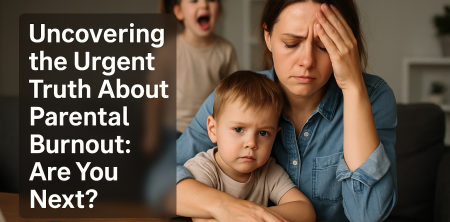
Let's be real for a moment: parenting is tough. It's a beautiful, messy, exhilarating, and utterly draining journey all at once. But there's a difference between feeling tired at the end of a long day and experiencing a deep, pervasive exhaustion that saps your joy and makes every interaction feel like an uphill battle. This isn't just 'parenting fatigue'; it's a growing public health issue known as parental burnout, and its impact is far more profound than many realize. The U.S. Surgeon General even flagged parental mental health as an urgent concern in a 2024 advisory, underscoring its critical role in child development.
Parental burnout hits you with emotional, physical, and mental exhaustion, born from the chronic, unrelenting stress of raising kids. It's that feeling of being completely depleted, of having nothing left to give, even when your children desperately need you. It’s not a sign of weakness or a lack of love; it’s a natural consequence of unsustainable demands. If you're reading this, chances are you've felt it, or you know someone who has. And the good news is, there are concrete steps you can take for parental burnout recovery. But first, let’s dig into what this really looks like and why it’s so crucial to address it head-on.
1. Recognizing the Signs of Burnout: It's More Than Just Being Tired
It's easy to dismiss persistent exhaustion as just 'part of the parenting gig.' We're all conditioned to believe that parents, especially mothers, should be able to juggle everything with a smile. But parental burnout is distinct from everyday stress or even occasional overwhelm. It manifests as a chronic state of emotional, physical, and mental depletion directly linked to your parenting role. Think of it like this: regular stress is a fleeting storm, but burnout is a never-ending drizzle that soaks you to the bone.
Key indicators often include feeling emotionally detached from your children, a sense of ineffectiveness in your parenting, and a profound physical and mental weariness that sleep doesn't fix. You might find yourself easily irritated, snapping at your kids or partner, or losing your patience far more quickly than usual. The joy you once found in parenting can dim, replaced by a sense of dread or obligation. Recognizing these signs is the crucial first step toward parental burnout recovery.
2. The Timeline for Recovery: Be Patient, Be Persistent
When you're in the throes of burnout, you just want it to end, right? You want a quick fix, a magic pill. Unfortunately, parental burnout recovery isn't a sprint; it's a marathon, and the timeline really depends on the severity of your situation. For those experiencing mild burnout, you might start feeling better and seeing significant shifts within 2 to 8 weeks. That's a relatively quick turnaround if you're proactive about implementing changes.
However, if you've been struggling for a long time, dealing with severe burnout, the recovery journey can be much longer. We're talking 3 to 6 months, and often with the need for structured support. This isn't meant to discourage you, but to set realistic expectations. Healing takes time, especially when you’re rebuilding from a place of deep depletion. Understanding this timeline can help you commit to the process and celebrate small victories along the way, rather than getting frustrated by perceived slowness.
3. Immediate Crisis Intervention: When You Need Help NOW
Sometimes, burnout isn't just a slow burn; it's a full-blown crisis. If you find yourself in a place where you're struggling to function, feeling overwhelmed to the point of despair, or even experiencing thoughts of harm to yourself or your children (even if you know you'd never act on them), immediate intervention is non-negotiable. This isn't about being strong; it's about being smart and recognizing when you need professional help. In these severe cases, the focus shifts to what I call 'survival-mode parenting.'
This means prioritizing essential needs above all else. For example, securing immediate childcare, even for a few hours, can provide a critical breathing room. Reaching out to mental health services – whether it's a therapist, a crisis line, or even your primary care physician – should be at the top of your list. Don't try to be a hero; accept help. This phase of parental burnout recovery is about triage: stabilizing the situation before you can begin the deeper work of healing.
4. Establishing Non-Negotiable Rest Periods: Your Sacred Time
One of the most evidence-based strategies for parental burnout recovery is carving out non-negotiable rest periods. And no, I don't mean scrolling through Instagram while your kids are napping. I mean genuine, intentional rest that rejuvenates your mind and body. This is tougher than it sounds because parents often feel guilty taking time for themselves, or they simply can’t fathom how to fit it in.
Start small, if you must. Can you commit to 15 minutes of uninterrupted quiet time after the kids are in bed? Or perhaps an hour on a weekend morning where your partner takes the lead? The key word here is 'non-negotiable.' Treat these periods like important appointments you wouldn't cancel. This isn't selfish; it's absolutely essential for your well-being and, by extension, for the well-being of your entire family. What would it look like to truly protect that time? It might mean saying 'no' to other demands, or asking for help from your partner or a trusted friend. (See: CDC on parental burnout.)
5. Setting Digital Boundaries: Reclaim Your Focus
In our hyper-connected world, digital devices are often both a blessing and a curse. While they can offer moments of distraction or connection, they can also be a significant contributor to parental burnout. The constant notifications, the endless scroll of social media, the pressure to respond immediately to emails – it all adds up, creating a sense of being perpetually 'on call.' Setting clear digital boundaries is a powerful step in parental burnout recovery.
This could mean establishing 'no-phone' zones in your home, like at the dinner table or in the bedroom. It might involve turning off notifications for non-essential apps or designating specific times of the day to check email. Consider a digital detox for a few hours each day, or even an entire weekend. The goal isn't to become a luddite, but to regain control over your attention and reduce the constant mental load that digital demands impose. You'll be surprised how much more present and less agitated you feel when you're not constantly tethered to your screen. For more context, see families of kids with complex medical needs.
6. Building Micro-Support Networks: You Don't Have to Do It Alone
One of the most isolating aspects of parental burnout is the feeling that you're the only one struggling. But trust me, you're not. Building a micro-support network, even a small one, can be transformative for parental burnout recovery. This isn't about having hundreds of friends; it's about having a few trusted individuals who truly 'get it' and can offer practical or emotional support.
Think about who's in your orbit: another parent from your child's school, a family member, a close friend, or even a neighbor. Can you arrange a childcare swap with another parent? Could you commit to a weekly coffee date with a friend where you both vent and offer encouragement? Even a text message exchange with someone who understands can make a world of difference. These small, consistent connections can provide a sense of belonging, reduce feelings of isolation, and remind you that you're part of a larger community.
7. Seeking Professional Mental Health Services: A Partner in Your Healing
While self-care strategies are incredibly important, sometimes, they're not enough. For many parents, professional mental health services are a vital component of parental burnout recovery. A therapist, counselor, or psychologist can provide an objective perspective, equip you with coping mechanisms, and help you process the underlying stressors contributing to your burnout.
Don't view seeking professional help as a sign of failure; view it as a proactive step toward reclaiming your well-being. Online therapy platforms have made accessing support more convenient than ever, allowing you to connect with a professional from the comfort of your home. They can help you identify triggers, develop personalized strategies, and even navigate difficult family dynamics that might be exacerbating your stress. Remember, just as you'd see a doctor for a physical ailment, your mental health deserves the same attention and care.
8. Re-evaluating Expectations and Perfectionism: Good Enough is Great
Many parents, especially those who struggle with burnout, often hold themselves to impossibly high standards. They believe they need to be perfect parents, have a spotless home, excel in their careers, and somehow maintain a vibrant social life. This relentless pursuit of perfection is a direct pipeline to exhaustion and a major obstacle to parental burnout recovery.
It's time to re-evaluate those expectations. What if 'good enough' is truly great? What if your children benefit more from a present, rested parent than from a perfect, depleted one? This might mean letting go of some chores, ordering takeout more often, or accepting that your house won't always look like a magazine spread. Challenge the internal narratives that tell you you're not doing enough. Give yourself permission to be human, to make mistakes, and to prioritize your well-being over an idealized, unattainable version of parenthood. This shift in mindset is profound and can alleviate immense pressure.
9. Prioritizing Sleep and Nutrition: The Foundational Pillars
It sounds so basic, almost cliché, but adequate sleep and proper nutrition are the foundational pillars of physical and mental health. When you're in the throes of parental burnout, these are often the first things to go. You might be staying up late to catch up on chores or work, or grabbing whatever quick, unhealthy food is available because you're too exhausted to cook. This creates a vicious cycle, further depleting your energy and making parental burnout recovery even harder.
Make a conscious effort to prioritize sleep. This might mean adjusting bedtimes, creating a relaxing pre-sleep routine, or even napping when possible. For nutrition, focus on nutrient-dense foods that provide sustained energy, rather than quick sugar fixes. Meal prepping on a weekend, or opting for simpler, healthier meals during the week, can make a big difference. These aren't luxuries; they are fundamental requirements for your body and mind to function optimally and to begin the process of healing from chronic stress.
10. Mindfulness and Stress Reduction Techniques: Finding Your Calm Amidst the Chaos
In the whirlwind of parenting, finding moments of calm can feel impossible. Yet, incorporating mindfulness and stress reduction techniques into your daily routine can be incredibly powerful for parental burnout recovery. These practices help you stay grounded, manage overwhelming emotions, and prevent stress from spiraling out of control. And no, you don't need to become a Zen master overnight.
Simple practices can make a huge difference. Try taking a few deep, conscious breaths when you feel overwhelmed. Engage your senses by truly tasting your food, noticing the sounds around you, or feeling the texture of something in your hand. Even five minutes of guided meditation through an app can help calm your nervous system. These techniques aren't about escaping reality; they're about learning to respond to it differently, creating a mental space where you can find a moment of peace, even when chaos reigns around you. It's about cultivating an inner resilience that helps you weather the inevitable storms of parenthood. (See: WHO on mental health.)
11. Understanding the Root Causes: Why Are You Burnt Out?
While we've touched on the symptoms and recovery strategies, it's worth taking a moment to understand the underlying causes of parental burnout. It's rarely just one thing; usually, it's a perfect storm of factors. You've got societal pressures telling you what a "good" parent looks like, which often means sacrificing your own needs. Then there's the economic strain – the rising cost of living, childcare, and education all contribute to significant stress. Many parents are also juggling demanding careers, leaving little energy for anything else.
Don't forget the constant emotional labor involved in parenting: managing temper tantrums, navigating sibling rivalries, dealing with school issues, and being the primary emotional support for your children. For single parents, or those with limited support, these factors are amplified exponentially. Recognizing these root causes isn't about finding blame; it's about understanding the systemic issues at play and validating your experience. It helps you realize that your burnout isn't a personal failing but a natural reaction to an often-untenable situation. This understanding can empower you to advocate for more support, both personally and societally. For more context, see urgent steps to protect children now.
12. The Impact of Parental Burnout on Children: A Ripple Effect
It's natural to focus on your own suffering when you're burnt out, but it's crucial to acknowledge the ripple effect parental burnout has on children. Research consistently shows a strong link between parental well-being and child development. When parents are severely burnt out, their capacity for patient, responsive parenting diminishes. This can manifest as increased irritability, emotional detachment, and less consistent discipline. Children might interpret this as a lack of love or attention, leading to their own emotional and behavioral challenges.
Studies have indicated that children of burnt-out parents may exhibit higher rates of anxiety, depression, and behavioral problems. They might also struggle academically or socially. It’s a tough truth to hear, but it also provides a powerful motivator for parental burnout recovery. By taking care of yourself, you're not just improving your own life; you're actively nurturing a healthier, more stable environment for your children to thrive. It's about breaking a cycle, not perpetuating it.
13. Advocating for Systemic Change: Beyond Individual Solutions
While individual strategies for parental burnout recovery are vital, it's important to recognize that this is also a societal issue requiring systemic solutions. We can't simply tell parents to "take a break" when many lack affordable childcare, paid family leave, or even flexible work arrangements. True relief for parents will come when society values caregiving as much as it values productivity.
This means advocating for policies like universal pre-kindergarten, expanded child tax credits, and robust mental health support for families. It means employers offering flexible schedules, remote work options, and a culture that respects work-life boundaries. As parents, we can collectively push for these changes. Join parent advocacy groups, contact your local representatives, and support businesses that prioritize family-friendly policies. Your personal recovery journey can be a powerful catalyst for broader change, benefiting not just yourself, but generations of parents to come.
14. Parental Burnout Recovery: A Thorough FAQ
What exactly is parental burnout?
Parental burnout is a specific syndrome characterized by emotional, physical, and mental exhaustion directly related to your parenting role. It's different from general stress or fatigue because it's chronic, pervasive, and often leads to feelings of detachment from your children, a sense of ineffectiveness in your parenting, and a loss of joy in the role. It's a response to chronic, unmanaged stress from the demands of raising children.
How common is parental burnout?
Studies suggest that parental burnout is quite prevalent, though exact numbers vary by country and research methodology. Some estimates indicate that anywhere from 5% to 15% of parents experience severe burnout, with many more experiencing moderate levels. Certain demographics, like single parents, parents of children with special needs, and mothers, often report higher rates.
Is parental burnout the same as postpartum depression (PPD)?
No, they're distinct, though there can be overlap. Postpartum depression is a mood disorder that occurs after childbirth, often due to hormonal shifts, sleep deprivation, and the immense adjustment of a new baby. Parental burnout can happen at any stage of parenting, from infancy to adolescence, and is primarily a stress-related syndrome. You can experience one without the other, or both simultaneously.
Can fathers experience parental burnout?
Absolutely. While research often focused on mothers in the past, it's now widely recognized that fathers experience parental burnout too. Societal pressures on fathers to be providers and involved caregivers, often without adequate support or recognition for the emotional labor involved, can lead to significant stress and burnout. The signs and recovery strategies are generally similar for both parents. For more context, see redefine gender transition parenting.
What are the long-term consequences if parental burnout is left unaddressed?
If left untreated, parental burnout can have serious long-term consequences for both parents and children. For parents, it can lead to chronic mental health issues like depression and anxiety, physical health problems, relationship breakdown, and even an increased risk of addiction. For children, it can impair their emotional development, lead to behavioral problems, and strain the parent-child bond, potentially impacting their own mental health later in life.
What if my partner doesn't understand or support my need for recovery?
This is a common and challenging situation. Open and honest communication is key. Try to explain what you're experiencing using "I" statements ("I feel exhausted," "I need more support") rather than accusatory language. Share resources about parental burnout with them. If communication remains difficult, consider couples therapy, which can provide a neutral space to discuss these issues and develop shared strategies for support and recovery. Remember, your burnout affects the whole family, so their understanding and support are vital.
How can I find affordable mental health support?
Accessing affordable mental health care can be a barrier for many. Start by checking your health insurance plan for coverage details. Many therapists offer sliding scale fees based on income. Community mental health clinics often provide services at reduced costs. Online therapy platforms can sometimes be more affordable than in-person sessions, and some even offer free initial consultations. Don't hesitate to ask about payment options when contacting potential providers.
I feel guilty taking time for myself. How do I overcome this?
Parental guilt is a powerful emotion, but it's essential to reframe self-care not as selfish, but as necessary. Think of it as putting on your own oxygen mask first. When you are rested, rejuvenated, and present, you are a better parent. Your children benefit from having a parent who is emotionally available and resilient, not one who is constantly depleted. Start with small, manageable periods of self-care and remind yourself that this is an investment in your family's well-being.
What if I don't have a support network to help me?
It can feel incredibly isolating when you lack a strong support network. Start by trying to build one, even if it's slowly. Look for local parenting groups, online communities, or even consider reaching out to a trusted professional like a therapist or counselor who can offer support. Sometimes, even one reliable person can make a significant difference. Don't underestimate the power of a single connection to break through isolation.
How do I know if I'm just tired or truly burnt out?
The key difference lies in the chronic nature and specific symptoms. If you're just tired, a good night's sleep or a relaxing weekend typically helps you feel refreshed. With parental burnout, the exhaustion is pervasive and persistent, often not relieved by rest. You'll also notice the emotional detachment, feeling overwhelmed by parenting tasks, and a sense of ineffectiveness that goes beyond normal stress. If these feelings are persistent for several weeks or months, it's likely burnout.
Parental burnout is a serious challenge, but it is not a life sentence. By recognizing the signs, being patient with your recovery, seeking help when needed, and intentionally implementing these strategies, you can begin to reclaim your energy, your joy, and your connection with your family. Your well-being isn't just important; it's the bedrock upon which your children's well-being is built. Don't underestimate the power of prioritizing yourself.
Trending Now
- This Crucial Statistic About Your Teen’s…
- This Game-Changing EU Kids Act Could Finally Make the Internet Safe for Your Children
- our breakdown of ‘it’s a huge concern’: families of kids with complex medical needs worry about frequent measles outbreaks | cidrap
- Schools don’t have to tell parents about student gender identity — unless they ask, judge rules – LA Times
- This Elite Private School’s Radical New Method Will Leave You Speechless
Frequently Asked Questions
What are the signs of parental burnout?
Signs of parental burnout include chronic emotional, physical, and mental exhaustion. Parents may feel emotionally detached from their children, experience a sense of ineffectiveness in their parenting, and struggle with persistent feelings of depletion, making daily interactions feel overwhelming.
How can I recover from parental burnout?
Recovering from parental burnout involves taking concrete steps such as prioritizing self-care, seeking support from friends or professionals, setting realistic expectations, and finding time to recharge. Recognizing the symptoms and addressing them early is essential for recovery.
Is parental burnout a real issue?
Yes, parental burnout is a significant public health issue that affects many caregivers. The U.S. Surgeon General has flagged parental mental health as a critical concern, highlighting its impact on both parents and child development.
What causes parental burnout?
Parental burnout is caused by chronic, unrelenting stress from the demands of raising children. Factors include lack of support, unrealistic expectations, and the emotional toll of parenting, which can lead to feelings of depletion and ineffectiveness.
How does parental burnout affect children?
Parental burnout can negatively impact children by leading to decreased emotional availability and engagement from parents. This detachment can hinder a child's emotional development and well-being, making it crucial for parents to address their own mental health.
Have you experienced this yourself? We'd love to hear your story in the comments.

