```html
When it comes to education, the concept of learning styles has captured the imagination of educators and students alike. The idea that individuals have distinct preferences for how they absorb information—be it through visual, auditory, or kinesthetic means—seems intuitive and has gained widespread acceptance. But how valid is this notion? Are these learning styles based on sound research, or are they merely a comforting mythology?
The Genesis of Learning Styles
The dialogue surrounding learning styles began to gain traction in the 1970s with the work of psychologists like Howard Gardner, who proposed the theory of multiple intelligences. Gardner suggested that individuals possess various forms of intelligence—ranging from linguistic to logical-mathematical, musical, and beyond—each requiring different approaches to learning. This framework opened the door for the idea that students might prefer specific modalities, fostering the development of the visual, auditory, and kinesthetic learning categories.
In the years that followed, educational institutions began to adopt these distinctions, incorporating them into teaching methodologies and curriculum design. The belief that recognizing and accommodating a student's preferred learning style could improve educational outcomes became widespread. Yet, does empirical evidence support these claims?
Understanding the Triad: Visual, Auditory, and Kinesthetic Learning
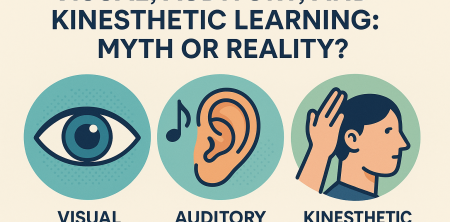
The three primary learning styles—visual, auditory, and kinesthetic—break down as follows:
- Visual Learners: These individuals learn best through visual aids, such as charts, graphs, and videos. They often prefer to see information presented in a clear format and may struggle with purely auditory instructions.
- Auditory Learners: Auditory learners thrive on sound. They prefer listening to lectures, participating in discussions, and using oral instructions, finding it easier to remember information presented verbally.
- Kinesthetic Learners: Kinesthetic learners engage with material through hands-on experiences. They often learn best when they can physically interact with objects, conduct experiments, or use role-play as a learning tool.
While it’s easy to categorize learning preferences, this oversimplification doesn’t capture the complexity of how people learn. Many individuals might exhibit characteristics of more than one style, leading to the question of whether these categories are useful or misleading.
Research on Learning Styles: The Evidence
In recent years, a growing body of research has begun to scrutinize the validity of learning styles. A pivotal report published in 2009 by the Learning Styles, Learning and Teaching committee at the University of Dundee revealed that the overwhelming consensus among researchers is that there is little empirical evidence to support the effectiveness of tailoring instruction to a student’s purported learning style. This review echoed findings from a 2013 study published in the journal Psychological Science in the Public Interest, which concluded that there was no substantial evidence to endorse the idea that instruction tailored to students' learning styles led to better educational outcomes.
For instance, a study conducted in 2014 by the University of Nevada found that when students were taught according to their self-reported learning style preferences, there was no significant difference in their learning outcomes compared to traditional teaching methods. This raises the question: if students do not learn more effectively through their preferred styles, what does that mean for educators?
The Role of Neuroplasticity in Learning
To further complicate the learning styles narrative, neuroplasticity—the brain's ability to reorganize itself by forming new neural connections—plays a crucial role in how we learn. Research indicates that the brain can adapt to different types of learning stimuli, meaning that even if a student has a preference for visual or auditory learning, they can still benefit from various methods.
This plasticity suggests that relying on one style could be limiting. For instance, a kinesthetic learner may benefit greatly from visual aids when studying complex concepts, while an auditory learner might find that taking notes enhances their retention of information. By engaging multiple senses and modalities, students can develop a more rounded understanding of the material.
Practical Insights: Teaching with Flexibility
Given the research, how should educators approach the concept of learning styles in the classroom? Instead of strictly adhering to one style, a more flexible framework may serve students better. Here are some actionable strategies:
- Diverse Instructional Methods: Incorporate a variety of teaching techniques, such as lectures, group discussions, hands-on activities, and multimedia presentations. This variety can cater to multiple preferences and encourage all students to engage with the material.
- Encourage Self-Reflection: Allow students to assess their learning preferences and adapt their study habits accordingly. This can help them develop a more personalized approach, utilizing their preferences without being confined to them.
- Integrate Technology: Use apps and online platforms that allow for interactive learning experiences. Technology can facilitate multiple modes of engagement, making it easier for students to absorb material in diverse ways.
By shifting the focus from rigid learning styles to a more adaptive and inclusive approach, educators can foster a richer and more effective learning environment. (See: Learning styles - Wikipedia.)
The Importance of Context
Another critical factor often overlooked in discussions of learning styles is context. The setting in which learning takes place can significantly influence how effectively students absorb information. For instance, a student may thrive in a hands-on workshop setting but struggle in a traditional lecture hall. Understanding the context and the specific challenges or advantages it presents can reshape how educators think about student learning.
Additionally, cultural factors can also play a role. Different cultures emphasize various modes of learning—some may prioritize collaborative learning, while others may value individual achievement. Recognizing these differences can help teachers be more responsive and adaptive in their teaching methods.
Contemporary Perspectives on Learning Styles
As the educational landscape continues to evolve, so too do perspectives on learning styles. Many educators today advocate for a blended approach that allows for personalization without being tied down by strict categories. This is where the concept of Universal Design for Learning (UDL) comes into play.
UDL promotes flexible learning environments that accommodate individual learning differences. By focusing on offering multiple means of engagement, representation, and action, educators can create a more inclusive education system. This approach aligns well with the understanding that while students may have preferences, they also need to be equipped with a diverse toolkit of skills to navigate different learning scenarios.
Learning Styles and Special Education
The conversation around learning styles becomes even more complex when considering special education. For students with learning disabilities, tailored strategies can be vital. While the general idea of learning styles may not be universally applicable, understanding a student's unique needs and preferences can lead to more effective teaching strategies.
For instance, a student with dyslexia may benefit from auditory learning methods, such as audiobooks or oral instructions. By observing how a particular student responds to different approaches, educators can adjust their methods to support that individual better. It becomes less about fitting students into predetermined boxes and more about understanding the myriad ways students can learn.
Future Directions: A Balanced Approach
As we look ahead, the challenge remains to balance the understanding of learning preferences with the realities of how people learn. It's essential to recognize that while the idea of learning styles may offer a helpful framework for understanding differences, it should not dictate educational practice. Instead, educators should strive for an evidence-based, flexible approach that honors different modalities without becoming overly prescriptive.
Ongoing research in neuroscience and education is likely to continue challenging traditional notions of learning. As we uncover more about how the brain processes information, educational systems must adapt. This adaptability will not only serve individual learners better but also enhance the collective learning experience in classrooms worldwide.
Conclusion: Embracing Diversity in Learning
The discourse around learning styles has sparked vital conversations about how we understand and approach education. While the categories of visual, auditory, and kinesthetic learning have their place in educational theory, they shouldn't dominate our understanding of how learning happens. Instead, a more dynamic view that embraces flexibility, context, and individual differences may yield better outcomes for all students.
As educators and learners, the goal should be to cultivate an environment where diverse methods and approaches can coexist, fostering a richer, more inclusive educational experience. This conversation is not just about individual preferences; it's about recognizing the complexity of learning itself and ensuring that every student has the opportunity to thrive.
Expanding the Understanding of Learning Styles
While the aforementioned learning styles present a foundational understanding, it's crucial to explore further dimensions of learning preferences. Some researchers advocate for additional styles like social, solitary, verbal, logical, and musical learning. Each of these styles contributes to a richer understanding of how different individuals approach learning.
For example, social learners, who thrive in collaborative environments, often benefit from peer discussions and group projects. On the other hand, solitary learners may find that they absorb information best when studying alone in a quiet environment. Recognizing these additional learning styles can help educators create more well-rounded and effective teaching strategies that cater to a broader range of students. (See: Learning styles in education - ScienceDirect.)
Statistics on Learning Styles
Understanding the impact of learning styles can be further emphasized through statistics. A survey conducted by the Institute for Learning Styles Research found that 65% of teachers believe that adapting instruction to accommodate learning styles improves student engagement. However, only 10% of these teachers reported receiving training on how to implement learning style strategies effectively.
Another study highlighted that approximately 80% of students expressed a preference for specific learning modalities, but only 20% felt their courses adequately addressed those preferences. These statistics indicate a gap between students' needs and the educational methods employed, emphasizing the importance of developing a more flexible teaching approach.
Expert Perspectives on Learning Styles
Educators and psychologists have diverse opinions on the applicability of learning styles in education. Some, like Dr. Barbara Oakley, an educator and author, argue that while the notion of learning styles can be helpful for personalization, it should not be overstated. Oakley suggests that the brain's ability to learn in various ways is more important than trying to fit learning into distinct categories.
On the other hand, proponents of learning styles, such as Dr. Rita Dunn, emphasize the importance of understanding individual differences in learning to enhance educational practices. They believe that acknowledging diverse learning preferences helps to create more effective and engaging learning environments.
Learning Styles in the Digital Age
As education continues to shift towards online platforms and digital tools, the conversation around learning styles gains new relevance. Digital tools can offer personalized learning experiences, allowing for varied instructional methods. For instance, video-based learning, interactive simulations, and social learning platforms can all cater to different learning styles.
In an online setting, visual learners might excel with infographic presentations, while auditory learners can benefit from podcasts and recorded lectures. Kinesthetic learners often thrive with interactive simulations and gamified experiences. Understanding these dynamics helps educators create balanced online courses that engage students with different preferences.
Frequently Asked Questions (FAQ) About Learning Styles
What are learning styles?
Learning styles refer to the preferred ways in which individuals absorb, process, and retain information. The most commonly referenced styles include visual, auditory, and kinesthetic learning.
Are learning styles scientifically proven?
The scientific community has largely criticized the idea of rigid learning styles due to a lack of empirical evidence supporting their effectiveness. Many studies suggest that while students have preferences, diverse approaches to teaching benefit all learners.
How can educators apply the concept of learning styles in the classroom?
Educators can use the concept of learning styles as a guideline rather than a strict rule. Incorporating a variety of teaching techniques and allowing students to engage with material in different ways can create a more inclusive learning environment.
Can learning styles change over time?
Yes, individuals may find that their learning preferences evolve. Factors such as maturity, experience, and exposure to new learning environments can influence how a person prefers to learn.
What is Universal Design for Learning (UDL)?
UDL is a framework that promotes flexible learning environments to accommodate individual learning differences. It focuses on providing multiple means of engagement, representation, and action, allowing all students to succeed regardless of their preferred learning style.
How can students identify their learning styles?
Students can reflect on their past learning experiences, noting what methods helped them understand content best. They can also take assessments or quizzes designed to identify learning preferences. However, it’s important to remember that these styles can be fluid and may change over time.
Should I focus solely on my learning style?
While it’s beneficial to be aware of your learning preferences, it’s equally important to engage with various learning methods. Being adaptable can enhance your learning experience and equip you with skills to tackle different challenges.
Learning Preferences and the Impact of Environment
Another vital aspect of learning styles is understanding the impact of the learning environment. Research shows that factors such as lighting, seating arrangements, and even noise levels can affect how well students learn. For example, a bright, well-lit classroom can enhance the experiences of visual learners, while too much noise may hinder auditory learners' ability to focus. Educators can play a significant role in creating conducive learning environments that cater to a variety of learners.
The Future of Learning Styles: Integrating New Research
As educators continue to explore the implications of learning styles, new research in psychology and neuroscience will likely shape future educational practices. For example, the emergence of the concept of growth mindset—the belief that abilities can be developed through hard work and dedication—suggests that students can improve their learning methods over time. This aligns with the notion that while learning preferences exist, they should not limit one's educational growth and adaptability.
Furthermore, incorporating findings from cognitive science about how memory and attention work can enrich the discussion around learning styles. Understanding how the brain processes information, retains concepts, and how emotions influence learning can lead to more effective teaching practices that transcend traditional learning style categories.
Final Thoughts on Learning Styles
The journey to understanding learning styles is ongoing, filled with complexities and nuances. In an increasingly diverse and digital world, embracing a variety of learning methods is essential. Rather than limiting students to one preferred way of learning, educators and learners alike can benefit from a more inclusive approach that recognizes the value of flexibility, adaptability, and personal growth.
As the educational landscape continues to change, it's vital for both students and educators to remain open to new ideas and methods, ensuring that every learner has the resources and support needed to thrive. So whether you identify as a visual, auditory, kinesthetic, or even a social learner, the key is to embrace the richness of diverse learning experiences.
```
Trending Now
Frequently Asked Questions
What are the three types of learning styles?
The three primary learning styles are visual, auditory, and kinesthetic. Visual learners prefer information presented through visual aids, auditory learners thrive on listening and discussing, while kinesthetic learners learn best through hands-on experiences and physical activities.
Is the concept of learning styles scientifically valid?
While the idea of learning styles is popular, empirical evidence supporting their effectiveness in improving educational outcomes is limited. Research suggests that adapting teaching methods to individual preferences may not significantly enhance learning as previously believed.
How did the concept of learning styles originate?
The concept of learning styles gained popularity in the 1970s, largely due to Howard Gardner's theory of multiple intelligences. This framework proposed that individuals have various types of intelligence, leading to the categorization of learning preferences into visual, auditory, and kinesthetic styles.
Can knowing your learning style improve your education?
While understanding your learning style may help you tailor your study methods, research indicates that focusing on the content and employing a mix of learning strategies is often more effective than strictly adhering to one preferred style.
What are the characteristics of visual learners?
Visual learners benefit from visual aids like charts, graphs, and videos. They tend to prefer organized information presented clearly and may find it challenging to follow verbal instructions without visual support.
What did we miss? Let us know in the comments and join the conversation.

