```html
Louis Vuitton's Paris Fashion Week this season was anything but ordinary. As temperatures soared to record heights, the luxury brand staged a dramatic show featuring an artificial waterfall, igniting discussions around sustainability, luxury excess, and public space utilization. The juxtaposition of lavish displays against the backdrop of climate crisis and public discomfort raised eyebrows and prompted passionate debates. For more on this, see alarming climate trends.
The Scene: A Fashion Show Like No Other
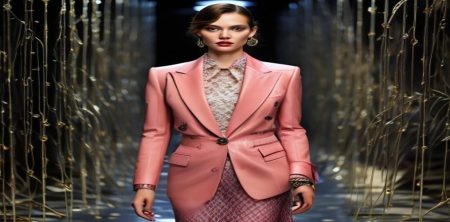
On a sweltering day in Paris, the iconic Louis Vuitton fashion show unfurled its extravagant setting at the Jardin des Tuileries. The centerpiece of this show was an elaborate, shimmering waterfall that cascaded down a meticulously constructed structure, creating a stunning visual spectacle. It was a dramatic statement piece designed to showcase the new collection, but it also came with a hefty dose of controversy.
While the imagery of flowing water might evoke thoughts of beauty and serenity, the reality of the situation was starkly different. Paris was in the grips of a severe heatwave, with temperatures reaching record levels. The decision to create such an extravagance during a time of environmental distress felt discordant to many observers, sparking conversations about the ethics of luxury fashion in the context of climate change.
Water Conservation Claims
In response to the backlash, Louis Vuitton officials were quick to assure the public that no water was wasted during the show. They stated that the waterfall was part of a closed-loop system, designed to recycle water, thereby minimizing environmental impact. However, critics questioned whether such claims were enough to justify the display of opulence amid a climate crisis.
The fashion industry has long been under scrutiny for its environmental footprint, and Louis Vuitton's choice to go ahead with the waterfall spectacle could be seen as a glaring oversight of the current global climate challenges. The juxtaposition of a luxurious, water-intensive spectacle against the reality of heat-induced struggles faced by many in the city raised significant ethical questions.
Public Perception: The Contrast with Local Conditions
Just a stone's throw from the lavish Louis Vuitton show, students at the nearby Cité Universitaire were feeling the brunt of the extreme heat without the luxury of air conditioning or refreshing cascades of water. Reports from the university indicated that students were struggling to cope with oppressive conditions, which only deepened the divide felt by onlookers between the elite extravagance of the fashion show and the everyday realities faced by the average Parisian.
This stark contrast contributed to the rapid spread of criticism surrounding the fashion show. Social media erupted with heated discussions, with many users pointing out the irony of a luxury brand showcasing an artificial waterfall while nearby individuals grappled with the consequences of climate change. The images shared online painted a jarring picture that resonated with many, sparking both outrage and sympathy.
Luxury Fashion Under Fire
The Louis Vuitton fashion show wasn't just a mere display of clothing; it became a microcosm of the broader issues facing the luxury fashion industry. Critics have long argued that luxury brands often prioritize visual spectacle over sustainability and social responsibility. Louis Vuitton's choice to incorporate a waterfall during a heatwave became a symbol of this ongoing debate.
In recent years, there has been a growing awareness of the environmental impact of fashion, leading to increased scrutiny of brands that continue to indulge in extravagance without consideration for their carbon footprint. Observers have pointed out that the fashion industry is one of the largest polluters in the world, and events like the Louis Vuitton fashion show only amplify the perception of wastefulness.
Social Media Amplification
In an age where social media serves as a platform for immediate reactions, the controversy surrounding the Louis Vuitton fashion show spread like wildfire. Images and videos of the waterfall display were shared widely, juxtaposed against tweets and posts highlighting the discomfort of students at Cité Universitaire. This social media amplification played a crucial role in shaping public perception of the event. (See: Climate change and health.)
Many influencers and fashion critics took to their platforms to voice disapproval, citing the disconnect between luxury fashion and the pressing realities of climate change. Hashtags related to the event trended, signaling a broader conversation about sustainability in fashion and the responsibility of brands to consider their impact on the environment.
The Future of Fashion Shows
The Louis Vuitton fashion show illustrates a pivotal moment for the fashion industry. As consumers increasingly demand transparency and sustainability from the brands they support, luxury fashion houses face mounting pressure to adapt. There is a growing expectation for brands to not only produce beautiful clothing but also to operate ethically and sustainably.
Looking ahead, brands may need to rethink their approach to fashion shows. The extravagant displays of the past may no longer align with societal values, especially as climate concerns take precedence. Designers and brands that prioritize environmental responsibility may find themselves better positioned to resonate with modern consumers.
Expert Opinions: Voices of the Industry
Industry experts weigh in on the implications of the Louis Vuitton fashion show. Some argue that the event highlights a crucial crossroads for luxury brands; they must balance creativity and spectacle with the realities of our changing world. Fashion historian Dr. Elizabeth Hinton emphasized the need for brands to engage in meaningful conversations about sustainability and social responsibility.
"The fashion industry has the potential to be a leader in sustainability," she stated. "However, events like the Louis Vuitton show can undermine those efforts if they appear tone-deaf to the issues at hand. Brands need to be cognizant of their surroundings and the messages they send through their productions."
Consumer Responsibility and Changing Trends
As consumers, you play a significant role in shaping the future of fashion. The Louis Vuitton fashion show serves as a reminder that your choices matter. Supporting brands that prioritize sustainability, ethical practices, and social responsibility can send a powerful message about what you value as a consumer.
In recent years, a trend towards second-hand shopping, vintage clothing, and sustainable brands has gained momentum. Consumers are increasingly opting for options that align with their values, pushing the fashion industry to adapt. The Louis Vuitton fashion show may have drawn criticism, but it also highlights the need for brands to listen and respond to the changing desires of their audience.
The Broader Implications of the Louis Vuitton Show
The fallout from the Louis Vuitton fashion show extends beyond the immediate criticisms. It forces us to confront uncomfortable truths about the fashion industry and our consumption habits. As climate change continues to escalate, the luxury sector must grapple with its role and responsibility in contributing to the problem.
Ultimately, the Louis Vuitton fashion show serves as a case study in the intricate relationship between fashion, sustainability, and public perception. It illustrates the need for a shift in mindset within the industry and raises questions about how future fashion shows will be approached. As the conversation surrounding fashion and climate continues to evolve, brands that refuse to adapt risk becoming relics of the past.
Conclusion: A Call for Change
The Louis Vuitton fashion show, with its striking waterfall and backdrop of extreme heat, has ignited crucial discussions about luxury, sustainability, and social responsibility. As you reflect on this event, consider how you can contribute to positive change within the fashion industry. The future of fashion depends on a collective effort to embrace sustainability and prioritize the well-being of our planet.
FAQ: Understanding the Louis Vuitton Fashion Show
What was the main theme of the Louis Vuitton fashion show this season?
This season's Louis Vuitton fashion show focused on the juxtaposition of luxury and sustainability, stirring debates about the ethics of extravagance in the face of climate change. The elaborate waterfall served both as a visual spectacle and a point of contention regarding environmental responsibility.
Was the waterfall used at the Louis Vuitton show environmentally friendly?
Louis Vuitton claimed that the waterfall was part of a closed-loop system, meaning it recycled the water used during the show. However, many critics argued that this did not completely negate the extravagant display's perceived environmental impact, especially given the context of a severe heatwave in Paris. (See: Louis Vuitton fashion show controversy.)
How did the public react to the show?
The public's reaction was largely critical, with many taking to social media to voice their concerns about the stark contrast between the luxury event and the everyday struggles faced by the local population during a heatwave. This led to a heated debate about the luxury industry’s role in sustainability.
What are the broader implications of this event for the fashion industry?
The Louis Vuitton fashion show serves as a critical reminder for the fashion industry about the need to prioritize sustainability and ethical practices. The backlash highlights the demand for greater accountability from luxury brands, pushing them to rethink their approaches to fashion shows and public representation.
How does this event reflect changing consumer attitudes towards fashion?
Consumers are increasingly aware of the impact of their purchasing choices and are favoring brands that demonstrate a commitment to sustainability and ethical practices. Events like the Louis Vuitton fashion show underscore the urgency for luxury brands to align with these evolving consumer values.
What can luxury brands do to address concerns about sustainability?
Luxury brands can take several steps to address sustainability concerns, including implementing transparent supply chains, reducing waste, adopting sustainable materials, and engaging in meaningful conversations with their consumers about environmental impacts. By aligning their practices with consumer values, they can rebuild trust and relevance.
Are there any positive outcomes from the criticism of the Louis Vuitton show?
Yes, the criticism surrounding the show has sparked important dialogues about sustainability in fashion. It has encouraged consumers, designers, and brands to rethink their values and practices, potentially leading to more sustainable approaches in the industry as a whole.
Looking Ahead: The Evolution of Fashion Shows
As the fashion industry moves forward, it's crucial to consider how fashion shows will evolve. The traditional format of showcasing collections through extravagant displays may need to shift towards more sustainable practices. This could mean smaller, more intimate presentations or digital showcases that minimize environmental impact.
Some brands are already experimenting with virtual fashion shows, which not only reduce the carbon footprint associated with travel and physical events but also open up accessibility to a broader audience worldwide. By utilizing technology, brands can engage consumers in innovative ways while demonstrating a commitment to sustainability.
In addition, collaborations between luxury brands and sustainable designers may become more common, allowing for creativity to flourish while prioritizing environmental responsibility. Such partnerships could lead to the creation of hybrid collections that balance luxury with ethical practices, appealing to a consumer base that increasingly values transparency.
Final Thoughts: The Role of Innovation
The Louis Vuitton fashion show has underscored the need for innovation within the luxury fashion sector. As consumer expectations continue to evolve, brands that prioritize innovative approaches to sustainability will likely lead the charge in shaping the future of fashion. By embracing change and adapting to societal values, luxury brands have the opportunity to redefine their legacies while contributing positively to the planet.
The Impact of Collaboration
Collaboration within the fashion industry is becoming more vital than ever in the context of sustainability. Brands that engage in partnerships with environmental organizations, activists, and even artists can create a powerful narrative around their collections. For instance, Louis Vuitton could collaborate with environmental NGOs to promote initiatives that combat climate change, benefitting from shared resources and visibility. (See: Climate and health resources.)
Such collaborations not only enhance brand reputation but also educate consumers on the importance of sustainability. Consumers are more likely to support brands that take concrete actions towards environmental stewardship. By involving diverse stakeholders, brands can ensure their messages resonate deeply and authentically.
Statistics on Fashion and Sustainability
The fashion industry is a significant contributor to global carbon emissions, accounting for about 10% of total emissions. A study by the UN Environment Programme revealed that fashion production has increased by 92 million tons since 2000. This data highlights the urgent need for change in industry practices. Related reading: AI climate predictions.
Additionally, a survey conducted by McKinsey & Company found that 67% of consumers consider sustainability when making purchasing decisions. This statistic underscores the shifting priorities of consumers and the necessity for brands to adapt accordingly. Brands that fail to recognize this trend may find themselves losing relevance in a rapidly evolving market.
Case Studies: Brands Leading the Way
Several fashion brands are setting examples of how to incorporate sustainability into their business models. For instance, Stella McCartney has long been a pioneer in sustainable fashion, using innovative materials like recycled polyester and advocating for animal welfare. Her brand showcases that sustainability can be both stylish and ethical.
Another example is Patagonia, which has built its brand identity around environmental activism. They encourage customers to repair and recycle their gear, significantly reducing waste and promoting a culture of sustainability. These brands demonstrate that a commitment to sustainability can not only drive sales but also build a loyal customer base that shares similar values.
Consumer Education and Awareness
As the demand for sustainable fashion grows, consumer education becomes critical. Brands should invest in initiatives that inform their customers about the environmental impacts of their purchases. This could include workshops, online content, and social media campaigns aimed at raising awareness about sustainability issues in fashion.
Educated consumers are often more engaged and willing to support brands that align with their values. By fostering a deeper understanding of sustainability, brands can encourage more responsible purchasing behaviors, ultimately contributing to a more sustainable fashion ecosystem.
```
Trending Now
Frequently Asked Questions
Why did Louis Vuitton's fashion show spark controversy?
Louis Vuitton's fashion show sparked controversy due to its extravagant display featuring an artificial waterfall during a severe heatwave in Paris. This juxtaposition raised questions about luxury excess and the ethics of such displays amid ongoing climate crises.
What was the centerpiece of Louis Vuitton's fashion show?
The centerpiece of Louis Vuitton's fashion show was an elaborate artificial waterfall, designed to create a stunning visual spectacle while showcasing the new collection. However, it also became a focal point for criticism regarding environmental concerns.
How did Louis Vuitton address concerns about water usage?
In response to backlash, Louis Vuitton officials stated that the waterfall was part of a closed-loop system that recycled water, minimizing environmental impact. Despite these claims, critics questioned the appropriateness of such extravagance during a climate crisis.
What are the criticisms of the fashion industry related to climate change?
The fashion industry faces criticism for its significant environmental footprint, including wastefulness and overconsumption. Louis Vuitton's waterfall display during a heatwave highlighted these issues, prompting debates on the industry's responsibility amidst climate challenges.
What was the public reaction to the Louis Vuitton waterfall show?
The public reaction to the Louis Vuitton waterfall show was mixed, with many expressing discomfort and concern over the display of luxury during a heatwave. The event sparked passionate debates about sustainability and the ethics of opulence in fashion.
Have you experienced this yourself? We'd love to hear your story in the comments.

