```html
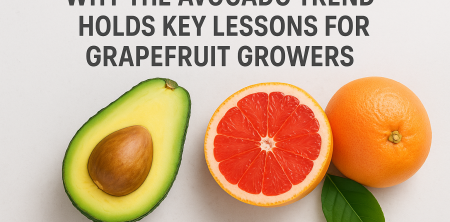
As the avocado trend surges across global markets, it’s not just consumers reaching for the green fruit that are affected; growers from various sectors are beginning to take notice, too. The avocado craze has led to a drastic spike in demand—approximately 40%—forcing a reevaluation of agricultural strategies and supply chains. Meanwhile, grapefruit growers face an alarming decline in production, down 25% due to climate volatility. This juxtaposition presents a striking case for why sustainability practices are no longer optional but essential for survival.
The Rise of Avocado: A Case Study
The avocado trend is not merely about a fruit that has captured the culinary world. It represents a shift in consumer behavior towards healthier eating habits, with avocados increasingly celebrated for their nutritional benefits—including healthy fats, vitamins, and fiber. Consumers are not just buying avocados; they’re embracing a lifestyle, one that speaks to the broader themes of wellness and sustainability.
In the last decade, the popularity of avocados has skyrocketed, bolstered by social media influences and a growing awareness of health and fitness. The global avocado market is projected to continue expanding, and with it, the demand for consistent, high-quality supply. However, this rush has exposed vulnerabilities in the supply chain. As demand surged, so did prices and farming pressure, leading to sustainability concerns that could ultimately affect long-term viability.
Grapefruit Growers Face a Different Reality
Unlike avocados, grapefruit growers are experiencing a different set of challenges. A 25% decline in grapefruit production is alarming and speaks to the larger issues within agricultural practices today. Grapefruits, once a staple of breakfast tables, have seen a significant drop in consumer interest, attributed to shifting tastes and the influx of other health foods—avocado being a prime example.
This decline is further compounded by climate volatility. Grapefruit trees, which thrive in certain climates, are increasingly susceptible to extreme weather patterns. From droughts to unseasonable frosts, these growers face a perfect storm of challenges. The contrast between the rising avocado trend and the struggles of grapefruit production serves as a critical lesson for growers in the industry: adaptability is key.
Learning from the Avocado Trend
The avocado trend demonstrates a clear relationship between consumer demand and farming practices. Grapefruit growers can glean several lessons from the rise of avocados:
- Embrace Sustainable Practices: The avocado crisis has taught us that sustainability is not just a trend; it’s a necessity. Grapefruit growers should consider organic farming, regenerative practices, and water conservation strategies to appeal to environmentally conscious consumers.
- Know Your Market: Understanding consumer preferences can guide production. Grapefruit growers could explore new varieties that appeal to taste and health trends.
- Leverage Technology: Implementing precision agriculture technologies can help growers monitor crop health, optimize yields, and reduce waste. The avocado industry is increasingly using drones and AI to assess crop conditions, which grapefruit growers could also adopt.
Connecting Sustainability and Economic Survival
The emotional charge around food security is palpable. As concerns about food availability grow, the connection between sustainability and economic survival must not be overlooked. Consumers are increasingly aware of where their food comes from, and this consciousness drives demand for sustainably sourced produce.
As grapefruits grapple with their declining popularity, there’s an opportunity for growers to reposition themselves as champions of sustainability. By adopting eco-friendly practices, they not only cater to a growing market but also contribute to the health of the planet. It’s a win-win situation that resonates with health-conscious consumers.
Reimagining the Grapefruit Market
Reimagining the grapefruit market requires innovative strategies. Grapefruit growers might consider diversifying their product offerings, such as introducing grapefruit-based products like juices, smoothies, or even grapefruit-infused snacks. This approach could reinvigorate interest in grapefruit and make it more appealing to a younger, health-focused demographic.
Marketing will play a crucial role in this reimagining. If avocados can become synonymous with a healthy lifestyle, why can’t grapefruits? Grapefruit growers could harness social media campaigns to promote the fruit’s health benefits, encouraging new generations to view it as a culinary staple.
The Importance of Community and Collaboration
Like the avocado growers who have formed cooperatives to support each other through ups and downs, grapefruit growers can benefit from collaboration. By pooling resources, they can invest in shared marketing strategies, sustainable practices, and even research and development to ensure their crops are resilient against climate change. (See: health benefits of avocados.)
For instance, partnering with agricultural universities or research groups could lead to innovative solutions that address the unique challenges facing grapefruit production. Collaborations can also extend to chefs and influencers who can help promote grapefruit in contemporary recipes, revitalizing interest.
Consumer Awareness and Education
As the avocado trend flourishes, educating consumers about the benefits of grapefruit can play a pivotal role in its revival. Many consumers are unaware of the myriad health benefits that grapefruits offer, including their high vitamin C content and potential weight management properties. Simple, engaging educational campaigns can help bridge this gap.
Moreover, the push for transparency in food sourcing has led consumers to increasingly seek out information regarding the environmental impacts of their food choices. Grapefruit growers must communicate their commitment to sustainable practices and the positive effects these have on both the environment and public health.
Emotional Marketing: A Strategy for Success
The emotional aspect of food consumption is powerful. Grapefruit growers need to tap into this facet of consumer psychology. Much like the avocado advocates who emphasize its status as a superfood rich in nutrients, grapefruit can be marketed not just as a fruit, but as a lifestyle—a refreshing and healthy choice that contributes to overall well-being.
Storytelling can play a crucial role here. Highlighting the journey from farm to table, and emphasizing the sustainable practices involved in grapefruit production, can resonate strongly with consumers and create a deeper emotional connection. We covered sustainable practices in education in more detail.
The Future of Grapefruit in the Age of Avocado
The future of grapefruit may be uncertain, but the lessons learned from the avocado trend provide a roadmap for success. By adopting sustainable practices, understanding market trends, and effectively communicating with consumers, grapefruit growers can carve out a niche in a competitive landscape.
It's essential for grapefruits to regain their footing in the health food market as consumers continue to seek nutritious and sustainable options. Grapefruit producers must be proactive in addressing challenges and dedicated to embracing innovative solutions that can lead to a brighter future.
Exploring the Economic Impact of the Avocado Trend
The avocado trend has not only changed consumer preferences but has also had significant economic implications across various sectors. For instance, the growth of the avocado market has led to job creation in farming, processing, and distribution industries. In Mexico, the world’s largest avocado producer, the surge in avocado exports has resulted in increased employment opportunities, boosting local economies.
According to recent statistics, the global avocado market was valued at approximately $13.4 billion in 2020 and is expected to reach $21.5 billion by 2027, growing at a CAGR of 7.1%. This growth is attributed to rising health consciousness and the fruit's versatility in culinary applications, including salads, smoothies, and toasts.
In contrast, grapefruit producers, facing declining interest, may need to reassess their market positioning and explore niche markets. For example, targeting the health-conscious segment interested in low-calorie diets could help. Grapefruit is often touted for its weight loss benefits, making it appealing to consumers looking for healthy options.
Innovative Marketing Strategies in the Avocado Trend
The avocado trend has seen innovative marketing strategies that have contributed to its popularity. Influencers on social media platforms like Instagram and TikTok showcase creative avocado recipes, generating buzz and sparking interest. Brands have capitalized on the aesthetic appeal of avocados, creating visually appealing content that resonates with younger audiences.
Grapefruit growers can learn from these marketing strategies. By collaborating with chefs, nutritionists, and influencers, they can create engaging content that highlights the unique flavors and health benefits of grapefruit. Additionally, utilizing user-generated content to showcase how consumers incorporate grapefruit into their diets can enhance visibility and relatability. (See: importance of healthy eating.)
Consumer Trends and Future Predictions
As we look to the future, consumer trends indicate a strong preference for plant-based diets and sustainably sourced products. The rise of veganism and vegetarianism has played a significant role in driving the demand for fruits and vegetables, including avocados. Interestingly, the health benefits attributed to avocados are likely to spill over into other fruits like grapefruits if marketed effectively.
Experts predict that the avocado trend will continue to influence the market, but there is potential for other fruits to gain traction as well. For grapefruit to thrive, growers must align their marketing efforts with evolving consumer preferences that prioritize health, sustainability, and transparency.
Addressing Common Misconceptions about Grapefruit
Despite its numerous health benefits, grapefruit often faces misconceptions that can deter consumers. One common myth is that grapefruit is too bitter or acidic for general consumption. However, various varieties exist, including sweeter options like Pink and Ruby Red grapefruits, which can appeal to a broader audience.
Another misconception revolves around grapefruit’s interaction with certain medications. While it is true that grapefruit can interact with various drugs, not all grapefruits have the same effect. It's essential for consumers to consult with healthcare providers before making dietary changes, but this shouldn’t overshadow the fruit’s positive attributes.
FAQ about the Avocado Trend and Grapefruit
What drives the avocado trend?
The avocado trend is primarily driven by growing health awareness among consumers, increased interest in plant-based diets, and the fruit's versatility in various culinary applications.
How can grapefruit growers compete with avocados?
Grapefruit growers can compete by focusing on sustainable practices, diversifying their product offerings, leveraging technology, and effectively marketing the health benefits of grapefruit.
Why are consumers attracted to avocados?
Consumers are attracted to avocados due to their rich nutrient profile, including healthy fats, fiber, and vitamins. They are often marketed as a superfood that supports heart health and aids in weight management.
What are some innovative ways to market grapefruit?
Innovative marketing strategies for grapefruit include social media campaigns featuring creative recipes, partnerships with influencers, and emphasizing the fruit's health benefits through educational content.
Will the avocado trend continue to grow?
Industry experts predict that the avocado trend will continue to grow, but it is essential for growers of other fruits, like grapefruit, to adapt their strategies to capitalize on shifting consumer trends.
The Role of Avocado in Global Cuisine
Avocados have become more than just a trendy fruit; they are now a staple ingredient in various cuisines around the world. From classic guacamole to avocado toast, this fruit's versatility allows it to be used in savory, sweet, and even beverages. The rise of food blogs and cooking shows has also contributed to avocado's popularity, with chefs continually finding innovative ways to incorporate it into their dishes. This global embrace of avocado not only fuels the demand but also cements its status as a culinary icon. (See: sustainability in agriculture.)
Market Comparisons: Avocado vs. Other Fruits
When we look at the market trajectory of avocados, it’s essential to compare them to other fruits that have seen similar popularity spikes, such as blueberries and acai berries. In recent years, blueberries have been marketed heavily as superfoods due to their antioxidant properties, much like avocados. However, avocados have distinct advantages due to their unique fat content and culinary uses. This comparison highlights the importance of not just the health benefits, but also how versatile a fruit can be in various dietary practices.
Consumer Behavior: The Psychology Behind the Avocado Trend
The avocado trend also taps into deeper psychological factors influencing consumer behavior. The desire for health and well-being, coupled with social media's impact on food choices, has transformed avocados into a symbol of a healthy lifestyle. The visually appealing nature of avocados makes them highly shareable on platforms like Instagram, where aesthetics play a significant role in food selection. Understanding these psychological triggers can help other fruit growers, like grapefruit producers, craft their marketing strategies to tap into similar consumer desires.
Health Benefits of Grapefruit: An In-Depth Look
While grapefruits might not enjoy the same trend status as avocados, they pack a powerful punch when it comes to health benefits. Rich in vitamins A and C, grapefruits support the immune system and promote skin health. They are also high in fiber, which aids digestion and can help in weight management. Studies have shown that certain compounds in grapefruit can assist in lowering cholesterol levels and improving heart health. By emphasizing these benefits, grapefruit growers can appeal to health-conscious consumers and educate them on the fruit's nutritional value.
Future Opportunities for Grapefruit in a Health-Conscious Market
The future is not bleak for grapefruit growers. The rising interest in health and wellness opens up numerous opportunities for grapefruit to reclaim its space in the market. With trends leaning toward natural and organic products, growers can focus on organic grapefruit production, appealing to a demographic seeking purity in their food sources. Additionally, integrating grapefruit into wellness products, such as health drinks or supplements, could provide an innovative avenue for growth.
FAQs on Grapefruit Health Benefits
Is grapefruit beneficial for weight loss?
Yes, grapefruit can be beneficial for weight loss due to its low calorie content and high fiber, which can help you feel full longer.
Can grapefruit improve skin health?
Yes, the high vitamin C content in grapefruit can promote collagen production, which is important for skin health. Additionally, its antioxidant properties may help protect the skin from damage. For more on this, see issues in food supply chains.
Are there any side effects of consuming grapefruit?
While grapefruit is generally safe for most people, it can interact with certain medications. Always consult a healthcare provider if you are on medication and considering adding grapefruit to your diet.
Conclusion: A Call to Action for Grapefruit Growers
As we witness the explosive growth of the avocado trend, it’s clear that adaptation is key to survival in the agricultural sector. Grapefruit growers have the opportunity to learn from this narrative, leveraging the lessons of sustainability, market understanding, collaboration, and emotional marketing. The time is now for grapefruit producers to revitalize their approach and reclaim their place in the hearts of health-conscious consumers. The avocado may be trending, but grapefruits still hold their value in the conversation of nutrition and sustainable agriculture.
```
Trending Now
- this guide on unlock your future: exciting frontend developer opportunity with quinncia inc. and free frontend developer course
- our breakdown of irreversibility in preschool: why young children struggle with reversing actions
- this guide on conservation and logical thinking in middle school students
- Zone of Proximal Development in Reading Instruction
- Why Object Permanence Matters for Preschool…
Frequently Asked Questions
Why are avocados so popular right now?
Avocados have surged in popularity due to their nutritional benefits, including healthy fats, vitamins, and fiber. This trend reflects a broader shift towards healthier eating habits and lifestyle choices, amplified by social media influences and a growing awareness of health and fitness.
What challenges are grapefruit growers facing?
Grapefruit growers are currently facing a significant 25% decline in production, largely due to climate volatility and shifting consumer preferences towards other health foods, such as avocados. This decline highlights the urgent need for sustainable agricultural practices.
How has the avocado trend affected agriculture?
The avocado trend has led to a dramatic 40% increase in demand, prompting a reevaluation of agricultural strategies and supply chains. This surge in popularity has exposed vulnerabilities in the supply chain, raising concerns about sustainability and long-term viability.
What lessons can grapefruit growers learn from avocados?
Grapefruit growers can learn the importance of adapting to changing consumer preferences and investing in sustainable practices. The avocado trend emphasizes the necessity of reevaluating agricultural strategies to remain competitive in a market increasingly driven by health-conscious consumers.
What are the environmental concerns related to avocado farming?
The rapid increase in avocado demand has raised sustainability concerns, particularly regarding water usage and farming practices. As prices and farming pressures rise, there are growing worries about the long-term environmental impact of avocado cultivation, which could affect its viability as a crop.
Agree or disagree? Drop a comment and tell us what you think.

