```html
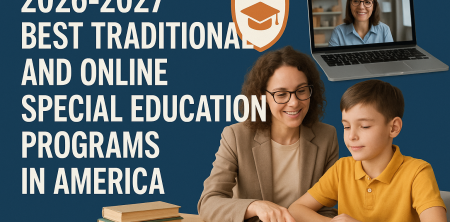
As we approach the 2026-2027 academic year, the landscape of special education is evolving, offering numerous options for students with diverse needs. Choosing the right program can be a daunting task for parents and educators alike, especially with so many options available. This guide delves into the best special education programs available, both traditional and online, providing insights into what makes these programs stand out.
1. Understanding Special Education Programs
Special education programs are designed to cater to students with disabilities, providing tailored educational experiences that meet their specific needs. These programs encompass a wide array of services, including individualized instruction, speech therapy, occupational therapy, and behavioral interventions. In the United States, special education is mandated by the Individuals with Disabilities Education Act (IDEA), ensuring that students with disabilities receive a free appropriate public education (FAPE).
Not only do these programs aim to support academic achievement, but they also focus on social and emotional development. Schools and educational institutions strive to create inclusive environments where students can thrive academically and socially. This holistic approach is essential for fostering independence and self-esteem in students with disabilities.
2. Top Traditional Special Education Programs
Traditional special education programs are often found in public and private schools, where specialized teachers work directly with students in a classroom setting. Here are some of the leading programs recognized for their excellence:
- University of North Carolina at Chapel Hill: Known for its innovative approaches and focus on research-based practices, this program emphasizes collaboration between educators, families, and community resources.
- Vanderbilt University: Vanderbilt’s Peabody College offers a comprehensive curriculum that prepares educators to engage with diverse learners, particularly those with special needs.
- University of California, Los Angeles (UCLA): This program combines rigorous academic coursework with practical classroom experience, ensuring that graduates are well-equipped to handle the complexities of special education.
These institutions not only provide quality training but also foster a community of support among educators, families, and students. Understanding IDEA offers useful background here.
3. Leading Online Special Education Programs
Online special education programs are becoming increasingly popular, offering flexibility for students who may not thrive in traditional settings. Here are some of the best options for online special education:
- Ball State University: Offering an online master’s degree in special education, Ball State emphasizes practical experience and research-based strategies.
- Florida State University: Their online program is designed for working professionals, providing a comprehensive education with a strong focus on intervention strategies.
- University of Massachusetts Amherst: UMass offers an online certificate program that allows educators to specialize in areas such as autism spectrum disorders and emotional or behavioral disorders.
These programs allow educators to gain specialized knowledge while balancing work, making them ideal for busy professionals seeking to enhance their skills.
4. Criteria for Evaluating Special Education Programs
When searching for the best special education programs, it’s essential to consider specific criteria that can determine the quality of education provided. Here are some key factors to evaluate:
- Accreditation: Ensure the program is accredited by a recognized body, as this guarantees compliance with educational standards.
- Curriculum: A robust curriculum that includes hands-on training, current educational practices, and evidence-based interventions is crucial.
- Support Services: Look for programs that offer comprehensive support services, including counseling, tutoring, and family engagement resources.
- Faculty Expertise: Faculty who are experienced in the field of special education can provide invaluable insights and mentorship.
By considering these criteria, you can make a more informed decision about which program will best meet the needs of students with disabilities.
5. Innovative Approaches in Special Education
Many of the best special education programs have begun to implement innovative practices to enhance learning for students with diverse needs. Some of these approaches include:
- Universal Design for Learning (UDL): This framework encourages multiple means of engagement, representation, and action/expression, making learning more accessible for all students.
- Assistive Technology: Tools such as speech-to-text software, specialized communication devices, and adaptive learning platforms are increasingly integrated into special education settings.
- Social-Emotional Learning (SEL): Programs that emphasize SEL help students build essential life skills, such as empathy and self-regulation, that are crucial for success.
Adopting these innovative strategies not only improves educational outcomes but also contributes to the overall well-being of students with disabilities. (See: CDC on early childhood development.)
6. Success Stories from Top Programs
Success stories can illuminate the effectiveness of special education programs. One notable example is the Inclusive Schools Network, which has successfully implemented inclusive practices in various districts across the nation. Their approach has been recognized for significantly enhancing student engagement and academic performance among students with disabilities.
Additionally, programs like the Autism Spectrum Disorder Initiative at the University of Washington have transformed the lives of students and their families by providing tailored interventions and support systems that promote independence and social skills. The data from these initiatives showcase the profound impact that well-structured special education programs can have on students’ lives.
7. Financial Considerations and Resources
Investing in special education programs often comes with financial implications. Families should explore various funding options and resources available to support their child’s education, including:
- State and Federal Grants: Many states offer grants specifically for special education services. Always check local resources for potential funding opportunities.
- Scholarships: Several organizations provide scholarships for students pursuing careers in special education, helping alleviate the financial burden.
- Special Education Funding: Federal programs like the Individuals with Disabilities Education Act (IDEA) provide funding to schools to support special education services.
Understanding these financial avenues can ease the financial strain many families face while seeking the best special education programs for their children.
8. The Importance of Family Involvement
Family involvement is a critical component of successful special education programs. Engaging families in the educational process can lead to better outcomes for students. Families can contribute by:
- Participating in Individualized Education Plan (IEP) Meetings: Active participation ensures that the student's needs are accurately represented and addressed in their educational plan.
- Advocacy: Parents and caregivers can advocate for their child's needs within the school system, ensuring they receive the support necessary for success.
- Engaging with Educators: Open communication between families and educators fosters a collaborative environment conducive to learning.
When families are involved, students tend to feel more supported, which can lead to improved academic performance and social integration.
9. Looking Ahead: The Future of Special Education Programs
The future of special education programs is promising, with increasing recognition of the importance of inclusive education. As more educators embrace diverse teaching strategies and technology, the learning environment for students with disabilities will continue to evolve. Future trends to watch for include:
- Personalized Learning: More programs will focus on individualized learning plans that cater to each student’s unique needs and strengths.
- Integration of Technology: Advances in technology will increasingly play a role in delivering specialized education, making learning more engaging and effective.
- Community Partnerships: Schools will likely forge stronger partnerships with community organizations to provide comprehensive support systems for students and families.
As we look to the future, it’s clear that the best special education programs will continue to adapt, innovate, and strive to meet the needs of all learners.
10. Comparative Analysis of Special Education Programs
Understanding the differences between various special education programs can help parents and educators choose the right fit. Here's a comparative analysis of traditional and online programs:
Traditional Programs
Traditional programs often provide a structured environment with face-to-face interaction. These programs are usually more effective for students who benefit from in-person socialization and immediate support from teachers and peers. For example: There's a fuller look at History of inclusivity in schools.
- Classroom Dynamics: Traditional settings allow for more spontaneous interaction, which can be beneficial for developing social skills.
- Hands-On Learning: Many traditional programs offer hands-on learning opportunities that can be critical for students with disabilities.
- Immediate Feedback: Teachers can provide real-time feedback and support, which is invaluable for students who need more direct assistance.
Online Programs
Online programs, on the other hand, cater to students who may require a flexible schedule or who thrive in independent learning environments. Some of the advantages include: For more on this, see Increase in special education enrollment.
- Flexible Scheduling: Students can learn at their own pace, making it easier to accommodate their personal needs and situations.
- Resource Accessibility: Online programs often provide a plethora of resources that can be accessed at any time, which is beneficial for students who need to review materials frequently.
- Broader Reach: Online programs can connect students to educators and resources that may not be available locally, expanding their learning opportunities.
Ultimately, the choice between traditional and online programs will depend on the individual needs of the student, their learning style, and the level of support they require. (See: NIH on educational resources for learning disabilities.)
11. Statistics and Impact of Special Education Programs
Recent studies highlight the effectiveness of special education programs in improving academic outcomes. According to the National Center for Education Statistics (NCES), students with disabilities who receive special education services outperform their peers in general education settings in key areas like reading and math when appropriate supports are in place.
Furthermore, a report by the Institute of Education Sciences indicates that students with disabilities who are integrated into general education classrooms can achieve greater success, with about 60% showing improvements in their academic performance compared to those in self-contained classrooms.
These statistics underscore the importance of quality special education programs. They reveal that when students have access to well-designed educational frameworks, their potential can be maximized.
12. FAQs About Special Education Programs
If you’re considering the best special education programs for your child, you may have some questions. Here are some frequently asked questions:
What is the role of an Individualized Education Program (IEP)?
An IEP is a legal document that outlines a student's specific learning needs, the services the school will provide, and how progress will be measured. It ensures that students receive personalized support tailored to their unique challenges.
How can I find the best special education program for my child?
Start by identifying your child's specific needs and researching programs that emphasize those areas. Consider visiting schools, speaking with educators, and connecting with other parents for recommendations.
Are there age limits for special education programs?
Special education services are available for students from ages 3 to 21 under IDEA. However, specific programs may vary in terms of age groups they serve. It's important to check the eligibility requirements of each program.
What are some common misconceptions about special education?
One common misconception is that special education only refers to learning disabilities. In reality, it encompasses a wide range of disabilities, including physical, emotional, and developmental challenges. Educating yourself about the breadth of special education can greatly benefit your understanding.
How important is teacher training in special education?
Teacher training is crucial for the success of special education programs. Well-trained educators can effectively implement teaching strategies tailored to meet the diverse needs of students with disabilities, thereby improving educational outcomes.
13. Common Challenges in Special Education Programs
While many special education programs strive to provide the best education possible, they can face several challenges, including:
- Lack of Resources: Many schools struggle with limited funding, which can affect the availability of necessary services and materials for students with disabilities.
- Inadequate Training: Not all educators in special education receive sufficient training, leading to gaps in understanding how to meet the diverse needs of their students effectively.
- Stigma and Misunderstanding: Students with disabilities often face stigma, both from peers and within the educational system itself, which can hinder their social integration and emotional well-being.
Recognizing these challenges is the first step toward addressing them and pushing for improvements in special education programs.
14. Empowering Students through Technology
Technology plays an essential role in modern special education, offering tools that can facilitate learning and improve accessibility for students with disabilities. Some key technologies include:
- Speech Recognition Software: This technology helps students who struggle with writing or verbal communication to express their thoughts more freely.
- Interactive Learning Tools: Using tablets and educational apps can make learning more engaging and cater to different learning styles.
- Virtual Reality (VR): Emerging VR applications allow students to practice social skills in a controlled yet immersive environment, helping them prepare for real-world interactions.
By harnessing these technologies, special education programs can provide enhanced learning experiences, making education more accessible and engaging for every student.
15. Global Perspectives on Special Education
Looking at special education programs around the world can provide valuable insights and highlight effective practices. For instance:
- Finland: Known for its inclusive education system, Finland emphasizes collaboration between educators, parents, and specialists to support students with disabilities.
- Australia: In Australia, the National Disability Insurance Scheme (NDIS) provides funding directly to families to choose the best educational services for their children, fostering a more personalized approach to special education.
- Japan: Japan has made significant strides in integrating students with disabilities into mainstream schools, promoting equality and social acceptance through well-structured support systems.
These global examples can inspire improvements in special education practices in various countries, including the United States, showcasing the importance of adaptability and collaboration.
16. Advocacy for Better Special Education
Advocacy plays a crucial role in improving special education programs. Organizations and individuals are working tirelessly to raise awareness about the needs of students with disabilities. Here are a few ways you can get involved: See also Mississippi’s new legislation for students.
- Join Advocacy Groups: Many organizations focus on special education, providing resources and support for families and educators alike.
- Participate in Policy Discussions: Engaging in local or national discussions about education policy can help shape the future of special education services.
- Share Success Stories: Highlighting positive experiences can help change perceptions about special education and encourage further support for effective programs.
By advocating for better resources and practices, we can help ensure that all students receive the quality education they deserve.
17. Wrapping Up: Empowering Students through Quality Education
In navigating the options for special education programs, whether traditional or online, it’s vital to prioritize the specific needs of the student. With thoughtful consideration and an understanding of the available resources, families can find the right program that not only meets educational requirements but also fosters growth, independence, and a love for learning. The best special education programs are the ones that adapt to the individual, celebrate diversity, and empower each student to reach their fullest potential.
```
Trending Now
Frequently Asked Questions
What are the best special education programs for 2026-2027?
The best special education programs for 2026-2027 include those at the University of North Carolina at Chapel Hill and Vanderbilt University. These programs are recognized for their innovative approaches, research-based practices, and commitment to providing tailored educational experiences for students with disabilities.
How do traditional special education programs differ from online programs?
Traditional special education programs typically involve in-person instruction in public or private schools, where specialized teachers work directly with students. In contrast, online programs offer flexible learning environments, often utilizing digital resources and virtual support to cater to students' unique needs.
What services are included in special education programs?
Special education programs include a range of services such as individualized instruction, speech therapy, occupational therapy, and behavioral interventions. These services are designed to meet the specific needs of students with disabilities and support their academic and social-emotional development.
What is the Individuals with Disabilities Education Act (IDEA)?
The Individuals with Disabilities Education Act (IDEA) is a federal law that mandates special education services for students with disabilities. It ensures that these students receive a free appropriate public education (FAPE) tailored to their individual needs, promoting academic achievement and social inclusion.
How can parents choose the right special education program?
Parents can choose the right special education program by researching available options, considering the specific needs of their child, and reviewing the program's approach to individualized instruction and support services. Consulting with educators and other parents can also provide valuable insights into the effectiveness of different programs.
Have you experienced this yourself? We'd love to hear your story in the comments.

