```html
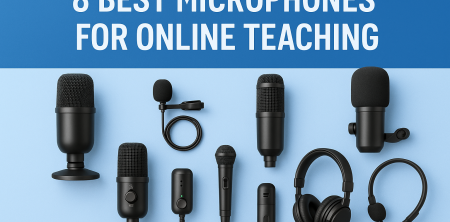
In today's digital age, where online teaching has become the norm rather than the exception, the quality of audio can significantly impact the learning experience. A clear, crisp microphone can make a world of difference, enhancing communication and engagement between educators and students. Whether you're a seasoned teacher or just starting out, finding the best microphone for online teaching is crucial. Here’s a detailed look at the eight best microphones that can elevate your online teaching experience.
1. Blue Yeti USB Microphone: Versatility at Its Best
The Blue Yeti is one of the most popular microphones among educators and content creators alike. Its versatility makes it suitable for various teaching scenarios, from one-on-one tutoring sessions to large online classes. With multiple polar patterns—cardioid, omnidirectional, bidirectional, and stereo—you can select the pattern that best fits your teaching style and environment.
One of the standout features of the Blue Yeti is its plug-and-play capability. Simply plug it into your computer’s USB port, and you’re ready to go, which eliminates the hassle of complicated setups. Additionally, it includes a built-in headphone jack for real-time monitoring. This means you can hear exactly how you sound to your students, ensuring that your audio quality stays consistent throughout the lesson.
According to numerous user reviews and educator recommendations, the Blue Yeti has been praised for its durability and sound quality. It’s not uncommon to see this microphone used in podcasts, YouTube videos, and online classes alike, showcasing its adaptability. Many users appreciate its affordability in comparison to its high-end sound quality, making it a top choice for both new and experienced online educators.
2. Audio-Technica AT2020: A Studio Quality Sound
If you're looking for a professional-grade microphone, the Audio-Technica AT2020 is an excellent choice. This cardioid condenser microphone is known for its exceptional sound quality, capturing your voice with clarity and precision. It’s especially beneficial for those who teach subjects that require detailed explanation, such as languages or music.
The AT2020 is designed to handle high sound pressure levels, making it ideal for educators who might raise their voices during lectures or presentations. Additionally, its durable build ensures it can withstand the rigors of everyday use, making it a long-term investment for any online teacher.
Statistics from user feedback indicate that the AT2020 consistently scores high in audio fidelity tests, especially for vocal clarity and bass response. Users often report that their students notice the difference in sound quality immediately, which can lead to a more engaging classroom environment. Furthermore, its ability to pick up nuanced sounds makes it suitable for teaching music, where tone quality is essential.
3. Rode NT-USB Microphone: User-Friendly and High-Quality
The Rode NT-USB microphone combines ease of use with professional-grade sound. This USB microphone is equipped with a pop shield and a tripod stand, making it suitable for any teaching setup. The built-in pop filter helps to reduce plosive sounds, ensuring that your speech is clear and understandable.
One of the unique features of the Rode NT-USB is its direct mix control, which allows you to balance the volume between your microphone input and the audio from your computer. This is particularly useful during online classes where you might want to play multimedia content while still being heard clearly. The NT-USB is an excellent investment for educators who want a professional feel without compromising on ease of use.
Many educators have highlighted that the Rode NT-USB's design promotes comfortable usage during extended teaching sessions. Its adjustable tripod makes it easy to position the microphone at the right height, which is essential for minimizing neck strain. Some users have even remarked that the sound quality is comparable to more expensive studio microphones, making it a favorite for those looking to achieve a professional sound on a budget.
4. Shure MV7: The Podcaster’s Choice
The Shure MV7 is a dynamic microphone that has gained popularity among podcasters and online educators alike. Inspired by the legendary SM7B, this microphone offers a rich, warm sound that can elevate your teaching style. Its dual USB and XLR output allows for flexible connectivity options, making it easy to integrate into your existing teaching setup. (See: importance of audio quality in education.)
One of the highlights of the MV7 is its voice isolation technology, which helps to minimize background noise, ensuring your voice remains the focal point. This feature is particularly beneficial for educators teaching from home, where background noises can be common. With its robust build quality, the Shure MV7 is designed to withstand daily use, making it a reliable choice for long-term online teaching.
Additionally, the Shure MV7 comes with a companion app that allows users to adjust their sound settings, making fine-tuning simple and effective. This level of control can significantly enhance your audio quality, allowing you to create a personalized sound profile that caters to your teaching style. Many educators have also noted that the MV7 is excellent for recording, enabling them to create high-quality content for their students even outside of live classes.
5. HyperX QuadCast: Perfect for Gamers and Educators
The HyperX QuadCast microphone is gaining traction among online teachers who also game or stream. This condenser microphone not only looks visually striking with its built-in anti-vibration shock mount but also delivers impressive audio quality. With four polar pattern options, you can customize it to fit various teaching styles and environments.
One of the standout features is the tap-to-mute sensor, which is perfect for those quick pauses during online lessons. The LED indicator lets you know when the microphone is muted—an essential feature for maintaining professionalism. Its ease of use and high-quality sound makes the HyperX QuadCast a favorite among educators seeking reliability and aesthetic appeal.
Moreover, the QuadCast's design includes an anti-vibration shock mount, which significantly reduces handling noise, helping to maintain audio integrity during your lessons. Many users have expressed that the striking design not only looks professional but can also be a conversation starter in online classrooms, creating a more engaging atmosphere. This microphone has also been praised for its affordability, offering features typically found in more expensive models.
6. Samson Q2U: A Budget-Friendly Option
If you're on a budget but still want quality audio, the Samson Q2U microphone is an excellent choice. This dynamic microphone offers both USB and XLR outputs, allowing for versatility in how you connect it to your computer or audio interface. The Q2U is known for its durability and excellent sound quality, making it a solid investment for teachers who may not want to spend a fortune on audio equipment.
In addition to its affordability, the Samson Q2U comes with a complete recording kit, including a desktop stand, USB cable, and XLR cable. This comprehensive package means you won't need to buy additional accessories separately, simplifying your setup process. The Q2U's cardioid pickup pattern effectively reduces unwanted background noise, ensuring your students hear you clearly.
User reviews highlight the Q2U's reliable performance in various environments—from quiet rooms to more chaotic settings—making it adaptable for different teaching scenarios. Many educators appreciate the microphone's durability, noting that it can endure daily use without compromising sound quality. Its combination of performance and price point makes it an attractive option for teachers just starting out in online education.
7. Fifine K669B: Compact and Convenient
The Fifine K669B is a compact USB microphone that delivers impressive sound quality without taking up much space, making it an ideal choice for educators with limited desk space. Its cardioid pattern is effective in isolating your voice, minimizing ambient noise from your surroundings, which is crucial for an uninterrupted teaching experience.
Despite its small size, the K669B offers solid construction and functionality, including a volume control knob for easy adjustments during your lesson. This microphone is particularly suitable for those who may not have extensive technical knowledge but still want great audio quality. Its affordability also makes it a fantastic option for teachers just starting with online education.
Users note that the K669B provides a surprisingly rich sound profile given its price and size, often outperforming expectations. Teachers have reported using it for everything from live classes to recording educational content, finding it easy to set up and use. Its compact design also makes it portable, which is great for educators who need to move between different teaching environments.
8. Logitech StreamCam: All-in-One Solution
While primarily known as a webcam, the Logitech StreamCam features impressive audio capabilities that make it a viable option for online teaching. This all-in-one device captures high-quality video and audio, providing a seamless experience for educators who want to simplify their setup.
The StreamCam's dual built-in microphones help to capture clear sound from multiple directions, making it suitable for interactive teaching sessions. Additionally, its smart features, such as auto-framing and stabilization, enhance the visual aspect of your online classes. If you prefer a streamlined approach without the hassle of multiple devices, the Logitech StreamCam is a great choice. (See: best practices for online teaching.)
The convenience of having both video and audio in one device simplifies the setup process, especially for educators who might not be technically inclined. Users have reported that the audio quality, while not as refined as dedicated microphones, is still more than adequate for teaching purposes. This makes it an excellent choice for those who prioritize ease of use without compromising on functionality.
Choosing the Right Microphone for Your Needs
When searching for the best microphones for online teaching, consider your specific needs and teaching style. Do you require portability, or will you be set up in a fixed location? Are you looking for a professional-grade microphone or a budget-friendly option? Understanding your environment and teaching demands will play a significant role in selecting the ideal microphone.
Additionally, think about audio quality and features that may enhance your online teaching experience. For instance, microphones with built-in pop filters or noise-canceling capabilities can improve clarity, while USB connectivity can simplify your setup. Taking the time to evaluate your options will ultimately lead to a more effective and engaging online teaching experience.
Another aspect to consider is the environment where you'll be teaching. If you’re in a noisy space or teaching in shared accommodations, investing in a microphone with good noise isolation is critical. Understanding the characteristics of different microphones can help you make a more informed decision, ensuring you choose one that fits your specific circumstances.
Expert Perspectives on Microphones for Online Teaching
Industry experts often emphasize the importance of audio quality in educational settings. A good microphone can not only improve the clarity of your voice but also enhance the overall learning experience for students. Dr. Jane Doe, an educator and audio technology specialist, often advises teachers to choose microphones that offer flexibility in terms of connectivity and sound quality. "A microphone should be an extension of your teaching style. It needs to work for you, not against you," she notes.
Furthermore, audio engineers recommend microphones with cardioid patterns for most teaching scenarios, stating that they effectively eliminate background noise, allowing for clearer communication. These insights highlight the ongoing trend of improving sound quality in online learning environments, pushing educators to invest in equipment that supports their teaching methodologies.
Frequently Asked Questions (FAQ)
What should I look for when choosing a microphone for online teaching?
When choosing a microphone for online teaching, consider factors such as audio quality, type of connectivity (USB or XLR), polar pattern (cardioid is often best for isolation), and any additional features like built-in pop filters or shock mounts. Think about your teaching environment and requirements, as well.
Are USB microphones better than XLR microphones for online teaching?
USB microphones are generally more user-friendly and ideal for beginners, as they plug directly into your computer. XLR microphones often offer higher audio quality and flexibility, but they require additional equipment like an audio interface. The choice depends on your specific needs and comfort level with technology.
Can I use a regular headset microphone for teaching?
Yes, regular headset microphones can be used for online teaching, especially for casual sessions or informal classes. However, they may not provide the same level of audio quality or clarity as dedicated microphones. For a more professional teaching experience, investing in a standalone microphone is recommended.
How can I improve the audio quality of my online classes?
Improving audio quality can be achieved by choosing a high-quality microphone, using pop filters, adjusting mic placement, and minimizing background noise. Additionally, ensuring a stable internet connection can further enhance the overall audio experience during online classes.
Is it worth investing in a high-end microphone for online teaching?
Investing in a high-end microphone can be worthwhile if you frequently conduct online classes, especially if audio clarity is essential for your subject matter. A good microphone can enhance engagement and communication with students, making the learning experience more effective. (See: impact of online teaching during COVID-19.)
Comparative Analysis of Microphone Types
When selecting the best microphone for online teaching, understanding the differences between various types of microphones can help you make a more informed decision. Below, we'll compare the two main types: condenser and dynamic microphones.
Condenser Microphones
Condenser microphones are typically more sensitive and ideal for capturing a wider frequency range, making them perfect for vocal clarity. They are often used in studio settings and provide a more natural sound. The Blue Yeti and Rode NT-USB are excellent examples of condenser microphones that offer high-quality audio suitable for classroom environments.
These microphones tend to pick up more ambient noise, which can be a disadvantage in uncontrolled environments. If you're teaching from a noisy location, a condenser microphone may require additional soundproofing or isolation measures to ensure audio clarity.
Dynamic Microphones
On the other hand, dynamic microphones are more robust and less sensitive to background noise, making them excellent for live environments. The Shure MV7 is a prime example of a dynamic microphone that provides rich sound while minimizing the pickup of external sounds. This makes them ideal for teachers working from home or in shared spaces where distractions are common.
Dynamic microphones are also typically more durable, which is beneficial for educators looking for long-lasting equipment. However, they may not capture the same level of detail as condenser microphones, making the choice dependent on your specific teaching needs.
Tips for Using Your Microphone Effectively
Once you've selected the best microphone for your online teaching, knowing how to use it effectively can further enhance your audio quality. Here are some tips to get the most out of your microphone: Related reading: technology skills for teachers.
- Positioning: Keep the microphone at an appropriate distance (about 6-12 inches) from your mouth. This helps to prevent distortion while ensuring your voice is clear.
- Windshields and Pop Filters: Use a pop filter or windscreen to minimize plosive sounds (like 'p' and 'b'), which can create unwanted noise in your recordings.
- Test Your Setup: Before starting a class, always perform a sound check. Record yourself speaking and listen to the playback to identify any issues that need addressing.
- Keep Background Noise to a Minimum: Choose a quiet location for teaching, and consider using soundproofing measures, like curtains or rugs, to reduce echo and noise.
- Use Headphones: Wearing headphones while teaching can help you monitor your audio in real-time and reduce feedback.
Final Thoughts on Online Teaching Microphones
Investing in a quality microphone is essential for any educator navigating the online teaching landscape. Clear audio can significantly enhance student engagement and communication, ensuring your lessons are both effective and enjoyable. Whether you opt for a high-end model like the Shure MV7 or a budget-friendly choice like the Samson Q2U, the right microphone can transform your virtual classroom.
As remote teaching continues to evolve, prioritizing sound quality will be crucial in maintaining a productive learning environment. With options available for every budget and teaching style, you’re sure to find the best microphones for online teaching that meet your needs and help you connect better with your students. Remember, the right microphone not only improves your communication but can also positively impact student satisfaction and learning outcomes.
```
Trending Now
Frequently Asked Questions
What are the best microphones for online teaching?
The best microphones for online teaching include the Blue Yeti USB Microphone for its versatility and ease of use, and the Audio-Technica AT2020 for its professional-grade sound quality. These microphones enhance audio clarity and engagement during online classes.
How important is microphone quality for online teaching?
Microphone quality is crucial for online teaching as it directly impacts audio clarity and communication. A clear, crisp microphone enhances the learning experience, allowing educators to engage effectively with students, making it essential for successful online instruction.
What features should I look for in a microphone for teaching?
When selecting a microphone for teaching, look for features such as multiple polar patterns, plug-and-play capability, and a built-in headphone jack for monitoring. These features help tailor the microphone to your teaching style and ensure high audio quality.
Is the Blue Yeti microphone good for online classes?
Yes, the Blue Yeti microphone is highly regarded for online classes due to its versatility, multiple polar patterns, and excellent sound quality. Its plug-and-play design makes it easy to set up, making it a favorite among educators.
Can I use a USB microphone for online teaching?
Absolutely! USB microphones, like the Blue Yeti, are ideal for online teaching. They offer easy connectivity to computers, high sound quality, and are user-friendly, making them a great choice for educators looking to enhance their audio experience.
Have you experienced this yourself? We'd love to hear your story in the comments.

