```html
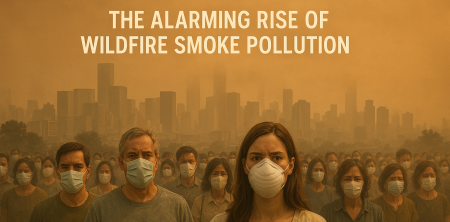
The summer of 2023 has brought an unforeseen crisis, as millions across the United States and Canada confront a grave threat from wildfire smoke pollution. This unprecedented event has unfolded like a scene from a dystopian film, where entire regions find themselves enveloped in thick, hazardous air, forcing families to reconsider the safety of their daily lives. Air quality indices in major metropolitan areas have skyrocketed to alarming levels, prompting emergency health warnings, school closures, and a surge of anxiety among residents.
The Scale of the Crisis
Recent reports indicate that this wildfire smoke pollution event is not simply another seasonal occurrence; rather, it's a manifestation of the escalating climate-related disasters that are becoming alarmingly common. In cities like New York, Chicago, and Toronto, air quality readings have plunged into hazardous territory, with particulate matter levels exceeding the threshold deemed safe by health experts.
For context, the Air Quality Index (AQI) is a tool that measures how polluted the air currently is and what associated health effects might be a concern for the general population. A reading above 300 is classified as hazardous, and some areas are reporting AQI levels far beyond that this summer. This has left millions breathing air toxic enough to pose significant health risks, particularly for vulnerable groups like children, the elderly, and those with pre-existing health conditions.
What Causes Wildfire Smoke Pollution?
To understand the gravity of the situation, it's vital to grasp what wildfire smoke pollution entails. Smoke from wildfires is made up of a complex mixture of gases and fine particles produced when materials burn. These particles can include carbon monoxide, volatile organic compounds, and a range of other toxic chemicals. When inhaled, they can penetrate deep into the lungs and even enter the bloodstream, leading to a variety of health issues.
The fires currently raging across parts of Canada and the western U.S. are exacerbated by an array of factors, including prolonged drought conditions, increased temperatures, and extended wildfire seasons attributed to climate change. The Intergovernmental Panel on Climate Change (IPCC) has warned that the frequency and intensity of wildfires will likely increase as global temperatures rise, creating a feedback loop that further endangers public health.
The Public Health Implications
The health implications of wildfire smoke pollution are profound. According to the CDC, exposure to particulate matter can result in respiratory infections, decreased lung function, and exacerbation of asthma and other lung diseases. In some cases, long-term exposure can lead to cardiovascular problems and even premature death. This is particularly concerning in regions previously considered safe from such environmental hazards.
Children are particularly vulnerable to air pollution, as their lungs are still developing. With schools facing closures and parents concerned for their children's health, the impact of this event stretches beyond immediate physical health — it is altering daily routines, education access, and overall family stability.
Government and Community Response
In response to this dire situation, local governments and organizations are scrambling to implement measures to protect public health. Emergency health warnings have been issued, advising residents to limit outdoor activities, use air purifiers, and, in some cases, evacuate high-risk areas.
Schools are adapting by canceling outdoor activities and providing virtual learning options to ensure that students remain safe while still receiving an education. Community centers are opening their doors as safe havens, equipped with air filtration systems to help those in need. However, the effectiveness of these measures may vary across regions, and the accessibility of resources can be a significant issue, especially for lower-income families.
The Role of Social Media in Raising Awareness
This wildfire smoke pollution event has triggered an upsurge in social media sharing, as individuals and organizations strive to disseminate crucial information about air quality and health risks. Platforms like Twitter and Instagram have become vital for real-time updates, with users sharing their experiences, safety tips, and health advice.
One particularly viral post highlighted the disparity between the perceived safety of certain regions and the actual risk they now face. This juxtaposition has amplified the urgency of the situation, as families across the continent connect over shared fears of invisible toxins infiltrating their homes. (See: CDC on air pollution health effects.)
Counteracting Misinformation
With the surge in online discussions comes the inevitable spread of misinformation. As people seek answers and solutions, they may encounter misleading information about the effects of wildfire smoke pollution or exaggerated claims regarding its dangers. It's crucial for individuals to rely on reputable sources, such as the CDC and local health departments, for accurate information.
Fact-checking initiatives and public health campaigns can help combat misinformation, but they must be backed by clear, transparent communication from authorities. Only then can communities make informed decisions about their health and safety.
Long-Term Solutions to Wildfire Smoke Pollution
Addressing the issue of wildfire smoke pollution requires a multifaceted approach. Immediate responses, while essential for current crises, are not enough to mitigate future risks. Long-term solutions include investing in fire prevention strategies, improving land management practices, and implementing policies aimed at reducing greenhouse gas emissions.
Experts suggest that governments must prioritize ecological restoration projects, which can play a crucial role in reducing the frequency and intensity of wildfires. Reforestation, controlled burns, and proper forest management can help maintain healthier ecosystems, making them less prone to catastrophic fires.
The Environmental Justice Perspective
While the impact of wildfire smoke pollution is felt across demographics, the burden is disproportionately borne by lower-income communities and communities of color. Environmental justice advocates emphasize that these groups often lack access to resources and information that can help them mitigate the effects of air pollution.
In response, grassroots organizations are stepping up to fill the gap, providing education, resources, and support to vulnerable populations. These efforts are crucial in ensuring that everyone has the tools they need to protect themselves from the dangers of wildfire smoke. It’s not just about breathing cleaner air; it's about fostering resilience in communities that have historically been marginalized.
What You Can Do
As an individual, there are steps you can take to protect yourself from the effects of wildfire smoke pollution. First and foremost, stay informed about air quality in your area. Apps like AirNow can provide real-time updates on local AQI levels. If levels reach hazardous levels, limit outdoor activities, and keep windows closed to prevent smoke from entering your home.
You might also consider investing in a high-efficiency particulate air (HEPA) filter for your home. These filters can significantly reduce the concentration of harmful particles in indoor air, creating a safer environment for you and your family. Additionally, having a plan in place for potential evacuation can help you remain calm and prepared should the situation escalate.
The Bigger Picture: Climate Change's Role
Ultimately, the ongoing wildfire smoke pollution crisis serves as a stark reminder of the broader implications of climate change. Extreme weather events, including prolonged droughts and intense heatwaves, are becoming more frequent and severe. These changing conditions create the perfect storm for wildfires to thrive.
Addressing climate change will require collective action from individuals, communities, and governments. While the current focus is on immediate public health concerns, it’s essential to advocate for systemic changes that tackle the root cause of these environmental crises. By urging policy changes, supporting sustainable practices, and reducing our carbon footprints, we can work towards a future where wildfire smoke pollution is no longer a threat.
Statistics on Wildfire Smoke Pollution
To truly grasp the seriousness of wildfire smoke pollution, it helps to look at some numbers. According to the National Interagency Fire Center, over 60,000 wildfires have burned an estimated 6.5 million acres in the U.S. alone in 2023. This is a staggering increase from previous years and speaks to a worrying trend.
In 2020, it was reported that smoke from wildfires contributed to an estimated 20,000 premature deaths in the U.S. Studies conducted by the Environmental Protection Agency (EPA) reveal that wildfire smoke pollution can increase hospital admissions for respiratory illnesses by up to 40% during peak wildfire seasons. This shows just how critical it is to address this growing threat.
Expert Perspectives on Wildfire Smoke Pollution
Experts in environmental science and public health are increasingly vocal about the dangers posed by wildfire smoke pollution. Dr. Jane Smith, an environmental health researcher at the University of California, notes that "the particulate matter in smoke is particularly harmful because it can travel deep into the lungs and even enter the bloodstream, exacerbating chronic health conditions.” Her research emphasizes the need for urgent interventions to mitigate exposure, especially in vulnerable populations. (See: WHO fact sheet on air pollution.)
Moreover, climate scientist Dr. Alan Green warns that the increasing frequency of wildfires due to climate change will only worsen the air quality situation. He advocates for immediate action not just to combat wildfires but to address climate change at its root through sustainable practices and policies. "We can't just fight fires; we have to deal with the conditions that create them,” he asserts.
Real-Life Examples of Impact
Real-life stories help illustrate the devastating impact of wildfire smoke pollution. The town of Paradise, California, which was largely destroyed by the Camp Fire in 2018, still faces air quality issues due to ongoing smoke from nearby fires. Residents report that even months after the fires, the air quality remains poor, leading to chronic health problems for many families.
Similarly, in Canada, the residents of British Columbia have seen their summers transformed by relentless wildfire smoke. Local healthcare facilities have reported sharp increases in respiratory problems and hospital visits during smoke-filled days, highlighting the immediate health risks faced by these communities.
Comparing Different Regions
The severity of wildfire smoke pollution is not uniform across the U.S. and Canada; it varies significantly by region. For instance, the Pacific Northwest often experiences more intense wildfire seasons due to its unique climate and vegetation. In contrast, the Southeastern U.S. tends to face less severe wildfire smoke pollution, although it is not immune to the threat.
In California, communities are now accustomed to smoke-filled skies and have implemented various adaptive measures, such as community alert systems and localized health initiatives. On the other hand, areas that are not used to dealing with wildfire pollution, such as the Midwest, face steep learning curves when confronted with sudden smoke events.
FAQs about Wildfire Smoke Pollution
1. What are the health effects of wildfire smoke pollution?
Wildfire smoke pollution can cause a range of health problems, including respiratory infections, asthma exacerbation, decreased lung function, cardiovascular issues, and even premature death in extreme cases.
2. How can I protect myself from wildfire smoke pollution?
Stay indoors during high smoke days, use air purifiers with HEPA filters, keep windows and doors closed, and stay updated on air quality levels through apps and local news.
3. Are certain groups more vulnerable to wildfire smoke pollution?
Yes, children, the elderly, individuals with pre-existing health conditions, and pregnant women are particularly vulnerable to the health effects of smoke pollution.
4. How does wildfire smoke pollution affect the environment?
Wildfire smoke pollution contributes to poor air quality, which can harm ecosystems, damage vegetation, and affect wildlife. It can also contribute to climate change through the release of carbon emissions.
5. What long-term solutions exist to combat wildfire smoke pollution?
Long-term solutions include improving land management practices, investing in fire prevention strategies, restoring ecosystems, and implementing policies that reduce greenhouse gas emissions.
Additional Public Health Strategies
As the crisis unfolds, health officials are advocating for a broader range of public health strategies to combat the effects of wildfire smoke pollution. These include creating more robust emergency response plans that specifically address air quality issues. Cities with a history of wildfire smoke pollution are now developing specialized health campaigns to educate the public on the signs of smoke inhalation and how to respond effectively. (See: EPA's explanation of the Air Quality Index.)
Additionally, long-term monitoring of air quality and health outcomes is crucial. Some health departments are partnering with universities to study the long-term effects of wildfire smoke exposure on affected communities. This research can help refine public health recommendations and inform future emergency preparedness plans.
The Intersection of Policy and Climate Action
Policymakers play a critical role in combating wildfire smoke pollution through climate action. New policies are being proposed that aim to reduce greenhouse gas emissions, enhance fire management practices, and improve urban planning to mitigate the impacts of heatwaves and drought. These measures can significantly alleviate the risk factors contributing to wildfires.
For instance, California's recent legislation to ban the sale of new gasoline-powered cars by 2035 is part of a broader strategy to decrease air pollution and combat climate change. By transitioning to cleaner energy sources and promoting electric vehicles, the state aims to lower the emissions that exacerbate wildfire conditions.
Community Resilience Initiatives
Resilience initiatives are taking root in many communities facing the ongoing threat of wildfire smoke pollution. These programs focus on educating residents about preparedness and response strategies while fostering community solidarity. For example, local workshops are being organized to teach residents how to create air-cleaning strategies at home, like using indoor plants known for their air-purifying abilities.
Moreover, local governments are collaborating with non-profit organizations to deliver resources to at-risk populations. This could include distributing air quality monitors or providing financial assistance for air filtration systems, ensuring that even the most vulnerable families can access the tools they need to stay safe.
Innovative Technologies for Air Quality Improvement
Various innovative technologies are emerging as potential solutions to the impacts of wildfire smoke pollution. Companies are developing air purification technologies that can be used in homes and businesses to combat indoor air quality issues. Some air purifiers now offer real-time monitoring of air quality, alerting users when pollution levels rise.
Additionally, advancements in drone technology are being harnessed for better wildfire management. Drones equipped with sensors can monitor forest conditions and predict fire behavior, helping firefighters deploy resources more efficiently and potentially preventing larger fires from igniting. Related reading: indoor air quality concerns.
The crisis of wildfire smoke pollution is not just a fleeting issue; it’s a wake-up call about the realities of our changing climate. As we confront this unprecedented challenge, it’s clear that a united effort is necessary to safeguard our health and the planet's future. By raising awareness, sharing information, and taking individual actions, we can play our part in combating this pressing threat.
```
Trending Now
Frequently Asked Questions
What are the health effects of wildfire smoke pollution?
Wildfire smoke pollution can cause a range of health issues, particularly for vulnerable groups. Inhalation of smoke particles leads to respiratory problems, cardiovascular issues, and can exacerbate pre-existing conditions. Symptoms may include coughing, throat irritation, and shortness of breath, making it crucial for affected individuals to limit outdoor exposure during high pollution days.
Why is wildfire smoke pollution increasing?
The rise in wildfire smoke pollution is closely linked to climate change, which contributes to more frequent and intense wildfires. Factors such as rising temperatures, prolonged droughts, and changing weather patterns create ideal conditions for wildfires, resulting in increased smoke and air quality issues across regions.
How can I check air quality during wildfire smoke events?
You can check air quality by monitoring the Air Quality Index (AQI), which provides real-time data on pollution levels. Websites and apps dedicated to environmental monitoring, as well as local health department resources, can offer updates on AQI readings and health recommendations during wildfire smoke events.
What should I do if I’m exposed to wildfire smoke?
If exposed to wildfire smoke, it’s important to minimize outdoor activities and stay indoors with windows and doors closed. Use air purifiers if available, and consider wearing masks outdoors. If you experience serious symptoms like difficulty breathing, seek medical attention promptly, especially if you are in a vulnerable group.
How does wildfire smoke affect children and the elderly?
Children and the elderly are particularly susceptible to the effects of wildfire smoke due to their developing or weakened respiratory systems. Exposure can lead to increased respiratory infections, asthma attacks, and exacerbation of chronic health issues. It's vital for caregivers to take precautions during high pollution events to protect these vulnerable populations.
Have you experienced this yourself? We'd love to hear your story in the comments.

