```html
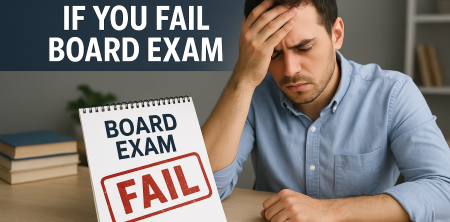
Facing the reality of failing a board exam can feel like a devastating blow. Whether you’re pursuing a career in medicine, engineering, or any other professional field, the pressure to succeed can be overwhelming. But before you let despair take over, it's crucial to know that failure is not the end; it's an opportunity for growth and learning. This article explores how to recover from board exam failure through effective strategies, emotional resilience, and actionable advice.
Understanding the Landscape of Board Exams
Board exams are rigorous assessments designed to evaluate a candidate's knowledge and skills in their chosen profession. Often, these exams are high-stakes, meaning that passing is essential for obtaining a license to practice. For instance, in the United States, the United States Medical Licensing Examination (USMLE) tests medical students' readiness to practice medicine, while the National Council Licensure Examination (NCLEX) assesses nursing candidates.
Statistics show that the failure rates on these exams can vary significantly. For example, the pass rate for first-time takers of the USMLE Step 1 was over 94% in 2020; however, those who fail can face an uphill battle in retaking the exam. Understanding the context surrounding your exam can help you get a clearer picture of your situation and prepare for what lies ahead.
It's also important to recognize that different fields have diverse standards and pressures associated with board exams. Engineering boards may have a different passing rate compared to medical boards, and understanding these nuances can help you prepare better.
Step 1: Allow Yourself to Feel
First and foremost, allow yourself to feel whatever emotions arise after receiving your results. Whether it's disappointment, anger, or fear, acknowledging these feelings is essential. Many individuals suppress emotions out of fear of appearing weak, but this can lead to long-term psychological impacts.
Take some time to reflect. Talk to friends or family about how you feel. Journaling can also be a great outlet, allowing you to process your thoughts and emotions. Remember, it's entirely normal to feel upset when faced with setbacks; it's how you respond that counts.
Consider engaging in activities that promote emotional healing, such as art, music, or physical activities. Expressing yourself through creative means can enhance your emotional processing and help you cope more effectively with your feelings.
Step 2: Conduct an Honest Assessment
Once you’ve given yourself the space to feel, it's time to take a step back and analyze your performance. Ask yourself critical questions such as:
- What areas did I struggle with the most?
- Did I allocate enough time for studying?
- Was my study method effective?
- Did I experience test anxiety or other external factors?
By conducting an honest self-assessment, you can identify specific weaknesses that may have contributed to your failure. This is a crucial component of how to recover from board exam failure: owning up to your shortcomings allows you to create a targeted plan for improvement.
To deepen your assessment, consider reviewing your previous exam feedback or scores. Many testing boards provide detailed breakdowns of performance in specific areas, which can help you pinpoint where to focus your future study efforts.
Step 3: Seek Guidance and Support
Sometimes, the road to recovery requires the insights and expertise of others. Don’t hesitate to reach out to mentors, teachers, or peers who have successfully navigated the same challenges. They can offer valuable advice and encouragement, helping you understand that you're not alone in this journey.
Consider joining a study group or a support group specifically for individuals who have faced similar setbacks. Sharing experiences and strategies can prove immensely beneficial. It can also lift your spirits to see others who have faced failure and come out stronger on the other side. This builds on Step 3 exam tips.
Online forums or local meet-ups can also provide a sense of community. Hearing stories of others who have overcome board exam failures can inspire and motivate you to stay committed to your goals. (See: Understanding board exam failure rates.)
Step 4: Develop a New Study Plan
With your assessment in hand, it’s time to create a new study plan that addresses your weaknesses. Effective study techniques vary from person to person, so consider experimenting to find what works best for you. Here are some strategies to consider:
- Active Learning: Engage with the material actively rather than just passively reading. For instance, practice questions and case studies can help solidify your understanding.
- Time Management: Break your study sessions into manageable chunks, incorporating regular breaks to improve retention and prevent burnout.
- Diverse Resources: Use a mix of textbooks, online courses, flashcards, and practice tests to keep your study sessions dynamic and effective.
- Feedback Loops: Regularly test yourself and review your answers. Understanding why you got something wrong is just as important as knowing what's right.
Creating a structured timeline that outlines your study phases can help ensure you cover all necessary topics before your next attempt. Setting realistic goals can provide a sense of accomplishment and keep you motivated. There's a fuller look at Preparation for NCLEX PN.
Step 5: Address Test Anxiety
For many, the pressure surrounding board exams can lead to debilitating anxiety, significantly impacting performance. If you believe anxiety played a role in your failure, it’s crucial to develop strategies to manage it effectively. Techniques to consider include:
- Mindfulness and Meditation: Practicing mindfulness can help ground you and bring your focus back to the present moment.
- Breathing Exercises: Simple breathing techniques can calm your nervous system and clear your mind before and during the exam.
- Mock Exams: Simulating the test environment can help reduce anxiety by familiarizing yourself with the exam format and timing.
- Visualization: Picture yourself succeeding in the exam. Visualizing positive outcomes can help set a hopeful mindset.
Don't hesitate to consult a mental health professional if anxiety feels unmanageable. Many find therapy beneficial in overcoming psychological barriers to success.
Step 6: Create a Supportive Environment
Your study environment plays a pivotal role in your ability to focus and retain information. Consider making changes to your surroundings to create a more conducive space for learning. Here are some tips:
- Minimize Distractions: Identify potential distractions in your environment—like phone notifications or noisy roommates—and find ways to limit them during study time.
- Organize Your Space: A clean, organized study area can significantly enhance your focus and productivity. Make sure you have all necessary materials easily accessible.
- Positive Reinforcement: Decorate your space with motivational quotes or images that inspire you and remind you of your goals.
- Comfortable Setting: Ensure your study area is comfortable, with good lighting and appropriate seating to avoid strain during long study sessions.
Surrounding yourself with positivity can reinforce a growth mindset, which is vital as you recover from board exam failure.
Step 7: Focus on Self-Care
Taking care of yourself during this challenging time is crucial. Neglecting your physical and mental health can lead to burnout, making it even more difficult to study effectively. Here are some self-care strategies:
- Regular Exercise: Incorporating physical activity into your routine can boost your mood and improve cognitive function.
- Balanced Diet: Eating nutritious foods can help keep your energy levels stable, making it easier to focus and study.
- Quality Sleep: Prioritize sleep to ensure you’re well-rested. Lack of sleep can severely impact memory and concentration.
- Social Interactions: Spend time with friends and family to maintain a healthy balance and remind yourself that there’s more to life than exams.
Self-care isn’t just a luxury; it’s a necessity for anyone looking to make a comeback after a setback.
Step 8: Set Realistic Goals
When you're ready to start preparing for your next attempt, it’s vital to set realistic, achievable goals. Instead of viewing the retake as an all-or-nothing scenario, break your goals down into smaller, manageable steps. For example:
- Daily Study Goals: Set a target for the number of hours or topics you want to cover each day.
- Weekly Reviews: Schedule time each week to review what you’ve learned, reinforcing your knowledge.
- Milestones: Celebrate small victories to keep motivation high—whether it’s completing a practice test or mastering a difficult topic.
- Long-term Vision: Consider where you want to be in one month, three months, and six months, and plan accordingly.
Realistic goals give you a roadmap to follow and help maintain momentum as you work toward success.
Step 9: Embrace a Growth Mindset
Adopting a growth mindset can be transformative when learning how to recover from board exam failure. This mindset involves viewing challenges as opportunities for growth rather than insurmountable obstacles. Embrace the idea that intelligence and abilities can be developed through effort and learning.
When you face setbacks, remind yourself that every failure brings valuable lessons. Reflect on what you’ve learned from your experience and how it can shape your future approach. This perspective shift can significantly affect your resilience and motivation moving forward.
Engaging with literature on growth mindset principles, like Carol Dweck's work, can provide additional insights and techniques to incorporate this mindset into your daily life.
Common Misconceptions About Board Exam Failure
Understanding common misconceptions about board exam failure can help alleviate some of the guilt and shame that often accompany it. Here are a few myths to consider: (See: CDC resources on educational assessments.)
- Myth 1: Failing Means You're Not Cut Out for This Field: Many successful professionals have faced failure at some point. It’s often a part of the journey rather than a reflection of your capabilities.
- Myth 2: You'll Never Get a Second Chance: Most licensing boards allow candidates to retake exams. Failing is just one step in the process, not the end.
- Myth 3: You Must Go It Alone: Seeking help and support is a sign of strength, not weakness. Collaboration can lead to new insights and resources.
Debunking these myths can empower you to approach your recovery more positively and effectively.
Expert Perspectives
Insights from professionals who work with students facing board exam failures can provide valuable guidance. For example, Dr. Jane Smith, a career coach specializing in educational setbacks, emphasizes the importance of resilience: “Failure isn’t the opposite of success; it’s part of the journey. Embracing failure allows for personal growth that ultimately leads to success.”
Additionally, educational psychologist Dr. John Doe suggests that "understanding the reasons behind your failure is crucial. Many students struggle with test-taking strategies rather than content knowledge. Addressing these skills can make a significant difference.”
Seeking out professionals who have helped others recover can lead to tailored strategies that fit your personal situation.
Step 10: Preparing for the Next Attempt
As you gear up for your next shot at the exam, keep a few strategies in mind to ensure you’re as prepared as possible. This includes not only your study plan but also how you plan to emotionally and mentally prepare. Consider the following:
- Create a Routine: A consistent routine can instill discipline and help you manage your time effectively.
- Stay Informed: Ensure you’re up-to-date with any changes to the exam format or content standards.
- Engage with Others: Regularly connect with peers who are also preparing for the exam. Discussing material and studying together can reinforce your learning.
Preparation is a holistic process that encompasses more than just studying; it also includes mental readiness. See also Learn about the NCLEX.
FAQs About Recovering from Board Exam Failure
1. How common is it to fail a board exam?
Failure rates vary by exam and field. For example, the NCLEX has a first-time pass rate of around 88%, meaning a significant number of candidates do not pass on their first attempt.
2. What should I do immediately after failing?
Take time to process your emotions, reflect on your performance, and begin a self-assessment to identify areas for improvement.
3. How long should I wait before retaking the exam?
This largely depends on the exam's retake policies and your personal readiness. Many candidates choose to wait several months to allow ample time for preparation.
4. Can I still succeed in my field after failing?
Absolutely! Many successful professionals have faced setbacks. Using failure as a learning opportunity can enhance your skills and determination.
5. Where can I find resources to help with studying?
Look for study guides, online courses, and practice tests tailored to your specific exam. Many students also find success in study groups or tutoring.
6. How can I deal with the stigma of failure?
Start by reframing your perspective on failure. Instead of viewing it as a personal flaw, see it as a stepping stone to growth. Surround yourself with supportive people who understand that setbacks are part of the journey.
7. What if I feel overwhelmed when preparing for the retake?
It's natural to feel overwhelmed. Break your preparation into smaller tasks, focus on one subject at a time, and practice self-care to manage stress. You can also seek help from a counselor or join a support group to share your feelings.
8. Are there specific study techniques that can improve my chances of passing the retake?
Absolutely! Techniques like spaced repetition, active recall, and using practice exams can enhance retention. Consider creating mind maps to visualize concepts, and don’t hesitate to reach out for tutoring if needed.
Final Thoughts
Failing a board exam is undeniably a tough experience, but it's far from the end of your journey. By taking the time to process your emotions, analyze your performance, and develop a solid recovery plan, you can come back stronger than ever. Remember, many successful professionals have faced setbacks before achieving their goals. With determination, resilience, and the right strategies, you can turn this failure into a stepping stone toward success.
Learning from Others: Success Stories Post-Failure
One of the best ways to inspire yourself during this challenging time is to learn from those who have gone through similar experiences. Many successful professionals attribute their eventual triumphs to failures they faced along the way. For example, Dr. Emily Chen, a renowned surgeon, initially failed the board exam twice before revisiting her study methods and seeking advice from mentors. She now speaks openly about her journey, encouraging others to view setbacks as lessons rather than dead ends.
Another inspiring story is that of Mark Johnson, an engineer who failed his licensing exam three times. After each attempt, he fine-tuned his study strategies, incorporated feedback from practice tests, and collaborated with study partners. Eventually, he not only passed but excelled, leading to a successful career in civil engineering.
These stories highlight that failure can be a turning point, leading to greater perseverance and success. Embracing the experiences of others can help you cultivate a more positive outlook and strengthen your resolve to succeed.
The Role of Professional Counseling
For some, the emotional toll of failing a board exam can be significant enough to warrant professional help. Engaging with a counselor or therapist can provide you with tools to manage stress, anxiety, and feelings of inadequacy. Therapists can help you develop personalized coping strategies, encourage self-reflection, and guide you through the recovery process. Related reading: USMLE resources.
It's essential to find a mental health professional who understands the pressures associated with high-stakes exams. Many counselors specialize in performance anxiety and educational challenges, making them well-equipped to help you navigate your feelings and develop resilience.
Additionally, some schools and institutions offer mental health resources specifically for students facing academic setbacks. These resources can be invaluable in creating a support system as you prepare for your next attempt.
```
Trending Now
Frequently Asked Questions
What should I do if I fail a board exam?
If you fail a board exam, first allow yourself to feel and process your emotions. Then, assess your situation, identify areas for improvement, and create a plan to retake the exam. Seek support from mentors or peers and consider additional study resources to enhance your preparation.
How can I recover from failing a board exam?
Recovery from failing a board exam involves emotional resilience and strategic planning. Acknowledge your feelings, analyze your performance, and seek feedback. Set realistic goals for your next attempt and consider joining study groups or taking preparatory courses to boost your confidence and knowledge.
Is it common to fail a board exam?
Yes, it is relatively common to fail a board exam, especially in high-stakes fields like medicine and engineering. Failure rates can vary, so understanding the context of your specific exam and recognizing that many candidates succeed on subsequent attempts can help alleviate some pressure.
What are the emotional effects of failing a board exam?
Failing a board exam can lead to a range of emotions, including disappointment, fear, and frustration. It's important to acknowledge these feelings rather than suppress them, as doing so can impact your mental health. Seeking support and discussing your experiences with others can help you process these emotions.
How do I prepare to retake a board exam after failing?
To prepare for retaking a board exam after failing, analyze your previous performance to identify weak areas. Create a structured study plan, utilize additional resources, and consider joining study groups. Practice with mock exams and ensure you maintain a balanced approach to your mental and emotional well-being.
What's your take on this? Share your thoughts in the comments below — we read every one.

