```html
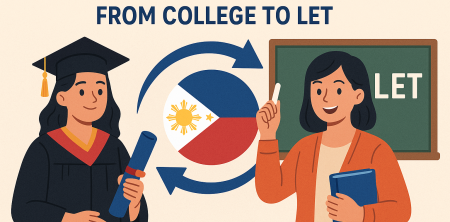
Choosing a teaching career in the Philippines can be a rewarding journey, filled with opportunities to inspire and shape young minds. Whether you're a fresh college graduate or a career changer, understanding the path from college education to the Licensure Examination for Teachers (LET) is crucial. In this article, we will explore the different facets of starting a teaching career in this archipelago, covering everything from educational requirements to the nuances of the LET.
Understanding the Teaching Landscape in the Philippines
The Philippines has a rich history of education that dates back to the Spanish colonial period. However, it was only in the late 20th century that significant reforms were made, aiming to improve the quality of education nationwide. Today, the teaching profession is not only a stable career choice but also one that holds a significant place in Philippine society. The government, along with private entities, works tirelessly to ensure that the educational system is equipped to handle modern challenges. maximize your mentorship experience offers useful background here.
With over 40,000 public and private schools, including universities, colleges, and technical institutions, the demand for qualified teachers continues to grow. According to the Department of Education (DepEd), there were approximately 900,000 teachers in public schools as of 2021. This number highlights the vital role educators play in shaping the future of the country.
Educational Requirements for Aspiring Teachers
To embark on a teaching career in the Philippines, you'll first need to meet certain educational requirements. The primary path begins with obtaining a Bachelor’s degree in Education (B.Ed). However, aspiring teachers can also pursue degrees in specific subjects (e.g., Mathematics, English, Science) while taking the required education units.
It’s essential to choose a program accredited by the Commission on Higher Education (CHED) to ensure that your qualifications will be recognized in the job market. Generally, a B.Ed program covers topics such as pedagogy, curriculum development, educational psychology, and classroom management. Additionally, aspiring teachers are encouraged to participate in internships or student teaching programs, which provide practical experience in real classroom settings.
Gaining Experience: Internships and Student Teaching
One of the most beneficial aspects of a teacher education program is the opportunity to engage in internships or student teaching. These experiences not only solidify your understanding of educational theories but also help you develop essential skills in classroom management and communication.
During your internship, you’ll work under the guidance of experienced teachers, allowing you to observe different teaching styles and methodologies. This mentorship is invaluable as it prepares you for the realities of teaching. Many universities have partnerships with local schools, making it easier for students to secure placements and gain hands-on experience.
The Licensure Examination for Teachers (LET)
Once you complete your degree and internship, the next crucial step in your journey towards a teaching career in the Philippines is passing the Licensure Examination for Teachers (LET). Administered by the Professional Regulation Commission (PRC), the LET is a comprehensive exam designed to assess the competency of aspiring teachers.
The LET is typically conducted twice a year, and it consists of two parts: General Education and Professional Education. Candidates must prepare thoroughly, as the exam covers various subjects, including Mathematics, English, Science, and teaching methods. Many aspiring teachers attend review classes or utilize online resources to enhance their knowledge and test-taking skills. The passing rate varies, but the PRC reported a 31.77% overall passing rate for first-time takers in 2021.
Preparing for the LET: Strategies and Resources
Preparation for the LET can feel overwhelming, but there are several strategies and resources that can help you succeed. Here are a few practical tips:
- Join Review Classes: Many institutions offer LET review programs that provide structured study schedules, practice exams, and expert guidance.
- Utilize Online Resources: Websites and forums dedicated to LET preparation can offer valuable insights and resources, such as sample questions and study tips.
- Create a Study Group: Collaborating with fellow examinees can help reinforce learning through discussion and shared resources.
- Practice Time Management: Simulate exam conditions at home to improve your time management skills for the actual test.
Remember, consistent study habits and a positive mindset can significantly boost your chances of passing the LET. (See: Education in the Philippines.)
Launching Your Teaching Career: Job Opportunities and Options
After passing the LET, you're officially a licensed teacher, opening up a range of job opportunities. Public schools, private institutions, and even international schools actively seek qualified educators. The Department of Education (DepEd) holds regular hiring processes for teachers in public schools, while private schools often have their own recruitment methods.
Public school positions typically offer stability, benefits, and a clear career progression path. However, many teachers also find fulfilling careers in private institutions, which may offer smaller class sizes, differing curricula, and sometimes higher salaries. Additionally, international schools or teaching abroad can be attractive options for those looking to gain diverse experiences.
Continuing Education and Professional Development
Once you've stepped into your teaching role, the learning doesn't stop there. Continuing education and professional development are essential for staying current in educational trends and improving your teaching skills. Many institutions offer workshops, seminars, and online courses that allow teachers to expand their knowledge in specialized areas.
Furthermore, engaging in professional organizations, such as the Philippine National Teachers College (PNTC) or the Teachers’ Dignity Coalition (TDC), can provide networking opportunities and access to resources that enhance your career. These platforms help educators share best practices, advocate for teachers’ rights, and engage in policy discussions that affect the teaching profession.
Challenges Faced by Teachers in the Philippines
While embarking on a teaching career in the Philippines can be fulfilling, it's essential to acknowledge the challenges teachers face. Overcrowded classrooms, limited resources, and varying student needs can make teaching a demanding profession. Additionally, educators often must manage administrative tasks and contribute to extracurricular activities, sometimes leading to burnout.
Moreover, the COVID-19 pandemic has further complicated the educational landscape. Many teachers have had to adapt to online teaching and blended learning models, which have their own set of challenges. As a result, continuous support systems, mentorship, and access to resources have become more critical than ever.
Future Trends in Philippine Education
The landscape of education in the Philippines is constantly evolving. With advancements in technology and instructional methodologies, teachers are finding new ways to engage students and enhance learning outcomes. The Department of Education has been pushing for curriculum reforms to include more critical thinking, creativity, and digital literacy skills.
Additionally, the integration of technology in education is becoming more prevalent. From online learning platforms to digital assessment tools, teachers are now tasked with incorporating these innovations into their lesson plans. As a teacher, embracing these changes and continually adapting to new trends will be crucial for your success in the field.
Compensation and Benefits for Teachers
When considering a teaching career in the Philippines, it's important to understand the compensation and benefits associated with the profession. Teachers in public schools, particularly those under the Department of Education (DepEd), receive salaries that fall under the Salary Standardization Law. As of 2022, the starting salary for a public school teacher (Teacher I) is approximately PHP 26,000 per month. This amount can increase with years of service and additional qualifications. See also student teaching explained.
Private schools may offer varying salaries based on their resources and funding. Some prestigious private institutions provide competitive wages, additional bonuses, and benefits such as health insurance, retirement plans, and professional development allowances. International schools often pay considerably more, which is appealing for teachers looking to expand their horizons.
Nonetheless, many teachers find fulfillment in the intrinsic rewards of the profession, such as the impact they have on their students' lives and the satisfaction of contributing to the community. It's crucial to weigh both the financial and emotional aspects of a teaching career when making your decision.
Teaching Specializations and Career Advancement
Another attractive aspect of a teaching career in the Philippines is the potential for specialization and advancement. Educators can choose to focus on specific subjects or areas, such as special education, early childhood education, or educational technology. These specializations often require additional training and certification but can lead to more rewarding positions and higher salaries.
Career advancement opportunities also exist within the educational system. Teachers can rise through the ranks, transitioning into administrative roles such as department heads, school principals, or educational supervisors. Many of these positions come with increased responsibilities and higher compensation, making it essential for aspiring teachers to consider long-term career goals. (See: Teaching and Learning Resources.)
Moreover, engaging in research and educational policy development can also provide avenues for career growth. Educators who contribute to academic publications or participate in government educational initiatives can enhance their professional profiles and open doors for new opportunities.
Frequently Asked Questions (FAQ)
What are the most important qualities of a successful teacher in the Philippines?
Successful teachers in the Philippines often possess qualities such as patience, creativity, adaptability, and strong communication skills. Building positive relationships with students and fostering an inclusive classroom environment are also key factors in effective teaching. We covered effective classroom management tips in more detail.
Can I teach without a Bachelor’s degree in Education?
Yes, individuals with degrees in specific subject areas can still become teachers if they complete the necessary education units and pass the Licensure Examination for Teachers (LET). However, having a degree in education is often beneficial as it provides a solid foundation in pedagogy and teaching methods.
How long does it typically take to become a licensed teacher?
Generally, it takes about four years to earn a Bachelor’s degree in Education. After completing your degree, you must also participate in internships and pass the LET. The entire process can thus take around four to five years, depending on your educational path and preparation for the exam.
What are the different types of schools I can work in?
Teachers in the Philippines can work in various educational settings, including public schools, private institutions, international schools, and alternative learning systems. Each type of school may have different curricula, teaching philosophies, and student demographics.
What supports are available for new teachers?
New teachers can benefit from mentorship programs, professional development workshops, and support networks established by educational organizations. Many schools also have induction programs designed to help new educators acclimate to their roles and responsibilities.
The Importance of Mentorship in Teaching
Mentorship plays a crucial role in a teacher's professional journey. Many new educators find themselves overwhelmed by the challenges of classroom management and instructional planning. Having a mentor can provide invaluable support and guidance. Experienced teachers can offer insights into effective teaching strategies, resources for lesson planning, and tips for managing classroom dynamics.
Research indicates that mentorship can lead to increased job satisfaction and retention rates among teachers. For instance, a study by the National Education Association (NEA) found that teachers who had mentors were significantly more likely to remain in the profession after five years, compared to their non-mentored peers.
In the Philippines, educational institutions are increasingly recognizing the value of structured mentorship programs. In many universities and colleges, student teachers are paired with experienced educators who guide them through their internships, helping them transition smoothly into their teaching careers.
Balancing Work and Life as a Teacher
One of the most significant challenges teachers face is achieving a healthy work-life balance. Teaching often involves long hours, from lesson planning to grading papers and managing extracurricular activities. It's essential for educators to find strategies to maintain their well-being while fulfilling their professional responsibilities.
Setting boundaries is crucial. Teachers should strive to create a schedule that allows for personal time, whether it’s dedicating evenings to family, hobbies, or self-care. Additionally, cultivating a supportive network among colleagues can alleviate the feeling of isolation. Sharing experiences and resources can lead to collaborative solutions, ultimately improving both teaching effectiveness and personal satisfaction. Related reading: key theories in classroom management.
Participating in wellness programs offered by schools can also provide teachers with tools to manage stress and maintain their physical and mental health. These programs often include workshops on mindfulness, time management, and healthy living.
Innovative Teaching Methods in the Philippine Classroom
As the educational landscape evolves, innovative teaching methods are gaining traction in Filipino classrooms. Project-based learning (PBL), inquiry-based learning, and flipped classrooms are becoming more common as educators seek to engage students actively and enhance learning outcomes.
In project-based learning, students work on a project over an extended period, which allows them to explore real-world problems and develop critical thinking skills. For instance, a science teacher might have students design and build a model of a sustainable home, integrating concepts from physics and environmental studies.
Inquiry-based learning encourages students to ask questions, investigate, and discover answers through exploration. This approach fosters a sense of ownership in their education, as students take the lead in their learning process.
The flipped classroom model reverses traditional teaching methods. Instead of introducing new material in class, teachers assign video lectures or reading materials for homework. Class time is then spent on exercises, projects, or discussions, allowing for deeper engagement with the content.
Embracing these innovative methods can be beneficial for teachers looking to capture their students' interest and adapt to the diverse learning styles present in their classrooms.
Conclusion: Your Teaching Journey Awaits
A teaching career in the Philippines offers a unique opportunity to shape the next generation of leaders and thinkers. While the journey from college to the LET may seem daunting, it is filled with potential and promise. By understanding the educational requirements, preparing thoroughly for the LET, and embracing continuous professional development, you can carve out a fulfilling career that impacts countless lives.
As you consider this path, remember that teaching is not just about imparting knowledge; it's about inspiring passion, nurturing creativity, and fostering a love for learning. So, gear up for a journey that could lead you to becoming a transformative figure in the lives of your students.
```
Trending Now
Frequently Asked Questions
What are the requirements to become a teacher in the Philippines?
To become a teacher in the Philippines, you need to obtain a Bachelor’s degree in Education (B.Ed) or a related field, complete the required education units, and ensure your program is accredited by the Commission on Higher Education (CHED). After that, you must pass the Licensure Examination for Teachers (LET).
How long does it take to become a teacher in the Philippines?
Typically, it takes around four years to complete a Bachelor's degree in Education or a related field in the Philippines. After graduation, candidates must prepare for and pass the Licensure Examination for Teachers (LET), which may require additional study time.
What is the Licensure Examination for Teachers (LET)?
The Licensure Examination for Teachers (LET) is a national examination in the Philippines that aspiring teachers must pass to become licensed educators. It assesses candidates' knowledge and competencies in various subjects related to teaching and education.
Is teaching a good career in the Philippines?
Yes, teaching can be a rewarding career in the Philippines. With a growing demand for qualified teachers in both public and private schools, it offers job stability, opportunities for personal and professional growth, and the chance to make a significant impact on students' lives.
What subjects can I teach with a degree in education in the Philippines?
With a degree in education, you can teach various subjects depending on your specialization. Common areas include Mathematics, English, Science, and Social Studies. Additionally, you can also teach in specialized fields if you hold a degree in that subject along with the required education units.
What's your take on this? Share your thoughts in the comments below — we read every one.

