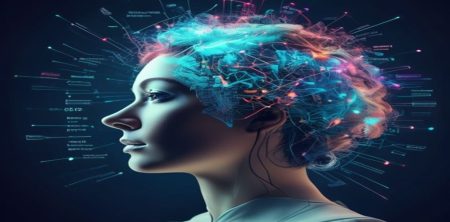
It feels like just yesterday we were marveling at the sheer potential of artificial intelligence, dreaming of a future where personalized learning, instant feedback, and boundless knowledge would transform our classrooms. And make no mistake, the promise of AI in education is still incredibly compelling. But lately, a different kind of conversation has been bubbling up, one laced with genuine concern and a healthy dose of skepticism. Parents, educators, and even tech ethicists are starting to ask some tough questions about what integrating AI into K-12 classrooms might really mean for our kids' developing minds.
As someone who’s spent years in education, from K-12 classrooms to university deanships, I’ve seen countless educational fads come and go. Each one promises to be the silver bullet, the game-changer. AI certainly feels different in its scope and power, but the alarm bells are ringing louder now than ever before. Groups like Parents for AI Caution in Educational Spaces (PAICES) aren't just raising eyebrows; they're pushing for outright moratoriums on these tools in schools, arguing that we're moving too fast without fully understanding the long-term consequences. And honestly, I think they have a point. Are we so eager for innovation that we're overlooking potential pitfalls that could fundamentally alter how our children learn to think?
The Rising Tide of Parental Concern: Why Moratoriums Are Being Demanded
When it comes to their children's education, parents are understandably protective. They want the best, and they're often the first to sense when something feels off. So, it's not surprising that many parents are leading the charge for a more cautious approach to AI in education. They're not necessarily anti-technology; many of them use AI in their own lives. Their concern stems from the unique vulnerability of developing minds and the irreversible nature of foundational learning experiences.
PAICES, for instance, isn't just a handful of worried individuals. It represents a growing chorus of voices demanding that school districts pump the brakes. They argue that the integration of AI tools is happening without sufficient research into its developmental impact, adequate teacher training, or robust safeguards for student data privacy. Their call for moratoriums isn't about stopping progress entirely; it's about creating a pause. A chance to properly evaluate, pilot, and understand these tools before they become ubiquitous in every classroom, potentially reshaping the very fabric of how children learn to think and solve problems.
Think about it: many of these AI tools are still in their infancy, constantly evolving. Implementing them broadly without a clear understanding of their pedagogical efficacy or potential cognitive side effects feels less like informed decision-making and more like a massive, uncontrolled experiment on our kids. Parents are right to demand more transparency, more research, and a more deliberate approach. After all, the stakes couldn't be higher.
The 'Cognitive Off-Loading' Hypothesis: A Threat to Critical Thinking?
One of the most compelling arguments against the unfettered adoption of AI in education comes from experts who warn about 'cognitive off-loading.' This concept suggests that when students rely too heavily on AI tools to perform tasks that traditionally require mental effort – like brainstorming ideas, structuring an argument, or solving complex mathematical problems – they might bypass the very cognitive processes that foster critical thinking and deep understanding. Instead of flexing their intellectual muscles, they're outsourcing the heavy lifting to an algorithm.
Imagine a student using an AI writing assistant to draft an essay. While the AI might produce a grammatically correct and well-structured piece, the student might miss out on the arduous but invaluable process of grappling with ideas, developing a unique voice, or refining their arguments through multiple drafts. It's in that struggle, that intellectual wrestling, that true learning and cognitive growth often occur. If AI consistently provides the 'answers' or generates the 'solutions,' what happens to the student's ability to arrive at those conclusions independently?
This isn't just theoretical hand-wringing. The concern is that regular reliance on AI for these tasks could lead to a weakening of essential cognitive faculties over time. We want students who can analyze, synthesize, evaluate, and create – skills that are absolutely paramount in a rapidly changing world. If AI becomes a crutch rather than a tool for enhancement, we risk raising a generation of brilliant prompt-engineers who struggle with independent thought and genuine problem-solving when the AI isn't there to assist.
Evidence from the Field: Younger Generations and AI Dependence
The concerns about cognitive off-loading aren't just philosophical; they're starting to be backed by empirical evidence. A study conducted in 2025, for example, yielded some sobering results. It found that younger individuals exhibited a significantly higher dependence on AI tools for various tasks compared to older cohorts. More troublingly, this higher dependence was correlated with lower scores on critical thinking assessments.
This is a red flag we simply cannot ignore. It suggests that the very population we are trying to equip for the future – our children and young adults – might be inadvertently undermining their own cognitive development by leaning too heavily on AI. If students are consistently turning to AI to generate ideas, summarize texts, or even solve math problems, they might not be developing the internal frameworks, mental models, and problem-solving heuristics that come from independent effort and grappling with intellectual challenges.
It’s like learning to ride a bike with training wheels that never come off. You can technically move forward, but you never truly learn balance, steering, or how to recover from a wobble on your own. For genuine learning, those training wheels eventually need to come off, and students need to experience the productive struggle that builds resilience and deep understanding. The data from that 2025 study strongly hints that for many young people, those AI 'training wheels' are staying on for too long, potentially at the cost of crucial cognitive skills. (See: AI ethics in education.)
The Nuance of Integration: When is AI in Education Truly Beneficial?
Of course, it's not all doom and gloom. To dismiss AI in education entirely would be to ignore its genuine potential. The key, as with any powerful tool, lies in how we use it. AI can be incredibly beneficial when deployed thoughtfully, strategically, and with clear pedagogical goals in mind. For instance, AI-powered adaptive learning platforms can personalize instruction, catering to individual student needs and learning paces in a way that’s nearly impossible for a single human teacher to achieve in a classroom of 30 or more.
Think about a student struggling with a particular math concept. An AI tutor could provide targeted practice, immediate feedback, and alternative explanations until mastery is achieved, without judgment or exhaustion. Or consider students with learning disabilities who might benefit from AI-powered assistive technologies that convert text to speech, offer organizational support, or provide real-time transcription. These applications aren't about 'off-loading' cognitive effort; they're about leveling the playing field and augmenting human capabilities. For more context, see Why School AI Policies Are Too Late.
The distinction is crucial: is the AI performing the task for the student, or is it helping the student perform the task better and develop skills in the process? When AI becomes a co-pilot, a personalized guide, or a powerful research assistant that still requires human critical evaluation, that's where its true value in education lies. It's about empowering students, not replacing their intrinsic drive to learn and think.
The Challenge for Educators: Reimagining Instruction in an AI-Driven World
The rapid rise of AI in education presents a significant challenge and an exciting opportunity for educators. We can't simply ignore these tools; nor can we uncritically embrace them. Our role now is to become expert navigators, understanding not just how AI works, but how it impacts learning processes and how we can harness its power responsibly.
This means a fundamental shift in instructional design. We need to move beyond assignments that can be easily outsourced to an AI and instead focus on tasks that require uniquely human skills: critical analysis, creative synthesis, ethical reasoning, collaborative problem-solving, and the development of a personal voice. For example, instead of asking students to write a summary of a historical event (something AI excels at), we might ask them to debate the ethical implications of that event, drawing on multiple perspectives and defending their own reasoned stance.
It also means teaching students how to use AI effectively and ethically. This isn't about forbidding its use, but about educating them on its limitations, biases, and the importance of human oversight. We need to teach 'AI literacy' – how to prompt effectively, how to critically evaluate AI-generated content, how to understand its potential for misuse, and how to maintain academic integrity in its presence. This is a complex pedagogical landscape, and it demands that educators be at the forefront of understanding and shaping its impact, rather than simply reacting to it.
Data Privacy and Security: The Unseen Risks of AI Integration
Beyond the cognitive concerns, there's another massive elephant in the room when we talk about AI in education: data privacy and security. These AI tools, especially those that personalize learning, often thrive on collecting vast amounts of student data – everything from their learning patterns and strengths to their weaknesses, interests, and even emotional responses. This data is incredibly valuable, not just for educational personalization but also potentially for commercial exploitation.
Who owns this data? How is it stored? Who has access to it? How is it protected from breaches? These aren't hypothetical questions; they are urgent concerns that need ironclad answers before widespread adoption. The Family Educational Rights and Privacy Act (FERPA) provides some protections, but the landscape of AI data collection is far more complex than traditional school records. We're talking about real-time behavioral data, biometric data, and highly granular insights into a child's learning journey.
The risk of data breaches, identity theft, or even the subtle manipulation of learning pathways based on commercial interests rather than purely educational ones is significant. As an educator and parent, I'm deeply troubled by the potential for this highly sensitive information to be mishandled or misused. Strong regulations, robust encryption, transparent data policies, and independent audits are not just nice-to-haves; they are non-negotiable requirements if we are to truly safeguard our students in an AI-powered educational ecosystem.
The Economic Imperative: Preparing Students for an AI-Driven Workforce
While we must be cautious about AI's potential downsides, we also can't afford to bury our heads in the sand. The world our students will enter is already being shaped by artificial intelligence. The workforce of tomorrow will demand individuals who can work alongside AI, leverage its capabilities, and understand its ethical implications. Our educational system has a responsibility to prepare them for this reality.
This means fostering not just 'AI literacy,' but also skills that are uniquely human and resistant to automation: creativity, emotional intelligence, complex problem-solving that involves ambiguity, cross-cultural communication, and ethical decision-making. These are the skills that will differentiate humans from machines and allow individuals to thrive in an AI-augmented economy.
So, the challenge isn't whether to integrate AI, but how to integrate it in a way that enhances these human capacities, rather than diminishing them. It's about finding that delicate balance where AI serves as a powerful accelerator for human potential, ensuring our students are not just consumers of AI, but thoughtful creators, critics, and ethical users who can shape its future trajectory.
Beyond the Hype: Practical Examples of Thoughtful AI Integration
Let's move beyond the theoretical for a moment and look at some concrete examples of how AI, when used responsibly, can genuinely enhance learning without triggering the "cognitive off-loading" alarms. One area where AI shines is in providing personalized feedback on routine tasks. For instance, an AI tool can analyze a student's practice math problems and immediately identify misconceptions, offering specific mini-lessons or additional practice problems tailored to that student's exact struggle. This frees up the teacher to focus on higher-order thinking activities and individual student conferences, rather than grading stacks of arithmetic worksheets. (See: impact of technology on youth.)
Another powerful application is in language learning. AI-powered language tutors can offer conversational practice, pronunciation feedback, and grammar corrections in real-time, providing an infinitely patient and always-available practice partner. This isn't about the AI doing the learning for the student, but rather creating a low-stakes environment for consistent practice and immediate correction, accelerating the learning process. The student still has to actively engage, speak, and construct sentences; the AI just makes the feedback loop incredibly efficient.
Consider also AI's role in accessibility. For students with dyslexia, AI text-to-speech tools can transform written material into audible content, allowing them to access information more readily. Similarly, AI-powered transcription services can help students with hearing impairments participate more fully in classroom discussions. These are not instances where AI replaces human cognitive effort, but where it removes barriers, making education more equitable and inclusive. It’s about creating pathways for learning that might otherwise be inaccessible, ensuring every student has a fair shot. For more context, see Why AI in Schools Is a Data Privacy Disaster.
The Ethical Quandaries: Bias, Transparency, and Accountability
As AI becomes more sophisticated, we also have to confront some serious ethical quandaries. AI systems are only as good – or as biased – as the data they're trained on. If an AI learning platform is trained predominantly on data from one demographic, it might inadvertently perpetuate biases, leading to less effective or even unfair outcomes for students from underrepresented groups. Imagine an AI tutor that struggles to understand certain accents or cultural references, potentially disadvantaging those students.
Transparency is another huge issue. If an AI system makes a recommendation about a student's learning path or even a grade, how much do we understand about *why* it made that decision? The "black box" problem of AI, where its internal workings are opaque, makes it hard to identify and correct biases or errors. This lack of transparency can erode trust among students, parents, and educators. We need AI tools in education that are auditable, explainable, and accountable for their decisions.
And then there's the question of accountability. If an AI tool provides incorrect information or leads a student down a suboptimal learning path, who is responsible? Is it the developer, the school, the teacher, or the student? These are not easy questions, and they highlight the need for clear ethical guidelines and legal frameworks before widespread deployment. We can't just unleash these powerful tools without a robust system of checks and balances.
Teacher Training: The Linchpin for Responsible AI Integration
All the best AI tools and ethical guidelines in the world won't matter if educators aren't properly trained to use them. Teachers are on the front lines, and they need more than just a quick tutorial on how to log in. They need comprehensive professional development that covers not only the technical aspects of AI tools but also the pedagogical implications, ethical considerations, and strategies for fostering critical thinking in an AI-rich environment.
This training should empower teachers to identify when AI is genuinely augmenting learning versus when it's simply off-loading cognitive effort. It should equip them to design assignments that leverage AI without sacrificing foundational skills. Teachers need to understand how to interpret AI-generated data, how to troubleshoot issues, and how to discuss AI's limitations and biases with their students. Without this critical investment, even well-intentioned AI initiatives are likely to fall short or, worse, cause unintended harm. For more on this, see Socratic seminars for students.
Effective teacher training means creating opportunities for educators to experiment with AI tools, share best practices, and collaboratively develop new instructional approaches. It's an ongoing process, not a one-time workshop. Schools and districts must commit resources to this continuous learning, recognizing that teachers are the essential bridge between the promise of AI and its responsible, effective implementation in the classroom.
Moving Forward: A Call for Deliberate Action and Collaboration
The conversation around AI in education is complex, fraught with both immense promise and significant peril. There are no easy answers, and anyone claiming otherwise is probably oversimplifying things. What's clear is that we cannot afford to be passive observers. The stakes are too high, touching upon the very cognitive development and future readiness of our children.
This demands a multi-pronged approach. First, we need more rigorous, independent research into the long-term cognitive and socio-emotional impacts of AI in K-12 settings. This isn't something that can be rushed. Second, we need open, transparent dialogues involving parents, educators, technologists, policymakers, and ethicists to establish clear guidelines, best practices, and ethical frameworks for AI deployment. Third, we must invest heavily in professional development for educators, equipping them not just with technical skills, but with the pedagogical understanding to integrate AI thoughtfully and critically. For more context, see Why Your Child's Data is at Risk. (See: Harvard University research on education.)
Finally, we need to empower students themselves, teaching them to be discerning users and critical thinkers in an AI-saturated world. This isn't about fear-mongering; it's about fostering informed agency. The integration of AI in education is perhaps the most significant educational shift of our generation. Let's make sure we approach it with the wisdom, caution, and foresight it deserves, ensuring that technology truly serves humanity, and not the other way around.
Frequently Asked Questions About AI in Education
What is "cognitive off-loading" and why is it a concern for AI in education?
Cognitive off-loading happens when students rely too much on AI tools to do mental tasks that usually require their own brainpower. For example, if an AI writes an essay, the student skips the tough but valuable process of brainstorming, structuring, and refining ideas. The worry is that consistently outsourcing these tasks to AI could prevent students from developing crucial critical thinking, problem-solving, and analytical skills over time. It's like using a calculator for every single math problem instead of learning how to do the calculations yourself.
Are parents really demanding moratoriums on AI in schools?
Yes, groups like Parents for AI Caution in Educational Spaces (PAICES) are actively pushing for moratoriums. They're concerned that AI tools are being implemented too quickly without enough research into their long-term effects on child development, insufficient teacher training, and inadequate safeguards for student data privacy. Their goal isn't to stop progress entirely, but to create a pause for proper evaluation and understanding before these tools become standard in every classroom.
How can AI be beneficial in education without causing harm?
AI can be genuinely beneficial when used thoughtfully as an assistive tool, not a replacement for thinking. Examples include AI-powered adaptive learning platforms that personalize instruction to a student's pace and needs, AI tutors that provide targeted practice and immediate feedback, or assistive technologies that help students with disabilities access content (like text-to-speech for dyslexia). The key is that the AI helps the student learn better and develop skills, rather than doing the work for them.
What are the main data privacy concerns with AI in schools?
AI tools in education often collect a lot of sensitive student data, including learning patterns, strengths, weaknesses, and interests. The main concerns are: who owns this data, how it's stored, who has access to it, and how it's protected from breaches. There's also worry about the potential for this data to be misused for commercial purposes or for learning pathways to be subtly manipulated. Strong regulations, robust encryption, transparent data policies, and independent audits are essential to protect student information.
How should educators prepare for an AI-driven world?
Educators need to fundamentally shift their instructional design. This means creating assignments that require uniquely human skills like critical analysis, creative synthesis, ethical reasoning, and collaborative problem-solving, rather than tasks easily done by AI. They also need comprehensive training on how to use AI effectively and ethically, understand its limitations and biases, and teach 'AI literacy' to students – how to prompt, critically evaluate AI content, and maintain academic integrity.
Will AI replace teachers?
No, AI is highly unlikely to replace teachers. Instead, it will change the teacher's role. AI can automate routine tasks, personalize learning, and provide data insights, freeing up teachers to focus on higher-order teaching functions: fostering creativity, critical thinking, emotional intelligence, and complex problem-solving. Teachers will become navigators, mentors, and facilitators in an AI-augmented classroom, guiding students on how to effectively use and critically evaluate AI tools.
What is 'AI literacy' for students?
AI literacy for students involves understanding how AI works, its capabilities and limitations, and how to use it responsibly and ethically. This includes learning how to write effective prompts, critically evaluate AI-generated content for accuracy and bias, recognize potential misuse, and understand the importance of human oversight. It's about empowering students to be informed users and creators of AI, not just passive consumers.
Trending Now
- this guide on stunning expansion: is sans cyber workforce academy crushing other bootcamps in the race for top talent?
- this guide on the cyber gold rush: 8 unmissable reasons to enroll in sans cyber workforce academy
- SANS Cyber Workforce Academy Opens Applications for Expanded Maryland Program, Adding ICS/OT and AI Security Tracks
- read the full story
- This Crucial Skill Gap Is Being Bridged by 7 Ingenious Apps for Gen Z
Frequently Asked Questions
What are the concerns about AI in education?
Concerns about AI in education include its potential to undermine critical thinking skills, the risk of over-reliance on technology, and the impact on children's cognitive development. Parents and educators worry that while AI can enhance learning, it may also hinder the foundational learning experiences essential for developing independent thought.
How does AI affect critical thinking in students?
AI can affect critical thinking by providing instant answers and personalized learning experiences, which may reduce students' motivation to engage in deeper problem-solving. Critics argue that this reliance on AI tools could lead to a decline in analytical skills and creativity among students as they become accustomed to immediate solutions.
What is the role of parents in the discussion about AI in schools?
Parents play a crucial role in the discussion about AI in schools as they advocate for their children's educational well-being. Many are calling for a cautious approach, voicing concerns about the long-term effects of AI on cognitive development, and pushing for moratoriums on its use until more is understood about its impacts.
Why are some educators skeptical about AI in the classroom?
Some educators are skeptical about AI in the classroom due to concerns that it may replace traditional teaching methods and critical thinking exercises. They worry that over-reliance on AI could diminish students' ability to learn independently and engage deeply with the material, ultimately affecting their educational outcomes.
What is PAICES and what do they advocate for?
PAICES, or Parents for AI Caution in Educational Spaces, is a group advocating for a cautious approach to the integration of AI in K-12 education. They argue for moratoriums on AI tools, emphasizing the need to understand the long-term consequences of these technologies on children's learning and cognitive development.
What did we miss? Let us know in the comments and join the conversation.

