```html
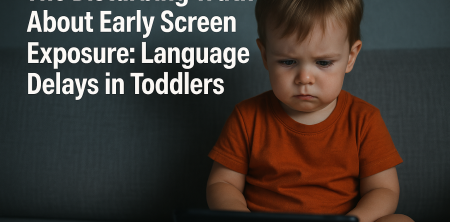
As a parent, you may have found yourself navigating the overwhelming landscape of advice when it comes to toddlers and screens. New research is turning that advice on its head, revealing some startling truths about early screen exposure and its potential impact on language development. A study published in the Journal of Pediatric Development has exposed a critical link between excessive screen time in toddlers and delayed language acquisition, raising urgent questions for parents everywhere.
1. The Study’s Key Findings
Conducted by Dr. Sarah Chen and her team at Stanford Children's Health, the study analyzed data from 1,200 families to assess how early screen exposure affects language development. The results are concerning: toddlers who were exposed to more than two hours of screen time daily before the age of two experienced a staggering 40% delay in language acquisition compared to their peers who had limited exposure. This alarming statistic challenges the widely held belief that educational apps and shows contribute positively to a child's growth.
The researchers made a crucial distinction between types of screen exposure. It appears that passive viewing—watching videos or shows—was primarily responsible for language delays, as opposed to interactive content that engages toddlers in more meaningful ways. This finding suggests that simply providing educational material on screens may not be enough to counterbalance the negative effects of excessive viewing.
2. Understanding Language Development in Toddlers
To grasp the implications of these findings, it's essential to understand the developmental milestones associated with language acquisition in toddlers. Between the ages of 1 and 3, children typically experience rapid growth in their vocabulary and speech skills. Engaging in conversations, reading books, and even the sound of everyday life are critical for developing these skills. Early screen exposure toddlers often miss out on these vital interactions, which are necessary for fostering their language abilities.
Language development isn't just about vocabulary; it also encompasses the understanding of communication cues, emotional expression, and social interaction. When toddlers spend excessive time in front of screens, they may not receive the rich language input they need, thereby hindering their overall communication skills. This, in turn, can lead to struggles in social settings and learning environments later on.
3. The Passive vs. Interactive Dilemma
One of the most eye-opening aspects of Dr. Chen's study is the distinction made between passive and interactive screen time. The findings suggest that while toddlers might engage with educational programs or apps, merely watching content without interaction still poses risks. Passive screen time doesn't facilitate the same level of engagement that real-life interactions do. Interactive content—such as educational games that require kids to respond, speak, or even move—can be more beneficial when used in moderation.
This leads to a critical question for parents: how do you balance the use of screens with the need for active engagement? Experts recommend that if screen time is included in a child’s routine, it should be accompanied by discussions and interactions with caregivers. Instead of just allowing kids to watch, parents should ask questions about what they see and encourage them to explain things in their own words, thus enhancing their language skills while using screens.
4. The "Fear of Missing Out" Phenomenon
In the age of social media, parents often feel the pressure to ensure their toddlers are keeping up with peers. This 'fear of missing out' on critical developmental windows can lead to increased screen exposure, as parents worry that their children will fall behind if they aren't engaging with the latest educational apps or videos. The stunning statistic that children with excessive screen time face a 40% delay in language acquisition only amplifies these fears.
However, this mindset can be counterproductive. Instead of solely relying on screens, parents might be better served by prioritizing direct interactions, storytelling, and hands-on activities that promote language use. It’s important to remember that toddlers thrive on sensory experiences and active engagement, which are often lacking in screen time.
5. Practical Screen Time Guidelines for Parents
With this study in mind, parents are left seeking effective guidelines to manage screen time for their toddlers. The American Academy of Pediatrics has set forth recommendations, suggesting that children aged 18 months to 24 months should avoid screen time altogether, except for video chatting. For children aged 2 to 5, they recommend limiting screen time to one hour per day of high-quality programming, ideally viewed together with a parent or caregiver. (See: CDC on screen time and children.) impact on language skills offers useful background here.
These guidelines emphasize the importance of co-viewing, as it allows parents to discuss content and make learning a more interactive experience. Engaging with your child during screen time not only enhances their understanding but also supports their language development in a way that passive viewing cannot.
6. Creating a Balanced Environment
As parents navigate the complexities of early screen exposure toddlers face, it’s vital to create a balanced environment that prioritizes interactive and sensory-rich experiences. Limiting screen time is just one component; integrating diverse activities into daily routines can contribute significantly to a child's development. Activities like reading, playing with blocks, and engaging in outdoor play not only promote language skills but also foster creativity and critical thinking.
Moreover, consider the content your child is exposed to. Opt for programs that encourage interaction and provide opportunities for discussion. Look for media that features diverse characters and relatable stories, as these can help children connect language with real-life experiences, further enhancing their vocabulary and comprehension. This builds on animation's role in learning.
7. The Role of the Community and Support Systems
As this research gains traction, the role of community and support systems becomes increasingly significant. Parenting groups, early childhood educators, and healthcare providers can play crucial roles in educating families about the potential impacts of early screen exposure. Workshops and seminars can provide parents with strategies to engage their toddlers in language-enriching activities outside of screens.
Additionally, online platforms can serve as powerful tools for parents seeking advice and support. Sharing experiences, tips, and resources in parenting forums or social media groups can foster a sense of community and help alleviate the pressures that come with screen time decisions. It’s essential to create an environment where parents feel informed, supported, and empowered to make choices that promote their child's healthy development.
8. The Future of Screen Use in Early Childhood
Looking ahead, the implications of Dr. Chen’s study may prompt a reevaluation of how screens are integrated into early childhood experiences. As more research emerges, it will be critical for parents to stay informed about best practices and recommendations surrounding early screen exposure. The challenge lies in finding a balance that embraces technology's benefits while minimizing potential harm.
Educators and healthcare professionals will likely need to collaborate on developing educational materials that guide parents in making informed decisions regarding screen use. By fostering an understanding of both the risks and benefits, parents can create a thoughtful approach to screen time that aligns with their child's developmental needs.
9. Final Thoughts: Navigating the Screen Time Debate
The conversation around early screen exposure toddlers face is evolving. Dr. Chen's study has provided valuable insights into the possible repercussions of excessive screen time on language development. In a world increasingly dominated by technology, it’s essential for parents to remain vigilant, informed, and proactive in shaping their child's screen time experiences.
Ultimately, it’s about finding a balance that works for your family. Prioritize interactive, engaging activities that support language development, and don’t hesitate to step back from screens when necessary. By taking intentional steps, you can ensure that your toddler thrives in their communication skills, setting a strong foundation for their future.
10. Understanding Screen Time in Context
It’s crucial to view early screen exposure toddlers experience within the larger context of childhood development. Screens are now a part of daily life, and children are exposed to them even outside the home environment. For instance, many preschools and daycare centers incorporate technology into their curriculum. Understanding how these environments utilize screens can help parents mitigate potential negative effects.
There’s also a growing discussion regarding the types of content toddlers are exposed to. The market for educational apps and shows has expanded dramatically. Some studies show that high-quality programming specifically designed for toddlers can indeed be beneficial when integrated appropriately into their routines. For instance, shows that promote engagement through song, dance, or interactive questions can stimulate language development more effectively than passive viewing. (See: NIH on effects of screen time.) There's a fuller look at understanding screen time issues.
11. The Role of Parental Engagement
Research indicates that parental engagement plays a significant role in how toddlers process screen time. Active participation and interaction during screen time, such as asking questions and encouraging discussions about the content, can mitigate the risks associated with passive viewing. Parents should aim to co-view and engage with their children, turning screen time into an opportunity for learning rather than just passive consumption.
One interesting finding from various studies is that toddlers who watched educational programming with a parent were more likely to retain information and apply it in real-world contexts. This suggests that parental feedback and interaction are crucial components of how effectively children learn from screens.
12. Statistics on Screen Time Trends
According to the American Academy of Pediatrics, over 50% of children under the age of 2 have regular access to a mobile device. By the age of 4, children are spending an average of 2 hours a day on screens, a figure that has increased significantly over the last decade. Alarmingly, studies show that the use of screens can start as early as 6 months in some households.
These statistics highlight a trend that may have profound implications for future generations. As technology continues to evolve and integrate into daily life, understanding these patterns can be essential for parents looking to navigate the digital landscape for their toddlers. It’s not just about limiting screen time; it's about being informed about how and when screen time is integrated into a child's life.
13. Expert Perspectives on Early Screen Exposure
Experts in child development stress the importance of moderation and content quality when it comes to screen exposure. Dr. Linda Harrison, a pediatric psychologist, emphasizes that, “It's not about eliminating screens altogether but rather teaching children how to use them wisely.” She advocates for an approach where screens are tools for learning, provided they are used in a balanced manner along with other activities.
Similarly, Dr. James Lawson, a speech-language pathologist, notes that, “Parents should focus on enriching their child's environment through diverse learning experiences. Screens can be beneficial, but they should never replace essential interactions with caregivers and peers.” His perspective underscores the need for parents to remain proactive in providing engaging, language-rich experiences for their toddlers.
14. Common Concerns Parents Have About Screen Time
Many parents are concerned about the implications of early screen exposure on their child's health and development. Here are some common questions and concerns:
- Will screen time affect my child's attention span? Some studies suggest that excessive screen time may lead to shorter attention spans. Engaging toddlers in activities that require focus and patience can help counteract this effect.
- Can screen time support language development? High-quality educational programming can support language development, but it should be complemented with real-life interactions and discussions.
- How can I ensure my child is watching appropriate content? Parents should preview shows and apps, looking for age-appropriate content that encourages interaction and learning.
- Is it okay for my child to use screens for entertainment? While some entertainment is fine, it’s important to balance it with educational content and hands-on activities that promote learning and language skills.
15. Creating a Screen Time Plan
To effectively manage early screen exposure toddlers face, creating a screen time plan can be beneficial. Here are some steps parents can take:
- Set clear limits: Determine how much screen time is appropriate for your child and establish a routine that includes both screen time and other activities.
- Choose quality content: Research and select educational programs that enhance learning and engagement.
- Engage with your child: Make screen time interactive by asking questions and discussing what they watch or play.
- Encourage other activities: Integrate regular reading, outdoor play, and creative activities into your daily routine.
- Stay informed: Keep up with new research and recommendations regarding screen use and child development.
16. Resources for Parents
Parents looking for guidance on managing screen time can find a wealth of resources available online. Organizations like the American Academy of Pediatrics provide updated guidelines and resources related to screen time and child development. Websites such as Common Sense Media also offer reviews of media content, helping parents make informed choices about what their children are watching.
In addition, local community centers and libraries often host workshops on child development, parenting strategies, and effective screen time management. Connecting with other parents through local parenting groups can also provide valuable support and shared experiences.
17. Long-term Effects of Screen Exposure
Understanding the long-term impacts of early screen exposure is crucial for parents. While immediate effects, such as language delays, are concerning, there are also potential long-term developmental issues that can arise. Studies have indicated that toddlers exposed to high levels of screen time may show increased risks for attention-related issues, social difficulties, and even obesity later in childhood due to reduced physical activity. For more on this, see screen time insights from The Ed Advocate.
For instance, a study published in Child Development found that children who engaged in excessive screen time had a higher chance of displaying behavioral problems and lower academic performance by the time they reached elementary school. It serves as a reminder that the implications of early screen exposure can resonate far beyond toddlerhood.
18. Interactive Alternatives to Screen Time
Finding engaging alternatives to screen time is key to fostering language and cognitive development in toddlers. Consider activities that naturally draw children into conversation and interaction. Here are some examples:
- Storytelling Sessions: Encourage toddlers to invent their own stories or retell familiar tales using puppets or toys. This promotes creativity and language skills.
- Art Projects: Engaging in art, whether it’s painting, drawing, or crafting, allows for expression and can lead to discussions about colors, shapes, and even emotions.
- Outdoor Exploration: Nature walks or visits to parks can stimulate curiosity. Ask open-ended questions about what they see, hear, or feel to enhance their vocabulary.
- Music and Dance: Singing songs or dancing together not only makes learning fun but also integrates rhythm and language, enhancing cognitive development.
19. Incorporating Technology Wisely
As technology becomes increasingly intertwined with daily life, incorporating it wisely can benefit toddlers. For example, using educational apps that require active participation can turn screen time into a learning opportunity. Apps like “Endless Alphabet” or “Starfall” encourage interaction through games that promote vocabulary building and phonics skills.
Furthermore, technology can also serve as a bridge for communication, especially for families who live far apart. Video calls with grandparents or family members can enhance social bonds and create meaningful interactions for toddlers. The key is to ensure these uses of technology are balanced with physical activities and direct interpersonal interactions.
20. FAQs on Early Screen Exposure
Here are some frequently asked questions that parents often have regarding early screen exposure and its effects:
- What age is appropriate to introduce screens to my toddler? Experts recommend that children under 18 months avoid screens, except for video chatting. After 18 months, parents can introduce high-quality programming.
- How can I make screen time educational? Choose programs that promote interaction, such as those that ask questions or require responses, and always engage in discussions afterward.
- What should I do if my child is resistant to non-screen activities? Gradually introduce activities that capture their interest, like interactive games or hands-on projects that relate to their favorite shows.
- Is it okay to use screens as a babysitting tool? While it might be tempting, it’s crucial to limit screen time and substitute with more enriching experiences whenever possible.
By understanding the nuances of early screen exposure, parents can make informed decisions that promote healthy development while navigating a screen-filled world.
```
Trending Now
Frequently Asked Questions
What are the effects of screen time on toddlers' language development?
Excessive screen time in toddlers, particularly over two hours daily before age two, has been linked to a 40% delay in language acquisition. Passive viewing, such as watching videos, negatively impacts language skills more than interactive content.
How much screen time is safe for toddlers?
Experts recommend limiting screen time for toddlers to less than two hours per day. It's crucial to prioritize interactive and engaging content over passive viewing to support healthy language development.
What types of screen exposure affect language acquisition?
The study highlights that passive viewing, like watching TV shows or videos, is primarily responsible for language delays in toddlers, while interactive content that encourages engagement can have a more positive impact.
What is the critical age for language development in toddlers?
Language development in toddlers is most rapid between the ages of 1 and 3. During this period, engaging in conversations and reading is essential for vocabulary and speech skill growth.
Can educational apps help with language delays in toddlers?
While educational apps may seem beneficial, the study indicates that they do not counteract the negative effects of excessive screen time. Interactive engagement is key to fostering better language acquisition.
Agree or disagree? Drop a comment and tell us what you think.

