```html
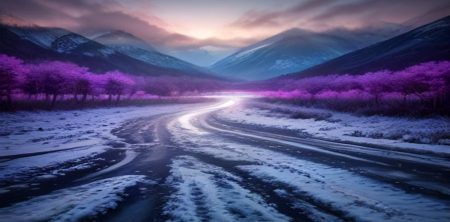
For years, the quintessential image of luxury travel conjured up visions of sun-drenched yachts off the Amalfi Coast, exclusive villas in Tuscany, or perhaps a private safari in the Serengeti. These iconic destinations, while undeniably alluring, have become victims of their own success, increasingly grappling with over-tourism and the erosion of that coveted sense of exclusivity. But something dramatic is shifting in the world of high-end tourism. Recent booking data from 2026 reveals a fascinating and, frankly, quite unprecedented trend: a significant pivot away from these traditional warm-weather havens towards the crisp, untouched expanses of the Nordic and Arctic regions. It's what industry insiders are calling the 'cold rush,' and it's fundamentally redefining what luxury arctic travel means for the discerning traveler.
This isn't just a fleeting fad; it's a profound re-evaluation of what constitutes a truly premium experience. Wealthy travelers, it seems, are no longer content with merely being pampered in predictable settings. They're actively seeking out destinations that offer genuine solitude, unparalleled natural beauty, and a sense of discovery that feels increasingly rare in our hyper-connected world. The allure of untouched wilderness, the ethereal dance of the Northern Lights, and the thrill of exploring remote landscapes are proving irresistible. But this exciting new frontier for luxury travel isn't without its complexities, particularly concerning the ever-present debate around genuine sustainability versus mere 'greenwashing.' Let's dive into this intriguing new chapter of high-end exploration.
The Great Escape: Why Travelers Are Fleeing the Crowds
Think back to peak summer in destinations like Santorini or Venice. Crowds, queues, and the constant jostle for a photo opportunity often diminish the very experience you paid so handsomely for. This is precisely the scenario that high-end travelers are now actively avoiding. The 'cold rush' is, at its heart, a quest for uncrowded authenticity. Imagine swapping the packed promenades of the French Riviera for the silent majesty of a Greenlandic fjord, or trading a bustling resort for a secluded, ultra-private lodge nestled amidst the snow-capped peaks of Norway. This shift isn't just about escaping people; it's about reclaiming a sense of personal space and intimacy with the destination itself.
The desire for truly unique experiences also plays a massive role. While a Mediterranean cruise or a Parisian shopping spree remains delightful, they've become, for some, almost too commonplace. The Arctic, by contrast, offers a canvas of experiences that are inherently extraordinary: dog sledding across vast glaciers, spotting polar bears in their natural habitat, kayaking among icebergs, or simply watching the aurora borealis paint the night sky in vibrant hues. These are not experiences you can replicate anywhere else, and that exclusivity is a powerful draw for those who've 'done' the usual luxury circuit and are now craving something profoundly different. It's about collecting stories, not just souvenirs.
Greenland: The Unexpected New 'It' Destination for Luxury Arctic Travel
When you picture a bucket-list destination, Greenland might not have immediately sprung to mind a decade ago. But fast forward to 2026, and this vast, ice-covered island is rapidly emerging as a top contender for high-end adventurers. Its appeal lies in its sheer untouched wildness and the promise of an experience that feels genuinely pioneering. Unlike more developed Nordic countries, Greenland offers a raw, unfiltered encounter with nature that is increasingly difficult to find.
The infrastructure for luxury arctic travel in Greenland, while growing, remains intentionally low-key, focusing on intimate, high-end expedition cruises and boutique lodges that blend seamlessly into the environment. Travelers aren't looking for sprawling resorts here; they're seeking exclusive access to remote fjords, opportunities to witness calving glaciers up close, and cultural immersion with the Inuit communities. The very challenge of getting to some of these remote outposts adds to their allure, signaling an adventure that is truly off the beaten path. This isn't mass tourism; it's bespoke exploration for those who value solitude above all else.
The Rise of Ultra-Private Lodges and Expedition Cruises
The 'cold rush' isn't just about *where* people are going, but *how* they're experiencing it. The demand for ultra-private lodges and small-group expedition cruises has skyrocketed. Forget the mega-ships; these are bespoke vessels designed for navigating icy waters, often equipped with Zodiacs for shore landings and expert naturalists on board. They offer an unparalleled level of comfort and service, combined with an intimate connection to the environment.
Similarly, the concept of the 'private lodge' in the Arctic is evolving. These aren't just hotels; they're often architectural marvels designed to maximize views of the surrounding wilderness, featuring amenities like private saunas, outdoor hot tubs, and gourmet dining focused on local ingredients. The focus is on creating a sanctuary where guests can truly disconnect, recharge, and immerse themselves in the silence and beauty of their surroundings. Imagine waking up to a panoramic view of snow-dusted mountains or the tranquil expanse of a frozen lake, with no sound but the whisper of the wind. That's the kind of unparalleled luxury these establishments are delivering.
The Sustainability Conundrum: A Greenwashing Minefield
As the 'cold rush' gains momentum, it brings with it an increasingly urgent and complex debate: greenwashing. In an era where environmental consciousness is paramount, luxury travel brands are eager to market their offerings as 'eco-friendly,' 'sustainable,' and 'responsible.' However, regulators like the Advertising Standards Authority (ASA) are no longer accepting vague platitudes. They are demanding concrete, evidence-backed claims, and the industry is feeling the heat.
The tension here is palpable. On one hand, luxury arctic travel, by its very nature, often involves a smaller footprint per traveler than mass tourism, focusing on bespoke experiences rather than volume. On the other hand, the carbon cost of flying to remote Arctic destinations, operating expedition vessels, and constructing lodges in pristine environments is undeniable. Brands are now under immense pressure to demonstrate genuine commitment to sustainability, from reducing carbon emissions and managing waste to supporting local communities and conserving fragile ecosystems. Simply slapping an 'eco-friendly' label on a brochure won't cut it anymore; consumers and regulators are demanding transparency and accountability. (See: shifts in luxury travel trends.)
Navigating the Regulatory Scrutiny: What Brands Must Prove
The ASA's increased vigilance means that travel companies can no longer get away with generic statements about their environmental credentials. If a luxury arctic travel operator claims to be carbon neutral, they need to show verifiable carbon offsetting programs or demonstrate significant reductions in their operational emissions. If they tout their support for local communities, they must provide evidence of fair wages, local sourcing, and community development initiatives.
This level of scrutiny forces brands to invest in genuine sustainable practices, rather than just marketing spin. It encourages innovation in areas like renewable energy for lodges, advanced waste management systems on ships, and robust conservation programs. For the consumer, this is a positive development, as it helps distinguish truly responsible operators from those merely jumping on the green bandwagon. It also pushes the entire industry towards a more ethical and accountable future, which is crucial for preserving the very destinations that are now attracting so much attention.
Beyond Carbon: The Broader Spectrum of Arctic Sustainability
While carbon emissions are often the headline concern, true sustainability in luxury arctic travel encompasses a much broader spectrum. It involves protecting incredibly fragile ecosystems that are particularly vulnerable to climate change and human impact. This means strict adherence to 'leave no trace' principles, managing visitor numbers to prevent erosion or disturbance to wildlife, and educating travelers on responsible behavior in sensitive environments.
Furthermore, supporting local Indigenous communities is a critical component. Sustainable tourism should empower these communities, providing economic opportunities while respecting their culture, traditions, and ancestral lands. This might involve hiring local guides, purchasing local crafts, or investing in community-led conservation projects. It’s about ensuring that the benefits of tourism are shared equitably and that the unique cultural heritage of the Arctic is preserved for future generations, not simply exploited for a fleeting experience.
Investment Opportunities in Ethical Eco-Tourism
The shift towards ethical, sustainable luxury arctic travel isn't just a challenge for existing brands; it's creating significant new investment opportunities. Savvy investors are recognizing the long-term value in companies that are genuinely committed to environmental stewardship and social responsibility. This includes everything from innovative eco-lodge developments that utilize sustainable building materials and renewable energy, to expedition cruise lines investing in hybrid-electric vessels and robust conservation programs.
There's also growing interest in technologies that can reduce the environmental footprint of travel, such as sustainable aviation fuels or advanced waste treatment systems for remote locations. For those looking to align their financial portfolios with their values, the burgeoning market for ethical eco-tourism, particularly in the Arctic, presents a compelling proposition. It’s a chance to invest in a future where luxury and responsibility can coexist, driving positive change while delivering unique experiences.
The Future of Luxury Arctic Travel: A Delicate Balance
The 'cold rush' marks an exciting, albeit complex, evolution in luxury travel. It signifies a growing appreciation for untouched wilderness, authentic experiences, and genuine solitude. Destinations like Greenland, once considered too remote, are now at the forefront of high-end exploration, offering a stark contrast to the overcrowded hotspots of yesteryear.
However, this burgeoning interest places an even greater responsibility on the industry to uphold the highest standards of sustainability. The delicate balance between providing unparalleled luxury and preserving the pristine Arctic environment will define the success and longevity of this trend. Brands that embrace true transparency, invest in verifiable sustainable practices, and genuinely engage with local communities will be the ones that thrive. As travelers increasingly seek meaningful journeys over mere indulgence, the Arctic stands ready to deliver, provided we approach its wonders with respect, care, and an unwavering commitment to its preservation.
Understanding the Arctic's Fragile Ecosystems
The allure of luxury Arctic travel is undeniable, but it's crucial to understand the delicate balance that exists within these unique ecosystems. The Arctic isn't just a cold place; it's a vibrant, interconnected web of life adapted to extreme conditions. Small changes can have massive ripple effects. For example, the melting of sea ice, driven by climate change, directly impacts polar bear populations, which rely on the ice for hunting seals. This isn't some distant problem; it's happening right now, in the very places travelers are eager to see.
Beyond the iconic polar bear, the Arctic is home to a surprising diversity of flora and fauna. There are migratory birds that travel thousands of miles to breed in the brief Arctic summer, unique marine mammals like narwhals and belugas, and specialized plant life that thrives in permafrost soils. Introducing even small disturbances, like noise pollution from vessels or improper waste disposal, can disrupt breeding cycles, feeding patterns, and the overall health of these fragile populations. Responsible operators understand this and implement strict protocols, such as minimum approach distances for wildlife and designated landing sites, to minimize their impact. It's about being a respectful guest in nature's most exclusive preserve.
The Role of Indigenous Knowledge in Sustainable Arctic Tourism
When we talk about sustainability in the Arctic, we can't overlook the invaluable role of Indigenous communities. People like the Inuit in Greenland and Canada, the Sámi in Scandinavia, and various groups in Siberia and Alaska have lived in harmony with the Arctic environment for thousands of years. They possess an unparalleled depth of knowledge about the land, its wildlife, and its delicate rhythms. This traditional ecological knowledge (TEK) is a treasure trove for truly sustainable tourism. (See: exploring the Northern Lights.)
Integrating Indigenous perspectives means more than just hiring local guides; it means actively collaborating with communities on tour development, conservation strategies, and benefit-sharing models. For instance, an expedition cruise might partner with an Inuit village to offer authentic cultural experiences that are managed and controlled by the community itself, ensuring respect for traditions and fair compensation. This approach moves beyond mere observation to genuine cultural exchange, providing travelers with a richer, more meaningful understanding of the region while empowering the people who call it home. Ignoring this knowledge would be a missed opportunity, both for sustainability and for enriching the traveler's experience.
The Technological Edge: Innovation in Cold Weather Exploration
Luxury Arctic travel isn't just about rustic charm; it's increasingly about cutting-edge technology designed for comfort, safety, and minimal environmental impact. Think beyond just heated cabins. Modern expedition ships often incorporate advanced propulsion systems, like hybrid-electric engines, that significantly reduce emissions and noise, protecting marine life. Some even feature dynamic positioning systems, allowing them to hold their position without dropping anchor, thus safeguarding delicate seabed ecosystems.
On land, eco-lodges are at the forefront of sustainable design. We're seeing innovations like passive house principles for extreme cold, geothermal heating, solar panels optimized for low-light conditions, and advanced wastewater treatment plants that return clean water to the environment. Specialized equipment for guests also plays a role, from high-performance, sustainably sourced outerwear to silent electric snowmobiles that offer a pristine wilderness experience without the roar of traditional engines. This technological integration demonstrates that luxury and responsibility can indeed go hand-in-hand, pushing the boundaries of what's possible in sensitive environments.
Comparing Arctic Luxury: Greenland vs. Norway vs. Svalbard
While the "cold rush" points to a general trend, the Arctic itself offers diverse experiences. Let's quickly compare three popular luxury Arctic travel destinations:
- Greenland: As mentioned, Greenland is the epitome of raw, untouched wilderness. It's about vast ice caps, massive fjords, and a profound sense of isolation. Luxury here often means small, bespoke expedition cruises, remote lodges accessible only by helicopter or boat, and deep cultural immersion with Inuit communities. Infrastructure is minimal, which adds to its pioneering appeal. You're going for the sheer scale of nature and the feeling of being truly off-grid.
- Norwegian Arctic (e.g., Svalbard, Lofoten, Tromsø): Norway offers a more developed, yet still breathtaking, Arctic experience. Svalbard, a Norwegian archipelago, is a prime spot for polar bear viewing and dramatic glacial landscapes, often accessed via slightly larger but still luxurious expedition vessels. The Lofoten Islands, though further south, offer stunning coastal scenery, charming fishing villages, and world-class culinary experiences, often with boutique hotels and private yacht charters. Tromsø acts as a gateway city, providing easier access and more established amenities, combining aurora viewing with cultural attractions. Norwegian luxury often blends high design with nature, offering more creature comforts and easier logistics.
- Finnish Lapland: While not strictly Arctic Ocean, Finnish Lapland offers a distinct luxury Arctic experience focused on snow, forests, and unique accommodations. Think glass igloos for aurora viewing, designer wilderness cabins, and experiences centered around Sámi culture, reindeer sledding, and husky safaris. It's a more curated, often family-friendly, luxury experience that emphasizes cozy comfort and magical winter wonderland vibes.
Each destination provides a unique flavor of luxury Arctic travel, catering to slightly different preferences while all delivering on the promise of extraordinary, cold-weather adventure.
The Psychological Benefits of Arctic Solitude
Beyond the visual spectacle, there's a profound psychological draw to the Arctic's solitude. In our increasingly noisy, always-on world, the chance to truly disconnect and immerse oneself in silence is a rare luxury. The vast, empty landscapes, the hushed fall of snow, the quiet majesty of icebergs – these elements combine to create an environment conducive to introspection and mental rejuvenation. Studies have shown that spending time in nature, particularly in serene, wild settings, can significantly reduce stress, improve mood, and even boost cognitive function.
Luxury Arctic travel offers a unique opportunity for this kind of digital detox and mental reset. With limited connectivity in many remote areas, travelers are almost forced to put down their phones and truly engage with their surroundings. This can lead to a deeper appreciation for nature, a renewed sense of perspective, and a feeling of peace that's hard to find in everyday life. It's not just about seeing incredible things; it's about feeling incredible things, too.
FAQ: Your Guide to Luxury Arctic Travel
What is the best time of year for luxury Arctic travel?
It really depends on what you want to experience!
- Summer (June-August): Best for wildlife viewing (polar bears, whales, seabirds), hiking, kayaking, and experiencing the Midnight Sun. Sea ice has receded, allowing access to more areas.
- Autumn (September-October): Transitional season, good for autumn colors in sub-Arctic regions, fewer crowds, and the start of the Northern Lights season.
- Winter (November-March): Prime time for Northern Lights viewing, dog sledding, snowmobiling, and experiencing a true winter wonderland. Temperatures are very cold, and days are short.
- Spring (April-May): Still good for winter activities, but with increasing daylight and temperatures. A good shoulder season option.
What kind of clothing do I need for a luxury Arctic trip?
Layering is key! High-quality thermal base layers, warm mid-layers (fleece or down), and a waterproof, windproof outer shell are essential. Don't forget warm socks, waterproof insulated boots, gloves or mittens, a warm hat, and a scarf or neck gaiter. Many luxury operators provide specialized outer gear for excursions, but you'll need your own base and mid-layers. Think warmth and protection from wind and moisture. (See: impact of tourism on Arctic regions.)
Is Wi-Fi available in remote Arctic luxury lodges and expedition cruises?
Connectivity varies widely. Many luxury lodges and expedition cruises offer Wi-Fi, often satellite-based, but it can be slower, less reliable, and sometimes costly compared to what you're used to. In very remote areas, you might have no connectivity at all. This is often seen as a feature, not a bug, encouraging guests to disconnect and immerse themselves. fun facts about the Northern Lights offers useful background here.
Are luxury Arctic trips suitable for families with children?
Some are, yes! Many expedition cruise lines offer dedicated family departures with age-appropriate activities and educational programs. Certain lodges also cater to families. However, due to the extreme conditions and expeditionary nature, it's generally more suitable for older children or teenagers who can appreciate the environment and handle longer excursions. Always check with the specific operator about their family policies and recommended age limits.
What wildlife can I expect to see?
The Arctic is teeming with wildlife! Depending on the region and season, you might see polar bears, various species of whales (humpback, minke, beluga, narwhal), seals (ringed, bearded, harp), walruses, Arctic foxes, reindeer/caribou, and a vast array of migratory birds. Wildlife sightings are never guaranteed, but experienced guides significantly increase your chances.
Is Arctic luxury travel safe?
Yes, reputable luxury Arctic travel operators prioritize safety above all else. They employ highly trained staff, adhere to strict international safety regulations, and use state-of-the-art equipment. Medical facilities on expedition ships are common, and guides are experts in cold-weather survival and wilderness first aid. However, it's still an expeditionary environment, and travelers should always follow guide instructions and be prepared for variable conditions.
How can I ensure my luxury Arctic trip is sustainable?
Look for operators who:
- Have clear, transparent sustainability policies backed by verifiable data.
- Are certified by recognized eco-tourism organizations.
- Invest in local communities (hiring, sourcing, cultural exchange).
- Use energy-efficient vessels/lodges and have robust waste management.
- Adhere to strict wildlife viewing guidelines and 'leave no trace' principles.
- Educate guests on responsible travel practices.
Don't be afraid to ask direct questions about their environmental and social impact.
The Future of Luxury Arctic Travel: A Delicate Balance
The 'cold rush' marks an exciting, albeit complex, evolution in luxury travel. It signifies a growing appreciation for untouched wilderness, authentic experiences, and genuine solitude. Destinations like Greenland, once considered too remote, are now at the forefront of high-end exploration, offering a stark contrast to the overcrowded hotspots of yesteryear.
However, this burgeoning interest places an even greater responsibility on the industry to uphold the highest standards of sustainability. The delicate balance between providing unparalleled luxury and preserving the pristine Arctic environment will define the success and longevity of this trend. Brands that embrace true transparency, invest in verifiable sustainable practices, and genuinely engage with local communities will be the ones that thrive. As travelers increasingly seek meaningful journeys over mere indulgence, the Arctic stands ready to deliver, provided we approach its wonders with respect, care, and an unwavering commitment to its preservation.
```
Trending Now
Frequently Asked Questions
What is the 'cold rush' in luxury travel?
The 'cold rush' refers to a significant shift in luxury travel preferences, where wealthy travelers are moving away from traditional warm-weather destinations to explore the Arctic and Nordic regions. This trend emphasizes solitude, natural beauty, and unique experiences, reshaping what luxury travel means for discerning tourists.
Why are travelers avoiding traditional luxury destinations?
Travelers are increasingly avoiding traditional luxury destinations like the Amalfi Coast and Tuscany due to over-tourism and diminished exclusivity. High-end travelers seek genuine solitude and unique experiences, which are harder to find in overcrowded locations.
What attracts travelers to the Arctic and Nordic regions?
Travelers are drawn to the Arctic and Nordic regions for their untouched wilderness, stunning natural landscapes, and unique phenomena like the Northern Lights. These locations offer a sense of discovery and adventure that contrasts sharply with crowded tourist hotspots.
How is sustainability viewed in luxury travel?
Sustainability in luxury travel is a complex issue, with ongoing debates about genuine eco-friendly practices versus 'greenwashing.' As travelers seek authentic experiences, they are increasingly concerned about the environmental impact of their choices in remote destinations.
What changes are happening in luxury travel trends?
Luxury travel trends are shifting towards immersive experiences in less popular, remote destinations. Travelers are prioritizing natural beauty, adventure, and solitude over traditional luxury, leading to a re-evaluation of what constitutes a premium travel experience.
Agree or disagree? Drop a comment and tell us what you think.

