```html
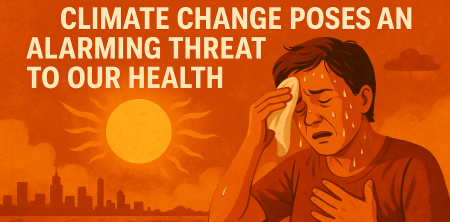
As global temperatures soar to unprecedented levels, the World Health Organization (WHO) has raised urgent alarms about the relationship between climate change, heat, and health. With recorded heat spikes becoming more frequent and intense, this issue is not just a matter of discomfort but a serious threat to public health, especially for the most vulnerable among us — infants and children. The WHO's latest findings reveal that perceived temperatures in direct sunlight can reach a staggering 10 to 15 degrees Celsius higher than standard ambient readings. These numbers should send shivers down the spine of anyone concerned about health and safety.
The Reality of Rising Temperatures
In recent years, we have witnessed a dramatic surge in extreme heat events worldwide. From the blistering heat waves in Europe to record-setting temperatures across North America and Asia, the evidence is clear: climate change is no longer a distant threat; it's knocking at our door. The rising temperatures are attributed primarily to human-induced climate change, fueled by greenhouse gas emissions. According to the WHO, this rise in temperature correlates with increased morbidity and mortality rates, particularly during heat waves.
One of the most alarming aspects of this phenomenon is how quickly heat can become life-threatening. For instance, research shows that the interior of a parked car can escalate to dangerously high temperatures within just minutes, creating an acute risk for children left inside. In fact, the temperature inside a vehicle can exceed 70 degrees Celsius, far exceeding the safety threshold.
The Vulnerability of Infants and Children
As highlighted in the WHO report, infants and children are particularly susceptible to the dangers posed by extreme heat. Their bodies are less capable of regulating temperature, making them more vulnerable to heat-related illnesses such as heat exhaustion and heat stroke. The emotional weight of this reality cannot be overstated; parents are left grappling with the terrifying prospect that a brief lapse in judgment could lead to irreversible harm.
Moreover, studies suggest that even short-term exposure to extreme heat can have long-term health implications for children. These effects can range from developmental delays to increased susceptibility to various diseases later in life. As such, protecting children from extreme heat isn’t just a matter of immediate safety; it’s a question of safeguarding their future health.
Understanding Perceived Heat
One of the more surprising findings in the WHO report is the concept of perceived heat, which can dramatically elevate the danger level during periods of extreme temperatures. Perceived heat takes into account factors such as humidity, direct sunlight, and wind speed, which can make the actual temperature feel significantly higher. For example, on a day when the mercury hits 35 degrees Celsius, the perceived temperature could feel like 45 degrees Celsius in direct sunlight.
This disparity is crucial for public awareness, especially for those who work outdoors or engage in strenuous activities during peak heat hours. The misconception that simply monitoring ambient temperature is sufficient can lead to dire consequences. The WHO emphasizes the importance of recognizing these nuances in temperature perception to effectively mitigate risks.
Protective Measures for Heat Health
Given the urgent nature of climate change heat health issues, implementing protective measures is essential for everyone, particularly for at-risk groups such as children and the elderly. The WHO offers several practical guidelines:
- Stay in the Shade: Finding shade can drastically reduce perceived heat by more than 10 degrees Celsius. This simple act can make a world of difference, especially during peak sun hours.
- Avoid Strenuous Activity: During extreme heat events, it's advisable to postpone or limit strenuous activities, particularly between noon and 4 PM when temperatures are at their highest.
- Cool Environments: Spending 2 to 3 hours daily in an air-conditioned setting can greatly mitigate the adverse effects of heat. Public places like libraries, community centers, and shopping malls can serve as refuge.
While these measures may seem basic, they are vital for ensuring health and safety during extreme heat conditions. As we navigate the challenges posed by climate change, understanding and implementing these strategies can save lives. (See: WHO on climate change and health.)
Common Misconceptions About Heat Safety
One of the most counterintuitive findings from the WHO report is related to the use of fabric coverings on strollers and car seats. Many parents assume that a light fabric will protect children from the sun, but this can actually increase internal temperatures. In fact, using dark-colored fabrics or those that lack breathability can exacerbate heat retention, putting children at a higher risk of heat-related illnesses.
It’s crucial to debunk these misconceptions surrounding heat safety. Parents should prioritize breathable, light-colored fabrics that allow for airflow. Additionally, they should always check the temperature of the surface and interior of the stroller or car seat before placing a child inside. This highlights the need for ongoing education on how best to protect children during these extreme heat events.
The Role of Policy in Mitigating Climate Change
While individual actions are important, the broader societal response to climate change heat health challenges must also be addressed. The WHO emphasizes that mitigating climate change through reduced greenhouse gas emissions is imperative. This means that national and local governments must prioritize policies that not only address climate change but also create health systems resilient enough to withstand its impacts.
Policy interventions could include investing in green spaces to reduce urban heat islands, promoting public transport to decrease emissions, and implementing emergency health measures during heatwaves. These systematic changes can significantly lower the risk of heat-related health issues, especially for vulnerable populations.
Community Awareness and Engagement
Community engagement plays a vital role in preparing for extreme heat events. Local organizations, schools, and health agencies can collaborate to create awareness campaigns that educate the public on the health risks associated with extreme heat and effective preventive measures. See also facts about climate change education.
For example, communities can organize heat health awareness days, where residents can learn about the dangers of extreme heat and the best practices for staying safe. Moreover, leveraging social media and community platforms can spread crucial information quickly, helping to build a well-informed public that can respond effectively during heat waves.
The Importance of Research and Data Collection
Ongoing research into the effects of climate change on public health is critical for proactive measures. Data collection on temperature fluctuations, health outcomes, and demographic vulnerabilities will equip health organizations and policymakers with the tools they need to create effective strategies for heat health management.
For instance, studies tracking the correlation between heat waves and hospital admissions for heat-related illnesses can guide public health responses and resource allocation during severe weather events. By investing in research now, we can better prepare for the increasingly volatile climate of the future.
Heat-Related Illnesses: Types and Symptoms
Understanding the various types of heat-related illnesses is essential for recognizing symptoms and seeking timely intervention. Here’s a closer look at the most common types:
- Heat Exhaustion: This condition occurs when the body loses excessive amounts of water and salt through sweating. Symptoms include heavy sweating, weakness, dizziness, nausea, and headache. If left untreated, it can progress to heat stroke.
- Heat Stroke: A severe medical emergency, heat stroke happens when the body temperature rises to 40 degrees Celsius or higher. Symptoms include confusion, loss of consciousness, rapid pulse, and hot, dry skin. Immediate medical attention is crucial.
- Heat Cramps: These painful muscle contractions typically occur during intense physical activity in high heat. They can affect muscles in the legs, arms, and abdomen. Hydration and electrolyte replenishment are key to recovery.
Recognizing these symptoms can save lives. Those experiencing heat-related illness should be moved to a cooler place, and if symptoms are severe, medical attention should be sought without delay. (See: CDC on health effects of climate change.)
Global Impacts of Climate Change on Heat Health
Climate change is a global issue that impacts health in diverse ways across different regions. In tropical areas, heat is becoming increasingly intolerable, while more temperate regions are experiencing unprecedented heat waves. According to a study by the Intergovernmental Panel on Climate Change (IPCC), the frequency of heatwaves is projected to increase substantially, with some areas potentially experiencing a five-fold increase in events by the end of the century.
This escalation necessitates a tailored response, as the impacts of heat stress vary by geographic location. For example, populations in urban areas often face compounded risks due to the urban heat island effect, which causes cities to retain heat more than rural areas. In contrast, rural populations may struggle with limited access to cooling resources. As such, public health strategies must consider these local variations to be effective.
Economic Costs of Heat-Related Health Issues
The economic ramifications of climate change heat health issues cannot be overlooked. According to a report published by the National Oceanic and Atmospheric Administration (NOAA), heat-related illnesses can lead to significant healthcare costs. In the United States alone, heat-related illnesses are estimated to cost the healthcare system approximately $1.4 billion annually.
Moreover, the loss of productivity associated with heat exposure contributes to economic losses, particularly in sectors like agriculture and construction, where workers are heavily impacted by extreme weather. The burden on healthcare systems and the economy emphasizes the urgent need for policies that address climate change and its health impacts, as investing in preventive measures can yield substantial long-term savings.
Frequently Asked Questions (FAQ)
1. What are the main health risks associated with extreme heat?
Extreme heat can lead to a variety of health issues, including heat exhaustion, heat stroke, dehydration, and exacerbation of chronic conditions like asthma and cardiovascular diseases. Vulnerable populations, including the elderly, children, and those with pre-existing health issues, are at higher risk.
2. How can I protect myself during heat waves?
To protect yourself during heat waves, stay hydrated, wear lightweight and light-colored clothing, avoid outdoor activities during peak hours, and use fans or air conditioning to cool down. It’s also helpful to monitor local weather advisories for heat alert systems.
3. How does climate change contribute to heat-related health issues?
Climate change increases the frequency, duration, and intensity of heat waves. This escalation leads to more instances of extreme heat, which in turn raises the risk of heat-related health issues, particularly for vulnerable populations.
4. Are there specific populations more affected by heat?
Yes, certain populations are more susceptible to heat-related illnesses. This includes infants and young children, the elderly, individuals with chronic health conditions, and those who work outdoors. Socioeconomic factors can also increase vulnerability, as lower-income individuals may lack access to cooling resources. Related reading: Senate's stance on climate education.
5. What role do local governments play in protecting public health during extreme heat events?
Local governments can implement policies to create more green spaces, enforce building codes that promote energy efficiency, and set up emergency response plans for heat waves. They can also run public awareness campaigns to educate residents on recognizing heat-related illnesses and the importance of protective measures. (See: New York Times on extreme heat events.)
6. Can extreme heat affect mental health?
Yes, extreme heat can have a significant impact on mental health. Prolonged exposure to high temperatures can exacerbate stress and anxiety levels. Additionally, increased heat can lead to disturbances in sleep, which has further implications for mental well-being.
7. What are some community initiatives to combat heat health issues?
Communities can set up cooling centers during heat waves, organize neighborhood watch programs to check on vulnerable individuals, and run educational workshops on heat safety. Collaborating with local health departments to create effective outreach programs can also help mitigate heat-related health risks.
8. How can schools prepare for extreme heat to protect students?
Schools can implement policies to ensure that students are kept cool during extreme heat events. This can include scheduling outdoor activities in the early morning or late afternoon, providing ample water breaks, and utilizing air-conditioned classrooms. Education on the risks of heat and the importance of hydration can also be included in the curriculum.
9. What is the significance of heat action plans in urban areas?
Heat action plans are essential for urban areas as they provide a framework to mitigate the effects of extreme heat on vulnerable populations. These plans can include measures such as establishing cooling centers, conducting outreach to at-risk communities, and implementing early warning systems to alert residents about impending heat waves. By prioritizing these actions, cities can reduce heat-related health risks and improve overall public health resilience.
A Call to Action
As the WHO's warnings resonate, it's clear that we are at a pivotal moment in addressing climate change heat health. The time to act is now. Whether through individual choices, community engagement, or policy advocacy, everyone has a role to play in mitigating the impacts of extreme heat.
Emphasizing the urgency of this issue, we must recognize that our collective health depends on our response to climate change. Let’s not wait until it’s too late. By taking proactive steps today, we can protect ourselves and our communities from the devastating effects of extreme heat.
```
Trending Now
Frequently Asked Questions
How does climate change lead to extreme heat?
Climate change leads to extreme heat primarily through human-induced greenhouse gas emissions, which trap heat in the atmosphere. This results in rising global temperatures and more frequent and intense heat waves, posing serious health risks.
What are the health risks associated with extreme heat?
Extreme heat poses significant health risks, including heat exhaustion and heat stroke, particularly for vulnerable populations like infants and children. The World Health Organization warns that rising temperatures correlate with increased morbidity and mortality rates during heat waves.
Why are infants and children more vulnerable to heat?
Infants and children are more vulnerable to heat because their bodies are less capable of regulating temperature. This makes them at a higher risk for heat-related illnesses, especially during extreme heat events.
What temperature can a parked car reach in extreme heat?
A parked car can reach dangerously high temperatures, exceeding 70 degrees Celsius within minutes during extreme heat. This creates acute risks, particularly for children left inside, emphasizing the need for vigilance.
What actions can be taken to mitigate heat-related health risks?
To mitigate heat-related health risks, it is essential to stay hydrated, avoid outdoor activities during peak heat, and ensure that vulnerable populations, such as children, are monitored and protected from extreme temperatures.
What's your take on this? Share your thoughts in the comments below — we read every one.

