```html
The digital age has transformed the way we live, work, and play. For families, this transformation has introduced unique challenges, particularly concerning children's screen time and online safety. With smartphones, tablets, and laptops becoming integral parts of everyday life, parents often find themselves struggling to manage their children's digital consumption. Recognizing these challenges, Google India and YouTube have partnered to launch a Digital Wellbeing Guidebook specifically tailored for Indian families. This initiative seeks to promote healthier screen habits and enhance online safety, addressing a pressing need among parents today.
The Growing Concern: Digital Overload
In recent years, there has been a noticeable uptick in parental concerns regarding excessive screen time among children. According to various studies, many parents worry about the impact of prolonged device usage on their children's physical and mental health. Issues such as eye strain, disrupted sleep patterns, and decreased physical activity have all been linked to excessive screen time. Related reading: limiting screen time tips.
Furthermore, the rise of online content has led to increased anxiety about children's exposure to harmful material. With platforms like YouTube offering a vast array of content, parents often feel overwhelmed by the sheer volume of information their children can access. This growing concern has prompted a surge in searches related to 'screen time limits for kids' and 'online safety for children,' illustrating the urgent need for resources that address these challenges.
Introducing the Digital Wellbeing Guidebook
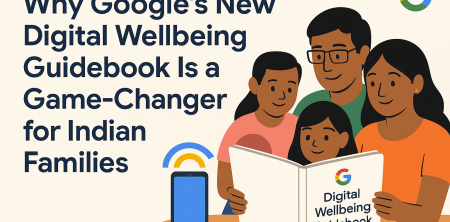
The Digital Wellbeing Guidebook, launched by Google India and YouTube, is a free resource designed to provide practical strategies for managing digital consumption. Its primary aim is to help parents navigate the complexities of their children's online activities while fostering healthier screen habits.
What sets this guidebook apart is its focus on actionable solutions. Rather than merely outlining the problems associated with screen time, it offers concrete steps that parents can implement in their households. From establishing screen time limits to encouraging offline activities, the guidebook is a comprehensive resource that assists families in creating a balanced digital environment.
What the Guidebook Covers
While the specifics of the guidebook are extensive, a few key themes emerge that are particularly noteworthy:
- Monitoring and Management: The guidebook provides tips on how parents can monitor their children's screen time and digital behavior. This includes using built-in device features that track usage and setting up parental controls where applicable.
- Encouraging Offline Activities: To combat the lure of screens, the guidebook encourages families to engage in offline activities together, whether it's outdoor play, reading, or family game nights. This not only reduces screen time but also strengthens family bonds.
- Discussing Online Safety: A significant section of the guidebook focuses on educating children about online safety. This includes discussions about privacy, recognizing inappropriate content, and knowing how to report harmful material.
- Setting Clear Expectations: The guidebook emphasizes the importance of setting clear guidelines and expectations around screen time. By involving children in these conversations, parents can help foster a sense of responsibility regarding their digital consumption.
The Impact of Partnership with YouTube
One of the most compelling aspects of the Digital Wellbeing Guidebook is its collaboration with YouTube, a platform that is deeply embedded in the daily lives of many children. This partnership not only lends credibility to the guidebook but also enhances its potential reach.
With millions of young users accessing YouTube for entertainment, education, and social interaction, parents are likely to trust advice that comes from a platform their children already engage with regularly. This strategic alliance aims to provide parents with the information and tools they need to feel empowered in managing their children's screen time.
Addressing the 'Need to Know' Appeal
The launch of the guidebook comes at a time when parents are increasingly searching for resources on screen time and online safety. The spike in searches for terms like 'screen time limits for kids' indicates a pronounced need for guidance. In response, the Digital Wellbeing Guidebook serves not only as a resource but also as a reassurance to parents who feel overwhelmed by the digital landscape.
This 'need to know' appeal is critical in today’s climate. As technology continues to evolve, parents require up-to-date information to make informed decisions about their children's digital interactions. The guidebook addresses this by providing relevant, actionable advice in a format that is easily accessible. (See: CDC Youth Risk Behavior Survey.)
Expert Perspectives on Screen Time
To further enhance the guidebook's credibility, Google and YouTube have consulted child development experts and psychologists during its creation. These professionals underscore the importance of a balanced approach to screen time, advocating for moderation rather than complete elimination.
Experts agree that screens can be beneficial when used appropriately. They can provide access to educational content, facilitate social connections, and even enhance learning experiences. However, the key lies in teaching children to use these tools responsibly. The guidebook incorporates expert insights, making it a valuable resource not only for parents but also for educators who wish to promote healthy tech habits in their classrooms.
Real-Life Applications of the Guidebook
Implementing the strategies outlined in the Digital Wellbeing Guidebook can take various forms, depending on family dynamics and children's ages. For example, parents of younger children might focus on setting strict limits on screen time and using parental controls to filter content. Conversely, parents of teenagers may benefit from having open discussions about online behavior and privacy.
Additionally, families can use the guidebook as a starting point for creating their own personalized rules around technology use. By involving children in this process, parents can foster a sense of ownership and responsibility over their digital habits, which can lead to better adherence to established guidelines.
The Importance of Community Support
While the Digital Wellbeing Guidebook provides essential tools for managing screen time, community support plays a vital role in reinforcing these practices. Parents can benefit immensely from sharing experiences, challenges, and successes with other families navigating similar issues.
Local parenting groups, online forums, and social media platforms can serve as valuable spaces for discussion and resource sharing. By fostering a sense of community, parents can support each other in creating healthy digital environments for their children, amplifying the impact of the guidebook. This builds on impact of screen use.
Looking Ahead: Future Initiatives
The launch of the Digital Wellbeing Guidebook is just the beginning of a broader commitment from Google India and YouTube to promote healthy digital habits. Future initiatives may include workshops for parents, interactive tools for children, and ongoing updates based on the evolving digital landscape.
As technology continues to change how we interact with the world, it’s essential to equip families with the resources they need to thrive. The goal is not only to manage screen time effectively but also to enhance family interactions and ensure children's well-being in a digital-first society.
Conclusion: A Step Towards Empowered Parenting
The release of the Digital Wellbeing Guidebook is a significant step toward empowering parents in the digital age. By providing practical tips, expert advice, and a community-focused approach, this initiative addresses one of the most pressing challenges facing families today.
As parents, you have the power to shape your children's digital experiences and help them develop healthy habits that will serve them well into adulthood. The guidebook serves as a valuable ally in this endeavor, offering a roadmap to navigate the complexities of modern parenting.
FAQs About the Digital Wellbeing Guidebook
What age group is the Digital Wellbeing Guidebook intended for?
The guidebook is designed for parents of children of all ages. It offers tailored advice for younger children, tweens, and teenagers, helping parents navigate the challenges of digital consumption at each stage of development. (See: WHO guidelines on physical activity.)
How can I access the Digital Wellbeing Guidebook?
The guidebook is available for free online through the official Google India and YouTube websites. You can easily download or view it directly in your browser without any cost.
Are there any specific tools recommended in the guidebook for monitoring screen time?
Yes, the guidebook suggests several built-in features available on most devices, such as screen time trackers and parental control settings. These tools can help parents monitor usage and set limits effectively.
Can the guidebook help with managing online gaming?
Absolutely! The guidebook includes sections dedicated to online gaming, including discussions on setting time limits, understanding gaming content, and ensuring a safe gaming experience for children.
What should I do if my child resists screen time limits?
If your child resists limits on screen time, the guidebook suggests involving them in the conversation. Discussing why limits are necessary and allowing them to express their opinions can lead to more cooperation. You might also consider establishing a reward system for adhering to limits.
How often should I revisit the rules established in the guidebook?
It's beneficial to revisit and revise the rules periodically, especially as your child grows and their needs change. Regular check-ins can ensure that the guidelines remain relevant and effective.
Does the guidebook address mental health issues related to screen time?
Yes, the guidebook discusses the potential mental health impacts of excessive screen time, such as anxiety and depression. It emphasizes the importance of being aware of these issues and addresses strategies to mitigate them.
Can educators use the Digital Wellbeing Guidebook as a resource?
Definitely! The guidebook is not just for parents; educators can utilize it to promote healthy tech habits in schools. It serves as a helpful resource for teaching students about responsible digital behavior. We covered effects on child development in more detail.
Statistics Highlighting the Need for Digital Wellbeing
The rising concern over children's screen time is backed by alarming statistics. A recent survey by the American Academy of Pediatrics found that children aged 8 to 18 spend an average of 7 hours and 22 minutes a day on screens, not including school or homework. This staggering number reinforces the necessity for resources like the Digital Wellbeing Guidebook.
Additionally, a study published in the journal Pediatrics indicated that excessive screen time correlates with increased rates of obesity, sleep disturbances, and behavioral issues. Notably, children who spent more than two hours a day on screens were found to be at a higher risk for mental health challenges. These statistics underline the urgency of implementing effective digital wellbeing strategies in homes.
Real-world Success Stories
Many families have begun to implement the strategies laid out in the Digital Wellbeing Guidebook and reported positive results. For instance, the Patel family from Mumbai decided to limit their children's screen time to two hours per day. They replaced that time with family walks and board games, leading to improved relationships among family members and a noticeable increase in outdoor play. (See: AP News on digital wellbeing.)
Another example is the Singh family, who engaged their teenage children in discussions about online safety. By allowing their children to voice their opinions and concerns, they created a digital contract that included mutual respect and understanding of boundaries. This led to more responsible usage of technology and empowered their children to make safer choices online.
The Broader Impact of Digital Wellbeing
Digital wellbeing is not just about limiting screen time; it's also about fostering a positive digital environment. A 2022 study by the Digital Wellness Collective found that children with balanced screen time reported higher levels of happiness and lower levels of stress. When parents engage with their children about their online experiences and foster open communication, it contributes to a healthier relationship with technology.
Additionally, promoting digital wellbeing can positively impact academic performance. Research indicates that students who manage their screen time effectively tend to perform better in school. They are more likely to engage in schoolwork and extracurricular activities that require focus and interaction, contributing to a well-rounded development.
Tips for Creating a Digital Wellbeing Routine
Creating a routine around digital wellbeing can significantly benefit both parents and children. Here are some practical tips that align with the strategies emphasized in the Digital Wellbeing Guidebook:
- Designate Tech-Free Zones: Consider establishing areas in your home where screens are not allowed, such as during meals or in bedrooms, to encourage family bonding and promote healthier sleep habits.
- Set Specific Screen Time Blocks: Create a schedule that designates when and how long your children can use their devices. This can help prevent mindless scrolling and promote more intentional usage.
- Encourage Digital Detox Days: Designate certain days as tech-free days where the family participates in outdoor activities, games, or other hobbies that do not involve screens.
- Be a Role Model: Practice what you preach by managing your own screen time. Engage in offline hobbies or interests and share them with your children to inspire them to do the same.
Continuous Learning and Adaptation
Technology is always changing, and so are the challenges associated with it. The Digital Wellbeing Guidebook encourages parents to keep learning and adapting their strategies as new tools and platforms emerge. Regularly engaging with online safety resources, attending workshops, and staying informed about the latest trends can empower parents to make informed decisions.
By fostering a culture of continuous learning, parents can instill good habits in their children that will carry into adulthood, ensuring they are well-equipped to handle the digital world responsibly.
Conclusion: The Path Forward
The Digital Wellbeing Guidebook is more than just a set of rules; it's a comprehensive approach to navigating the digital landscape as a family. With the right balance between screen time and offline activities, families can foster not just healthy digital habits but also stronger bonds. By taking proactive steps, whether through community support or expert insights, parents can guide their children towards responsible digital behavior that will serve them well throughout their lives.
```
Trending Now
Frequently Asked Questions
What is Google's Digital Wellbeing Guidebook?
Google's Digital Wellbeing Guidebook is a free resource launched in partnership with YouTube, aimed at helping Indian families manage children's digital consumption and promote healthier screen habits. It provides practical strategies to navigate online activities and enhance online safety.
Why is screen time a concern for parents?
Parents are increasingly worried about excessive screen time due to its potential impact on children's physical and mental health, including issues like eye strain, disrupted sleep, and decreased physical activity. The rise of online content also raises concerns about exposure to harmful material.
How can I limit my child's screen time effectively?
The Digital Wellbeing Guidebook offers practical tips for parents, such as setting specific time limits, encouraging offline activities, and creating tech-free zones in the home. These strategies can help foster healthier screen habits among children.
What resources are available for online safety for children?
The Digital Wellbeing Guidebook provides resources and strategies tailored for Indian families, focusing on online safety. It addresses parental concerns by offering guidance on monitoring children's online activities and ensuring they encounter safe content.
How does excessive screen time affect children?
Excessive screen time can lead to various issues in children, including eye strain, disrupted sleep patterns, reduced physical activity, and increased anxiety. These concerns highlight the importance of managing digital consumption effectively.
What's your take on this? Share your thoughts in the comments below — we read every one.

