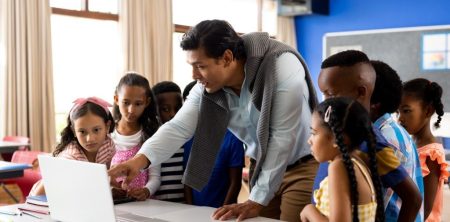
Introduction: Understanding the Integration of Technology in Education
In recent years, the integration of technology into the classroom has become a prominent trend in education. As schools and educators embrace digital tools and resources, the promise of enhanced learning experiences and improved engagement has captivated many. However, while technology offers numerous benefits, it is essential to examine the potential drawbacks that can arise from its implementation in educational settings. This article will explore three significant drawbacks of bringing technology to the classroom, providing insight into the challenges that educators, students, and administrators may face.
Distraction: The Challenge of Maintaining Focus in a Digital World
One of the most significant drawbacks of technology in the classroom is the potential for distraction. With devices such as smartphones, tablets, and laptops readily available, students may find it challenging to stay focused on the lesson at hand. The allure of social media, video games, and other online distractions can divert attention away from educational content, leading to decreased engagement and retention of information.
Moreover, the constant notifications and alerts from applications can further disrupt the learning process. Students may feel compelled to check their devices, leading to fragmented attention and difficulty concentrating on the material being taught. This lack of focus can hinder academic performance and make it challenging for educators to maintain an effective learning environment.
To mitigate this issue, teachers must implement strategies to minimize distractions. Establishing clear guidelines for device usage, integrating engaging and interactive lessons, and fostering a culture of respect for the learning environment can help students remain attentive and reduce the impact of distractions.
Equity: Addressing the Digital Divide in Education
Another significant drawback of bringing technology into the classroom is the issue of equity. While technology has the potential to enhance learning for many students, not all learners have equal access to these tools. The digital divide—a gap between those who have access to technology and those who do not—can exacerbate existing inequalities in education.
Students from low-income families may struggle to obtain the necessary devices or reliable internet access, creating a barrier to participation in technology-driven lessons. This lack of access can lead to disparities in learning opportunities, as students without technology may fall behind their peers who can fully engage with digital resources. Furthermore, the reliance on technology can create additional stress for educators who strive to accommodate diverse learning needs in their classrooms.
To address these equity concerns, schools must prioritize providing equal access to technology for all students. This may involve implementing programs to supply devices, ensuring robust internet infrastructure, and offering training for both students and teachers to utilize technology effectively. Additionally, educators should consider leveraging alternative teaching methods that do not solely rely on technology, allowing all students to participate in the learning process.
Over-Reliance: The Risk of Diminished Critical Thinking Skills
While technology can enhance learning experiences, there is a risk that students may become overly reliant on digital tools, leading to diminished critical thinking skills. With the abundance of information available online, students may find it easier to search for answers rather than engage in deeper analysis or problem-solving. This reliance on technology can hinder the development of essential cognitive skills, such as critical thinking, creativity, and independent learning.
When students depend on technology to provide immediate answers, they may miss opportunities to engage in thoughtful discussions, conduct thorough research, and develop their reasoning abilities. Furthermore, the tendency to accept information at face value without questioning its validity can lead to misinformation and a lack of discernment in evaluating sources.
Educators can combat this over-reliance by incorporating activities that promote critical thinking and problem-solving skills into their curriculum. Encouraging collaborative projects, facilitating debates, and incorporating real-world scenarios can help students develop a deeper understanding of the material while fostering independence and critical analysis.
Conclusion: Balancing Technology and Traditional Learning
As schools continue to integrate technology into the classroom, it is crucial to recognize and address the potential drawbacks that can accompany this shift. Distractions, equity concerns, and over-reliance on technology pose challenges that educators must navigate to create effective learning environments.
By implementing strategies to minimize distractions, ensuring equitable access to technology, and promoting critical thinking skills, educators can harness the benefits of technology while mitigating its potential downsides. Ultimately, finding a balance between technology and traditional learning methods is essential for fostering an engaging and inclusive educational experience for all students. As we move forward in the digital age, the thoughtful integration of technology into the classroom will be key to preparing students for the challenges and opportunities of the future.

