Introduction: Embracing Diversity in Education
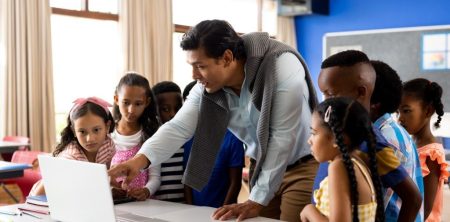
In today's increasingly diverse classrooms, becoming a culturally responsive teacher is essential for fostering an inclusive learning environment that respects and values all students' backgrounds. Culturally responsive teaching involves recognizing the cultural contexts of students and utilizing these insights to inform teaching practices. This approach not only enhances student engagement and achievement but also helps to cultivate a sense of belonging and respect for diversity. In this article, we will explore three effective strategies to become a culturally responsive teacher: understanding students' cultural backgrounds, integrating culturally relevant materials, and fostering an inclusive classroom environment.
Understanding Students' Cultural Backgrounds: The Foundation of Culturally Responsive Teaching
The first step in becoming a culturally responsive teacher is to develop a deep understanding of the cultural backgrounds of your students. This involves recognizing the diverse experiences, values, and beliefs that each student brings to the classroom. It is essential to consider factors such as ethnicity, language, socio-economic status, and family dynamics.
Building Relationships: Establishing Trust and Rapport
To effectively understand students' cultural backgrounds, it is crucial to build strong relationships with them. Establishing trust and rapport can significantly impact students’ willingness to share their experiences and perspectives. Here are some strategies to build these relationships:
- Open Communication: Create an environment where students feel comfortable expressing themselves. Encourage open dialogue and actively listen to their thoughts and feelings.
- Family Engagement: Involve families in the educational process. Reach out to parents and guardians to learn more about their cultural backgrounds and values. This collaboration can provide valuable insights into students' lives outside the classroom.
- Cultural Inquiry: Develop a habit of inquiry by asking students about their cultural backgrounds. Use culturally relevant questions that allow students to share their experiences and traditions.
Cultural Competence: Engaging in Continuous Learning
Cultural competence is the ability to understand, communicate with, and effectively interact with people across cultures. As educators, it is essential to engage in continuous learning about different cultures. This can include:
- Professional Development: Attend workshops and training sessions focused on cultural responsiveness. These opportunities can provide valuable tools and strategies for adapting your teaching practices.
- Reading and Research: Explore literature and resources that discuss cultural diversity and effective teaching strategies. Understanding the historical and social contexts of different cultures can enhance your knowledge and sensitivity.
- Reflective Practice: Regularly reflect on your teaching practices and interactions with students. Consider how your own cultural biases may impact your teaching and how you can work to mitigate them.
Integrating Culturally Relevant Materials: Enriching the Curriculum
Once you have a deep understanding of your students’ cultural backgrounds, the next step is to integrate culturally relevant materials into your curriculum. This helps make learning more relatable and engaging for students.
Inclusive Curriculum: Selecting Diverse Resources
An inclusive curriculum recognizes and represents the diverse cultures present in the classroom. Here are some approaches to ensure that your curriculum reflects cultural diversity:
- Diverse Literature: Incorporate books and resources that represent various cultures, experiences, and perspectives. This can include literature written by authors from diverse backgrounds or stories that reflect the experiences of your students.
- Culturally Relevant Examples: Use examples and case studies from a variety of cultures in your lessons. This can help students see the relevance of their own experiences and backgrounds in the content being taught.
- Multimodal Learning: Incorporate a variety of teaching methods and materials that cater to different learning styles. This can include visual, auditory, and kinesthetic resources that reflect cultural diversity.
Student-Centered Learning: Empowering Voices
Culturally responsive teaching involves empowering students to share their voices and perspectives. Consider these strategies to promote student-centered learning:
- Project-Based Learning: Implement projects that allow students to explore cultural themes or issues relevant to their communities. This fosters a sense of ownership and relevance in their learning.
- Collaborative Learning: Encourage group work that promotes collaboration among students from different cultural backgrounds. This not only enhances social skills but also allows students to learn from one another's experiences.
- Student Choice: Provide opportunities for students to choose topics or projects that resonate with their cultural backgrounds. This promotes engagement and investment in their learning.
Fostering an Inclusive Classroom Environment: Creating a Safe Space for All
Creating an inclusive classroom environment is fundamental to culturally responsive teaching. An inclusive environment nurtures respect, understanding, and acceptance among students. Here are key strategies to foster such an environment:
Positive Classroom Culture: Establishing Norms and Values
Setting clear expectations for behavior and communication is vital for creating a positive classroom culture. Consider the following:
- Establish Class Norms: Collaboratively establish norms that promote respect, kindness, and inclusivity. Involve students in the process to create ownership and accountability.
- Celebrate Differences: Recognize and celebrate cultural differences within the classroom. This can include cultural heritage days, discussions around various traditions, or sharing personal stories.
- Address Bias and Discrimination: Be proactive in addressing instances of bias or discrimination. Create a safe space where students feel empowered to speak out against injustice and support one another.
Social-Emotional Learning: Supporting Individual Needs
Culturally responsive teaching also involves recognizing and addressing the social-emotional needs of students. This can be achieved through:
- Mindfulness Practices: Incorporate mindfulness activities that promote self-awareness and emotional regulation. These practices can help students navigate challenges related to cultural differences.
- Support Systems: Establish support systems for students who may feel marginalized or isolated. This can include peer mentoring programs or counseling resources.
- Open Dialogue: Encourage open discussions about feelings, experiences, and challenges. This helps students feel heard and valued in the classroom community.
Conclusion: Embracing Cultural Responsiveness in Education
Becoming a culturally responsive teacher is an ongoing journey that requires commitment and self-reflection. By understanding students' cultural backgrounds, integrating culturally relevant materials, and fostering an inclusive classroom environment, educators can create a learning space that respects and values diversity. Culturally responsive teaching not only enhances student engagement and achievement but also prepares students to thrive in a diverse world. As we embrace this approach, we contribute to a more equitable and just educational landscape for all students.

