```html
If you've been paying any attention to health and wellness trends lately, you've undoubtedly heard about GLP-1 medications like Ozempic and Wegovy. These aren't just another diet fad; they're genuinely shaking up the landscape of weight management, and with good reason. People using these medications are reporting dramatic shifts in their eating habits, consuming significantly fewer calories, cutting down on desserts by a whopping 84%, and even reducing alcohol intake by a third. What's truly fascinating, though, is how these medications are prompting a massive pivot towards healthier choices, with fresh produce consumption soaring by over 70%.
This isn't just about individual users changing their plates; it's a seismic shift impacting the entire food industry. We're talking about a projected $12 billion hit to snack sales over the next decade. Major players like PepsiCo and Coca-Cola are already scrambling, reformulating products, shrinking portions, and, crucially, upping the protein content. It’s clear that the demand for high-protein foods GLP-1 users need is only going to grow. But with all the hype, including strange viral trends like 'Oatzempic' (a blended oat drink fad that has no medical backing, by the way), it's easy to get confused about what actually works. That's why dietitians and healthcare professionals are emphasizing proper nutrition, especially prioritizing a substantial 80-120 grams of protein daily, alongside plenty of fiber and hydration. This isn't just about maximizing the medication's benefits; it's vital for preventing muscle loss and managing common side effects like nausea and constipation. Let's dive into some of the best high-protein foods GLP-1 users should consider adding to their diet.
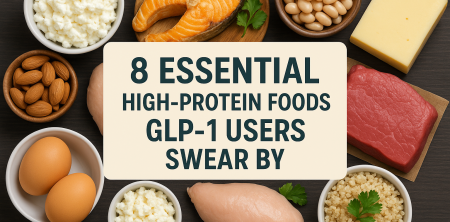
1. Lean Meats (Chicken Breast, Turkey, Lean Beef): The Foundation of High-Protein Foods GLP-1 Diets
When you're aiming for that 80-120 grams of protein a day, lean meats are your absolute best friend. Think chicken breast, turkey, and lean cuts of beef. These aren't just protein powerhouses; they offer complete proteins, meaning they contain all nine essential amino acids your body can't produce on its own. This is crucial for muscle preservation, especially when you're in a caloric deficit, which is a common outcome when using GLP-1 medications.
For instance, a 3-ounce serving of boneless, skinless chicken breast can pack around 25-30 grams of protein with minimal fat. Turkey, whether ground or in breast form, offers similar benefits. And lean beef, like sirloin or flank steak, provides not only protein but also essential nutrients such as iron and B vitamins. Incorporating these into your meals can help you feel fuller for longer, reduce cravings, and provide the building blocks your body needs to maintain muscle mass while shedding unwanted pounds. Plus, they're incredibly versatile: grill them, bake them, stir-fry them—the possibilities are endless for delicious, high-protein meals.
2. Fish and Seafood (Salmon, Tuna, Shrimp, Cod): Nutrient-Dense Protein with Added Benefits
Don't overlook the ocean's bounty when planning your high-protein foods GLP-1 diet. Fish and seafood are fantastic sources of lean protein, often with the added bonus of healthy fats and other vital nutrients. Salmon, for example, is renowned for its omega-3 fatty acids, which are fantastic for heart health and reducing inflammation, alongside its impressive protein content.
Tuna, especially canned in water, is a convenient and affordable protein source that can be easily added to salads or eaten on its own. Shrimp and cod offer lighter, low-calorie protein options that cook quickly and absorb flavors beautifully. The beauty of incorporating various fish and seafood into your diet is not just about hitting your protein targets; it's about diversifying your nutrient intake. Many GLP-1 users find that the satiety offered by these foods helps manage the reduced appetite, preventing them from feeling deprived. Plus, the quick cooking times make them perfect for those busy weeknights.
3. Eggs: The Versatile Protein Champion
Eggs are practically the gold standard for accessible, affordable, and complete protein. Seriously, what can't an egg do? A single large egg provides about 6 grams of high-quality protein, along with vitamins D, B6, B12, and minerals like zinc, iron, and copper. And despite past misconceptions, for most healthy individuals, dietary cholesterol from eggs has minimal impact on blood cholesterol levels.
Their versatility is unmatched. You can hard-boil them for a quick snack, scramble them for breakfast, poach them over avocado toast, or even incorporate them into frittatas and quiches for a protein-packed meal at any time of day. For GLP-1 users, eggs are particularly useful because they promote satiety and can be gentle on a sensitive stomach, which is important when dealing with potential side effects like nausea. Starting your day with eggs can set a strong protein foundation, helping you feel full and energized throughout the morning.
4. Greek Yogurt and Cottage Cheese: Dairy Powerhouses for High-Protein Foods GLP-1 Plans
When it comes to dairy, Greek yogurt and cottage cheese stand head and shoulders above many other options for their protein content. Greek yogurt, in particular, is a fermented dairy product that offers roughly double the protein of regular yogurt, often providing 15-20 grams per serving. It's also a fantastic source of probiotics, which can support gut health – a definite plus when managing digestive changes on GLP-1 medications.
Cottage cheese is another unsung hero, delivering a substantial amount of protein, usually around 12-15 grams per half-cup serving, along with calcium. Both of these are incredibly versatile. You can enjoy Greek yogurt plain or with a few berries, use it as a base for smoothies, or even as a healthier sour cream alternative. Cottage cheese can be eaten with fruit, added to scrambled eggs, or even used in savory dishes. They're excellent choices for snacks or lighter meals, providing sustained fullness and supporting your daily protein goals without adding excessive calories. (See: Healthy eating guidelines from CDC.)
5. Legumes (Lentils, Black Beans, Chickpeas): Plant-Based Protein with Fiber
For those looking to diversify their protein sources or incorporate more plant-based options, legumes are an absolute must. Lentils, black beans, and chickpeas aren't just rich in protein; they're also packed with fiber, which is incredibly beneficial for GLP-1 users. Remember that focus on fiber for managing constipation? Legumes deliver that in spades.
A cup of cooked lentils, for instance, can provide around 18 grams of protein and 16 grams of fiber. Black beans and chickpeas offer similar impressive numbers. They're also budget-friendly and incredibly versatile. You can add them to soups, stews, salads, or make delicious dips like hummus (from chickpeas). For individuals experiencing reduced appetite, the combination of protein and fiber in legumes helps promote satiety and steady blood sugar levels, preventing energy crashes. Plus, incorporating a variety of plant-based proteins can contribute to a more diverse and healthier gut microbiome.
6. Tofu and Tempeh: Soy-Based Protein for Plant-Forward Eaters
If you're committed to a vegetarian or vegan lifestyle, or simply want to explore more plant-based high-protein foods GLP-1 options, tofu and tempeh are stellar choices. Both are derived from soybeans and offer complete protein profiles, making them excellent meat alternatives.
Tofu is incredibly adaptable, absorbing flavors like a sponge, and can be used in stir-fries, scrambles, or even baked until crispy. Tempeh, a fermented soybean product, has a firmer texture and a nutty flavor, making it a great option for grilling, crumbling into sauces, or using as a ground meat substitute. A 3-ounce serving of firm tofu can provide around 8-10 grams of protein, while tempeh often offers even more, sometimes up to 15-20 grams. These soy-based proteins are also good sources of iron and calcium, supporting overall nutritional needs while helping you meet your protein targets without relying on animal products. weight loss benefits of Ozempic offers useful background here.
7. Protein Powders and Supplements: Convenient Boosts for High-Protein Foods GLP-1 Diets
Let's be real, hitting 80-120 grams of protein through whole foods alone can sometimes be a challenge, especially when appetite is suppressed. This is where protein powders and supplements can become incredibly useful tools for GLP-1 users. They offer a convenient, concentrated source of protein without a lot of extra calories or bulk.
Whey protein is a popular choice, known for its fast absorption and complete amino acid profile. Casein protein, another dairy-based option, digests more slowly, providing a sustained release of amino acids. For those avoiding dairy, pea protein or soy protein are excellent plant-based alternatives. You can mix protein powder into smoothies, oatmeal, or even just water for a quick and easy protein boost between meals or after a workout. Always check the ingredient list for added sugars or artificial sweeteners, and opt for high-quality brands. This can be a game-changer for ensuring you meet your daily protein goals, especially on days when you just don't feel like eating a full meal.
8. Nuts and Seeds (Almonds, Chia Seeds, Flax Seeds): Small but Mighty Protein Sources
While not as high in protein per serving as lean meats or dairy, nuts and seeds contribute significantly to your overall daily intake, especially as healthy snacks or additions to meals. Almonds, for example, offer around 6 grams of protein per ounce, along with healthy fats and fiber. They make a great portable snack to tide you over between meals.
Chia seeds and flax seeds are tiny powerhouses, providing not only protein but also omega-3 fatty acids and a substantial amount of fiber. You can sprinkle them over yogurt, add them to smoothies, or use them in baking. While you wouldn't rely solely on nuts and seeds to hit your 80-120 gram target, they play a crucial supporting role in a well-rounded high-protein foods GLP-1 diet. They add texture, flavor, and a nutritional boost that helps keep you satisfied and provides important micronutrients.
The Broader Picture: Why High Protein Matters So Much for GLP-1 Users
The impact of GLP-1 medications on eating habits is truly profound. It’s not just about eating less; it’s about a fundamental shift in how people approach food. The dramatic reduction in dessert and alcohol consumption, coupled with the surge in fresh produce, paints a picture of consumers making healthier, more mindful choices. This isn't just a fleeting trend; it's a recalibration of what people want from their food.
For individuals using these medications, prioritizing high-protein foods GLP-1 is non-negotiable. Muscle loss is a significant concern during rapid weight loss, and adequate protein intake is the primary defense against this. Beyond muscle preservation, protein helps manage the notorious side effects. Feeling nauseous? A small, protein-rich snack might be more palatable and settling than a large, carb-heavy meal. Struggling with constipation? While fiber is key, a balanced diet including protein can contribute to overall digestive health.
Beyond the Plate: Hydration and Professional Guidance
While focusing on high-protein foods GLP-1 is paramount, it’s only one piece of the puzzle. Hydration, for instance, is absolutely critical. GLP-1 medications can sometimes lead to dehydration, and adequate fluid intake helps mitigate this, supports metabolism, and can also aid in managing constipation. Think water, unsweetened teas, and electrolyte-rich fluids, especially if you're experiencing nausea or vomiting. (See: NIH study on GLP-1 medications.)
Moreover, the 'Oatzempic' fad highlights a pervasive issue: people are desperate for quick fixes and often fall prey to unverified health claims. This underscores the absolute necessity of working with healthcare professionals, particularly a registered dietitian. They can provide personalized guidance, help you create a meal plan that meets your specific protein, fiber, and hydration needs, and address any challenges you might face while on GLP-1 medications. Relying on professional advice ensures you maximize the benefits of the medication safely and sustainably.
The Food Industry's Reckoning and Your Opportunity
The food industry's reaction to the GLP-1 phenomenon is telling. When giants like PepsiCo and Coca-Cola start reformulating products, it signifies a massive consumer shift. They're moving towards shorter ingredient lists, smaller portions, and, yes, higher protein content. This means more options for you in the grocery aisles that align with the dietary needs of GLP-1 users.
This evolving landscape presents a real opportunity for you to take control of your nutrition. By understanding which high-protein foods GLP-1 users benefit from most, you can make informed choices that support your health goals, manage side effects, and ensure sustainable progress. It’s not just about taking a medication; it’s about embracing a whole new approach to eating that prioritizes nutrient density and mindful consumption. Your body will thank you for it.
Understanding GLP-1's Mechanism and Protein's Role
To truly grasp why high-protein foods GLP-1 are so important, it helps to understand what these medications are actually doing in your body. GLP-1 (Glucagon-Like Peptide-1) is a natural hormone in your gut that plays a crucial role in regulating appetite and blood sugar. Medications like Ozempic and Wegovy mimic this hormone, leading to several key effects. They slow down gastric emptying, meaning food stays in your stomach longer, which contributes to that feeling of fullness and reduced appetite. They also signal your brain to reduce hunger and cravings, especially for highly palatable, calorie-dense foods like sweets and fatty snacks. Plus, they stimulate insulin release only when blood sugar is high and inhibit glucagon, which helps manage blood sugar levels.
Given this mechanism, the role of protein becomes even clearer. When gastric emptying slows, a diet rich in protein maximizes this effect because protein itself is digested more slowly than carbohydrates or fats. This extended digestion translates to prolonged satiety, helping you feel full and satisfied for hours after a meal, even when eating smaller portions. This directly combats the urge to snack unnecessarily, a common challenge in weight management. Furthermore, protein has the highest thermic effect of food (TEF), meaning your body burns more calories digesting and metabolizing protein compared to carbs or fats. This slight metabolic boost, combined with its satiety benefits, makes protein an invaluable ally in a GLP-1 regimen.
Meal Planning Strategies for High-Protein GLP-1 Diets
Knowing which foods are high in protein is one thing; consistently incorporating them into your daily meals when your appetite is unpredictable is another. Strategic meal planning becomes essential. Consider front-loading your protein intake. Starting your day with a substantial protein source, like scrambled eggs, Greek yogurt, or a protein smoothie, can set you up for success. This helps manage hunger throughout the morning and can reduce the likelihood of overeating later.
Think about building every meal around a lean protein source. For lunch, maybe it's a large salad with grilled chicken or chickpeas, or a tuna wrap. Dinners can center on fish, lean beef, or tofu stir-fries. Prepping meals in advance can also be a game-changer. Cook a batch of chicken breast or lentils at the beginning of the week, so you have readily available protein to add to various dishes. Snacks should also be protein-focused: hard-boiled eggs, cottage cheese, a handful of almonds, or a protein shake. The goal is to make protein consumption almost automatic, ensuring you hit that 80-120 gram target even when appetite is low. Small, frequent, protein-rich meals or snacks often work better than large, infrequent ones for GLP-1 users, as large meals can sometimes trigger nausea.
The Psychological Aspect: Mindful Eating with GLP-1 and Protein
While GLP-1 medications work on a physiological level to reduce hunger and cravings, the psychological component of eating shouldn't be overlooked. Many people use food for comfort, stress relief, or as a reward. With GLP-1, those strong urges might diminish, but old habits can linger. This presents a unique opportunity to cultivate mindful eating practices. Since you're eating less and often feeling fuller, you can focus on savoring smaller portions of nutrient-dense, high-protein foods.
Pay attention to the taste, texture, and smell of your food. Eat slowly and put your fork down between bites. This allows your body's natural satiety signals, amplified by the GLP-1 medication, to register properly. It also helps you differentiate between true physical hunger and emotional eating. By consciously choosing high-protein foods GLP-1, you're not just fueling your body; you're also retraining your brain to associate satisfaction with nourishing options, rather than empty calories. This mindful approach can contribute to more sustainable weight management and a healthier relationship with food in the long term. Related reading: promising weight loss option.
Comparing Protein Sources: Animal vs. Plant-Based for GLP-1 Users
We've listed a variety of protein sources, encompassing both animal and plant-based options. For GLP-1 users, the most important factor is hitting that protein target. However, understanding the nuances between sources can help you tailor your diet to your preferences and other health goals. Animal proteins (like lean meats, fish, eggs, dairy) are considered complete proteins, meaning they provide all essential amino acids in sufficient quantities. They are also often rich in iron, B vitamins, and sometimes omega-3s. (See: Research on protein intake and health.)
Plant-based proteins (legumes, tofu, tempeh, nuts, seeds, some grains like quinoa) are also excellent choices. While many individual plant proteins are "incomplete" on their own (lacking one or more essential amino acids), combining various plant sources throughout the day (e.g., rice and beans, hummus and pita) typically ensures you get a complete amino acid profile. Plant proteins also come with the added benefit of fiber, which, as we've discussed, is crucial for managing common GLP-1 side effects like constipation. Many GLP-1 users find that a mix of both animal and plant-based proteins offers the best balance of nutrients, satiety, and digestive support. Experiment to see what feels best for your body and aligns with your dietary preferences.
FAQ: High-Protein Foods GLP-1 Diets
Q1: How much protein do I really need on a GLP-1 medication?
A: Most dietitians and healthcare professionals recommend aiming for 80-120 grams of protein daily. This range is crucial for preventing muscle loss during rapid weight loss, maintaining satiety, and supporting overall health while on GLP-1 medications. Your exact needs might vary based on your body weight, activity level, and specific medical advice, so always consult with a doctor or registered dietitian.
Q2: Can I get enough protein from plant-based sources alone while using GLP-1?
A: Absolutely! It's entirely possible to meet your protein needs with a plant-based diet while on GLP-1 medications. Focus on a variety of legumes (lentils, beans, chickpeas), soy products (tofu, tempeh, edamame), nuts, seeds, and whole grains like quinoa. Protein powders derived from peas, soy, or rice can also be helpful supplements to ensure you hit your targets.
Q3: What are the best protein snacks for GLP-1 users when appetite is low?
A: When appetite is suppressed, small, nutrient-dense, and easy-to-digest protein snacks are key. Good options include hard-boiled eggs, Greek yogurt (plain, unsweetened), cottage cheese, a small handful of almonds or walnuts, a protein shake or smoothie, or a few slices of lean deli meat. These options provide a protein boost without being overly filling or heavy.
Q4: How do I manage nausea when trying to eat high-protein foods?
A: Nausea is a common side effect of GLP-1 medications. To manage it while maintaining protein intake, try these tips: eat small, frequent meals instead of large ones; choose bland, easy-to-digest protein sources like plain chicken breast, eggs, or protein shakes; avoid fatty, spicy, or very sweet foods; eat slowly; and stay well-hydrated with sips of water or clear broths throughout the day.
Q5: Is it okay to use protein bars or meal replacement shakes?
A: Yes, protein bars and meal replacement shakes can be convenient tools to help you reach your protein goals, especially on busy days or when appetite is very low. However, it's important to choose wisely. Look for options that are high in protein (at least 15-20 grams per serving), low in added sugars, and contain fiber. Always check the ingredient list to avoid excessive artificial ingredients.
Q6: What about fiber? How does it fit into a high-protein GLP-1 diet?
A: Fiber is incredibly important for GLP-1 users. It works synergistically with protein to enhance satiety, and critically, it helps manage constipation, a common side effect of these medications. Aim for 25-35 grams of fiber daily. High-fiber foods include legumes, whole grains, fruits (especially with skin), vegetables, nuts, and seeds. Combining protein and fiber in meals is an excellent strategy for optimal results.
```
Trending Now
Frequently Asked Questions
What are GLP-1 medications and how do they affect diet?
GLP-1 medications like Ozempic and Wegovy help users manage weight by promoting healthier eating habits. Users report consuming fewer calories, reducing desserts and alcohol intake, and significantly increasing their intake of fresh produce.
What high-protein foods should GLP-1 users include in their diet?
GLP-1 users should focus on high-protein foods such as lean meats (like chicken breast and turkey), legumes, dairy products, and protein-rich snacks to meet their daily protein goals of 80-120 grams.
How does protein intake impact GLP-1 medication effectiveness?
Adequate protein intake is crucial for GLP-1 users as it helps prevent muscle loss and manage side effects like nausea and constipation, enhancing the overall effectiveness of the medication.
What changes are occurring in the food industry due to GLP-1 medications?
The rise of GLP-1 medications is causing significant shifts in the food industry, with a projected $12 billion decline in snack sales. Companies are reformulating products to include higher protein content and smaller portions.
How can GLP-1 users ensure they get enough protein daily?
GLP-1 users can ensure adequate protein intake by incorporating a variety of high-protein foods into their meals, tracking their protein consumption, and consulting dietitians for personalized dietary plans.
Have you experienced this yourself? We'd love to hear your story in the comments.

