```html
The fashion world, as we know it, is in the midst of a silent revolution. It's not about hemlines or new color palettes; it's about algorithms and artificial intelligence. While many of us might still picture fashion as a glamorous world of supermodels and runway shows, the reality behind the scenes is rapidly shifting, largely thanks to the burgeoning field of AI-generated fashion marketing. This isn't just a fleeting trend; it’s a profound transformation that's raising fascinating questions about creativity, ethics, and the very future of how we perceive beauty and aspiration in style.
Brands like Guess and Mango have already dipped their toes into these often-murky waters, sparking considerable debate and, let's be honest, a good deal of controversy. Remember that Guess ad in American Vogue from August 2025? It was a prime example, putting AI-generated imagery front and center. Or how about the buzz around the "Miss AI Pageant"? These aren't isolated incidents. They're symptomatic of a larger movement, fueled by venture capital pouring into fashion AI startups at an astounding rate. In 2025 alone, we saw significant funding rounds, signaling that the industry, despite the ethical hand-wringing, is embracing AI for everything from design and production to retail efficiency. The tension between this rapid technological advancement and its societal impact is what's making AI-generated fashion marketing such a high-search-volume topic right now, captivating audiences and igniting conversations across social media platforms.
1. The Rise of Synthetic Supermodels: Redefining Beauty Standards
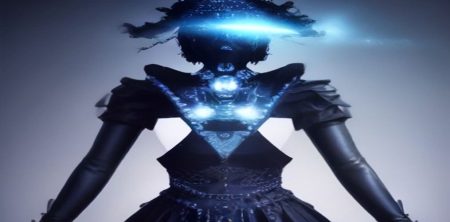
One of the most immediate and visually striking impacts of AI-generated fashion marketing is the advent of the synthetic model. These aren't real people; they're digital constructs, meticulously crafted by algorithms to embody a brand's aesthetic. We've seen them grace campaigns for major players, and the implications are vast. On one hand, brands gain unparalleled control. They can create a model with precise measurements, expressions, and even ethnic backgrounds that perfectly align with a specific campaign's vision, all without the logistical complexities and costs associated with human models.
However, this level of control comes with a significant ethical weight. Critics argue that synthetic models could further narrow already restrictive beauty standards, perpetuating unrealistic ideals. If a brand can program the 'perfect' model, what message does that send to consumers, especially young women, about their own bodies? It's a valid concern, particularly when considering the potential for AI to be trained on biased datasets, inadvertently amplifying existing societal prejudices. The debate isn't just about whether these models look 'real' enough; it's about the very definition of beauty and authenticity in an increasingly digital world.
2. Job Displacement for Creatives: A Looming Challenge
The conversation around AI in fashion marketing inevitably turns to job displacement. For decades, photographers, stylists, makeup artists, and even human models have been the backbone of fashion campaigns. Now, with AI capable of generating entire ad campaigns from scratch—from concept to final image—many in these creative fields are understandably anxious. If a brand can produce stunning visuals with a few clicks and a sophisticated algorithm, what does that mean for the thousands of talented individuals who make their living crafting those very images?
This isn't just a hypothetical fear. We’re already seeing brands experiment with AI-driven content creation that bypasses traditional creative teams. While some argue that AI will simply free up creatives for more strategic, higher-level work, the reality for many entry-level and even mid-career professionals could be a shrinking market for their skills. It forces us to reconsider the value of human artistry and the unique perspective that a human creative brings, which an algorithm, no matter how advanced, might struggle to replicate. The fashion industry, historically a significant employer of creative talent, is facing a moment of profound introspection about its workforce.
3. The Objectification of Women and Ethical Quandaries: Beyond the Image
The ethical concerns surrounding AI-generated fashion marketing extend far beyond job security. One of the most troubling aspects highlighted by critics is the potential for increased objectification of women. When models are digital constructs, devoid of agency or the ability to consent, the line between portrayal and exploitation becomes incredibly blurry. There's a risk that brands, seeking to push boundaries or appeal to certain demographics, might create AI models in sexually suggestive or demeaning poses without any human oversight or ethical consideration.
Furthermore, the very nature of creating an 'ideal' digital woman raises questions about autonomy and respect. Unlike human models who can negotiate terms, refuse certain poses, or speak out against inappropriate portrayals, AI models have no voice. This lack of inherent human dignity in their creation makes it easier for brands to fall into exploitative practices, potentially normalizing harmful representations. It’s a thorny issue that demands careful consideration and proactive ethical guidelines from the industry, rather than reactive measures once controversies inevitably arise.
4. Massive Social Media Engagement: The Virality Factor
Despite, or perhaps because of, the controversies, AI-generated fashion marketing is proving to be incredibly effective at generating social media buzz. The sheer novelty and the emotionally charged nature of the debate around these campaigns — job loss, ethical dilemmas, the uncanny valley effect — make them prime candidates for viral spread. When Guess rolled out its AI-heavy campaign in American Vogue in August 2025, it wasn't just another ad; it was a talking point, fueling discussions across Twitter, Instagram, and TikTok.
This virality is a double-edged sword for brands. While it brings immense visibility and conversation, not all engagement is positive. However, in the attention economy, any engagement can be seen as valuable. The "Miss AI Pageant" is another perfect example; it was designed to provoke and discuss, and it succeeded wildly. For brands, the allure of generating such intense social media conversation, both positive and negative, is a powerful motivator to experiment further with AI, even if it means navigating a minefield of public opinion. (See: AI's impact on fashion marketing.)
5. Venture Capital Fueling the Revolution: The Investment Boom
Behind the glossy AI-generated images and heated debates lies a powerful financial engine: venture capital. Investors are pouring significant sums into fashion AI startups, indicating a strong belief in the long-term potential of this technology. In 2025, for instance, we saw substantial funding rounds for companies developing AI tools for everything from predictive trend analysis and automated design to hyper-personalized marketing campaigns and virtual try-on experiences. This influx of capital isn't just about creating a few cool ads; it's about fundamentally restructuring the entire fashion value chain.
This investment signals a broader industry shift. Fashion, traditionally slower to adopt digital transformation than some other sectors, is now aggressively pursuing efficiency and innovation through AI. Brands are seeing the potential for reduced costs in production, faster time-to-market for new designs, and highly targeted marketing that can boost sales. While the ethical debates rage on, the financial backing for AI in fashion is undeniable, suggesting that this isn't a passing fad but a deeply entrenched strategic direction for many industry players.
6. Monetization Opportunities: A New Digital Economy
Beyond the brands themselves, the rise of AI-generated fashion marketing is creating entirely new monetization opportunities, spawning a vibrant sub-economy. One of the most significant areas is B2B SaaS (Software as a Service). Companies are developing and selling sophisticated AI tools specifically for the fashion industry – think platforms for generating campaign imagery, designing virtual clothing, or analyzing consumer data for predictive insights. These tools cater directly to brands looking to leverage AI without having to build their own proprietary systems from scratch.
Another burgeoning area is legal services. With AI creating likenesses and potentially infringing on intellectual property, the need for specialized legal advice around IP protection, digital rights, and the ethical use of AI is skyrocketing. Lawyers specializing in these complex new domains are finding a robust market. Furthermore, online education is flourishing, with courses on ethical AI in design, prompt engineering for fashion, and mastering AI marketing tools becoming highly sought after. These commercial intent searches, like "best AI fashion tools review" or "cost of AI marketing services," clearly demonstrate a growing market eager to understand and implement these new technologies.
7. The Future of AI-Generated Fashion Marketing: Navigating the Ethical Maze
So, what does the future hold for AI-generated fashion marketing? It's clear that AI is not going anywhere. Its capabilities will only grow more sophisticated, making the distinction between real and artificial increasingly difficult to discern. We can expect to see even more immersive virtual experiences, hyper-personalized advertising that adapts to individual consumer preferences in real-time, and perhaps even AI-designed collections that go from concept to consumer with minimal human intervention.
However, the long-term success and acceptance of AI in fashion will hinge on the industry's ability to navigate the ethical maze it has created. This means developing robust guidelines for the use of AI, prioritizing transparency with consumers about AI-generated content, and actively working to mitigate job displacement through upskilling and new role creation. The conversation isn't about whether AI will be used, but how. Can the fashion industry harness the incredible power of AI to innovate and inspire, without sacrificing human creativity, ethical standards, and the diverse beauty that truly defines our world? That's the challenge ahead.
8. Personalization at Scale: The Hyper-Targeted Ad Campaign
One of the most compelling advantages of AI in fashion marketing, often overshadowed by the ethical debates, is its ability to deliver unparalleled personalization. Imagine an online shopper browsing a new collection. Instead of seeing a generic ad, AI can analyze their past purchases, browsing history, social media activity, and even current weather patterns to present them with clothing items, styled in a way that’s most likely to appeal to their individual taste. This isn't just about suggesting similar items; it's about crafting an entire visual narrative tailored to one person.
For example, if a consumer frequently buys minimalist, sustainable activewear, AI might generate an ad featuring a synthetic model in a serene, natural setting, showcasing new eco-friendly activewear pieces. Another customer, who prefers vibrant, avant-garde streetwear, might see the same garment presented on a different AI model, in an edgy, urban environment. This level of hyper-targeting moves beyond simple demographics, tapping into individual psychographics and lifestyle choices. Brands can test countless variations of an ad campaign automatically, learning in real-time what resonates most with different consumer segments. This means higher conversion rates and a more efficient allocation of marketing spend, a powerful draw for any business.
9. The Legal Landscape of AI Imagery: Copyright and Ownership
As AI-generated fashion marketing becomes more prevalent, it throws up a whole host of complicated legal questions, especially concerning copyright and ownership. Who owns the copyright to an image created entirely by an AI? Is it the person who wrote the prompt? The company that developed the AI software? Or does it fall into the public domain? Current intellectual property laws were simply not designed for this kind of scenario, leading to a legal gray area that’s causing headaches for creators and brands alike. (AI landscape insights)
Consider a scenario where an AI is trained on thousands of existing fashion photographs. If it then generates a new image that bears a striking resemblance to a copyrighted work, is that considered infringement? What if the AI "learns" a particular photographer's style and then produces images in that style? These aren't just theoretical concerns. Lawsuits are already popping up in other creative fields, and fashion is next. Brands need to be extremely careful about the datasets their AI is trained on and the provenance of the resulting images to avoid costly legal battles. Clear legal frameworks and industry standards are desperately needed to provide clarity and protect creators while fostering innovation. (See: Research on AI in creative industries.)
10. Democratization of Fashion Content Creation: Lowering the Barrier to Entry
While established creative professionals might worry about job displacement, AI also offers a powerful tool for the democratization of fashion content creation. Historically, producing high-quality fashion imagery required significant budgets for photographers, studios, models, and stylists. This effectively locked out small independent designers, startups, and emerging creatives who simply couldn't afford the overhead.
Now, with sophisticated AI image generators, a small indie brand can create stunning, professional-looking campaign visuals for a fraction of the cost. They can experiment with different styles, settings, and models without the logistical complexities. This levels the playing field, allowing more diverse voices and aesthetics to break through in a highly competitive industry. It means a designer working from their garage can present their collection with the same visual polish as a luxury brand, potentially fostering a new wave of creativity and entrepreneurship in fashion. The barrier to entry for visual storytelling is significantly lowered, which could lead to a richer, more varied fashion landscape.
11. The Environmental Impact: A More Sustainable Path?
Beyond the glitz and glamour, the fashion industry has a significant environmental footprint. Traditional photoshoots involve travel, large crews, extensive sets, and often, garments that are produced solely for a shoot and then discarded. AI-generated fashion marketing offers a compelling alternative that could significantly reduce this environmental impact.
Imagine a brand no longer needing to ship samples across continents for various photoshoots, or construct elaborate, single-use sets. Virtual models and digital garments mean fewer physical samples produced, less waste, and a drastic reduction in the carbon emissions associated with traditional campaign production. While the energy consumption of AI models and data centers is a valid concern, the overall reduction in physical resource use and logistics could make AI-driven marketing a much more sustainable option in the long run. This aligns perfectly with the growing consumer demand for eco-conscious brands and practices, offering a powerful narrative for fashion companies looking to green their operations.
12. The Human Element in a Digital World: Authenticity and Connection
Despite the undeniable efficiency and innovation that AI brings, a crucial question remains: what about the human element? Fashion, at its core, is about aspiration, emotion, and connection. Can an AI truly capture the nuanced expressions, the subtle charisma, or the genuine vulnerability that a human model brings to a campaign? Many argue that the "soul" of fashion, the intangible quality that makes an image truly compelling, still requires human input.
Consumers are increasingly savvy and often seek authenticity from brands. While AI-generated perfection might initially grab attention, there's a risk of it feeling sterile or inauthentic over time. The "uncanny valley" effect, where something looks almost human but not quite, can be off-putting. Brands might find that while AI can generate stunning visuals, the most impactful campaigns still integrate human creativity, direction, and perhaps even human models alongside their digital counterparts. The future might not be a complete replacement of humans, but rather a hybrid approach where AI enhances human creativity, allowing artists to push boundaries in new ways, while still maintaining that vital human connection.
FAQ: Your Burning Questions About AI-Generated Fashion Marketing
Q1: What exactly is AI-generated fashion marketing?
It's basically using artificial intelligence to create marketing content for fashion brands. This can include everything from generating realistic images of models wearing clothes that don't physically exist yet, to writing ad copy, analyzing consumer trends to predict what styles will be popular, and even personalizing product recommendations for individual shoppers. The core idea is to automate and enhance traditional marketing tasks using AI algorithms.
Q2: Are brands actually using AI models instead of real people?
Yes, absolutely. While it's still a relatively new practice, major brands like Guess and Mango have already experimented with AI-generated models in their campaigns. The "Miss AI Pageant" is another high-profile example. Brands are drawn to the control, cost-effectiveness, and ability to create highly specific aesthetics without the logistical challenges of human models. However, this is also where many of the ethical debates come into play.
Q3: Will AI take jobs away from photographers, models, and designers?
This is a significant concern and a hot topic. AI definitely has the potential to automate tasks traditionally performed by creatives, which could lead to some job displacement, particularly for entry-level roles. However, many in the industry also believe AI will create new types of jobs and transform existing ones. Instead of replacing humans entirely, AI might become a powerful tool that creatives use, freeing them up for more conceptual and strategic work. The shift will likely be about adaptation and upskilling rather than complete elimination. (See: AI technology transforming industries.)
Q4: How does AI help with personalized marketing in fashion?
AI excels at analyzing vast amounts of data – customer purchase history, browsing patterns, social media activity, even demographic information. It uses this data to build highly accurate profiles of individual consumers. Then, it can tailor marketing messages, product recommendations, and even the visual style of ads specifically to that person's preferences. So, you might see an ad for a dress styled completely differently than your friend, even if it's the same dress, because the AI knows what appeals to each of you.
Q5: What are the main ethical concerns with AI in fashion marketing?
There are several big ones. The potential for synthetic models to perpetuate unrealistic or narrow beauty standards is a major concern. There's also the risk of objectification, as AI models lack agency. Job displacement for human creatives is another ethical challenge. Furthermore, questions around data privacy, copyright ownership of AI-generated content, and the potential for AI to amplify existing biases if trained on unrepresentative datasets are all serious considerations the industry is grappling with.
Q6: Is AI-generated fashion marketing sustainable?
Potentially, yes. By creating digital garments and virtual photoshoots, brands can significantly reduce their environmental footprint. This means less need for physical samples, fewer resources used for set construction, and reduced travel for crews. While running AI models consumes energy, the overall environmental savings from reducing physical production and logistics could be substantial, making it a more eco-friendly option compared to traditional methods.
Q7: How can consumers tell if a fashion ad is AI-generated?
Right now, it can be tricky because AI is getting incredibly good at creating realistic images. However, some tell-tale signs might include unnatural lighting or shadows, slightly distorted background elements, or models with perfectly symmetrical but subtly "off" features. As the technology advances, it will become even harder to distinguish. This is why transparency from brands – clearly labeling AI-generated content – is becoming an important ethical consideration.
Q8: What's the role of venture capital in this trend?
Venture capital is a huge driver. Investors are pouring money into startups that develop AI tools for the fashion industry because they see massive potential for efficiency, cost savings, and innovative marketing. This funding is accelerating the development and adoption of AI technologies across the entire fashion value chain, from design and production to retail and marketing. It signals a strong belief that AI isn't just a fad, but a fundamental shift for the industry.
Q9: Will AI replace human creativity in fashion?
Most experts believe AI won't replace human creativity but will augment it. AI can handle repetitive tasks, generate endless variations, and analyze data at speeds humans can't match. This can free up human designers and marketers to focus on higher-level strategic thinking, conceptual development, and infusing campaigns with genuine emotion and storytelling. The future is likely a collaboration between human ingenuity and AI efficiency.
Q10: What are "prompt engineers" in the context of fashion AI?
A prompt engineer is someone skilled at writing the specific text commands (prompts) that guide an AI image generator to produce the desired visual output. In fashion, this means crafting prompts that describe everything from the model's appearance and pose to the clothing details, lighting, background, and overall mood of a campaign image. It's a new, highly specialized creative skill that's becoming crucial for leveraging AI effectively in marketing.
```
Trending Now
Frequently Asked Questions
How is AI changing fashion marketing?
AI is transforming fashion marketing by introducing innovations like AI-generated imagery, synthetic supermodels, and data-driven personalization. Brands leverage algorithms for design, production, and retail efficiency, creating a more streamlined and targeted approach to reaching consumers.
What are synthetic supermodels in fashion?
Synthetic supermodels are digital creations crafted by AI algorithms, designed to represent a brand's aesthetic without being real people. They are increasingly featured in marketing campaigns, raising discussions about beauty standards and the implications of using non-human models.
What controversies surround AI in fashion?
The use of AI in fashion marketing has sparked controversies over ethics, creativity, and the authenticity of representation. Issues include the potential for perpetuating unrealistic beauty standards and the impact on real models and creatives in the industry.
Why are brands investing in AI technology?
Brands are investing in AI technology to enhance efficiency and innovation in fashion marketing. AI allows for better data analysis, personalized consumer experiences, and streamlined production processes, all of which can lead to increased sales and brand loyalty.
What is the future of AI in fashion marketing?
The future of AI in fashion marketing looks promising, with continued advancements expected in AI-generated content, personalized shopping experiences, and the integration of technology in design. This evolution may redefine consumer engagement and brand strategies within the industry.
Have you experienced this yourself? We'd love to hear your story in the comments.

