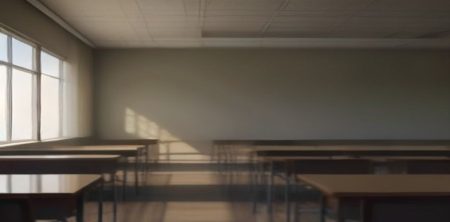
You know, there's a conversation happening in Arizona right now that's far more urgent than most people realize. It's about our teachers, or rather, the alarming lack of them. For a decade now, the Grand Canyon State has been wrestling with a persistent, gnawing teacher shortage, and it's not just a statistic; it's a crisis playing out in our classrooms, affecting our kids, and ultimately, shaping the future of the state. We're talking about a significant attrition rate – a staggering 14% of teachers are projected to leave their posts for the 2024-25 school year. Think about that for a moment: 14% of the people entrusted with educating our youth are saying, 'I can't do this anymore.' It's a number that should make every parent, every citizen, sit up and take notice.
This isn't just about a few empty desks in a staff room. This churn leads directly to underqualified individuals stepping into critical roles, or, worse yet, entire classrooms sitting vacant. It means our children aren't getting the consistent, high-quality instruction they deserve. Elected officials, educators, and even parents are feeling the heat, and they're all scrambling for answers. Arizona Superintendent of Public Instruction Tom Horne has been vocal about the need for solutions, emphasizing that we need to look beyond just the base salary to improve retention. It's a complex puzzle, and the pieces include everything from better pay and robust benefits to non-financial support systems that make a teaching career sustainable and rewarding. As someone who's spent years in education, from K-12 classrooms to university deanships, I can tell you this isn't a new problem, but it's one that's reached a critical point in Arizona, demanding our immediate attention and creative problem-solving.
The Deep Roots of Arizona's Teacher Shortage
To really understand the current predicament in Arizona, we need to dig a little deeper than just a simple lack of teachers. The roots of this shortage are tangled and extend into various aspects of the profession. It’s not a sudden phenomenon; it’s been brewing for years. We’ve seen a steady decline in college students choosing education as a major, coupled with a significant number of experienced educators opting to leave the profession entirely. This isn't unique to Arizona, of course, but the state's specific economic and policy landscape seems to amplify these national trends, making the situation particularly acute. Related reading: essential teacher shortage stats.
One major factor is what I call 'workload compression.' Imagine trying to do more with less, constantly. Teachers in Arizona often find themselves shouldering an ever-increasing burden of responsibilities: larger class sizes, more administrative tasks, complex student needs, and often, a lack of adequate support staff. This isn't just about teaching; it's about being a counselor, a social worker, a data analyst, and often, a part-time fundraiser, all rolled into one. When you combine this relentless pressure with compensation that often doesn't reflect the immense value and demands of the job, it creates a perfect storm for burnout. Teachers, especially those with years of experience, start looking for greener pastures, and frankly, who can blame them?
Beyond Base Salary: The Total Compensation Conundrum
When we talk about teacher pay, the conversation often gets stuck on the base salary. And yes, a competitive base salary is absolutely crucial. Arizona has historically lagged behind many other states in this regard, making it difficult to attract and retain top talent. But the issue of compensation for teachers, particularly in addressing the Arizona teacher shortage solutions, is far more nuanced than just the headline number on a paycheck. It’s about the total compensation package.
Consider the benefits, for example. Health insurance, retirement plans, paid leave – these are all critical components that contribute to a teacher’s financial well-being and sense of security. If these benefits are subpar, even a slightly improved base salary might not be enough to sway someone to stay or to join the profession. Many experienced teachers, especially those with families, weigh the entire package when making career decisions. They're looking at the long game, not just the immediate take-home pay. When private sector jobs, or even teaching positions in neighboring states, offer significantly better benefits, it becomes a compelling argument for leaving public education in Arizona.
This also extends to things like opportunities for professional development, tuition reimbursement for advanced degrees, and even childcare support. These might not be direct cash payments, but they represent significant financial value to an educator. A school district that invests in its teachers' growth and well-being through these avenues is, in essence, offering a more robust total compensation package. It signals that the district values its employees beyond just their classroom hours, fostering a sense of loyalty and commitment that is vital for retention.
The Exodus to Charter Schools and Alternative Models
One of the more interesting, and perhaps concerning, trends contributing to the Arizona teacher shortage is the migration of experienced educators to charter schools and other alternative education models. You might wonder why this is happening. After all, aren't charter schools still part of the broader educational landscape? (See: U.S. Department of Education on teacher shortages.)
Well, often, charter schools offer a different operational structure. They sometimes have more flexibility in curriculum, smaller class sizes, or a more specialized focus, which can be appealing to teachers looking for a change. Crucially, some charter schools, particularly those with strong philanthropic backing or innovative funding models, are able to offer more competitive salaries and benefits than traditional public schools. This creates a kind of internal 'brain drain' within the state, where public schools lose their most seasoned and effective teachers to these alternatives. For more context, see education system in Bangladesh.
It's not just about the money, though that's often a significant draw. It can also be about the culture. Some teachers find the bureaucratic demands of large public school districts stifling and seek out environments where they feel they have more autonomy, more support from administration, or a stronger sense of community. While charter schools certainly play a role in the educational ecosystem, their ability to poach experienced teachers from the public system exacerbates the existing shortage, making it even harder for traditional schools to fill vacancies and maintain a high standard of instruction for all students. This isn't to say charter schools are bad, but their growth creates a competitive dynamic that public schools are often ill-equipped to handle given their funding constraints.
Rethinking Recruitment: Attracting New Talent to Arizona
Solving the Arizona teacher shortage isn't just about stopping the outflow; it's also critically about boosting the inflow. We need a multi-pronged approach to recruitment that goes beyond traditional job fairs and online postings. It requires a fundamental rethinking of how we present teaching as a viable, attractive career path, especially to younger generations who have many options.
One key strategy is to establish robust 'grow your own' programs. This means identifying promising high school students, college undergraduates, and even paraprofessionals already working in schools, and providing clear pathways, financial incentives, and mentorship to encourage them to pursue teaching credentials. Community colleges could play a vital role here, offering affordable initial coursework that articulates seamlessly into four-year university programs. Imagine a high school student, inspired by a great teacher, knowing there’s a clear, supported path for them to return to their community as an educator. That’s powerful.
Another area to explore is attracting mid-career professionals from other fields. There are many talented individuals who might be looking for a more fulfilling career path later in life. We need streamlined, accelerated certification programs that recognize their prior experience and knowledge, allowing them to transition into teaching more efficiently. This isn't about lowering standards, but about creating intelligent pathways for skilled individuals to bring their expertise into our classrooms. Furthermore, aggressive marketing campaigns showcasing the positive aspects of teaching in Arizona – the impact, the community, the opportunity for growth – could help shift public perception and draw in new candidates.
Retaining Our Best: Non-Financial Support and Professional Growth
While compensation is undoubtedly a huge factor, it’s a mistake to think that money alone will solve the retention problem. Teachers are professionals who crave respect, support, and opportunities for growth. This is where non-financial support becomes absolutely critical in any comprehensive Arizona teacher shortage solutions strategy.
Think about mentorship programs, for instance. A new teacher, fresh out of college, thrown into a challenging classroom without a seasoned guide, is far more likely to burn out and leave. Providing a strong, experienced mentor who can offer practical advice, emotional support, and a sounding board can make all the difference. This isn't just about the first year, either. Ongoing mentorship and peer collaboration can foster a sense of community and shared purpose among educators.
Professional development is another cornerstone. Teachers want to feel competent and effective, and they want to continue learning and refining their craft. Offering high-quality, relevant professional development opportunities – not just mandated, check-the-box training – can significantly boost morale and job satisfaction. This could include workshops on new pedagogical techniques, technology integration, strategies for diverse learners, or even leadership development. When teachers see that their districts are investing in their professional growth, they feel valued and are more likely to commit for the long haul. Moreover, reducing administrative burdens, providing adequate classroom resources, and ensuring a safe and supportive school environment are all non-financial factors that contribute immensely to teacher well-being and, consequently, retention. (See: New York Times article on Arizona's teacher shortage.)
Policy Solutions: The Role of State and Local Government
Addressing the Arizona teacher shortage demands robust and sustained policy interventions from both state and local governments. This isn't a problem that individual schools or districts can solve in isolation; it requires a coordinated, statewide effort, driven by clear legislative priorities and adequate funding. For more context, see comprehensive guide to the education system.
At the state level, a primary focus must be on increasing overall education funding. This isn't just about putting more money into the system; it's about allocating those funds strategically to allow districts to offer competitive salaries, comprehensive benefits, and sufficient resources. This might involve re-evaluating tax structures, exploring new revenue streams, or even advocating for federal support. Beyond funding, state policy can also streamline certification processes, making it easier for out-of-state teachers or career changers to enter the Arizona system without compromising standards. They can also create statewide programs for mentorship, professional development, and even housing assistance in high-cost-of-living areas, which are increasingly difficult for teachers to afford.
Local governments and school boards also have a critical role to play. They can advocate fiercely for increased state funding, but they also have the power to prioritize teacher well-being within their own budgets. This means making difficult decisions about where resources are allocated, ensuring that teacher salaries and benefits are competitive within their specific local economy. They can also implement innovative local programs, such as teacher housing initiatives, partnerships with local businesses for discounts and perks, or even community-supported teacher appreciation programs. The synergy between state-level policy and local implementation is what will ultimately drive effective Arizona teacher shortage solutions.
The Community's Role: Parents, Businesses, and Local Support
It’s easy to point fingers at politicians or school administrators when talking about a teacher shortage, but the truth is, the entire community has a vital role to play in supporting our educators and attracting new ones. This isn't just a school problem; it's a community problem that affects everyone.
Parents, for instance, can be powerful advocates. Engaging with school boards, attending public meetings, and speaking up about the importance of competitive teacher compensation and working conditions can put necessary pressure on decision-makers. Beyond advocacy, simply showing appreciation for teachers, volunteering in classrooms, and being a supportive partner in their child's education can make a huge difference in a teacher's daily morale. A supportive parent community can transform a challenging job into a rewarding one.
Local businesses also have a significant opportunity to contribute. Imagine local restaurants offering teacher discounts, real estate agents helping new teachers find affordable housing, or banks offering special loan rates. Businesses could also sponsor professional development programs, provide grants for classroom supplies, or even offer internships for aspiring educators. These kinds of partnerships not only provide tangible benefits to teachers but also signal that the wider community values their contributions. When teachers feel genuinely supported and appreciated by the community they serve, they are far more likely to stay and thrive.
Leveraging Technology: Online Education and AI Tutors
As an advocate for educational technology, I firmly believe that part of the Arizona teacher shortage solutions must involve smart, strategic integration of technology. We're not talking about replacing teachers with robots, but rather empowering them and expanding their reach through innovative tools. Two areas stand out: online education for training and certification, and AI-powered tutoring. For more context, see strategies for success in education. (See: BBC report on global teacher shortages.)
Online education platforms can be game-changers for teacher training. For individuals in rural areas, or those juggling work and family commitments, traditional brick-and-mortar university programs can be inaccessible. High-quality online programs can provide flexible, affordable pathways to certification, allowing more people to enter the profession. This is particularly relevant for 'grow your own' initiatives, where local residents can train to become teachers without having to relocate. Platforms offering micro-credentials or specialized certifications could also help upskill existing teachers, making them more versatile and effective in the classroom.
Then there’s the burgeoning field of AI-powered tutors, like my own Entelechy. These tools aren't meant to replace human teachers but to augment their capabilities. Imagine a teacher having an AI assistant that can provide personalized support to students struggling with a specific concept, freeing up the teacher to focus on higher-level instruction, emotional support, and creative lesson planning. AI can handle repetitive tasks, provide instant feedback, and even help identify learning gaps, allowing teachers to be more efficient and impactful. By offloading some of the individualized instructional burden, AI tutors could potentially reduce teacher workload and allow them to focus on the human elements of teaching that truly make a difference.
Long-Term Vision: Creating a Sustainable Teacher Pipeline
Ultimately, solving the Arizona teacher shortage isn't about quick fixes; it's about building a sustainable pipeline of high-quality educators for the future. This requires a long-term vision and a commitment to systemic change, not just band-aid solutions. We need to cultivate an environment where teaching is seen as a respected, well-compensated, and desirable profession, not just a stepping stone or a last resort. (finding the right school fit)
Part of this vision involves a consistent commitment to competitive compensation packages that keep pace with the cost of living and the demands of the job. This isn't a one-time salary bump; it's an ongoing investment. It also means fostering a culture of professional respect and autonomy within schools, where teachers feel heard, valued, and empowered to make decisions that benefit their students. This includes providing adequate planning time, manageable class sizes, and access to necessary resources and support staff.
Moreover, we need to continually evaluate and adapt our teacher preparation programs, ensuring they are rigorous, relevant, and responsive to the evolving needs of students and schools. Partnerships between universities, community colleges, and K-12 districts are essential for creating seamless pathways into the profession. By nurturing future educators from a young age, supporting them through their training, and then providing a professional environment where they can thrive, Arizona can move beyond simply addressing a shortage to truly building a robust and resilient educational workforce for generations to come. It’s a marathon, not a sprint, but the finish line is a stronger, smarter Arizona.
Trending Now
Frequently Asked Questions
What is causing the teacher shortage in Arizona?
The teacher shortage in Arizona is driven by a combination of factors, including low salaries, high attrition rates, and inadequate support systems. Many educators are leaving the profession due to burnout and a lack of resources, leading to a projected 14% of teachers exiting their roles for the 2024-25 school year.
How many teachers are expected to leave Arizona schools?
For the 2024-25 school year, it is projected that 14% of teachers in Arizona will leave their positions. This significant attrition rate highlights the urgency of addressing the underlying issues contributing to the teacher shortage in the state.
What impact does the teacher shortage have on students?
The teacher shortage in Arizona directly impacts students by leading to underqualified individuals filling critical teaching roles or entire classrooms being left vacant. This results in inconsistent and low-quality instruction, which ultimately affects the educational experience and future of the students.
What solutions are being proposed to retain teachers in Arizona?
Proposed solutions to retain teachers in Arizona include improving salaries, enhancing benefits, and providing non-financial support systems. Arizona Superintendent of Public Instruction Tom Horne emphasizes the need for a comprehensive approach to make teaching careers more sustainable and rewarding.
Why is teacher retention a critical issue in Arizona?
Teacher retention is critical in Arizona because a high attrition rate contributes to a cycle of instability in classrooms, affecting the quality of education. With 14% of teachers projected to leave, it poses a significant challenge to maintaining effective instruction and ensuring that students receive the education they deserve.
What did we miss? Let us know in the comments and join the conversation.

